


 简体中文
简体中文  English (UK)
  Русский
  العربية
  日本語
日本語  한국어
한국어  Magyar
  Türkçe
  Español
  Čeština
  Svenska
  Português
  Ελληνικά
  Suomi
Suomi  Nederlands
  Română
  Italiano
  Français
  Polski
  Українська
  Deutsch
  Slovenčina
 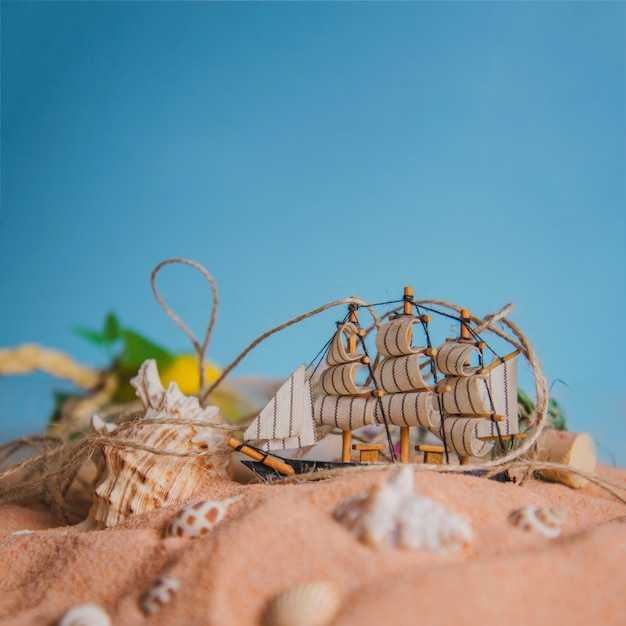 Sailstice Event Ideas – Creative Ways to Celebrate the Summer Solstice at Sea">

Plan a sunrise anchoring in a calm bay, with each boat circled around the main anchor to form a small, intimate circle that invites participation; although conditions vary, have a backup plan ready. On the website, chris shares a simple run-of-show to keep the hours meaningful and the crew connected.
Between dawn and afterglow, build a practical list of activities: joining a short circle to share one intention, a wind-focused sailing game, and a snack break with mindful snacking ideas. Provide a concise information card for guests, safety tips, and a rough schedule so everyone knows what to expect.
Record a 2–3 minute video of the dawn gathering and progress, then post highlights to your channel. After the event, push a recap to the website and invite readers to download a printable information sheet for their Sailstice on the weekend.
Keep energy up with practical snack options that travel well: almonds, dried fruit, cheese cubes, and small sandwiches. Manage portions to avoid sluggishness, and use a quick check-in every 90 minutes to adjust plans around shifting wind and sea state, honoring their efforts and keeping the mood upbeat.
Conclude with a sunset toast and a gratitude circle; anchor again if wind allows, then share a final checklist to keep the inspiration alive and to guide future Sailstice events.
Summer Solstice at Sea: Celebrations and Sailboat Maintenance
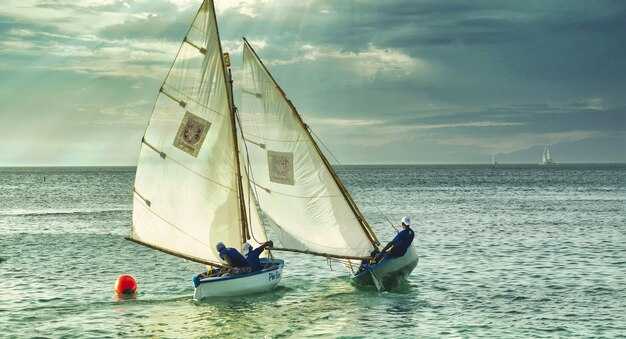
Make hull and rig inspection today and lock in maintenance tasks that keep safety and performance at the helm. This Sailstice at Sea blends celebration with practical readiness, so you can simply enjoy the Solstice while knowing the boat remains reliable.
During anchorage or at sea, run a concise inspection checklist: standing rigging, halyards, winches, blocks, and through-hulls; verify engine oil level, coolant, battery condition, and propeller integrity. Look for a sign of wear and plan repairs before you head into deeper waters.
However, what makes the moments on deck meaningful is the crew’s rhythm. chriss and cleo coordinate the watch, what they learn today, and how they celebrate small victories with a quiet toast as the sun slides toward the horizon.
Keep celebrations simple and safe: standing at the rail to watch colors fade, stay connected with the crew, and keep decks clear so the rolled mainsail and jib remain ready. Let the breeze carry your talk about routes and weather, while you log maintenance tasks for the globe of boater communities.
Where anchorage becomes your base, the ritual links marine life with a shared rhythm; they stand with the boat, keeping a respectful distance from other gear, and you notice the sign of a well-prepped craft in every knot.
Back in routine, digging into logs, you update the maintenance notes and order parts while the moment of Sailstice lingers behind you. Today you build a habit that makes future Sailstice maintenance easier.
Decor Ideas for a Solstice at Sea
Start with an anchor lighting plan that stays simple and reliable: string warm LEDs along the rails, position solar lanterns at the bow and stern, and connect everything to a compact panel. This creates a welcoming glow against the dark water and lets you reset the mood as guests arrive at different times.
Choose a palette that nods to long days and blue nights: gold, navy, and seafoam. Between sails and deck, hang lightweight bunting in those tones, and mix driftwood, jars with LED candles, and small bottles as centerpieces. Keep pieces lightweight so they stay put in a breeze and are easy to store when leaving the deck.
- Anchor lighting plan with simple, reliable setup.
- Palette and textures using natural materials and LED accents.
- Zones that guide flow: open dining area, photo corner, and a quiet reflection nook.
- Crew roles to involve the team and promote a worldwide vibe, with cleo taking a coordinating lead and the johns sharing a sunset toast.
Involve the crew, including cleo, by assigning simple roles: one person handles the banner between the foremast and the mainmast, another watches the lighting, and a third coordinates a short toast with the johns on deck. This keeps everyone involved and promotes a sense of unity worldwide.
Set up practical zones: an open dining area with low tables and non-slip mats; a photo corner near the railing with a sea-themed backdrop; and a quiet reflection nook illuminated by a single lantern. Use clip-on hooks and magnetic fasteners to swap decor between sessions; a quick reset keeps the vibe fresh. Find a balance that respects space and safety: leave clear passage routes, anchor lightweight decor to rails, and mark any cords with bright tape. When guests arrive, guide them to the view where the horizon meets the sky, then invite them to join one of the hosted activities–this creates a shared memory that feels worldwide and personal alike.
Recycle elements year after year to maintain charm with minimal effort. Leaving behind clutter, open up the deck for circulation, and open the space to new joining ideas each solstice.
Onboard Activities and Games for the Longest Day
Plan a sunrise-to-sunset deck challenge to engage participants from first light to last glow. Set 6 stations, 12–15 minutes each, mixing quick puzzles, knot-work, weather checks, and sailing tasks. chriss and chris co-host to keep energy high, while the skipper signals transitions and keeps safety on deck. This keeps everyone well organized and ready for changes ashore. When tasks are finished, note scores and save ideas for later.
Station ideas give structure without crowding the day. Station 1, knot relay: tie a figure-eight and pass the rope; Station 2, stingray watch: log sightings with location and timing; Station 3, reef-angle trivia: three quick questions about solstice navigation; Station 4, raft relay: carry a small foam raft between buoys; Station 5, compass-demo: plot a bearing on a simple chart; Station 6, team talk: agree on improvements for the next round. Most teams stay close, making noise with cheers and keeping everyone involved, including kids and adults.
Safety and gear guide practical ideas. Ensure life jackets are worn during water tasks; keep a dedicated safety lead, and dont forget to refresh the weather and sea-state checks. Provide waterproof clipboards and a log so participants can sign off after each station. The skipper oversees the deck, communicates in calm tones, and never compromises basic safety. Keep a ready-to-use first-aid kit on the rail and a spare rope ready for quick fixes.
Post-event reflection. After each round, gather for a quick talk: what we learned, what stood out, and what surprised us? This boosts awareness and reinforces lessons about currents and teamwork. Participants share stories, with kids taking turns leading a segment, strengthening community. Joining the group again on future Sailstice days becomes a natural step, and the deep sense of camaraderie lingers long after the sun sets.
Adjustments. If a station didnt meet expectations, tweak the setup for the next run and document what worked for most participants.
Solstice Safety and Weather Planning
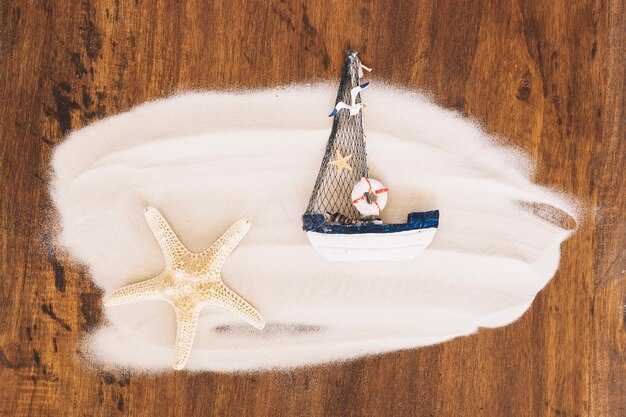
Check the latest forecast and set a hard weather cutoff before any sail: if wind gusts exceed 25 knots or seas are above 2.5 meters, dont depart. Establish a rolled 2-hour review window to reassess conditions; if the forecast improves again, proceed with caution.
Prepare a safety checklist and gear: life jackets, PFDs, tethers, a handheld VHF on channel 16, a weather radio if available, and a first-aid kit. Confirm lines, fenders, anchors, and the bilge pump are ready; run a quick engine start and check the steering. Reef early to prevent hard, rolled seas.
Hold a brief safety talk with the crew to assign roles for helm, lookout, line handling, and the recovery team. Use a showcase drill to practice man overboard recovery and engine-room signals; arndt coordinates timing and flow. After the drill, debrief and log any gaps; participating crew earn a clear action plan. Also put on a quick safety show for observers on deck.
Open-water routing: monitor wind shifts and squalls through at least two independent sources (VHF broadcasts and onboard weather app). Keep speeds moderate to reduce strain on rigging; if wind accelerates suddenly, dont race toward a front; avoid racing toward the front and instead reset course, steering into a safer track.
Energy management on deck matters: snacking and hydration help maintain focus during watches. Plan short snacks that are easy to eat while seated or standing; keep a small bag with a few energy bars, water, and a compact flashlight accessible to handle surprises.
Backups and contingencies: if conditions worsen, postpone to another day and head to the nearest harbor for shelter; never stay exposed in heavy seas. Transported passengers can rest in a sheltered cabin while the crew conducts checks. If possible, move the celebration ashore or under a sturdy canopy for a wind-safe show; this plan is backed by the itinerary and safety drills. This plan backs the crew.
Maintenance Focus: Pre-Sail Checklist for the Solstice
Verify engine oils, coolant, fuel levels, and battery health now; complete this pre-sail check before entering the solstice window.
Initially inspect the engine room for leaks, confirm hoses, belts, and clamps are secure, and test electrical circuits in docked state. ashley and arndt coordinate the checks to keep the crew aligned. This education builds awareness today and supports early problem detection, behind the scenes.
Today, broaden the review to include anchorage gear and the windlass: confirm rode length, inspect chain wear, and test anchor recovery. Theyd note gusts in the forecast; adjust the sail plan as needed.
Dont skip the sail and rigging checks: inspect halyards, sheets, furling lines for wear; test winches; ensure sheets run freely and sails can enter service smoothly.
Past maintenance logs provide a clear view of wear patterns and help plan replacement windows to keep the ship resilient.
Aware crew and ongoing education keep the operation connected. This includes a brief on solstice conditions, weather awareness, and how to respond to alerts without panic.
| Checklist Item | Need By | Action | Status |
|---|---|---|---|
| Engines oil level | Before departure | Check dipstick, top up to mark, replace if contaminated | |
| Fuel quantity | Before departure | Confirm tank level, inspect for leaks, ensure reserve | |
| Battery state | Before departure | Test voltage, verify charge, inspect connections | |
| Bilge pump test | Before departure | Run auto and manual modes, verify discharge lines | |
| Anchorage gear and windlass | Before anchoring | Check rode length, chain wear, windlass operation | |
| Sail and rigging | Before departure | Inspect halyards, sheets, furling lines, blocks; test winches |
Review past logs and operational notes according to the crew’s practice, and keep the plan aligned with the ship’s expanded safety approach. Before you enter the solstice window, this focused routine strengthens stay safety, supports the crew, and makes a smooth celebration of the day at anchor in a calm anchorage.
Evening Rituals: Night Sky, Music, and Reflection at Sea
Start with a five-minute night routine after dinner: dim the cabin lights, gather on deck, and form a circle surrounded by wind and water. Speak one concrete goal aloud: to notice the sky together and care for each other. Have ready a warm layer, a water bottle, and a drink for warmth. Do a quick test of safety: life jackets within reach, headlamps on red, lines and sails inspection finished; take a moment to breathe and be ready for the next gust.
Turn to the night sky: in the northern hemisphere, locate Polaris and a few bright constellations. Use a simple star map or offline app, and keep the information handy; some crew learned three patterns tonight. Stay surrounded by the sea’s quiet; even the wind hushes, your eyes adjust. The источник of these patterns helps you pass the knowledge along, and took notes for tomorrow.
Music at sea: keep it simple and respectful of quieter hours. A guitar or ukulele with a light, steady rhythm works best; play two pieces: a slow lilting tune and a short sea shanty to lift the mood. The hook of a melody anchors the moment; Chriss shapes the tempo, and santa hums along as the crew taps the rail. If you have tools such as a small portable speaker, use it at low volume, otherwise go unplugged and let the night carry the sound.
Reflection and gratitude: after the melodies, invite everyone to share one line about what grew quieter today or what they hoped for tomorrow. Write a sentence in a waterproof notebook and pass it around; listening to each voice strengthens trust and leaves a clearer start for the next watch. Leave the deck calmer than you found it, and thank everyone for their contribution, leaving a sense of unity that carries into the night.
Practical tips to deepen the ritual: schedule it to fit the voyage, and add more nights when stars are visible. Prep a compact kit: red-filter lamp, binoculars, a waterproof notebook, spare batteries, a small speaker or instrument, and a lightweight hook to hang gear. For comfort, bring extra blankets; ensure dinner plates are secured, and the sails are reefed or tied when wind rises. Let curiosity grow with more starlight; embed the practice in every watch for continuity.
Closing note: if wind shifts, move the circle to a safer area of deck, maintain balance, and keep everyone informed. The ritual ends with a toast or a sip of drink, then the crew settles; the night grows still and the stars feel closer, ready for another start.