


 简体中文
简体中文  English (UK)
  Русский
  العربية
  日本語
日本語  한국어
한국어  Magyar
  Türkçe
  Español
  Čeština
  Svenska
  Português
  Ελληνικά
  Suomi
Suomi  Nederlands
  Română
  Italiano
  Français
  Polski
  Українська
  Deutsch
  Slovenčina
  Sailing the Seychelles – A Practical Island-Hopping Guide">

预订 7-10 天的航行行程,由当地船长带领,抵达核心岛屿和一些隐蔽的海湾。这个选项适合情侣或小型船员,并且在风向变化时提供稳定的前进和灵活的每日计划。.
从马埃附近开始,在圣安妮海洋公园的受保护锚地抛锚,然后到达拜伊特奈避风,之后前往普拉兰的五月谷国家公园和拉迪格的白沙海滩。 在途中,您将航行大片水域,并发现一些海湾,它们会以清澈的海水和珊瑚花园来奖励有耐心的水手。.
从普拉兰岛棕榈成荫的海湾到拉迪格岛无车辆通行的巷道,每一站都展现着群岛的瑰宝;这个岛链是为自然爱好者和好奇的旅行者量身打造的目的地。.
对于冒险者来说,短途旅行让你在记录的同时靠近海岸。 easy 锚地之间相隔数英里。在马埃岛和普拉兰岛周围受保护的海湾中,您可以快速到达珊瑚礁、浮潜地点,还可以进行短途徒步旅行,探索该地区的动植物群。.
日落时分,白色沙滩闪闪发光,碧绿泻湖的照片点缀着你的每一天。在岛屿城镇,你会发现 restaurants 供应带有克里奥尔风味的菜肴,以新鲜海鲜、椰子和咖喱为主,非常适合在水上活动一天后补充能量。.
国际航线将主要枢纽与塞舌尔连接起来,主要门户位于维多利亚附近;从那里,游艇基地会安排包租服务,开启您的岛屿巡游的第一段航程。这个计划是轻松、节奏适中的行程的关键组成部分。.
保持船员规模小而灵活,因为跳岛游需要谨慎的计时、天气和补给。对于情侣和朋友来说,穿越马埃岛、普拉兰岛、拉迪格岛和一些近海海湾的平衡路线是一个实用的模板,可以最大限度地减少较长的航程并最大限度地增加拍照机会。.
第四天 – 大姐
预订前往大苏尔的导游陪同晨间游,并在中午前返回,以便在平静的水域和柔和的光线下欣赏和拍摄照片。.
探索这座小岛,你会发现一个孕育丰富动植物的紧密栖息地。椰子树点缀着隐蔽的海湾,而礁石则孕育着各种各样的珊瑚礁鱼类。的确,这里的景象在第一缕阳光照耀下如梦似幻,引诱着探险者们轻手轻脚地移动,并尊重这里的栖息地。最后一缕阳光将泻湖染成琥珀色,创造出一个你想要捕捉的瞬间。.
在劳奈附近有一个隐蔽的落脚点,可以作为一个方便的起点,你的船员可以在这里重组,然后再开始向内陆步行。以下是您在格兰德苏尔岛上的一天实用计划:
- 上午7:30–11:00:在浅礁附近浮潜,寻找鹦嘴鱼、小丑鱼和小魟鱼;保持靠近水面,以尽量减少对动物的干扰。.
- 沿着一条穿过椰林的小径漫步,便可到达一个瞭望台,饱览泻湖美景;每一次转弯都能带来不同的视角和拍照机会。.
- 如果您想体验传统的捕鱼方式,不妨在持证导游的带领下进行短暂的垂钓,并将任何尺寸不足的鱼放生,以保护栖息地。.
- 观察沿海地区的涉禽和本地植物;这里突出了动植物如何在这个隐蔽的栖息地共存。.
- 夜间选择:在星空下安静地漫步海滩,为您的旅程画上一个平静的句号,并有机会反思这一天。.
进近和抛锚:最佳地点和系泊选择
将船停泊在德罗什外礁的浮标上,并在潮流平缓时从东面靠近,然后顺着水流漂流进去,在平静的水域中停稳;这样可以保持船的稳定,并让您立即身处绝佳的浮潜位置,方便前往海滩。沿着暗礁的地点只需短距离游泳即可到达遍布海龟的浅滩,而且当船员协调好一条清晰的视线通往浮标时,操作会更加顺畅。.
如果您喜欢抛锚,请寻找礁石下风处、红树林后方或小沙洲附近的沙地;使用较长的锚链以减少摆动,并远离浅滩。当您接近背风处时,一丝轻柔的浪花可以帮助您判断水深和风力,然后固定好船只,在傍晚的霞光中欣赏甲板上的美景。在这些区域,您会发现观鸟的机会,并可以进入保护数百种物种栖息地的保护区。.
值得考虑的地点包括德罗什外礁,适合浮潜和享受平静的夜晚;库瑞尔岛自然保护区红树林,适合在遮蔽环境下游泳,方便进行皮划艇或桨板运动;以及圣安妮海洋公园,那里有靠近海滩的系泊点,方便上岸游览。在这些区域附近有官方系泊浮标和私人系泊点,船员可以引导您前往;系泊后,您可以远离珊瑚,并且仍然可以快速上岸徒步、游泳或在傍晚散步。如果锚泊,始终与冲刷通道保持安全距离,并放下船尾缆绳以在较强的水流中固定船只。.
对于更长的航程,您可以计划一个序列:先前往德罗什岛,然后再次向普拉兰岛和库里厄斯岛移动,以最大限度地利用日出和傍晚的活动;但是,请查阅最新的海图和潮汐表,并尊重保护区和当地规则。 最受欢迎的方法是混合使用系泊和沙底锚,请记住,德罗什岛仍然是可靠的、易于进入和稳定登陆的地点,而周围的保护区为观鸟、游泳和浮潜探险提供了令人难以置信的野生动物体验,让船员和客人都感到轻松自在。 istotn:来自当地船长的指导证实,这些是安全、愉快的跳岛游的可靠选择。.
transit timing: 风、水流和日照窗口
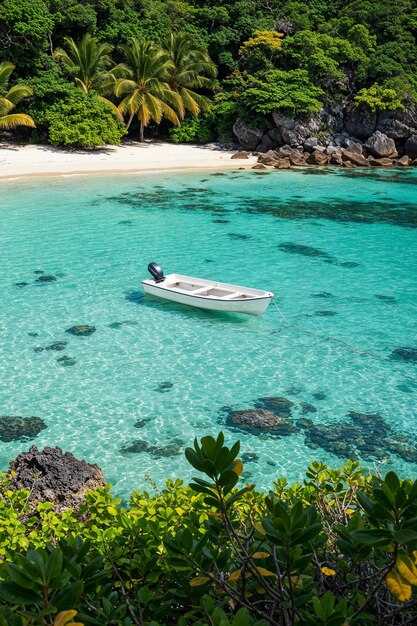
为了最大限度地利用白昼和稳定的风力,请在北京时间 09:00 至 14:00 之间开始赛段。. 存在各种预测来源,但选择一个可靠的来源并在出发前查看48小时的时间窗口。对于绕过德罗什岛和朝向皮埃尔岛的航段,这个窗口可以提供一点余量来调整微风变化和水流。一位塞舌尔船长可以引导您找到最适合顺着平静海浪航行的地方,将一次航行变成您更大梦想和冒险的一部分。.
风和海流模式塑造了群岛沿线的五个常见航行窗口。在旱季典型的东北信风中,风速稳定在 12-22 节;在过渡月份,风速降至 8-15 节,并伴有阵风。海流沿主要航道以 1-3 节的速度移动,有时在近海陆架附近达到 4 节。经验丰富的航海家 volbert 强调,要使船只保持在略高于直线的航线上,这样你就可以在不失去航速的情况下抓住有利的变化。当你经过关键浅滩上方和德罗什群岛附近时,选择停留在隐蔽走廊中并俯瞰珊瑚礁边缘的路线,以便更安全地抵达。.
全年都有充足的自然光,提供约11-12小时的可用光照。对于较长的航程,在接近中午时出发,并在黄昏前到达安全的锚地。如果下一段航程延误,请准备好备用路线,并配备GPS、潮汐表和可靠的VHF。这种方法开启了诸如跳岛游等值得追求的机会,并让冒险的梦想在礁石之外继续存在。尊重俯瞰德罗什岛的保护区周边的生态系统,并爱护维持海鸟和塞舌尔栖息地的小型珊瑚礁,以便下一代水手能够分享同样充满机遇的世界。.
登陆协议:批准的登陆区域和小艇操作
始终在批准的着陆区域靠岸,并遵循每个锚地张贴的小艇操作步骤;该协议旨在保护珊瑚礁和保护区栖息地,同时保障船员安全。靠近时关闭发动机,让乘客留在小艇内,并安排一名船员准备好缆绳,引导小艇靠岸。.
在马埃岛、普拉兰岛以及皮埃尔等较小岛屿周围,有一系列指定的地点;这些区域在海图上和公园工作人员处都有标记。 只能在这些允许的地点上岸,避免可能扰乱地方物种或脆弱珊瑚礁系统的临时着陆。 在平静的天气中,登陆可以是短暂且有组织的,而在强烈的潮流中,您可能需要等待一个安全的时机。.
准备靠岸时,指派一名船员协助处理缆绳,将行李固定在小艇内,并在靠近时保持船只靠近岸边。在有风的情况下,驶向指定的泊位或浮标,并船头朝向海滩靠岸。切勿在珊瑚礁边缘附近启动发动机;相反,慢慢下船,并在你的船只和岸边之间保持清晰的线路,同时轮流让你的团队下船。.
陆上活动需尊重野生动植物及珊瑚礁健康。请勿触碰珊瑚,拍照时避免拥挤敏感区域,并带走所有垃圾。当地物种需要空间;请提醒您的船员避免踩踏海草床或筑巢地。一些登陆点附近有餐厅和小烧烤摊,但请仅在许可区域内使用,并将噪音降至最低。如果您计划短暂的上岸休息,只有在获得许可的场所并在清理登陆区域后,才能将一杯凯歌香槟纳入您的行程计划。来源
| Area | 批准的着陆区 | 小艇操控亮点 | Restrictions |
|---|---|---|---|
| 马埃岛 - 南海岸保护区 | 带浮标通道的岸边平台 | 熄火,两人协助,油漆工去船头 | 附近有暗礁;请保持在涨潮线以上 |
| 普拉兰岛 - 科瑞斯岛登陆区 | 图表上标明的指定海滩 | 小群体下船;保持装备紧凑 | 限制群体规模;避开筑巢区域 |
| 圣皮埃尔小岛 | 顺风海湾,短暂可达 | 短漆工;岸勤人员收到 | 安全船只;禁止在岸边露营 |
| 拉迪格岛 - 昂斯戈埃特 | 近岸处有旗标滑坡 | 轻声说话;及时归还小艇 | Respect protected zones |
Snorkeling and reef etiquette: gear, access, and safety tips

Put on reef-safe sunscreen and a properly fitted mask, snorkel, and fins before entering the water. Here is a practical gear guide to help explore the jade reef while protecting the ecosystem and wildlife you came to witness. Much value comes from careful preparation.
Choose a light wetsuit or rash guard to limit sun exposure. Pair it with a buoyant snorkel vest if you are new to exploring, and bring a small dry bag for valuables. Test your mask for a clear view and adjust your fins for a comfortable stride in shallow water. Longer fins provide more glide; shorter fins give better control near reefs.
Access to reefs relies on careful boat handling. Use mooringswith when available to minimize bottom contact. Enter from a stable platform and step gently onto the water, avoiding any contact with living coral while you reach the reef edge. Follow crew signals and keep a close eye on the currents and winds so you stay in calm zones as you begin exploring. If you are caught in a current, signal the boat and rejoin promptly.
Safety first: snorkel with a buddy, discuss your planned route, and have a plan to rejoin the boat. Check the forecast, sea state, and tide; avoid exposure when winds rise or squalls approach. Stay in water shallow enough to see the bottom and maintain a slow, relaxed pace so you can spot wildlife without startling it. Carry a whistle or signaling device and always stay hydrated and sun-protected.
Etiquette and reef care: never touch corals or bottom-dwelling life, keep hands at your sides, and avoid kicking or grabbing with fins. Do not feed or chase wildlife; observe from a respectful distance and let turtles, reef fish, and rays carry on with their routines. If you catch a glimpse of a pretty scene, pause briefly to admire it without blocking others’ access to the best view.
After snorkeling, enjoy a supper on deck and reflect on the long view as you are sailing away. This favourite moment for exploring Seychelles happens when the jade reef glows under a latesail sky and the winds soften. Here, the ecosystem thrives, and so does the wildlife, reminding you to protect these waters for future voyages. Plan your next stop with a mindful approach, using mooringswith to minimize impact and keep the reef healthy for all who sail here.
Supply planning and on-island logistics: water, provisions, and waste management
Plan and execute a concrete water and provisions map for the first two destinations, then refresh stock at each stop, and give yourself confidence to adapt on the move. For a 5–7 day trip with four sailors, target 180–220 liters of potable water and 40–60 liters for cooking and hygiene. Onboard, store drinking water in 2–3 x 20 liter jerry cans and reserve a separate 60–80 liter tank if possible. Use a simple daily ration: 6–8 liters of drinking water per person per day, plus 1–2 liters for cooking and sanitation. This keeps your crew comfortable while sailing between pretty anchorages overlooking sandy bays and turquoise lagoons.
Provisions should mix shelf-stable staples with fresh items from destinations such as mahé and Praslin. Buy rice, pasta, pulses, canned fish, oil, salt, and spices in advance, then top up on landing days at local markets or small grocery stores. Opt for locally caught fish when available to enrich your trip with a native touch and reduce transport; keep a small cooler for fillets after snorkelling sessions. Include soft fruit varieties and bananas for quick snacks during long sails, and stock a few ready-to-eat meals for busy days.
Waste handling requires clear separation: keep recyclables, organic waste, and general waste in separate waterproof bags. Bring back all non-biodegradable items to main ports; use reef-safe soaps for washing; avoid dumping greywater into protected waters. In unesco-protected zones, follow local rules, use designated waste points, and never leave litter or feed wildlife. This approach protects turtles and seabirds, enhances bird-watching experiences, and preserves the wonder of these islands for future sailors, today and tomorrow.
Before departure, confirm water fill access at each anchorage; some harbors provide municipal taps or tanker deliveries, so plan to top up after long sails. When possible, anchor near markets and friendly restaurants that offer take-away provisions or fresh catch. For island-hopping, choose destinations with reliable supply chains: mahé, Praslin, La Digue, and other unesco-protected sites where visitors can restock without long gaps. Carry a spare soft cooler to keep perishable items cold during crossings between destinations.
On-board routines help: assign a waste station, schedule daily checks of tank levels, and keep a log of fill points and market visits. This keeps your trip running smoothly and allows yourself and your crew to enjoy the scenery–sailing past emerald coves, bird-watching points, and tranquil beaches–without last-minute scrambles for provisions.