


 简体中文
简体中文  English (UK)
  Русский
  العربية
  日本語
日本語  한국어
한국어  Magyar
  Türkçe
  Español
  Čeština
  Svenska
  Português
  Ελληνικά
  Suomi
Suomi  Nederlands
  Română
  Italiano
  Français
  Polski
  Українська
  Deutsch
  Slovenčina
  Rent-to-Own Boats in Turkey – A Brokerage Guide to Lease-Purchase Models">

选择一家提供透明租赁购买协议的经纪商,该协议具有清晰的预付条款和价值驱动的选择。. remember 要求一条明确的近期所有权路径、有据可查的维护保障以及可预测的月度计划。在签字之前,请要求提供清晰的销售条款和可靠的船舶历史来源。.
在土耳其的机动船市场,海图数据帮助您比较博德鲁姆、马尔马里斯和伊兹密尔等港口的服务。我们建议绘制每月租金积分、所有权剩余价值和一年内的总拥有成本图,然后测试对季节性的敏感度。.
从经纪人的角度来看,他们应该清楚地涵盖所有费用:保险、停靠、维护和港口费用。如果一个套餐包含涵盖主要系统的维护,那么它在短期内比单纯的租赁更有价值。他们还应该分享一个关于折旧的诚实来源以及任何影响协议的使用限制。.
信任至关重要:请仔细阅读合同文本,以确认剩余所有权余额是否与您对船舶性能的信心相符。 寻找将每次付款的一部分用于购买价格的租赁信用机制,并验证这些条款如何处理提前终止或权益收回。.
在您比较不同供应商时,寻找一位能发布近期租购路径图表的经纪人,其中包括可靠的销售单据以及船体、装备和安全设备的保险计划。他们应展示从签约到销售的完整流程,并解释如果您的计划有变,条款是否可以调整,以及提供条款和条件的明确来源。.
希望快速成交?首先列出您会考虑的三艘船,并查看哪些报价包含灵活的首付和第一年内的有保障购买选择权。在土耳其海岸附近的市场中,销售活动往往在春季达到高峰;使用图表比较同比变化,并与经纪人一起计划更细致的检查时间表。.
询问模型是否允许中期更换船舶,以及这如何影响剩余价值,因为灵活性有助于您在市场条件变化时管理风险。请记住核实土耳其的税务考量,并确保经纪人提供的保险范围涵盖国际注册和转让,而不仅仅是国内使用。.
步骤 10 享受您的船只
立即锁定您的接船后计划:审查您的租购合同、安排维护,并绘制您的首次航行图,其中概要包括路线、天气窗口、靠泊选项和燃油计划。确保您的船员座位、救生衣和通讯设备已准备就绪,以便自信航行。.
礼貌仍然是你最好的指南针:让码头工作人员了解情况,分享你的行程,并在简单的指南中记录任何异常情况,以便快速参考。这种方法有助于买家和租客在你享受船只的同时保持一致。.
对于在土耳其水域航行的土耳其爱好者来说,要使您的航行从一开始就顺利进行,请使当地法规、保险要求和注册与船只的文件相符。通往自信航行的道路建立在您在规划阶段收集的准备和知识之上。.
在航行时,请随时掌握航程概要,并根据实际情况和观测结果对其进行更新。.
寻找使用和维护中的模式,以便随着时间的推移调整你的计划。.
现在你应该追踪的关键点:
- 维护频率和服务日期有助于提高可靠性和转售价值。.
- 保险限额、免赔额和理赔流程,避免在最关键的时刻遭遇意外情况。.
- 停靠计划、燃料预算和废物处理程序,以实现高效航行。.
- 安全装备检查和船员简报,以保持高度的战备水平。.
- 关于续约、升级或以租代购条款变更的关键见解,这些变更会影响您的路径。.
准备好起航了吗?使用本指南保持积极主动:核实合同条款,确认付款与您的航程日历一致,并随时掌握经纪人的联系方式。将此阶段视为实用清单的买家,可最大限度地享受乐趣并最大限度地减少中断。.
土耳其以租代购船只的资格标准
从持牌代理处获得书面租购要约,其中包含明确的中期承诺和确定的购买价格。.
要符合要求,请使用以下具体标准并尽早做好准备。这些检查有助于您自信地环顾四周,并增加您与卖家和保险公司打交道的几率。.
- 身份和居住地:您必须在法律上能够在土耳其签署合同。请提供有效护照或土耳其身份证以及地址证明;请您的代理确认合同的任何居住要求。.
- 财务准备:证明稳定的收入足以支付每月租金和维护储备金。提供最近的银行对账单、工资单,以及一份中期支付计划。.
- 信用和推荐信:出示良好的信用记录或之前租赁经验的推荐信;这有助于业主评估风险,并可能缩短批准时间。.
- 具备航海能力或安排船长:持有海事操作员执照或准备聘请经验丰富的船长;确保租赁包含安全简报和必要的设备,作为保障的一部分。.
- 船况及检查:目标船只必须通过购买前检查;验证船体完整性、发动机时数、电气系统、安全设备以及最新的维护记录。.
- 保险范围:确认租赁期和购买选择权的船体险和保赔险范围;核实谁支付保费以及中期运营中涵盖哪些内容。.
- 合同条款:协议应明确规定购买价格、月租金、维护责任以及明确的中期续约或行权选择权;确保有清晰的购买途径。.
- 卖家和市场信誉:与有执照的经纪人合作,并核实卖方的所有权历史和任何留置权状态;这可以降低与销售和转让相关的风险。.
- 退出计划和里程碑:商定里程碑、中期审查时间表,以及如果您的购买动机发生变化时的计划;记录后果和时间安排,以避免争议。.
来自爱好者的见解表明,充分的准备和一个可靠的指导方法能帮助你启动购买流程。通过一份记录完善的计划,你就能顺应潮流,并选择一艘符合你的动机和预算的船只。.
租赁购买模式:选择适合您的选项
锁定一个期限固定的月付款,并确保一个具体的购买选择权。这能为那些努力实现所有权的梦想家们保持可预测的现金流,并填补了租赁和购买之间的空白。.
看看经纪人提供的三种核心方式:固定月供,设定最终价格;租金抵扣,每月支付的一部分用于最终购买;以及混合模式,将较低的前期成本与较高的最终价格相结合。固定月供计划提供清晰度:对于价格在 6 万至 12 万美元范围内的船只,预计首付约为 5-15%,期限为 24-60 个月,每月付款大致在 1,000-2,800 美元范围内,具体取决于价格和期限。租金抵扣选项增加了一个有形的储蓄流——每月约 200-400 美元用于购买——总抵扣额通常在 48-60 个月内达到价格的 8-12%,而最终价格接近当前的评估价值。混合设置将较低的前期成本(0-5%)与稍后较高的尾付或最终价格相结合,通常在 24-36 个月内每月支付 1,600-2,400 美元,然后在到期时支付 25-35% 的尾付。这种灵活性的浪潮有助于您调整维护周期或折旧,而不会延误所有权。.
为了找到合适的方案,请考虑您的环境和目标。确定您的月度上限以及您将如何使用船只,因为土耳其当地的情况会影响保险和维护成本。寻找可以清晰地列出条款、展示报价集中区域以及报告每个选项状态的经纪人。个性化很重要:您将获得一个根据您的需求量身定制的计划,感觉像是真正的购买而不是纯粹的租赁,并且拥有透明的时间表和明确的所有权转移途径。.
在您签字之前,询问船只的基地在哪里,谁负责维护和保险,以及如果您行使购买权,最终价格将如何确定。尽早核查提前终止条款、任何罚款以及除月付款之外的额外费用。索取合同样本以及清楚列出每月费用与总费用的图表,以便比较选项。一位优秀的经纪人会提供透明的视角,并突出最适合您情况的途径,保持过程顺畅并专注于实际结果。.
有了合适的模式,你就能以稳定、可控的节奏,从梦想走向真实拥有。比较当地经纪人的报价,评估每月负担,并将最终价格与你对该计划的信心进行权衡。你将发现最佳选择,感受到进步的激动,并在你朝着自信的购买方向前进时,珍惜这些成果。.
与经纪人谈判:条款、定价和时间表
首先准备一份书面的条款清单,锁定型号、月租金、期权价格、前期费用以及最终购买日期。这份简明扼要的文件能让双方都保持专注,并最大限度地减少反复沟通,合伙人公司的 Rodriguez 可以提供一份干净的模板,您可以针对土耳其港口和码头进行调整。.
清晰起草条款:明确维护责任、保险、注册和码头费;明确由谁负责日常维修和冬季保养;要求在签约时和每次检验后提供状况报告。定位船东和租户以相互礼貌的方式避免争议,并保持更顺畅的谈判路径。.
定价结构提供两种途径:固定价格选项或租金抵扣累积。对于在土耳其价值约为 15 万至 18 万美元的船只,建议选择权费用为价值的 3–6%,每月租金为价值的 1.2–2.0%,并且每笔支付的租金抵扣 20–40% 用于抵消最终价格。行权价格应在条款清单中设定(例如,基础价值的 120–135%),并且仅针对约定的重大维护或超出正常使用的磨损进行调整。还应明确签订合同时船只的状态以及期限内的变化,以避免争议。.
时间表:制定切实可行的日程。14天内完成初步检查和评估;签署协议后28天内安排海上试航;6-8周内完成所有文件;将最终成交时间控制在开始后的60-70天内,以保持势头;如果检查发现问题,可选择延期。此时间表有助于双方顺利进行。.
谈判技巧:专注于交易条款而非情绪。用礼貌维持富有成效的谈判;要求提供其他经纪人的可用报价以比较条款;通过优先考虑里程碑和押金保护,寻找更顺畅的路径;要求在限定时间内提供书面回复,以避免谈判停滞。.
风险控制和文档:坚持提供详尽的建造和适航报告;将押金锁定在第三方托管账户中,仅在约定的条件下返还;加入取消条款,其中没收条款对双方都公平;突出关于所有权转让和行权日期的关键条款,以防止所有者或租户的失误。.
插图:土耳其沿海城镇的一家捕鱼和导游公司寻求升级其老旧船只。他们发现罗德里格斯提供了一个条款透明的24个月型号;他们收集了周围的报价;他们比较了运营成本,并选择了最符合其勘探计划和船员需求的报价,从而使其船队朝着更平稳的过渡和清晰的所有权路径迈进。.
成本和保障:押金、保险和维护
从明确的计划开始:设定相当于船价 10–20% 的初始定金并将其锁定在租购协议中,附带书面的里程碑时间表和明确的产权交接点,以便做好拥有权准备。.
Deposits: The upfront sum locks the seller in and funds the administrative work. In Turkey’s diverse rent-to-own models, the initial payment typically sits in the 10–20% range of the price, with a transparent refund policy if the model is shut down or the buyer is not approved. Use an escrow arrangement managed by the broker to protect them and you, whether the vessel is a fishing boat or a yacht, and to prevent disputes that could slow progress.
Insurance: Require hull and third‑party liability insurance from day one. The policy should name the buyer and the broker as insured during the rental period and transfer to the buyer at handover. Typical annual hull premiums run about 0.8–1.5% of hull value, while liability coverage runs roughly 0.3–1% of hull value; add riders for crew, cargo, or personal effects if you plan to fish or cruise the waters. If you use a platform like getmyboat or work with a broker such as rodriguez, confirm whether they offer a bundled policy or help you compare diverse insurers. Keep a copy of the certificate ready for state requirements and lender conditions to stay compliant while you move toward ownership, and document any changes in the agreements.
Maintenance: The buyer typically handles routine upkeep, with the contract specifying which maintenance items fall under your responsibility and which are covered by the seller or broker during the lease term. Define engine service, rigging checks, cleaning, winterization, and system repairs clearly. A practical rule is to budget 3–5% of the boat’s value per year for maintenance, plus an emergency reserve for major repairs. Include marina or berthing fees in your planning, since those costs vary by location along Turkey’s waters and can shape your annual spend. This approach helps their situation stay steady and keeps the dream of home on the water within reach year after year, whether you’re charting a fishing route or a weekend yacht run.
Agreements and protections: Review the contract for what happens at the end of the term or if you decide to exercise the rent-to-own option early. Ensure deposits, insurance renewals, and maintenance obligations are clearly spelled out, and confirm who handles registration and taxes in your state of residence. If negotiations stall, a Rodriguez‑backed review can help you tighten terms without delaying your readiness to own. Keep the documents ready, so you’re prepared to move from renter to buyer and turn your dream into a steady, treasure-worthy reality on the water.
| Cost item | Typical cost range | Who pays | 说明 |
|---|---|---|---|
| Upfront deposit (initial) | 10–20% of boat price | Buyer | Held in escrow; refundable per milestones and contract terms |
| Hull insurance | 0.8–1.5% of hull value per year | Buyer | Includes theft and damage; verify named insured |
| Liability insurance | 0.3–1.0% of hull value per year | Buyer | Third‑party and bodily injury coverage; add crew if needed |
| Maintenance budget | 3–5% of hull value per year | Buyer | Engine, rigging, electronics, and routine upkeep |
| Berthing/Marina fees | €1,000–€5,000 per year | Buyer or operator | Location-dependent; coastal hubs cost more |
| Documentation/registration | €100–€300 per year | Buyer | Maritime filings, taxes, and local fees |
Ownership transfer and registration: getting title in Turkey
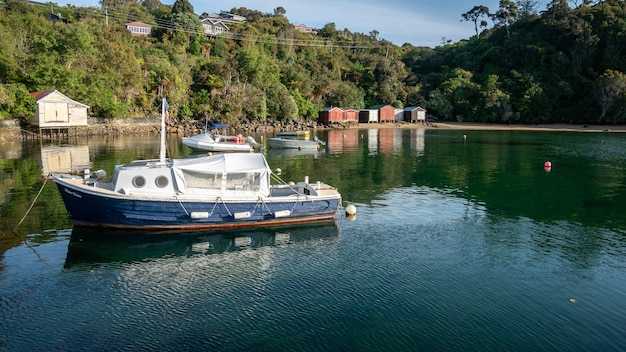
Hire a licensed maritime broker to manage the transfer; their expertise will steer the process toward a smoother handover, and the offering includes a tailored lease-to-own contract that clearly states ownership passes to yourself after the final payment and all conditions are completed.
Initial documents to collect include the vessel’s current title, registration certificate, seller’s ID, proof of address, insurance, and the signed agreements.
Perform due diligence where you think of it as fishing for hidden liens; verify there are no liens, mortgages, or pending disputes, and request a clearance statement from the registry where applicable.
Draft the transfer contract with a precise transfer date, payment milestones, and a clause that ownership will be registered in your name after completion; this clause protects both parties.
Notarize the documents and obtain a sworn Turkish translation if required; this step can be done without friction with a reliable translator.
Registration step: submit the file to the ship registry; your broker’s network will monitor progress and handle communications, assisting you throughout.
Costs to expect: a registration fee, stamps, VAT if applicable, and any transfer taxes; include these in your year budget to avoid revenue shortfalls.
Timeline: in many cases the complete transfer takes 2-6 weeks, depending on document readiness and registry workload; anticipate a wave of paperwork.
Post-transfer tasks: update insurance, notify harbor authorities, and store the new title securely; a completed registration gives you confidence and a clean record.
Final note: lean on the broker’s offering and a strong network; with the right angel-like guidance, you gain confidence, unforgettable service, and a smoother ownership transition.