


 简体中文
简体中文  English (UK)
  Русский
  العربية
  日本語
日本語  한국어
한국어  Magyar
  Türkçe
  Español
  Čeština
  Svenska
  Português
  Ελληνικά
  Suomi
Suomi  Nederlands
  Română
  Italiano
  Français
  Polski
  Українська
  Deutsch
  Slovenčina
  Psychology Tips – How to Avoid Panic When You’re Scared at Sea">

Take a slow, controlled breath for four counts, then exhale for six. This quick technique anchors the body, makes the next steps easier, and helps you breathe with intention during a gust or a surge of fear.
Begin a gradual sequence: taking stock of the situation, then using the following steps. Identify your head position, check for obstacles, and keep your hands on a safe railing. In rough weather, distribute attention to activities and your breathing to prevent overload.
Comfort and rest are not luxuries; they are part of risk management. Sit or lean against a sturdy surface to reduce tremors, loosen any tight gear, and sip water to support health. Short breaks give your heart time to settle; a rest when needed lessens the build-up of tension.
Sound self-critical chatter fades when you replace it with concise, nonjudgmental phrases. Acknowledge fear without judgement: “The fear is here, I am choosing a safe action.” This shift preserves your health and keeps actions coming in a controlled way.
On deck, practical steps matter: confirm the crew’s plan, secure loose gear, and manage halyards calmly. A routine of checking lines and positions reduces surprise factors and creates a sense of control. Paying attention to activities and signals helps you anticipate changes in weather and ship motion.
Visualization can help: imagine the worst result of calm action and rehearse the response. By practicing a few safe moves, you allow fear to fade rather than fuel it. The process begins with a tiny action, and the impact grows, improving your ability to act under stress.
To maintain the mind and body, hydrate, take short rests, and avoid caffeine during storms. Keep a simple checklist of tasks: breathe, check halyards, adjust your stance, and move toward the coming moments with purpose. A steady routine builds 建筑物 momentum and reduces the chance of panic spirals.
Keep a longer view: panic is a physical reaction that comes and fades with practice. After you regain control, review what worked and where you can improve. The goal isn’t perfection, but consistent, small steps that support your health and capacity to act in challenging conditions.
Practical Psychology Tactics to Stay Calm When Fear Hits at Sea
Use a controlled breathing cycle: inhale through the nose for 4 counts, exhale for 6 counts; then repeat for 6 cycles to steady the body and keep thoughts clear. If you think you cannot stay calm, return to the breathing cycle and repeat until your arousal lowers.
In rocky seas, anchor your gaze on the horizon and keep your posture firm. Guide your attention through the breath, the horizon, and the next step to remain aligned and avoid spiraling fear.
Observe thoughts without self-critical judgment: label a thought briefly (for example, “fear”) and then shift back to the breath. This slows the bomb of panic and supports steady performance.
Positive practice matters: rehearse a short plan before you step on deck and repeat it during calm periods; this builds security and boosts sailing performance when pressure rises.
Keep social anchors: quickly brief others on your plan, assign a course of action, and accept help. This shared load delays panic and keeps the crew aligned, anyway.
Tapeka cue: a brief, personal reset (touch chest, breathe deep, and recheck gear) before you react; this deep pause centers you on the priority tasks and supports a calm, safe course.
If fear may befall you during a gust, use the same sequence to regain control: breathe, locate a safe spot, then act on the next small task to keep moving.
Keep the routine and leave panic behind yourself; as you repeat, your sailing performance improves in rough conditions, soon becoming a natural response.
| Step | Action | 说明 |
|---|---|---|
| Breathing | Inhale 4 counts through nose, exhale 6 counts through mouth; repeat 6 cycles | Reduces arousal; maintains focus |
| Grounding | Stand with feet shoulder-width apart; knees soft; grip rail | Creates stability on deck |
| Thoughts management | Label thoughts (fear, self-critical) and return to breath | 防止炸弹般的涌动 |
| 提示词团队 | 向其他人简要介绍计划;给一名船员分配一项小任务 | 分发负载;提高安全性 |
| 塔佩卡球杆 | 停顿,抚胸,深呼吸,重检装备 | 重新聚焦于优先任务 |
通过调节呼吸快速停止惊恐痉挛
现在开始进行箱式呼吸:用鼻子吸气 4 秒,屏住 4 秒,用嘴呼气 4 秒,然后在下一次呼吸前暂停 4 秒。持续 60 秒,以稳定你的神经系统,并转向放松的基线状态。.
膈式呼吸 用腹部代替胸部呼吸。一只手放在腹部,另一只手放在胸部;深吸气,使腹部隆起,然后缓慢呼气,直到腹部落下。重复 5 个周期。.
使其便携:你可以在任何地方执行它 spaces 在船上的甲板、船舱或下方——在不引起注意的情况下。每一次呼吸都会推动自主神经系统走向平静,并更快地控制惊恐痉挛。.
自我对话 技巧:用简短的语句,比如“现在放松”或“平静呼吸”来代替思绪乱飞。这种有针对性的方法在冒险时刻很有效,无论你是在平静的水域还是在汹涌的波涛中。.
经验丰富的和缺乏经验的水手之间存在差异,体现在: situations, ,但核心不变:保持呼吸平稳并保持专注。可能的诱因包括突发噪音、急转弯或强风;你的呼吸可以减缓这种突增。.
当情绪涌动,而你 哭了 或者感到不知所措,首先回到呼吸。来自少数的 经验 在海上及来自 加西亚‘以“实践胜于恐慌”为中心的指导。.
练习计划:进行3轮60秒的箱式呼吸,然后进行5个周期的膈肌呼吸,接着进行1分钟的缓慢呼气,数到6。这种节奏在大多数时候都有效,可以在真正的冒险时刻用来重新获得控制。.
如果出现眩晕或刺痛感,请停止、坐下并补充水分。 只有在稳定后才能继续。 这些技巧对初学者和经验丰富的海员都适用; 它们使您能够从每次体验中学习,并更有信心面对大海。 它们帮助你保持专注; 它们让你觉得你可以在困难的情况下取得进展,而不是让恐慌占据上风。.
用 5-4-3-2-1 感官检查法让自己安定下来
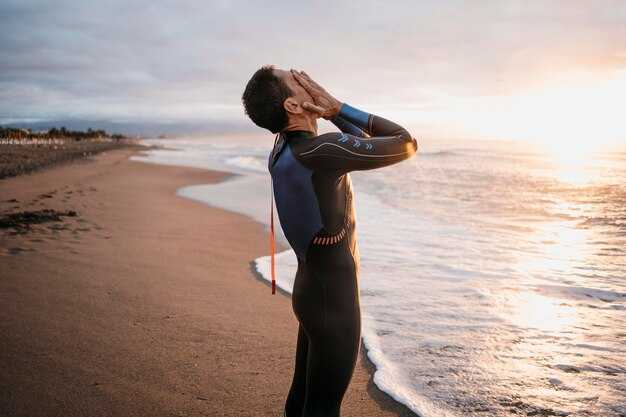
暂停,缓慢地进行一次呼吸循环,并通过这套5-4-3-2-1的航海时刻检查来恢复平静。它通过将你的注意力集中在当下,并将恐惧转化为清晰、可执行的步骤,从而针对恐慌的根源。.
- 你看到的5样东西:地平线、甲板、一根绳子、一个救生圈,船长舵轮。.
- 你感受到的 4 件事:靴子下的甲板,脸上的风,贴身的救生衣,以及逐渐稳定的心跳。.
- 你听到的三件事:船身与海浪的撞击声、引擎声、船员的闲聊或船长的指令。.
- 你闻到的两件事:盐雾和空气中柴油燃料或油的味道。.
- 你尝到的一件事:嘴唇上的盐味,或是因呼吸短促而导致的口干。.
呼吸很重要。用鼻子吸气 4 拍,屏住 2 拍,缓慢呼气 6 拍。重复 3–5 个循环,以平静神经系统并恢复镇定。这种结合了接地和呼吸的方法可以帮助你了解什么是真实的,而不是恐惧所想象的。如果你注意到恐慌再次发生,你将有一个可靠的例行程序可以依靠。.
谈话也有帮助。如果附近的人很冷静,可以与船长或船员简单地确认一下下一步的步骤。应该保持句子简短直接,以避免助长疑虑或自我批评的习惯。如果携带了restube,请放在触手可及的地方;拥有它随时可用这一事实可以增强您在艰难旅程中的信心。 Tapeka——快速、审慎的暂停——可以成为您一次又一次使用的习惯,让您在海上正常而充满压力的时刻保持勇敢和冷静。.
游泳前准备一份简单的水上安全计划
把你的计划弄简单:写下三个步骤,并在下水前与伙伴一起复核。此外,当湛蓝的海洋看起来紧张时,要以奥林匹克级别的冷静来应对。.
- 使用当地警报检查蓝色水域状况、风和潮汐;如果预报显示海况恶劣或水流湍急,请推迟并选择更安全的地点,例如派希亚附近受保护的海湾。确认救生员在场,并在划定的区域内活动。.
- 指定站立或步行可到达的入口和出口点,如果有人需要帮助,请设置清晰的信号。商定一个时间限制和一个在岸上的集合点,以便每个人都待在一起。.
- 准备安全装备:restube、一个小型口哨、一部防水手机和一盏用于黄昏的小灯;另外带上毛巾,并选择力所能及的活动。制定一个在充裕的时间内返回岸边的计划,并与你的伙伴一起演练。.
游泳时,注意观察恐慌症状:心跳加速、呼吸急促、头晕或颤抖。如果发现任何症状,请暂停,仰面漂浮,缓慢呼吸,并发出求救信号。如果看到自己脸上出现征兆,请与同伴进行面对面检查,并保持在可触及范围内。陪伴或监督您的女性应准备好介入,引导您到较浅的水域。.
深海恐惧症会使与海洋相关的事务因恐惧而变得复杂。使用稳定情绪的短语,专注于具体行动,或许可以循序渐进:从浅水开始,然后是短距离,再是更长的练习时间。事先准备可以减少危险反应,并帮助您在已知的三起恐慌案例中更冷静地应对恐惧。记录您体验到的三个症状以及您的反应,以便下次重复好的方法,并从每一步中学习。.
夜间游泳风险更高:如能见度不佳,请避免。如果必须在夜间游泳,请留在光线充足的区域,戴上鲜艳的帽子,保持可靠的照明,并面向岸边。不要去超过手臂能触及的范围,并始终和你的伙伴在一起。.
需要接触水的活动应与您的需求和优势相匹配。如果您注意到耐力或呼吸控制方面的不足,请缩短训练时间、更频繁地休息,并在数周内逐渐增加接触时间。通过周密的计划,您可以获得信心并减少在蓝色水域中恐慌的几率。.
选择易于使用的装备和信号以降低警报
选择易于使用的设备和信号装置,并在舵柄处放一个打开的、清楚标明标签的防水袋,里面装上明亮的信号套件,以便你可以毫不犹豫地取用。包括一个带有快卸系索的哨子、一面小防水镜、一个紧凑型LED手电筒和一个带备用电池的手持式VHF无线电台。这些保护装置帮助你的船员在波涛汹涌的海面上进行沟通,而且当神经紧绷时,这些信号装置也能触手可及。当信号装置易于获取时,就能避免恐慌,你也能更冷静地处理情况。.
练习一个简单的两分钟流程,检查装备和测试信号:指定一个信号引导员,缓慢地执行步骤,并确认每个人都理解提示。这些步骤在练习时很少会失败。这种计划建立了在旅途中穿越风雨时可以依赖的技术。保持演练时间短,以便船员保持专注和舒适。.
在派希亚或其他开放水域区域准备一个现成的工具包,工具包中备用电池和额外的反光板或镜子。标记隔间,保持信号可见,并使用颜色编码的标签,以便您可以快速抓住正确的物品。开放式存取减少了延误,并使您的设置对船员来说简单明了。.
在惊慌时,冷静应对:深呼吸,数到三,缓慢移动双手操作无线电或信号弹等设备。这种方法可以减轻忧虑,降低警报级别,即使在波涛汹涌的狂风恶浪之中。清晰的步骤和稳定的执行带来慰藉。.
健康的计划和舒适感都来自实践;如果在演习中有人摔倒或哭泣,支持他们并迅速恢复。如果有人被推到边缘,工具包可以帮助你保持正轨,船员像一个整体一样工作。开放的沟通、简单的信号和持续的演习可以为远离海岸建立信心。.
Establish a Supportive Buddy System for Safety and Confidence
Pair up with a buddy before you leave the shore and lock in a personal safety plan. Decide who leads the monitoring and who speaks up first when you notice symptoms such as rapid heart rate or confusion. Establish clear roles to save time and build confidence in rocky conditions. Your buddy knows your limits and can tell when your health or mood shifts, so you can act together to stay safe.
Assign roles that should stay consistent: one is the lookout, the other tracks approaching changes in mood, breathing, or balance. Use a simple talk-first signal to tell your partner when you feel overwhelmed. Notice any change in breathing or posture and address it immediately. Stay within sight of their sails to maintain orientation, and a quick phrase, perhaps “I need help,” keeps communication direct.
Practice makes the system reliable. Use calm-water sessions to rehearse signals, check-ins, and who steps in when symptoms appear. As one said, sharing stories of coping under stress deepens learning and helps you view safety more clearly; soon you will feel more confident, and the bond grows deeper. The aim is comfortable, direct communication that reduces spin or panic when a real moment of fear arises.
Set a concrete cadence: check in every 15 minutes, review what went well, and outline the next move. Like a second crew, these two should function with clear roles. Differences in experience or nerves should be acknowledged with respect and patience; a great buddy system adapts to each partner’s needs. This approach keeps the two as a team rather than isolated individuals, helping both feel comfortable and ready for the next task.
In a crisis, the buddy should step in immediately: maintain a steady course, reduce speed, and guide the other toward a safer position. If one is thrown off balance, the partner takes the helm and keeps the other within reach; this simple sequence helps save the moment and protects both health and confidence. By sharing responsibility, each person gains a sense of control and a deeper trust in the other.
Next, review after each outing: what helped, what to adjust, and what to practice before the next trip. Keep a written personal note of lessons learned and update the plan. With consistent practice, the buddy system becomes a natural reflex that supports their health and safety even in a spin or storm.