


 简体中文
简体中文  English (UK)
  Русский
  العربية
  日本語
日本語  한국어
한국어  Magyar
  Türkçe
  Español
  Čeština
  Svenska
  Português
  Ελληνικά
  Suomi
Suomi  Nederlands
  Română
  Italiano
  Français
  Polski
  Українська
  Deutsch
  Slovenčina
 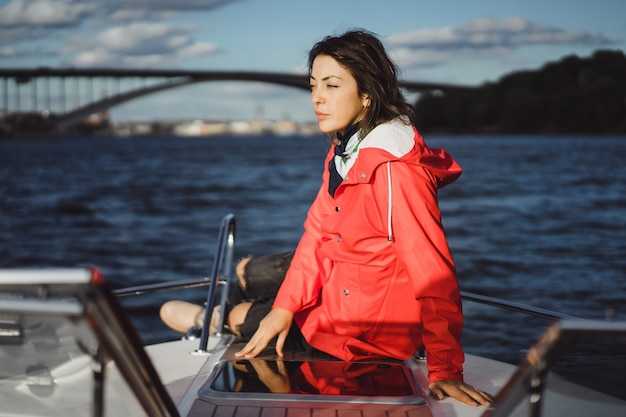 Plan the Perfect Boating Vacation – Essential Tips for a Stress-Free Charter Experience">

Choose a charter with a legitimate operator and a transparent safety plan to boost your confidence and comfort from the first booking. A clear itinerary minimizes risk and sets expectations for everyone on board.
Match the boat size to your group for high comfort and enough cabin space; prioritize stable handling for seaside trips and smooth mornings on the water.
Plan a flexible route with a reliable compass, day-by-day targets for exploring new coves, and time built in for enjoyable anchor breaks. Keep operation simple by agreeing on roles before you depart.
Here, they will appreciate practical steps: share the itinerary with everyone, assign tasks for safety and gear loading, and check weather daily. This builds confidence and makes the trip something you’ll love.
To keep balance, keep the route adaptable to weather and local tides. Have a few backup moorings in sheltered bays here, and never miss a chance to pause for swimming and shoreline exploration. This makes the trip enjoyable and gives you more time to explore the coast.
Document what works for each day and yourself to refine for future trips. By following these steps, you get a smooth operation and a memorable, stress-free escape along the seaside in 国家 you choose to visit.
Plan the Perfect Boating Vacation: Tips for a Stress-Free Charter Experience; 7 Effortless Ways to Have a Truly Relaxing Holiday
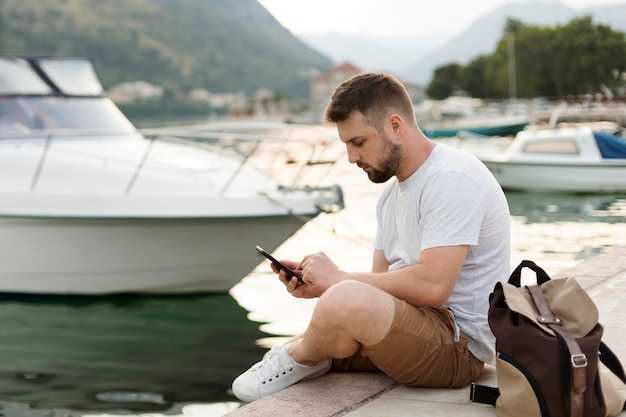
Book a croatia or greece charter well in advance; once you lock dates, compare routes that keep hops short and marinas close, so you can board confidently and start your trip with minimal stress.
Tip 1: Keep hops short and predictable for a steady rhythm on deck. Plan 2–4 hour sail days around the islands, choose a rugged coast that gives you scenic views, and lock in a late afternoon anchorage for a dip. Forget long days on the wheel; your feeling of bliss grows when you maintain a calm pace.
Tip 2: Pack a smart personal items kit with a compact bag for on-board access: sunscreen, hats, a light layer, and a few favorite items for kids. Keep a separate bag for cycling gear or shore excursions so you’re prepared for trips ashore without digging through lockers.
Tip 3: Create simple routines for kids on board with clear meal times, short land excursions, and a daily activity list that you both are dreaming about. A flexible plan around shore visits helps you find balance between sail and rest, with you having time for reading or a quiet moment on deck.
Tip 4: Prioritize safety and consent on every activity by briefing the crew about life jackets, harnesses, and swim rules. Keep locks on cabin doors to protect belongings, and confirm consent before any swim or climb ashore so the group stays comfortable and stress-free.
Tip 5: Leverage online catalogs and port updates to map a smooth route, estimate the amount of fuel and berthing fees, and book marinas with washing and laundry facilities. Having a clear plan reduces surprises and keeps your trip within budget, delivering a sense of freedom on the water.
Tip 6: Build relaxing moments into every day with a short sail, a calm morning coffee, and a watch of the sunset. Have a portable speaker, a weighted blanket, and a soft playlist to create a feeling of bliss; take a break on deck when the body signals you to slow down.
Tip 7: Treat it as a true getaway and capture memories online or on a journaling app. Share updates with friends, download your favorite tracks, and store keepsakes in a small catalog of your trip. When you return, have a quick debrief to secure personal notes for future trips.
Practical Steps for a Calm Charter
Begin with a 2-hour prior briefing that covers routes, forecast windows, and provisioning to keep your charter stress-free.
Plan like a clock: align hours, minutes, and rest to keep momentum on the water.
Forecasting reliable weather, check wind, tides, and rain patterns, then map a sun-drenched main route with flexible alternatives to stay on time.
Prioritize safety by enrolling your crew in quick safety courses and rehearse basic drills before you cast off, so everyone feels prepared.
Draft a time-aware itinerary that stays on a day-by-day rhythm, with measured segments along rivers or coasts in the americas, and plan stops where you can enjoy local cuisine and rest.
Keep a simple tape on the wall with critical data: weather window, next waypoint, and provisioning notes, so you can glance up and stay calm.
Build in buffer hours for meals, refueling, and dock time to preserve freedom on the water and avoid rushing the main schedule.
Track spending with a basic ledger and adjust plans if forecasted conditions shift more than a few hours, ensuring nothing sneaks up on you.
Leverage like-minded support networks in the states and other americas destinations to share routes, safety tips, and recommended courses.
With these steps, you’ll feel in control of time, budgets, and mood, turning a charter into a stress-free, sun-drenched escape.
| Task | Recommended Hours | 说明 |
| Pre-charter briefing & safety | 2 | Forecasts, routes, provisioning |
| Safety courses | 2 | Crew drills before going aboard |
| Provisioning & cuisine stock | 3 | Local items, refrigeration check |
| Forecasting check | 1 | Wind, tides, rain windows |
| Itinerary planning | 2 | Rivers and coast segments in americas; state stops |
Choose Your Charter Type: Bareboat, Crewed, or Cabin, and Confirm License Requirements
For a first charter, pick a Crewed option in greece to cruise with a captain, enjoy exciting exploring, and plan a flexible itinerary without license headaches.
Use your store and website to compare options; choosing the right path starts with this checklist and helps your plan stay thorough and your family feel confident on board.
-
Bareboat
- What it is: You navigate, dock, and run daily plans with your own crew or family.
- License and experience: In greece, present a valid certificate of competence (ICC or national equivalent) and recent sailing hours; if credentials don’t cover the boat, a licensed skipper will be required.
- Who it suits: Experienced sailors, couples, or families who want hands-on control and a body of cruising memories built to your tempo.
- Tips: Verify safety gear and insurance, confirm the boat’s gear list, and keep a simple plan for emergencies; bring copies of licenses to the store when you reply with questions.
-
Crewed
- What it is: A captain and crew handle navigation, docking, and day-to-day operation; you focus on the feel of the sea, swimming stops, and onboard service.
- License and experience: Guests aren’t required to hold a license; the crew takes care of every operation and compliance.
- Who it suits: First-time charters, families with children, and travelers seeking premium service and a stress-free escape.
- Tips: Check the crew’s credentials and language, confirm daily schedules, and discuss meal options; use the store’s reply channel if you need specifics before you book.
-
Cabin
- What it is: A shared or semi-private option with a skipper and crew delivering smooth operation; you join a small group on a single boat.
- License and experience: You generally won’t need your own license; the operator provides a captain and supports safety on every leg.
- Who it suits: Budget-minded families and groups who want to explore together while keeping an outdoors focus.
- Tips: Clarify daily routes, swimming stops, and kid-friendly activities; verify whether meals are included and how port visits are handled.
Final note: Before you book, map your plan around weather windows and port calls; bring your plan on the trip and keep your family in the loop so everyone enjoys the body of the voyage.
Draft a Realistic Itinerary: Distances, Weather Windows, and Anchor Points
Start with a concrete plan: plan a 3-day Saronic Gulf loop with daily legs of 18–22 nautical miles, anchor at two sheltered anchor points each day, and keep a calm pace to unwind by sunset. Let the interests of children and other boaters guide the routes, and load a simple catalog of itineraries so you can adjust on board.
Example day-by-day routes for Greece: Piraeus to Aegina: 18–22 nm; Aegina to Poros: 12–18 nm; Poros to Hydra: 8–15 nm; Hydra back to Piraeus: 20–25 nm. These small hops keep speeds under control, offer many anchor opportunities, and once you reach each stop you can swim, snorkel, and stretch before dinner.
Weather windows and timing: spring and autumn provide steadier conditions; in peak summer, plan departures at 6:00–8:30 a.m. to catch light air and reach your first anchor point with minimal swell. By late morning the wind often builds along exposed shores, so be in calm shelter by noon.
Anchor points and safety: choose two protected coves per night with good holding in sand or gravel, 5–12 m depth, and a bottom that holds; verify forecast waves and squalls; use the compass to confirm a safe track when maneuvering near moorings; keep a short mooring line and a backup anchor ready; if you have children on board, ensure easy access to life jackets, a kid-friendly space, and smooth engine operation before each leg.
Packing and gear: build a practical packing list that covers clothing, hats for sun, sunscreen, water, snacks, spare parts, safety gear, and a basic service kit for the engine; remember to keep the deck tidy and to prepare a quick plan for washing dishes and personal cleanup so the crew can feel calm.
Greece notes and family fun: rugged coastlines and many coves invite easy anchoring; having children on board means shorter hops, frequent swims, and activities aligned with interests; board time at each stop helps you forget stress and adjust plans; if you grill, follow local fire rules–on shore and on island trails, many sites prohibit open flames.
Pack Smart: Must-Have Provisions, Gear, and Space-Saving Strategies
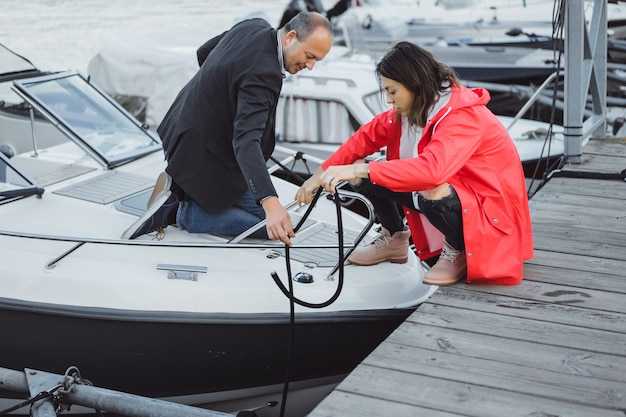
Pack a single, clearly labeled checklist of 30 items you will truly need on board. This plan lets you stay organized, avoiding overpacking and last-minute scrambles. Have a personalized list for every charter, especially tropical itineraries and trips with children. Having this list in a waterproof notebook or on a phone note keeps you looking calm and maintaining a calming rhythm aboard.
Provisions and safety stack in a labeled, watertight bin near the galley. Stock 1 gallon of water per person per day, shelf-stable meals for 3–4 days, and high-energy snacks such as nuts, dried fruit, and granola bars. Add a compact cooking kit, a kettle, and a reusable mug for hot drinks. Include a first-aid kit, sunscreen, lip balm, and a small seasickness kit for some travelers. Check that a fire extinguisher is mounted within reach and replace batteries for flashlights, headlamps, and radios regularly; keep spares in a dry bag away from direct sun. Verify where to store valuables and electronics to protect them from spray. Keep a brief note about storage rules with the bin so everyone knows where items live.
Space-saving gear streamlines deck operations. Choose compact, multi-use items: a lightweight life vest, a portable lantern with USB charging, and a compact multi-tool. Use packing cubes and vacuum bags to maximize cabin space; roll clothing instead of folding; pack outfits into labeled dry bags by category. Place emergency gear in a waterproof locker near the cockpit, and move non-essentials to overhead bins to keep the deck clear during charters. For tropical runs, keep a small, weatherproof bag with rain gear and a spare set of clothes.
Kids onboard: create a dedicated mini-kit with a favorite blanket, a few quiet games, sun hat, and a snack stash to prevent mood swings. Pack a simple calendar or picture book to help children look forward to the voyage. Store personal items such as medications in a separate, clearly labeled pouch to avoid mix-ups on board. Keep a small nightlight or calming music player to help children sleep, especially on longer passages.
Before departure, run through the list of what to pack and remind yourself what to forget. Verify battery levels and carry spares for essential devices. Place items where they are easy to reach in rough seas and away from heat sources. If you share this plan with subscribers, tailor the list to vessel size and itinerary, and reuse it in your marketing materials as a practical guide. A simple digital copy on your phone keeps a backup for bad weather or a sudden rain shower, letting you escape clutter and stay organized. Remember to label items clearly and keep an eye on how much gear fits in your storage zones, so you can maintain space for personal belongings and gifts for the crew.
Boost Onboard Comfort: Sleep Arrangements, Climate Control, and Noise Reduction
Take a stable sleep setup: install a 2.5 cm memory foam topper on every berth, add a compact neck pillow, and hang privacy curtains to create a quiet nook. This combination provides the best rest, especially when waves roll and the boat moves. Here, place anti-vibration mats under mattresses to cut engine and hull noise, addressing the источник of disruption. Keep jackets within reach for quick warmth when the night air cools.
Set the cabin thermostat to 22°C overnight, and run a low-speed fan to circulate air without drafts. Close vents toward the sleeping area to keep the climate steady, and use blackout curtains to block early sunlight that can wake you. Forecasting the weather and sea state helps you plan, so pre-cool during the day and have a lightweight throw ready for cooler nights. Always test your adjustments before departure.
To dampen noise, add soft deck padding around the berth perimeter and use earplugs or a white-noise app at a gentle level (about 30-40 dB). Whether going to bed or simply unwinding, this setup helps your mind unwind. This approach gives you assurance that sleep won’t be disrupted by sudden vibrations or engine rumble.
Position matters: choose a midship, lower-deck berth that stays steadier in rough waters. If you can, use anchoring features or anti-roll mats to minimize motion. Keep a few jackets nearby in case the night air shifts, and listen to your body; regardless of the forecast, a calm space helps you sleep. Depending on the voyage length, you can adjust blankets and storage to suit.
Education matters: share this checklist with guests, so the crew knows how to create the bliss of sleep on board. Have plenty of spare sheets, blankets, and a compact night-kit, and keep an amount of extra blankets on board for sudden temperature swings. Practice a simple wind-down routine before departure to set expectations, and to getaway without stress.
Food and drink tip: reserve heavy meals for earlier in the day and keep evening cuisine light, avoiding late caffeine or alcohol to reduce wakefulness. Plan hydration with a little water accessible at night, and consider a light snack if you wake. These steps support a deeper sleep regardless of motion or heat.
Prioritize Safety and Paperwork: Briefings, Insurance, and Equipment Checks
Hold a pre-departure safety briefing 60 minutes before launch and verify that every member understands roles, signals, and muster points. Keep a concise, printed checklist on board for easy reference during sun-drenched hours on the water; this practice boosts confidence and keeps the trip under control.
Briefings
- Lead a 60-minute briefing for all crew and guests; cover man overboard (MOB), PFD fit, engine cut-off switch, and muster points; assign a lookout and a navigator, ensuring ones on deck know who to follow.
- Distribute a legitimate safety list with emergency procedures and contact names; provide источник for weather and navigation data so decisions rest on reliable sources.
- Practice a MOB drill using a buoy or crew member; rehearse recovery with a throw rope and a ring buoy, keeping the responder focused and ready.
- Review weather updates at departure and every 6–8 hours; set timing for reassessment and be prepared to alter the plan if conditions shift.
- Record assignments on a little list and require at least one signature from each member; keep the list on the console as a quick reference during the trip.
- Keep tape on hand to secure loose hatch panels or lines; carry a paddle as a backup in case propulsion or maneuvering options change.
保险
- Verify hull, liability, medical evacuation, and towing coverage; confirm geographic scope matches your waters and the routes you plan to sail, with clear policy limits and claim procedures.
- Bring the policy number and insurer contact on board in a waterproof pouch; keep a digital copy handy and ensure someone can quote details in an emergency.
- If you charter, confirm the vessel’s insurer and the charter company provide appropriate coverage for passengers and crew; clarify who handles claims and repairs on site.
- Obtain a printed or emailed certificate of coverage that lists 24/7 emergency assistance and the steps to take if a trip is interrupted.
Equipment checks
- Life jackets: verify Coast Guard approval, proper size for each person, and no wear or tears; keep an extra jacket for a child or guest if needed.
- Throwable device: ensure a ring buoy or cushion is accessible, with a bright line and in good condition; verify near-deployment distance from the helm.
- Fire extinguisher: check gauge to full, verify last service date, and ensure mounting is secure; have at least one extinguisher per 25 feet of boat length if applicable.
- Signaling devices: test the horn or whistle, keep a flashlight or LED lantern ready, and check expiration dates on flares or signal rockets.
- VHF radio: test transmission on channel 16, confirm batteries are charged, and keep a backup handheld radio accessible on deck.
- Navigation lights: inspect bulbs or LEDs, replace dim lamps, and verify power from the battery or power source.
- Bilge pump and float switch: run the pump, confirm discharge path, and ensure battery is charged and connections are clean.
- First aid kit: refresh supplies, check medications, and add antiseptic wipes, bandages, and sun protection items for a short trip.
- Tools and spare parts: carry duct tape, zip ties, a multi-tool, spare fuses, and a small repair kit in a dry box.
- Anchoring gear: inspect the anchor, rope, and fenders; ensure the line length is sufficient and the anchor chain is free of kinks.
- Fuel and water: confirm fuel levels for planned distance, keep an extra can if long crossings are anticipated, and store enough water for the crew during hot days.
- Emergency equipment for small craft: paddle as backup to propulsion when needed; verify you can deploy from a cockpit or stern area.
- Hydration and sun protection: keep sufficient water, sunscreen, hats, and sunglasses within easy reach of the helm for peak sun exposure during the high, sun-drenched hours of your vacation.
источник
These checks give boaters confidence, help you feel prepared, and support unforgettable experiences on the world’s waters. By choosing to follow a legitimate routine, you reduce spending on surprises and protect every member of your crew, from the captain to the newest guest.
That simple discipline creates freedom on your trip, letting you focus on the moments you’ll find most memorable and spend quality time with those you care about. If you keep this list handy, you’ll find it easy to maintain safety without slowing your pace, and your vacation will shine with confidence and well-timed decisions.