


 简体中文
简体中文  English (UK)
  Русский
  العربية
  日本語
日本語  한국어
한국어  Magyar
  Türkçe
  Español
  Čeština
  Svenska
  Português
  Ελληνικά
  Suomi
Suomi  Nederlands
  Română
  Italiano
  Français
  Polski
  Українська
  Deutsch
  Slovenčina
  How a wider workforce keeps boats afloat">

Yards across the UK are reporting longer lead times for repairs and rising labour costs as the pool of skilled wooden boatbuilders tightens, creating knock-on effects for supply chains, parts logistics and berth availability in marinas serving the charter and rental markets.
The logistics of skills and the charter fleet
Repair delays disproportionately affect boats used in the leisure industry: charter fleets, rental boats and seasonal hires depend on quick turnaround times. When specialist skills are scarce, captains and marina managers face scheduling headaches, spare-parts shipping becomes more urgent and operators must either pay premium rates or decline bookings. In practice, that means fewer boats available for 帆船 charter, higher costs for 船 hire and more pressure on marinas during peak season.
A shifting demographic on the slipway
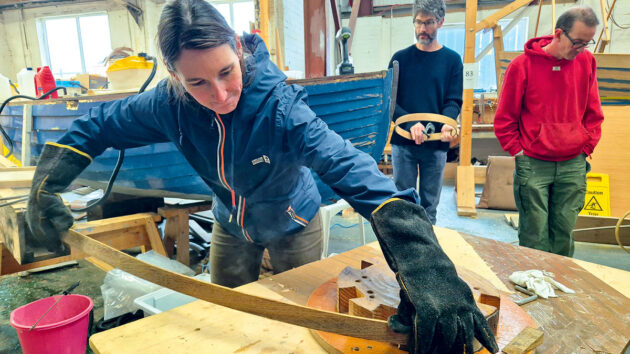
Recent intakes at institutions like the Boat Building Academy show an increase in women trainees, changing the staffing profile in workshops and yards. Accounts from Lola Morgan, alongside input from Abbey Molyneux and Women in Boat Building (founded by Belinda Joslin), point to a slow but steady diversification. That broader workforce helps keep traditional craft skills in circulation, which in turn protects the viability of wooden-boat restoration, sales and long-term maintenance for charter and private owners alike.
Routes into the trade
There is no single path into boatbuilding. Common routes include:
- Hands-on ownership: fixing problems on a personal 船 或 帆船 leads to deeper learning.
- Woodworking and engineering backgrounds transferring skills to marine contexts.
- Apprenticeships and short courses providing structured access to the trade.
- Career changers bringing project management and operations experience to yards.
| Route | Typical duration | Strengths | Ideal for |
|---|---|---|---|
| Short courses | Days–weeks | Quick skill pickup, focused techniques | Owners and hobbyists |
| Apprenticeships | 1–4 years | Depth, on-job training, career progression | Future yard staff, long-term careers |
| Self-led projects | Ongoing | Problem-solving, hands-on confidence | Independent restorers, rental-boat owners |
Workshop practice: brains over brawn
The perception that boatbuilding is purely physical still lingers, but modern yards leverage jigs, hoists and mechanical advantage to manage heavy loads safely. Traditional skills — steam bending, scarfing planks, splicing lines — all require measurement, planning and a feel for materials more than brute force. That shift makes the trade accessible to a wider range of people and helps ensure consistent quality in repairs and refits for charter fleets and private owners.
Communities and mentorship
Initiatives like Women in Boat Building provide networks, mentoring and visibility. Regular socials, peer support and informal mentoring reduce early-career intimidation and make it easier for newcomers to “learn the ropes.” The result is better retention and a more reliable pipeline of skilled workers — which benefits everyone from the solo boat owner on a lake to the operator running a fleet of sunseeker-style hire boats on the gulf.
Preserving practical knowledge
Events such as the Wooden Boat Stage at the Southampton Boat Show demonstrate techniques from rope splicing to joinery and underline that traditional and modern methods coexist. Keeping these skills alive prevents owners being advised to replace rather than repair, safeguarding authentic restorations and the market for classic boats — an important consideration for resale value and charter appeal in desirable Destinations.
- For charter operators: fewer days out of service and reduced emergency haul-outs.
- For marinas: smoother scheduling, fewer berth conflicts and more predictable servicing.
- For owners: better-informed advice about repair vs replacement and longer service life for timber craft.
Retention remains a sticking point: clear career paths, competitive pay and recognition of craftsmanship are all needed so skilled workers stay in the trade. Yards such as Spirit Yachts are already showing how investment in people keeps quality high and supply chains stable for both new builds and refit work.
Implications for sailing, charter and rentals
A broader, better-trained workforce reduces downtime and supports the whole ecosystem of 游艇, from boutique 超级游艇 refits to small 船 rentals on a lake or coastal 滨. Captains benefit from reliable yard partners; charter companies can maintain schedules; marinas see fewer emergency removals. In short, when the tradespeople who keep hulls and systems sound are plentiful, the options for rent, sale and on-water activities multiply — and customers get to enjoy 海运, ocean 和 gulf cruising without constant interruption.
To wrap up: expanding access to boatbuilding through apprenticeships, short courses and community networks preserves vital skills, shortens repair lead times and supports the charter and rental economy. A diverse workforce keeps wooden and traditional craft serviceable and affordable, benefits marinas and captains, and protects the resale market for yachts. In practical terms, that means more boats available for charter and rent, healthier marinas, and a stronger future for 帆船 和 船 owners who value the beach-to-lake-to-ocean lifestyle — from superyacht refits to small fishing and clearwater day trips.