


 简体中文
简体中文  English (UK)
  Русский
  العربية
  日本語
日本語  한국어
한국어  Magyar
  Türkçe
  Español
  Čeština
  Svenska
  Português
  Ελληνικά
  Suomi
Suomi  Nederlands
  Română
  Italiano
  Français
  Polski
  Українська
  Deutsch
  Slovenčina
 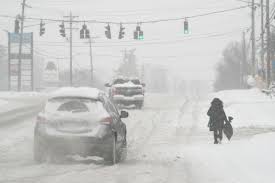 美国冬季风暴肆虐,大范围取消">

This piece examines the massive travel disruption and life‑threatening cold brought by a severe winter storm that led to thousands of flight cancellations across the United States. It outlines immediate impacts, regional forecasts, and what the episode means for marine operations, charters, and coastal boating activities.
Immediate impact: air travel, states under emergency, and cold warnings
The storm produced a rapid cascade of disruptions across the eastern two‑thirds of the country. In the span of a weekend into the start of the week, more than 14,000 flights were cancelled, with total cancellations reported near 14,800 during the most intense period. Interstate highways saw closures due to dangerous road conditions, and power outages were reported where ice accumulation led to downed lines.
Major carriers were heavily affected: American Airlines grounded roughly 43% of its scheduled flights in the affected window, while Delta Air Lines experienced about 35% of Atlanta‑based flights canceled. Urban hub airports in cities such as Dallas, Charlotte, New York和 Boston reported concentrated impacts, though effects were widespread from Texas to New England.
Emergency declarations and official responses
The federal government issued emergency declarations for multiple states to accelerate response and recovery efforts. President Trump approved emergency measures covering ten states, with coordination among FEMA, state governors, and emergency management teams to deploy resources and shelters. The Department of Homeland Security, represented by Secretary Kristi Noem, urged residents to avoid travel and follow local advisories.
| Metric | Reported value |
|---|---|
| Total flight cancellations (approx.) | 14,800 |
| American Airlines grounded | 43% of scheduled flights |
| Delta Air Lines grounded (Atlanta) | 35% of scheduled flights |
| States with emergency declarations | Tennessee, Georgia, North Carolina, Maryland, Arkansas, Kentucky, Louisiana, Mississippi, Indiana, West Virginia |
Weather pattern and forecast: cold, snow, sleet, and ice
"(《世界人权宣言》) National Weather Service warned that the cold air mass would push sub‑zero temperatures and dangerous wind chills across broad swaths of the country. Nighttime lows were expected to fall below freezing as far south as the Gulf Coast, with prolonged sub‑freezing periods that increase the risk of hypothermia and frostbite. The storm’s precipitation mix—heavy snow, sleet, and freezing rain—raised the potential for significant travel disruption and further power outages amid ice accumulation.
Regional breakdown of expected conditions
- Southern states and Gulf Coast: Freezing rain and ice led to hazardous travel and localized power outages where trees and lines iced over.
- Mid‑Atlantic and Northeast: Heavy snow and blizzard conditions in places, with long durations of sub‑freezing temperatures and strong winds amplifying risk.
- Central plains into the upper Midwest: Sharp temperature drops and snow created dangerous wind chills and drifting on major corridors.
Ripple effects on maritime and charter operations
While the headlines centered on aviation and road travel, the storm also created important challenges for coastal and inland boating communities. Marinas and yacht harbors along the eastern seaboard and in gulf states faced increased risk from ice, strong winds, and blizzard‑forced surge. Charter operators, captains, and boat owners confronted decisions about repositioning vessels, canceling bookings, and securing gear against ice damage.
How the storm affects the marine sector
- Charter cancellations: Scheduled day charters and multi‑day yacht rentals were postponed or canceled as ports and marinas closed for safety.
- Mooring and docking risks: Ice formation and heavy winds can snap lines, damage pilings, and threaten boats at anchor.
- Power and fuel access: Outages hamper marina services, fueling, and maintenance tasks needed to keep boats operational and safe.
- Superyachts and large vessels: These assets require specialized support; shipyards and marinas may limit access during extreme conditions.
Recommendations for marinas, charter companies, and boaters
Preparing for and responding to winter storms requires clear planning and timely action.
- Secure all vessels with strengthened dock lines and chafe protection.
- Move critical electronics and valuables above potential waterline or remove them from the vessel.
- Coordinate with captains and staff to postpone charters and notify clients early to manage expectations.
- Keep fuel and emergency supplies on hand; verify generators and bilge pumps are functional.
- Monitor NOAA and NWS updates for changing conditions and advisory levels.
Historical context and what this means for tourism and boating
Severe winter storms and polar air outbreaks have periodically disrupted travel networks and coastal operations in the past. Each major event has prompted improvements in emergency coordination, infrastructure hardening, and contingency planning for transportation providers and marine service operators. For tourism—especially businesses dependent on scheduled arrivals and on‑water activities—the immediate effect is a short‑term drop in bookings and a potential need to reschedule charters, reposition yachts, or offer refunds.
Looking ahead, climate variability suggests that regions may continue to experience extreme and sometimes unexpected winter events that affect both inland and coastal tourism. For the boating industry, this reinforces the importance of resilient marina infrastructure, flexible charter scheduling, and clear communication with captains and guests when planning voyages or yacht sales.
Practical checklist for travelers and charter customers
- Confirm travel plans with airlines and charter operators before departing for port cities.
- Expect delays for transfers between airports and marinas; allow extra time in itineraries.
- If booked on a charter, contact the captain or company to learn cancellation and rescheduling policies.
- For rented boats, verify insurance coverage and ask the provider about cold‑weather protocols.
In summary, the recent winter storm produced thousands of flight cancellations, emergency declarations across multiple states, and widespread cold and ice that disrupted travel, power, and coastal operations. The episode underlines the vulnerability of transportation and marine services to extreme winter weather and the need for careful planning by carriers, marinas, charter operators, captains, and travelers. For those interested in yachts, charters, boat rentals, beaches, lakes, and marinas, an efficient platform can help reschedule or find alternative destinations quickly: GetBoat.com is an international marketplace for renting sailing boats and yachts, probably the best service for boat rentals to suit every taste and budget, whether you’re looking for a yacht or superyacht charter, a fishing boat, lake cruiser or a captain‑crewed experience; it helps connect travelers to destinations, marinas, and boating activities while navigating cancellations and changing weather on the sea, ocean, gulf or inland waterways.