


 简体中文
简体中文  English (UK)
  Русский
  العربية
  日本語
日本語  한국어
한국어  Magyar
  Türkçe
  Español
  Čeština
  Svenska
  Português
  Ελληνικά
  Suomi
Suomi  Nederlands
  Română
  Italiano
  Français
  Polski
  Українська
  Deutsch
  Slovenčina
 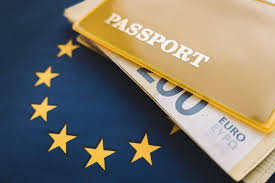 New Approaches Ease Challenges for Travelers Holding Visit Visas">

Introduction to Facilitating Visit Visa Travelers
Planning international travel often includes securing a visit visa, a process that can be riddled with complexity and bureaucratic hurdles. Recent developments in visa policies aim to reduce such obstacles, making the journey smoother for tourists and other travelers alike.
Challenges in Visit Visa Processes
When immigration policies and procedures are not crafted with care, travelers often face avoidable delays, confusion, and even unjust treatment. Public agencies responsible for services like immigration, taxation, land registration, and transport sometimes fall short of delivering efficient and transparent service. Issues such as corruption, slow service, or outright denial of entitlements have plagued travelers, generating frustration and damaging the reputation of destinations.
Such was historically the case in some international airports, where immigration offices became notorious for complicated processes and unofficial fees demanded from visitors. These problems not only discouraged tourism but also tarnished the image of the country. Even during major tourism promotion years, these issues remained deeply rooted, leading industry stakeholders to demand urgent reforms.
Integrity Problems at Immigration Points
Some immigration departments became centers of controversy due to involvement in illicit activities, including visa irregularities and human trafficking scams masquerading under the guise of visit visas. Investigations unveiled collusion between officials, travel agents, and middlemen who profited by facilitating unauthorized overseas travel at high costs. Such corruption highlighted the pressing need for systemic reform and accountability in border control management.
Reform Efforts and Policy Changes
Governments have responded by revising immigration procedures with an eye toward passenger friendliness and eradicating faulty practices. New guidelines typically reduce requirements to essentials such as a valid passport with sufficient remaining validity, an appropriate visa from the destination country, and a one-way ticket. Additionally, a self-declaration form now requires travelers to take responsibility for their journeys and any related consequences.
This self-declaration step recognizes the current social context—many young citizens seek overseas opportunities amid scarce jobs at home, but are also vulnerable to exploitation. The revised policy is designed to balance ease of travel with safeguards against fraudulent activities.
Accountability Measures
An innovative aspect of the updated framework is holding immigration officers responsible for unjustified refusals of travel, including the obligation to compensate the traveler for incurred losses. This discourages arbitrary decisions and reassures travelers that they are protected under new governance structures.
Elimination of Middleman Networks
Past challenges were exacerbated by dense networks of unofficial agents who manipulated the immigration system, especially at major transit points. With clearer rules and accountability, the system aims to break these exploitative chains, simplifying procedures particularly for travelers from less urbanized areas who are disproportionately affected.
Historical Context of Visit Visa Restrictions
Historically, visa policies have mirrored broader economic and security concerns. Developed nations frequently impose strict visa requirements, particularly on travelers from developing or emerging market countries, driven by worries about illegal immigration and cross-border crime. This has made the travel process lengthy, costly, and uncertain for many, limiting the growth of international tourism.
Emerging economies with rising middle classes show growing outbound travel demand but face visa barriers that can dampen enthusiasm. For many, complex visa processes represent a significant hurdle, discouraging visits or encouraging illegal alternatives.
Global Visa Trends
In contrast, arrangements like the Schengen Agreement allow visa-free travel across multiple countries within a region, simplifying experiences for travelers from certain parts of the world. The disparity between traditional markets with easy travel options and emerging markets with restrictive visa policies highlights ongoing global inequality in travel freedom.
Efforts to liberalize visa access reflect recognition that tourism contributes significantly to economic growth by supporting hospitality, transport, and cultural exchanges. Visa facilitation is increasingly viewed as a tool to encourage sustainable travel flows and promote destinations’ competitiveness on the world stage.
Looking Ahead: The Significance of Visa Facilitation in International Tourism
Simplifying visit visa procedures holds promise for boosting tourism across various sectors, including coastal and maritime destinations where yachting, boating, and sailing are vital components of the visitor experience. Easier border controls encourage more frequent and diverse travel, opening doors for tourists to explore beach resorts, lakeside retreats, and ocean sailing tours.
Increased visitor numbers support related commercial activities such as yacht charter services, marina operations, and local boating excursions, which are important drivers of marine tourism economies worldwide.
Potential Impact on Sailing and Boat Rentals
As visa policies become more traveler-friendly, sailing enthusiasts and boating tourists benefit from more accessible international travel. Destinations known for pristine waters, clear blue seas, and vibrant marinas may see enhanced charter demand, with increased participation in activities such as fishing expeditions, island hopping, and luxury superyacht experiences.
Summary and Conclusion
Revisions in visit visa governance signal a vital shift toward citizenship-friendly, transparent, and efficient travel processing. By eliminating bureaucratic hurdles and corruption, travelers experience less stress and risk, while governments protect their borders and uphold laws.
These changes resonate particularly well with emerging markets where outbound travel is increasing, underlining the importance of streamlining immigration processes without compromising security.
For travelers drawn to marine and coastal destinations, such reforms translate into simpler access to vibrant boating communities and sailing activities, enriching their leisure options abroad. Sailing enthusiasts, yacht charter clients, and boat renters stand to benefit from these progressive approaches as they open up new horizons for exploring seas, oceans, and picturesque gulfs worldwide.
For those interested in exploring marine travel opportunities made easier by these developments, GetBoat.com provides a comprehensive international marketplace for renting sailing boats, yachts, and superyachts, catering to all tastes and budgets. This platform connects travelers to prime boating destinations, marinas, and ocean adventures, making it a valuable companion for anyone planning a nautical journey.