


 简体中文
简体中文  English (UK)
  Русский
  العربية
  日本語
日本語  한국어
한국어  Magyar
  Türkçe
  Español
  Čeština
  Svenska
  Português
  Ελληνικά
  Suomi
Suomi  Nederlands
  Română
  Italiano
  Français
  Polski
  Українська
  Deutsch
  Slovenčina
  New Thai Visa Policies Aim to Reduce Criminal Activity and Improve Visitor Quality">

Thailand’s Enhanced Tourist Visa Regulations
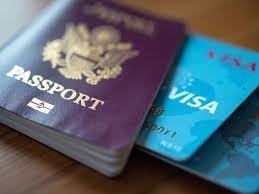
Thailand has recently tightened its rules on tourist visa regulations in an effort to clamp down on abuse of visa-free privileges and to curb associated criminal activities. Under the new system, immigration authorities now closely monitor foreign visitors who repeatedly enter and exit the country, particularly targeting the common practice of “visa runs” used to extend short-term stays repeatedly.
Visitors attempting more than two visa runs without valid, justifiable reasons can expect to be denied entry. This change is part of a broader national security initiative aimed at attracting a higher caliber of tourists who contribute positively to Thailand’s economy while discouraging misuse of visa exemptions for illicit purposes.
Key Measures in Visa Enforcement
- Stricter checks at airports and land border crossings to identify repeated visa run attempts.
- Entry refusal for travelers exceeding two visa runs without appropriate visa documentation.
- Mandatory use of valid visa categories for extended stays, such as business, education, retirement, or marriage visas.
- Continuous screening to prevent individuals on national or international watchlists from entering sensitive border zones.
- Permanent bans for those deported from specific border areas.
- Enhanced staff deployment to keep immigration processing efficient despite increased scrutiny.
Background on Visa Runs and Tourism Challenges in Thailand
Visa runs have long been utilized by some travelers to circumvent the limits on short-term tourist stays, allowing them to live in Thailand for extended periods without obtaining the proper long-term visa. This loophole has not only impacted the country’s immigration control but has also been exploited for various illegal undertakings, including cybercrime, money laundering, and unauthorized business operations.
Regions with significant expatriate populations have reported organized border-crossing trips designed specifically for repetitive visa renewals without substantive justification. These gaps in policy enforcement sparked concerns among Thai authorities, prompting a systematic overhaul to tighten entry requirements and close avenues for abuse.
The Impact of the New Policies
| Aspect | Previous Situation | Current Regulations |
|---|---|---|
| Number of Visa Runs Allowed | Multiple visa runs with minimal restrictions | Maximum two visa runs without valid reasons |
| Immigration Screening | Limited enforcement; mostly routine checks | Enhanced screening focusing on frequent travelers |
| Entry Refusals | Rare and inconsistent | Approximately 2,900 refusals since January due to visa rule abuse |
| Border Zone Access | Freely accessible to most tourists | Restricted access for flagged individuals to prevent scam-related activities |
A Brief Historical Perspective on Thailand’s Tourism and Visa Policies
Thailand has long been a favored destination for travelers seeking its vibrant culture, stunning beaches, and warm hospitality. The tourism sector, including beach resorts in Phuket, Koh Samui, and Pattaya, as well as the cultural riches of Bangkok and Chiangmai, has been a cornerstone of the country’s economy.
The country’s visa policies historically offered liberal visa-free travel for certain nationalities to encourage inbound tourism growth. However, as tourism expanded and diversified, challenges surfaced with long-stay visitors exploiting short-term tourist visas, which was never intended for residency or business purposes.
This situation, combined with rising concerns about crimes linked to visa loopholes, has driven the government to progressively tighten visa enforcement to protect both the tourism industry’s reputation and national security.
Thailand’s Tourism Appeal and Risks
With its scenic coastlines on the Andaman Sea and the Gulf of Siam, Thailand remains a key destination for not only mainstream beach holidays but also adventure travel and cultural exploration. However, as tourism flourished, so did risks of criminal activity including online scams and unlicensed businesses among less scrupulous visitors abusing visa flexibility.
Measures to secure tourism integrity include tougher visa vetting, area-specific entry bans, and cooperation between immigration and police authorities. These efforts seek to balance fostering an inviting environment for genuine tourists and safeguarding against exploitative or illegal behaviors.
Forecast: How Stricter Visa Regulations Affect Tourism Globally
Visa policies play a crucial role in shaping international tourism flows. While relaxation of visa requirements tends to boost traveler numbers, overly lenient visa protocols could increase vulnerabilities related to security and illegal activities, as seen in Thailand’s case.
Moving forward, the global trend may incline toward more sophisticated visa management systems that not only facilitate travel but also incorporate intelligence sharing, biometric verification, and targeted restrictions to ensure safe and sustainable tourism development.
For countries relying heavily on tourism, maintaining the delicate balance between welcoming visitors and enforcing regulations will be vital for long-term economic health and cultural preservation.
Table: Global Visa Policy Trends and Tourism Impact
| Policy Trend | Tourism Effect | Security Impact |
|---|---|---|
| Visa-Free Travel | Increase in tourist arrivals and spending | Potential increase in unchecked risks |
| Strict Visa Controls | Possible reduction in casual visitors | Improved control over potential offenders |
| Smart Visa Systems (Biometrics, Digital) | Balanced facilitation with enhanced security | More accurate visitor profiling and tracking |
Implications for Sailing and Boat Rentals in Thailand
Thailand’s maritime destinations such as Phuket, Koh Samui, and the Phi-Phi Islands are popular hotspots for boating enthusiasts, sailing adventures, and yacht charters. Enhanced visa scrutiny ensures that visitors who engage in these activities are properly documented and contribute positively to the local economy. This translates into a safer and more reliable environment for boating tourism, encouraging greater investment in marinas, superyachts, and related water activities.
For travelers looking to rent sailing boats or yachts, having a clear visa status and compliance with immigration rules enhances their overall experience by reducing potential bureaucratic hassles at ports and marinas. Meanwhile, businesses can thrive in a setting where law enforcement curbs illegal activities that might otherwise overshadow the boating sector.
结论
Thailand’s introduction of tighter tourist visa regulations marks a significant step toward reinforcing national security and improving the quality of inbound visitors. By limiting repeated visa runs and targeting criminal exploitation of visa policies, the country aims to attract tourists who positively contribute to the economy and local communities.
This move reflects broader international trends where countries refine visa processes to balance tourist volume with secure, sustainable tourism practices. For marine destinations in Thailand, these policies bode well for the continued growth and safe management of sailing, yachting, and other water-based activities.
For those interested in exploring Thailand’s stunning coastlines and enjoying sailing adventures, the GetBoat.com marketplace offers a wide range of yacht charters and boat rentals, suitable for every taste and budget, making it easier than ever to experience safe and memorable boating holidays in this vibrant country.