


 简体中文
简体中文  English (UK)
  Русский
  العربية
  日本語
日本語  한국어
한국어  Magyar
  Türkçe
  Español
  Čeština
  Svenska
  Português
  Ελληνικά
  Suomi
Suomi  Nederlands
  Română
  Italiano
  Français
  Polski
  Українська
  Deutsch
  Slovenčina
  Sydney SailGP 2026: Day One Recap">

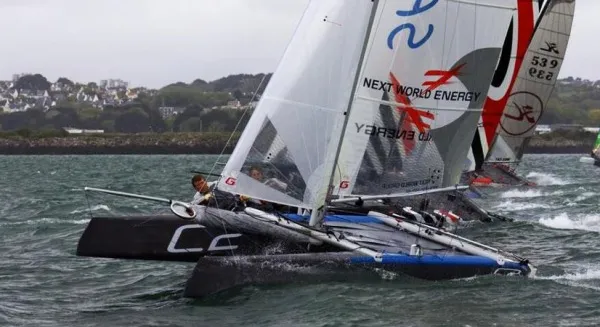
Four fleet races on February 27–28, 2026, in Sydney Harbour delivered winds of 15–25 km/h and forced crews to prioritize constant 箔 flight management; teams ran light-air T-foils and 24‑meter all-purpose wings while negotiating the Shark Island course and wind shadows off the Opera House and Harbour Bridge.
Race conditions and technical setup
The day’s pattern was brutally patchy: gust corridors formed near the shoreline while wind shadows behind foils and local land effects created sudden leeward holes. Crews favored setup packages optimized for low to medium wind with emphasis on quick reattachment to foil and rapid angle changes.
Equipment and setup highlights
- Foils: light-air T-foils prioritized to regain lift in gust gaps.
- Control surfaces: 24‑meter all-purpose wings on rudders for versatility.
- Course: Shark Island gate layout, heavy on tactical shifts and current management.
Why logistics mattered
Shoreline effects made pit-to-boat logistics and pre-race weather briefings decisive. Teams with faster sail changes and cleaner dock-to-course transfers saved precious seconds when the wind flipped—little operational advantages translated into big scoreboard differences.
Standings after Day 1
Spain’s Los Gallos topped the leaderboard after an assertive day, with Australia’s BONDS Flying Roos and Sweden’s Artemis SailGP Team close behind. Two teams, Emirates GBR and Red Bull Italy, remained neck-and-neck in the hunt for Super Sunday.
| Position | Team | Points |
|---|---|---|
| 1 | Los Gallos (Spain) | 32 |
| 2 | BONDS Flying Roos (Australia) | 28 |
| 3 | Artemis SailGP Team (Sweden) | 26 |
| 4 | Emirates GBR | 23 |
| 5 | Red Bull Italy | 23 |
Standout performances and key moments
Los Gallos claimed two race wins and capitalized on a decisive right-hand move at Gate 3 in Race 2 to overtake Switzerland—an example of tactical timing meeting clean boat speed. Driver Diego Botín highlighted the crew’s ability to read rapid shifts and ride them rather than fight them.
BONDS Flying Roos thrilled the home crowd, taking victories in Races 1 and 4. The return of Olympic gold medallist Iain “Goobs” Jensen energized the team; driver Tom Slingsby called the race alongside Jensen “pretty special,” noting the emotional lift it gave the squad.
Incidents and penalties
- Artemis earned a pre-start boundary penalty in Race 1.
- Race 3 featured a multi-boat collision at the start; the U.S. SailGP Team was docked two points for a Rule 14 breach after contact with Switzerland.
- PENALTIES shifted mid-fleet momentum and tested recovery strategies—teams that stayed calm climbed back into scoring positions.
Broadcast notes and venue dynamics
Commentary during the stream emphasized Sydney’s small, intense race arena—the confined water amplifies local gusts and current shears, and the psychological pressure of a vocal home crowd changes risk calculus. No wonder Sydney, the so-called “birthplace of SailGP,” has been a repeated venue on the calendar.
Implications for charter and rental markets
High-profile regattas like this have knock-on effects for local 游艇码头, charter operators, and on-water activity providers. Increased spectator demand means more 帆船 和 船 charters, additional mooring usage, and upticks in short-term rent bookings—something to watch for owners and captains planning season schedules.
Operational takeaways for crews and rental operators
- Maintain rapid deployment readiness—short windows of favorable wind reward quick launches.
- Prioritize crew drills that minimize time lost during gear changes at the dock.
- Monitor shore-effect forecasts; local microbursts can force tactical resets mid-leg.
One little aside: I’ve seen fleets where a single dock miscommunication cost a podium, and the bite of that mistake lasts longer than the bruise—lesson learned the hard way.
Looking toward Super Sunday
With only the top three advancing to the winner-takes-all Final, Day 2 promised amplified stakes and tighter tactics. The fleet remained compact, and minute strategic adjustments—foil trim, angle selection, and pre-start positioning—were likely to determine who reached the Final.
The Day 1 stream captured the technical brilliance and athletic intensity of modern foiling catamaran racing while paying due attention to sustainability messaging—racing “powered by nature” and staged on one of the world’s most recognizable water arenas.
Wrap-up: Day 1 in Sydney delivered tight racing under shifting 15–25 km/h winds, with Los Gallos leading on 32 points, BONDS Flying Roos second on 28, and Artemis third on 26. Key incidents included a pre-start penalty for Artemis and a two-point penalty to the U.S. SailGP Team after contact; recovery and quick logistics separated the leaders from the pack. For charter operators and boat owners, such events drive demand in marinas and short-term 船 rent markets—think more yachts and captains, busier marinas, and lively destinations full of sailing activity. Whether you follow the race for tactics or planning your next yacht or superyacht charter, the day underscored how racing, yachting, and local boating economies—beachside crowds, lake and gulf operators, and ocean-side marinas—are tightly linked to the spectacle of SailGP and the draw of sun, sea, and clearwater adventures.