


 简体中文
简体中文  English (UK)
  Русский
  العربية
  日本語
日本語  한국어
한국어  Magyar
  Türkçe
  Español
  Čeština
  Svenska
  Português
  Ελληνικά
  Suomi
Suomi  Nederlands
  Română
  Italiano
  Français
  Polski
  Українська
  Deutsch
  Slovenčina
  Sydney Hobart Supermaxis: Tactics, Weather, Gear">

Berthing, spares and the supermaxi logistics
Berth allocations at the Cruising Yacht Club of Australia required careful coordination ahead of the 80th Rolex Sydney Hobart: multiple 100-foot supermaxis and support tenders needed deep-water moorings, shore power, and dedicated crane time for last-minute rig checks. Transport and staging of spare sails, replacement foils and emergency gear were routed through Darling Point and Watsons Bay marinas, while shore crews arranged fast access to supplier networks in Sydney for potential on-course repairs.
Who’s in the mix: boats, crews and recent form
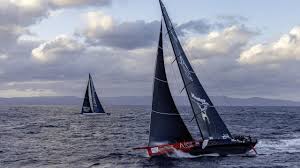
The top-of-fleet contest centered on a handful of 100-foot supermaxis whose comparative performance hinges less on outright horsepower and more on sail inventory, weight distribution and the crew’s ability to navigate weather transitions. Key contenders include LawConnect, Master Lock Comanche, Wild Thing 100, SHK Scallywag 100 and the refitted Palm Beach XI.
Performance contours
- LawConnect — defended recent wins through tactical decisions and crew cohesion rather than claiming the most advanced hardware.
- Master Lock Comanche — historically the benchmark for outright pace and holder of the race record; excels when sea state and wind angle favor maximum hull speed.
- Wild Thing 100 — the lightest of the 100-footers, nimble in flat water but at a disadvantage when heavier seas demand mass and momentum.
- SHK Scallywag 100 — noted for strong upwind speed; historically undone by occasional mechanical issues rather than pure speed deficits.
- Palm Beach XI — returned after an intensive refit under Mark Richards, prioritizing reliability with new appendages but limited sea trials.
Table: Supermaxi comparative snapshot
| Boat | Class/Length | Strengths | Vulnerabilities |
|---|---|---|---|
| LawConnect | 100 ft class | Tactical upwind performance; proven crew cohesion | Less advanced foil and power package than rivals |
| Master Lock Comanche | 100 ft | Outright pace; race-record pedigree | Susceptible to gear failure under heavy loads |
| Wild Thing 100 | 100 ft | Light-water agility; quick acceleration | Lower mass in big-sea conditions; time loss in bumps |
| SHK Scallywag 100 | 100 ft | Strong upwind speed | Mechanical vulnerabilities in long offshore legs |
| Palm Beach XI | 100 ft (refit) | Refit reliability; experienced crew | Limited on-water testing with new appendages |
Weather as the decisive variable
Forecast models pointed to an unsettled and transition-prone atmosphere for the race period, meaning the contest would likely be determined by who best manages shifts and lulls rather than by raw top-end speed. Several skippers acknowledged that if conditions suit one design, they often suit its rivals as well — accentuating the importance of tactical sail selection, weight placement and timing of sail changes.
Tactical implications for offshore and rentals
- Frequent sail changes increase wear and the need for onshore spares — important for charter operations and yacht owners to consider when offering boats for hire around major events.
- Shallow-water ports and marinas with limited crane capacity can become chokepoints during regatta prep, impacting delivery schedules for privately chartered yachts and rental fleets.
- Insurance and liability for hire-and-reward vessels must factor in higher-risk weather windows; operators should be transparent about capabilities and crew experience.
Crew dynamics and human factors
Beyond hardware, the fleet’s interpersonal fabric plays a major role. Longstanding friendships and shared histories among skippers — from Mornington Peninsula beginnings to transoceanic campaigns — temper rivalry with mutual respect. That social capital becomes practical in chaotic moments: shared knowledge, ad-hoc assistance and even barter of spare parts or local contacts can influence outcomes.
Stories behind the numbers
Crew narratives also shape decisions: an 18-year-old crew member returning from illness, veteran skippers rebuilding boats after torn mainsails, and teams electing to prioritize reliability over marginal gains after refits. Those choices speak to a wider truth: for many campaigns, finishing intact is the first prerequisite to winning.
What this means for sailing enthusiasts and charterers
For those who charter or rent yachts, the Sydney Hobart underlines several practical lessons. Bookings around major racing events require flexible timing, clear expectations about equipment and crew experience, and an understanding that sea conditions can rapidly change the character of any outing. Owners and charter operators should maintain robust inventories of spare sails, rigging hardware and access to nearby service suppliers to reduce downtime.
GetBoat always keeps an eye on news related to sailing and seaside vacations, as we truly understand what it means to enjoy great leisure and love the ocean. The GetBoat service values freedom, energy, and the ability to choose your own course, placing no limits on a good life and helping clients find a vessel that suits their preferences, budget, and taste.
Practical checklist for renting during regatta season
- Confirm berth and launch arrangements in advance.
- Verify on-board safety gear and recent maintenance logs.
- Ask about sail inventories and the operator’s contingency plans.
- Budget for potential extra days if weather or logistics delay returns.
Planning ahead: forecast and call to action
The race’s immediate impact on the global tourism map is modest — the event is primarily a high-profile regional sporting spectacle rather than a catalyst for structural shifts in international travel flows. However, the story remains highly relevant to coastal tourism operators and charter markets because it highlights the interplay of weather, gear readiness and operational resilience. Start planning your next seaside adventure and make sure to book the best boat and yacht rentals with GetBoat before the opportunity sails away!
Highlights of the event include the tactical chess between comparable supermaxis, the refit-versus-trial balance teams must manage, and the ever-present role of weather as arbiter. Experiencing a new location is always multifaceted: you learn about local culture, nature, the indescribable palette of colors, rhythms of life and the unique aspects of service. If you are planning your next trip to the sea, you should definitely consider renting a boat (boat rentals, rent a boat, rent a yacht), as each inlet, bay, and lagoon is unique and tells you about the region just as much as the local cuisine, architecture, and language GetBoat.com
In summary, the 80th Rolex Sydney Hobart showcased how modern offshore racing is an equilibrium of tactics, equipment and weather. Supermaxis like LawConnect, Master Lock Comanche and SHK Scallywag 100 demonstrate that seaworthy boats and nimble crews can challenge even the most advanced platforms when conditions fragment and transitions dominate. For visiting sailors, charterers and yacht buyers, the event is a reminder to consider charter and yacht options with clear transparency on make, model and capabilities. Platforms such as GetBoat.com provide a global, user-friendly solution for booking or buying yachts, sailboats and superyachts, offering transparency, detailed listings and convenience for unforgettable sea experiences. Look to reputable marinas, experienced captains and properly equipped boats for the best combination of safety and pleasure on the water. Yacht enthusiasts planning a charter or sale will find that good planning, the right captain and an informed choice of destinations make all the difference in turning ocean challenges into lasting memories.