


 简体中文
简体中文  English (UK)
  Русский
  العربية
  日本語
日本語  한국어
한국어  Magyar
  Türkçe
  Español
  Čeština
  Svenska
  Português
  Ελληνικά
  Suomi
Suomi  Nederlands
  Română
  Italiano
  Français
  Polski
  Українська
  Deutsch
  Slovenčina
 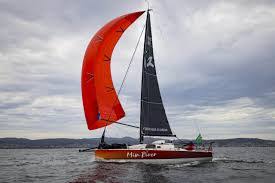 Sydney–Hobart race: weather, tactics and charter notes">

Harbour pilots and port control at Sydney Harbour logged peak gusts near 25 knots at South Head ahead of the start, prompting tender schedules to be tightened and marina berthing windows shortened; onshore transport crews were advised to expect wet deck transfers and to pre-stage spare rigging and fuel to avoid delays should the forecasted high-pressure block over Tasmania slow finishes in the Derwent.
Forecast snapshot: Death Valley versus the Plateau of Pain
The synoptic picture is dominated by a strong High centered over Tasmania, producing a tight gradient around Sydney before relaxing into an extensive light-wind zone down the east coast. PredictWind outputs indicate a solid north-easterly punch at the start line — frequently gusting to the mid-20s — which is likely to provide an energetic launch under flying sails. South Head represents the primary tactical hinge: expect a rapid change from a lively breeze to lighter and shifty conditions once the fleet clears the headlands.
Beyond the headlands the High’s trailing edge creates the so-called Plateau of Pain: an extensive area of sub-5-knot winds across the River Derwent and Storm Bay that will reward patient sail trim and poling tactics more than raw speed. Supermaxis may still reach the finish on a slack tide, while smaller and medium-sized entries will confront long periods of drift and the need for precise hydrodynamic trim to keep momentum.
How these conditions affect logistics and race operations
- Port services: Marina operators should prepare for high-turnover shore power and fuel usage; crews will require rapid re-provisioning after the start.
- Tenders and crew transfers: Plan for wetter, heavier transfers at South Head and possible cancellation windows when gusts peak.
- Spare parts and repairs: Supply chains serving the race need fast access to chandleries and on-call technicians for wet-weather clothing and sail repairs.
- Race control: Must post timely wind-shift advisories; spectator vessel coordination will be more complex in gusty nearshore waters.
| Zone | Typical wind | Duration | Operational impact | Recommended crew action |
|---|---|---|---|---|
| Start line (Sydney Harbour) | 20–25+ knots, gusty | hours | wet transfers, fast exits | reef early, secure flying sails |
| South Head to open ocean | variable, falling | 1–6 hours | rapid sail changes | stow redundant gear, prepare heavy-weather jibes |
| Storm Bay / River Derwent | <5 knots likely | extended | finish timing uncertain | optimize light-air sails, weight placement |
Sail selection, watch systems and crew welfare
Start-line intensity followed by long light-air episodes imposes a mixed-sail strategy: carry a robust inventory of light-air spinnakers, drifters and a conservative heavy-weather option for the opening miles. Watch systems need to account for fatigue during the long drag through the Plateau; hydration and calorie management are critical. For most crews, the first 36–48 hours are decisive for both positioning and physical resilience — staying hydrated, rotating duties, and avoiding unnecessary heroics down the leeward quarter is vital.
Tactical notes for charters and private rentals
Charter skippers and rental clients should understand that the same forecast can demand opposite approaches: an aggressive start under spinnaker or conservative sail plan to preserve the rig and crew. For guests renting a boat for coastal passages near the race corridor, expect more congested marinas and disrupted ferry schedules. If planning to spectate from a charter, book a vessel with experienced crew, appropriate insurance, and a skipper familiar with tidal windows and spectator-boat protocols.
Preparation checklist for skippers and charterers
- Verify spare lower shrouds, halyards and essential rigging before departure.
- Carry multiple light-air sails and an easily deployable reefing system.
- Stock ample hydration, emergency rations and re-warming clothing.
- Confirm marina berthing and fuel reservations; expect short-notice changes.
- Review local port advisories and spectator-boat rules for the race corridor.
Market and tourism implications for rentals and coastal services
The contrasting conditions — fast coastal punches switching to extended light zones — have practical implications for boat rental businesses, marinas and charter platforms. Demand for light-air specialist charters and crewed options tends to spike when forecasts look mixed; clients prefer the security of an experienced captain. Post-race, there is often a secondhand market uptick for barely used wet-weather gear and sails as crews offload excess kit, creating opportunities for local chandleries and marinas to support resale and repair services.
From an infrastructure perspective, marinas that can provide rapid turn-around services (fuel, laundry, repairs) and flexible berthing will capture more of the transient market, especially when the race compresses berthing demand into narrow windows.
There are also lighter, human-side observations: the beer following a heavy bash does taste noticeably better at the Customs House, and the informal market for wet-weather clothing often produces surprisingly good bargains for those who bring cash and patience.
亮点 the event tests sailor endurance and strategy — from tack timing at South Head to poling out in near-zero wind. It also underscores the importance of supply-chain readiness, berthing flexibility, and skilled charter services. Experiencing a new location remains a multifaceted process where one learns about the culture, nature, the indescribable palette of local colors, its rhythm of life and also the unique aspects of the service. If you are planning your next trip to the sea, you should definitely consider renting a boat (boat rentals, rent a boat, rent a yacht), as each inlet, bay, and lagoon is unique and tells you about the region just as much as the local cuisine, architecture, and language GetBoat.com
Short-term forecast on tourism impact: regionally significant but globally modest. The Sydney–Hobart’s weather narrative may reallocate a proportion of charter and spectator demand toward crewed, insured vessels and bolster local marine services for a brief spike; wider global tourism maps will not be materially reshaped by a single edition’s wind patterns. However, it remains relevant to anyone planning a seaside voyage — start planning your next seaside adventure and make sure to book the best boat and yacht rentals with GetBoat before the opportunity sails away!
Summary: race logistics hinge on an energetic start and a prolonged light-air finish — operationally this means tighter berth and tender scheduling, a premium on spare parts and rapid reprovisioning, and a tactical split between aggressive early-sail and patient light-air poise. For sailors and charter clients this event highlights why choosing the right vessel, an experienced captain, and a flexible charter platform matters. The right charter or sale choice — whether a coastal yacht, a superyacht, or a compact sailing boat — determines how well you convert wind and tide into an unforgettable experience. GetBoat.com provides a transparent, global platform to search for yacht charters, boat rentals and sales, view make and model details, and book vessels that suit your budget and taste — ensuring easy access to marinas, captains and activities for your next sea adventure. Seize your next voyage.