


 简体中文
简体中文  English (UK)
  Русский
  العربية
  日本語
日本語  한국어
한국어  Magyar
  Türkçe
  Español
  Čeština
  Svenska
  Português
  Ελληνικά
  Suomi
Suomi  Nederlands
  Română
  Italiano
  Français
  Polski
  Українська
  Deutsch
  Slovenčina
 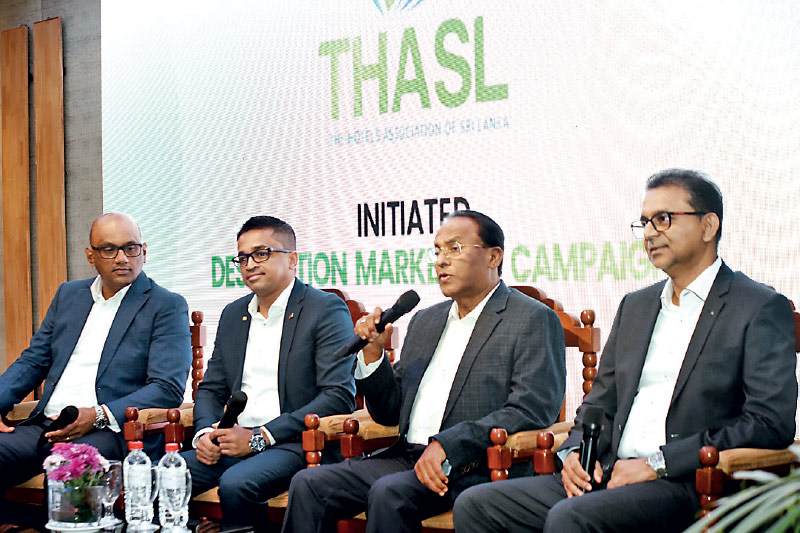 Sri Lanka’s Hotels Association Drives Groundbreaking ‘Truly Sri Lanka’ Campaign">

Private Sector Ignites a New Era in Sri Lanka’s Tourism Promotion
Sri Lanka’s tourism industry takes a bold step with the launch of its first-ever private sector-funded and curated destination marketing campaign titled ‘Truly Sri Lanka’. Spearheaded by the Hotels Association of Sri Lanka (THASL) in partnership with Nations Trust Bank American Express (NTB AMEX), this digital campaign seeks to boost tourist arrivals from emerging markets amid delays in broader governmental marketing efforts.
Targeted Digital Campaign to Enliven Emerging Travel Markets
The ‘Truly Sri Lanka’ campaign initially targets six key countries in the Gulf Cooperation Council and Southeast Asia regions, namely Saudi Arabia, Jordan, Oman, Thailand, Malaysia, and Singapore. These markets show significant potential for steady year-round tourist arrivals, with Malaysia and Singapore already contributing tens of thousands of visitors within the first nine months of 2025.
The campaign is structured in revolving three-month phases and is set to extend to additional source markets over three years. Over 60 hotels currently participate in the initiative, with expectations of broader industry engagement. The digital platform features partner hotels, direct links to official websites, and seamless booking options, offering potential travelers easy access to authentic Sri Lankan experiences.
Strategic Importance and Industry Collaboration
THASL, representing a wide range of hotel brands—ranging from boutique resorts and wellness retreats to wildlife lodges and themed properties—plays a critical role in Sri Lanka’s tourism landscape. The hotel sector alone employs nearly 70% of the tourism workforce and represents a collective investment exceeding $15 billion. Beyond revenue generation, hotels foster extensive community benefits by supporting local suppliers like farmers and artisans and by undertaking impactful corporate social responsibility initiatives.
Despite rising tourist arrivals, there has been concern over the lack of corresponding growth in tourism earnings. The campaign aims to refresh Sri Lanka’s positioning globally, preventing stagnation in revenue and complementing future integrated marketing endeavors by official agencies.
Historical Context of Destination Marketing in Sri Lanka
Historically, Sri Lanka’s destination marketing efforts have been primarily led by state agencies, which have faced delays and disruptions amid changing administrative environments. This private sector-driven campaign marks a significant shift, reflecting a growing trend in tourism worldwide where industry stakeholders directly contribute to maintaining destination visibility and appeal.
Destination marketing is vital in today’s competitive global tourism market, especially with increasing digital presence shaping traveler decisions. Developing campaigns focused on emerging markets allows countries like Sri Lanka to diversify visitor sources and reduce dependency on traditional markets, a strategy that aligns with broader trends seen in tourism management globally.
Key Features of Private Sector Destination Management Campaigns
- Industry-funded approach: Ensures dedicated resources and alignment with business interests.
- Digital-first strategy: Embraces cost-effective and scalable channels such as social media and online search to target tech-savvy travelers.
- Collaborative partnerships: Involves stakeholders across the hotel and service sectors to present a united front.
- Phased rollout: Allows flexibility to adapt messaging and target emerging markets progressively.
| Market | Tourist Arrivals Jan–Sep 2025 | Potential |
|---|---|---|
| Malaysia | 17,471 | High |
| Singapore | 10,817 | Moderate |
| Oman | 2,103 | Emerging |
| Saudi Arabia | Data currently limited | Growing |
| Jordan | Data currently limited | Emerging |
| Thailand | Data currently limited | High potential |
The Role of Destination Management in Contemporary Tourism
Destination management today hinges on partnerships that unite public and private stakeholders to optimize the visitor experience and ensure sustainable tourism growth. Such collaborations focus on coordinating development, managing tourism infrastructure, marketing, and enhancing community benefits.
Globally, destination marketing organizations and partnerships operate with varied institutional models depending on political, economic, and social contexts. In developing countries or emerging destinations, private sector initiatives like Sri Lanka’s ‘Truly Sri Lanka’ are especially critical for maintaining competitiveness and adapting to rapid shifts in travel patterns, including the growing demand for digital engagement.
Impact on International Tourism and Future Prospects
Launching a targeted, private sector-driven identity campaign positions Sri Lanka to capture new visitor demographics and improve market responsiveness. The approach reflects an understanding that long-term tourism sustainability depends on consistent visibility and proactive management rather than sporadic promotional efforts.
With global tourism increasingly leaning on authenticity, technology, and diversification of destinations, campaigns like ‘Truly Sri Lanka’ are likely to set a precedent for other countries facing similar challenges of ensuring tourism resilience in fluctuating market conditions.
Tourism Earnings vs. Arrivals: A Key Challenge
While tourist arrivals have grown by over 16% in the first three quarters of 2025, the rise in tourism-related earnings has lagged, increasing by only 5%. This gap underscores the need to add value to visitor experiences, enhance longer stays, and promote higher-spending activities within destinations.
结论
The launch of Sri Lanka’s ‘Truly Sri Lanka’ private sector-led destination marketing campaign marks a pioneering moment for tourism in the country. It highlights the significance of industry collaboration, digital innovation, and targeted market engagement in today’s increasingly competitive global environment. By focusing on emerging markets with high potential and creating a seamless digital platform for visitors, the campaign aims to boost arrivals and economic returns sustainably.
Given Sri Lanka’s abundant natural beauty, cultural richness, and pristine beaches—features that align closely with a thriving yachting and boating scene—the campaign’s success can contribute to greater international awareness and demand for maritime tourism experiences. This, in turn, benefits related sectors such as yacht charters and boating activities.
For travelers and tourism professionals looking to explore Sri Lanka’s inviting waters and beaches, GetBoat.com offers an excellent platform to rent sailing boats and yachts, catering to diverse tastes and budgets. The synergy between destination marketing efforts and boating activities promises exciting prospects for the island’s tourism development, blending rich cultural experiences with the allure of the sea, sun, and sailing adventure.