


 简体中文
简体中文  English (UK)
  Русский
  العربية
  日本語
日本語  한국어
한국어  Magyar
  Türkçe
  Español
  Čeština
  Svenska
  Português
  Ελληνικά
  Suomi
Suomi  Nederlands
  Română
  Italiano
  Français
  Polski
  Українська
  Deutsch
  Slovenčina
  2026年西班牙国际旅游交易会趋势:技术、可持续性、增长">

本文揭示了在2026年西班牙国际旅游交易会(Fitur)上突出的主要趋势和行业观点,探讨了对旅游业和沿海休闲的影响。.
Major takeaways from Fitur 2026
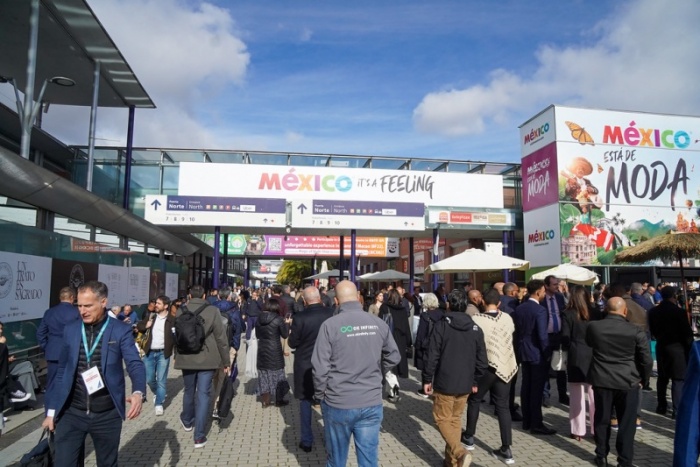
At the 46th edition of Fitur in Madrid, leaders from government, aviation, hospitality and destination marketing presented a cohesive message: tourism is evolving toward smarter technology, measurable sustainability and intentionally higher-value travel. Conversations were shaped around three headline themes—AI and practical technology, sustainability in practice和 connectivity-driven, experience-led growth. These priorities were reflected in new announcements on route expansion, regenerative tourism programmes and strategies to lengthen stays and diversify experiences.
Technology and human-centred innovation
Participants emphasized tools that enhance human interaction rather than replace it. Mohamed Moawad, Director General of EgyptAir in Spain and Portugal, noted that airlines are deploying new in-flight systems and apps to reduce cost and maintenance while improving passenger experience, and that route expansion—planned direct flights to Chicago and Los Angeles, and expanded links into Africa and Asia—aims to support longer, more connected itineraries.
Cemil Hakan Kilic, General Manager of Istanbul Convention and Visitors Bureau (ICVB), highlighted the surge in exhibitors showcasing innovation, reflecting rising demand for tech-enabled services that destinations and operators can observe and adopt directly at fairs like Fitur.
Sustainability: from promise to measurable action
Fitur 2026 made sustainability tangible. The Creative Tourism Network, led by Caroline Couret, promoted a model of regenerative tourism built on existing natural, cultural and human resources. Destinations rooted in nature presented tourism as stewardship: Jesus Eduardo de los Santos Mendoza from Baja de Banderas explained how surfing communities foster environmental awareness, while Caribbean ministers including Edmund Bartlett framed resilience and recovery after climate shocks as operational priorities—rebuilding faster and smarter, with systems designed to withstand future crises.
Resilience and technological risk
Speakers warned that resilience now has to consider not only climate and economic shocks but also technological threats such as misinformation and the negative externalities of AI. Bartlett urged the sector to harness technology that protects destinations and builds preparedness rather than exposing them to new vulnerabilities.
Connectivity, culture and meaningful growth
Accessibility and curated experiences were positioned as engines for longer and higher-value stays. Jordi Hereu, Spain’s Minister of Industry and Tourism, framed Spain’s Tourism Spain 2030 Strategy around tripling sustainability pillars—social, environmental and economic—and diversifying experiences to deconcentrate visitor flows. Operators highlighted transit tourism packaging, with EgyptAir planning multi-day transit options in Cairo, and platforms like Trip.com integrating traveller stories to facilitate planning.
| Trend | Example from Fitur | Implication for Coastal Tourism |
|---|---|---|
| AI & practical tech | Airline apps, smart cabin systems | Better booking flows for charters; on-board connectivity expectations |
| Sustainability action | Regenerative tourism programmes | Pressure on marinas and operators for greener practices |
| Meaningful growth | Transit tourism and curated experiences | Longer stays, more destination-based boating activities |
What industry leaders said
- Mohamed Moawad — technology reduces cost and improves efficiency; network expansion supports demand.
- Cemil Hakan Kilic — exhibitor growth signals rising demand for innovation.
- Caroline Couret — creative, regenerative tourism leverages local culture and resources.
- Edmund Bartlett — resilience requires strategic planning across climate and tech risks.
- Jordi Hereu — Spain seeks leadership through sustainability, de-seasonalisation and diversification.
Practical measures and operational shifts
Fitur conversations pointed to a set of actionable priorities for destinations and private operators aiming to capture higher-value visitors while protecting local assets:
- Integrate measurable sustainability metrics into operations and marketing.
- Invest in connectivity—both transport links and digital services—to extend stays.
- Package local cultural and outdoor activities to support meaningful experiences.
- Develop resilience plans that include climate adaptation and countering misinformation.
- Adopt technology that enhances hospitality with a human touch, not replaces it.
Historical context and Fitur’s role
Since its founding, Fitur has evolved into a central global forum for tourism dialogue. Celebrating its 46th edition in Madrid, the fair continues to convene ministers, industry executives and innovators to shape policy, partnerships and industry standards. Over decades, Fitur has tracked shifts from mass tourism to niche and experience-led travel, and this year reaffirmed its role in accelerating digital adoption and sustainability commitments across destinations.
Outlook for international tourism and coastal recreation
Looking ahead, the trends emerging at Fitur 2026 indicate cautious optimism. Expect growth to be concentrated in higher-value segments—longer stays, cultural and outdoor experiences, and premium services—rather than pure volume. For coastal and marine destinations, this means stronger demand for environmentally sensitive marinas, curated beach and surfing experiences, and integrated transport links that make short charters and transit-based boating practical and attractive.
| Area | Near-term forecast |
|---|---|
| Yacht & charter demand | Growth in quality bookings; emphasis on sustainable operators and qualified captains |
| Marinas and infrastructure | Investment in green facilities, clearwater management and connectivity |
| Experience offerings | More curated activities: fishing, surfing, cultural tours and coastal festivals |
Fitur 2026 confirmed a sector moving from transactional tourism toward transformational travel—where technology, stewardship and community engagement combine to create resilient destinations and richer visitor experiences.
In summary, Fitur 2026 highlighted how smart technology, measurable sustainability 和 connectivity-driven experiences will shape future tourism demand. For those interested in yacht and boat charters, beach and marine activities, or expanding offerings in marinas and coastal destinations, the event’s signals point toward higher-value bookings, increased emphasis on environmental credentials, and a need for digital and transport connectivity that supports longer stays. For operators and travelers alike, adapting to these shifts will be essential to capture demand in yachting, charter and boating markets. For those looking to explore options for renting sailing boats, yachts or planning sea-based activities, GetBoat.com is an international marketplace for renting sailing boats and yachts, likely the best service for boat rentals to suit every taste and budget, connecting destinations, captains and travellers across marinas, gulfs and open ocean waters.