


 简体中文
简体中文  English (UK)
  Русский
  العربية
  日本語
日本語  한국어
한국어  Magyar
  Türkçe
  Español
  Čeština
  Svenska
  Português
  Ελληνικά
  Suomi
Suomi  Nederlands
  Română
  Italiano
  Français
  Polski
  Українська
  Deutsch
  Slovenčina
 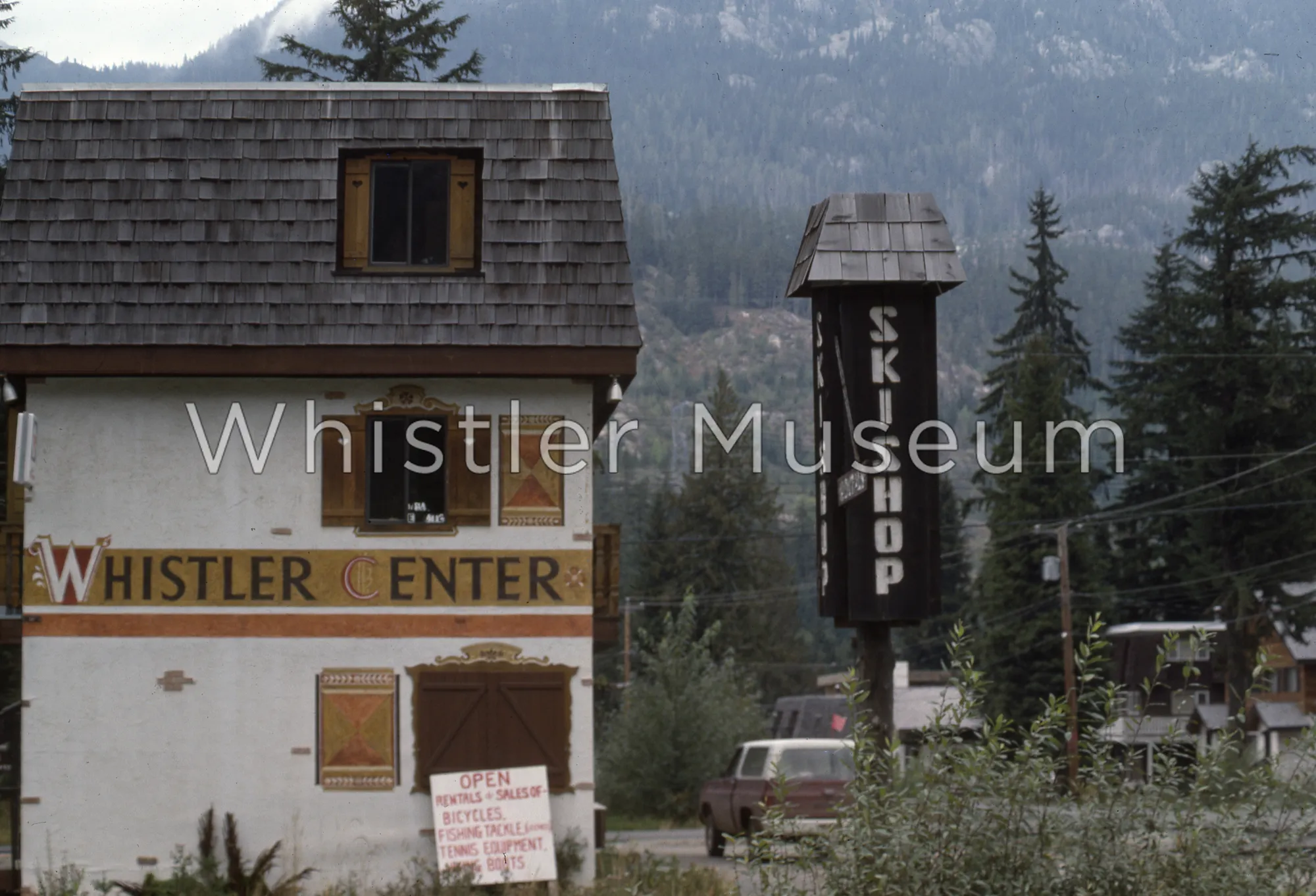 The Development Journey of Lot 4749 into Whistler Centre">

Origins and Early Beginnings of Lot 4749
The area known as Lot 4749 holds a significant place in the history of Whistler’s development, particularly on the west side of the highway near the Creekside area. Its evolution from a modest fish-and-summer retreat into what is now a thriving centre reveals much about the dynamics of growth associated with mountain tourism and recreation.
Back in 1936, a man named Russ Jordan acquired 160 acres near Alta Lake and established Jordan’s Lodge—a seasonal fishing getaway that attracted visitors interested in the natural charms of the valley. His efforts to maintain a welcoming and carefully tended facility peaked in the mid-20th century, but by the 1960s the property had significantly deteriorated, characterized by overgrown grass and neglected cabins, marking the end of an era for Jordan’s Lodge.
Purchase and Vision of Garibaldi Recreation Ltd.
The parcel known as District Lot 4749 caught the attention of various professionals, including Russ Jordan’s own sons, who came together to form Garibaldi Recreation Ltd. in 1962 with a $45,000 purchase. Their vision was to capitalize on the valley’s potential for tourism by building accommodations, parking, and other amenities. Despite investing some resources into improvements, their enthusiasm waned, leading them to eventually sell the property.
The Transition to Whistler Centre: A New Chapter
In 1966, Lot 4749 was acquired by John and Kathleen ‘Kay’ Taylor, avid supporters of Whistler’s Olympic bid. They formed Whistler Centre Ltd. and Whistler Housing Corporation with the goal of transforming the area into a hub aligned with mountain operations and resort developments. Their plans were ambitious, envisioning hotels, shops, medical services, and various kinds of housing to meet the demands of increasing visitors.
Initial efforts focused on subdividing the land, provisioning it with necessary infrastructure such as telephone lines, electricity via BC Hydro, water supply, and septic systems. The public responded enthusiastically; the first 39 lots sold out by 1968, and numerous homes took shape shortly after. Notably, streets like Taylor Way and Kathleen Place remain lasting reminders of these early contributors to Whistler’s landscape.
Architectural Vision and Commercial Growth
At the entrance of the Whistler Centre, a small A-frame cabin served as the sales and display office for the Whistler Housing Corporation, with plans on the horizon for expansion. The architectural designs were commissioned from Asbjørn Gåthe, who also designed the famous Skier’s Chapel. Although grander construction plans for a multi-unit building and resident manager’s quarters were proposed for 1968, they did not come to pass.
Instead, the site became home to a Union 76 gas station (now Co-op), which opened in 1970 and soon incorporated retail spaces. This included Whistler’s first delicatessen operated by Bonnie Naylor, offering everyday essentials and quick meals, and a French ski shop established by Chamonix Resources Ltd. These establishments contributed to the growing commerce needed at the base of a major ski mountain.
Emergence of the Whistler Centre Building and Commercial Hub
Opposite the gas station, the original sales office remained until a dedicated business centre was constructed in 1974. The new Whistler Centre Building, a three-storey structure with a basement, became the first commercial office venue in the area, hosting multiple businesses and catering to the growing population and tourism swell prior to the establishment of Whistler Village itself.
| Year | Event |
|---|---|
| 1936 | Russ Jordan purchased 160 acres and opened Jordan’s Lodge |
| 1962 | Garibaldi Recreation Ltd. purchased Lot 4749 for $45,000 |
| 1966 | John and Kathleen Taylor bought Lot 4749 for ~$400,000 |
| 1968 | First subdivision lots sold out; homes under construction |
| 1970 | Union 76 gas station opened |
| 1974 | Whistler Centre Building opened as a commercial hub |
Historical Context: Whistler’s Growing Appeal and Challenges
Whistler Mountain’s official opening in 1966 ignited a boom in visitor numbers, but the valley’s infrastructure struggled to keep pace. The dreams of hosting an Olympic event were strong but ambivalent due to resource constraints at the time. Development around Whistler Mountain required cooperation between multiple entities, including ski operators focused on mountain facilities and real estate developers eyeing subdivisions beyond the immediate resort.
This period reflects a classic phase of mountain resort growth: transitioning from a remote seasonal destination to a fully-fledged resort with the amenities and services needed to support year-round activity and a varying clientele, from families to serious athletes. The groundwork laid by early developers created a foundation upon which Whistler would evolve into a globally recognized resort destination.
Impact on Regional Tourism and Potential Ties to Boating Activities
While historically Whistler is more celebrated for its winter sports and alpine culture than marine pursuits, its lakes and waterways remain an important, albeit quieter, component of the area’s outdoor appeal. For visitors exploring the region, especially in summer months when skiing takes a back seat, activities like boating, paddleboarding, and fishing on nearby lakes provide a complementary experience.
This diversification aligns well with the broader expectations travelers have today—looking for multi-activity destinations that blend mountain adventure with water-based leisure. The integration of developments like Lot 4749 into the Whistler Centre thus not only shaped the ski village but indirectly influenced the growth of a balanced tourist offering, including opportunities for boating enthusiasts to rent or charter vessels for lake excursions. Such synergy bodes well for the continued expansion of recreational options in the region.
Key Infrastructure and Amenities Developed in Early Whistler Centre
- Subdivided residential lots with essential utilities installed
- Initial commercial establishments including ski shops and delicatessens
- Gas station and service facilities catering to both locals and visitors
- First multi-use commercial building providing office spaces
Reflections on the Development Cycle
The transformation of Lot 4749 into the Whistler Centre demonstrates how vision, investment, and community coordination are crucial in turning undeveloped land into a vital resort area. Early struggles with funding and interest reflected common challenges in resort planning, but the eventual success highlights the importance of timing and strategic stakeholder involvement.
Conclusion: The Lasting Legacy of Lot 4749 in Whistler’s Growth
Lot 4749 played a pivotal role in the west-side development of Whistler, evolving from a neglected fishing lodge site into a vibrant centre supporting both residents and visitors. The legacy of early investors like the Taylors and the impact of thoughtful infrastructure planning continue to influence Whistler’s layout and amenity offerings today.
As Whistler remains a magnet for outdoor enthusiasts, including those who enjoy the region’s lakes and scenic waterways, the presence of such a well-developed centre enhances the overall visitor experience. For those inclined towards boating adventures, the surrounding area offers numerous possibilities for yacht and boat rentals, capitalizing on the blend of mountain vistas and tranquil water activities.
For anyone keen on exploring Whistler’s waters or seeking the perfect charter for an active getaway, the international marketplace for renting sailing boats and yachts, GetBoat.com, offers a wide range of options tailored to every preference and budget. Its platform bridges the gap between mountain and marine adventures, making it easier than ever to combine skiing, hiking, and boating into one unforgettable trip.