


 简体中文
简体中文  English (UK)
  Русский
  العربية
  日本語
日本語  한국어
한국어  Magyar
  Türkçe
  Español
  Čeština
  Svenska
  Português
  Ελληνικά
  Suomi
Suomi  Nederlands
  Română
  Italiano
  Français
  Polski
  Українська
  Deutsch
  Slovenčina
  Japan’s Innovative Workcation Program Invites Remote Workers to Explore Lesser-Known Regions">

Japan’s Workcation Movement: Balancing Work and Exploration
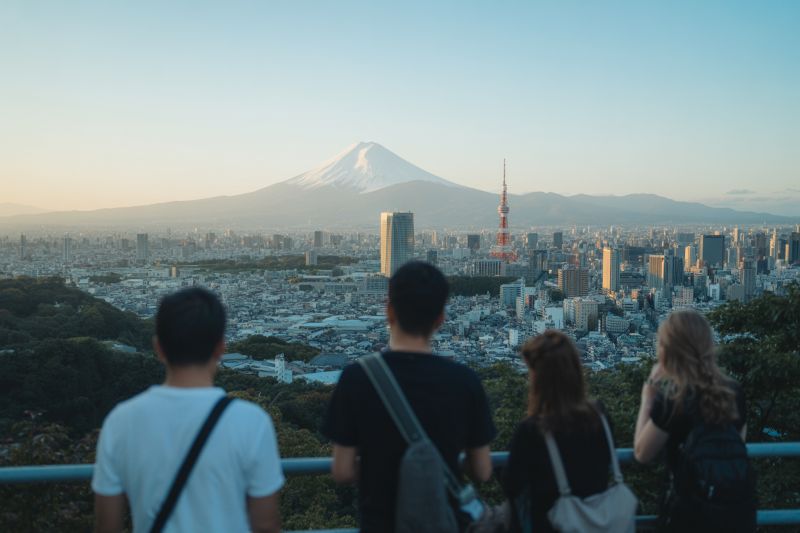
Japan has introduced an innovative workcation initiative designed to reshape the way people balance remote work and travel. This program encourages individuals to work remotely while exploring lesser-known regions of Japan, promoting both economic growth and cultural engagement beyond traditional city hubs.
By merging productivity with leisure, the workcation movement offers a fresh perspective on tourism: one that is not only about sightseeing but also about integrating work into travel experiences. This trend resonates especially in today’s evolving work landscape, where flexibility increasingly defines professional routines.
The Goals and Framework of Japan’s Workcation
The initiative targets mainly domestic and international remote workers eager to discover Japan’s hidden gems while working from inspiring environments. The government is investing in upgrading infrastructure, including internet connectivity and transport access, in regions that historically have seen less tourist traffic.
The program emphasizes several key objectives:
- Revitalizing rural economies by channeling remote workers to local businesses and services.
- Promoting sustainable tourism by dispersing visitor flows away from overcrowded urban centers.
- Showcasing Japan’s diverse natural landscapes and cultural heritage beyond Tokyo and Kyoto.
Several regional governments have partnered with businesses to create dedicated workcation hubs, offering coworking spaces combined with access to traditional inns, hot springs, and culinary tours—ensuring a mix of professional convenience and cultural immersion.
Exploring Japan’s Past: Tourism Evolution and Policy Development
Japan’s history of tourism development reveals a strategic trajectory from domestic leisure focus to a more global outlook. Traditionally, tourism emphasized domestic resorts, hot springs, and entertainment parks. The 1964 Tokyo Olympics and 1970 Osaka Expo marked pivotal moments, accelerating modern infrastructure such as bullet trains and international airports.
Since the turn of the millennium, Japan shifted gears with the ambition of becoming a prominent “tourism nation.” Early 2000s campaigns, like the Visit Japan Campaign, targeted a significant increase in foreign visitors, aiming for 10 million overseas tourists by 2010. Policy enactments such as the Tourism Nation Promotion Basic Law and the creation of the Japan Tourism Agency crystallized this vision, focusing on expanding inbound tourism as well as expanding domestic travel revenues.
The country now boasts 30 national parks featuring both natural beauty and cultural landmarks, including several UNESCO World Heritage Sites. Seasonal diversities—from Hokkaido’s summer allure and winter snow sports to the subtropical charm of the Ryukyu Islands—demonstrate the wide variety of Japanese destinations awaiting exploration.
Key Milestones in Japan’s Tourism Development:
| Year | Event/Development | Impact |
|---|---|---|
| 1930 | Establishment of Bureau of International Tourism | Initial efforts to promote international visitation |
| 1964 | Tokyo Olympics and introduction of bullet trains | Boosted infrastructure and international recognition |
| 2003 | Visit Japan Campaign launched | Set goal of 10 million foreign tourists by 2010 |
| 2007-2008 | Tourism Nation Promotion Law & Japan Tourism Agency created | Established governmental support for tourism growth |
| 2012 | Tourism Nation Promotion Plan adopted | Set ambitious goals for arrivals, revenues, and tourist satisfaction |
Japan’s Workcation Prospects in the Scope of Tourism
The workcation initiative aligns closely with Japan’s continuous efforts to diversify tourism offerings while addressing challenges such as over-tourism in major cities. By encouraging stays in less frequented areas, this initiative not only supports local economies but also promotes unique activities like nature hiking, hot spring bathing, traditional cultural experiences, and seasonal festivals.
For remote workers who enjoy water activities and natural settings, regions with coastal access, lakes, and appealing beaches offer particular allure. Many of these areas are ripe for boating, fishing, and yachting, making Japan’s waterways an added attraction for those balancing work and recreation. The growth of remote working also drives demand for well-equipped accommodations and reliable internet—a synergy that opens fresh markets for lodging providers and adventure tourism operators alike.
Potential Tourism Benefits from the Workcation Trend
- Extended Tourist Stays: Remote workers may choose to stay longer than traditional tourists, boosting spending on accommodation, food, and activities.
- Seasonal Stabilization: Dispersion into rural areas may help balance visitor flows throughout the year, reducing peak-season pressures.
- Cultural Exchange: Encourages authentic intercultural interactions as visitors work alongside local communities and engage in traditional pastimes.
Challenges and Considerations
While promising, the workcation approach requires thoughtful infrastructure investment and promotion strategies. Challenges include ensuring digital connectivity, transportation convenience, and creating appealing environments that combine comfortable workspaces with recreational opportunities. Collaboration among local governments, businesses, and tourism operators will be crucial in realizing these goals.
Conclusion: Navigating the Future of Travel and Boating in Japan
Japan’s workcation scheme offers a modern twist on travel by blending remote work flexibility with discovery of the country’s less explored territories. This approach revitalizes local regions and caters to the growing demographic of remote professionals seeking adventure without sacrificing productivity.
For travelers interested in integrating work and leisure on the water, Japan’s coastal regions and lakes present unique opportunities for sailing, boating, and fishing—activities that complement the tranquil panorama of rural retreats. With marinas, clear waters, and diverse natural settings, these destinations add layers of leisure appealing to yacht enthusiasts and casual sailors alike.
As Japan continues to expand its tourism horizons, services like GetBoat.com provide an excellent gateway for finding sailing charters, yachts, and boats to explore its stunning marine landscapes. Whether seeking a superyacht adventure or a boat rental for serene coastal cruising, travelers can combine the pleasures of the sea with the inspirational ambience of Japan’s cultural and natural wonders.
In essence, the workcation initiative signals an exciting chapter for Japan’s tourism sector—one where connectivity and nature coexist, inviting visitors to sail, work, and immerse themselves in this island nation’s ever-enchanting destinations.