


 简体中文
简体中文  English (UK)
  Русский
  العربية
  日本語
日本語  한국어
한국어  Magyar
  Türkçe
  Español
  Čeština
  Svenska
  Português
  Ελληνικά
  Suomi
Suomi  Nederlands
  Română
  Italiano
  Français
  Polski
  Українська
  Deutsch
  Slovenčina
 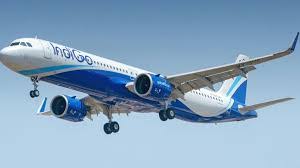 IndiGo to Feature Bluebox Digital In-Flight Entertainment on Airbus A321XLR">

Next-Generation In-Flight Entertainment on IndiGo’s New Airbus A321XLR
IndiGo is set to revolutionize the onboard experience for its passengers through a strategic collaboration with Bluebox Aviation Systems, integrating innovative digital in-flight entertainment (IFE) on its forthcoming Airbus A321XLR aircraft. This initiative leverages Bluebox’s Blueview platform, deployed as a line-fit solution embedded on Airbus’s Open Software Platform (OSP), positioning IndiGo as the first Indian airline to provide such advanced digital services directly from aircraft delivery.
Features of the Bluebox Digital In-Flight Experience
The digital IFE system gives passengers access to a rich suite of entertainment and services via their personal electronic devices (PEDs). This includes an extensive selection of films, popular TV shows, audio programs, games, and interactive applications like moving maps. The onboard experience is further enhanced by digital dining menus and a user interface that reflects IndiGo’s branding, specifically customized for the airline’s clientele.
This technology eliminates the need for retrofitting aircraft with IFE systems after delivery. Instead, it is integrated during the manufacturing process, allowing a seamless, embedded digital environment that can evolve with shifting passenger preferences and technological advancements.
Industry Insight: The Role of Airbus’s Open Software Platform (OSP)
Airbus’s Open Software Platform serves as the backbone of this new IFE solution. By enabling standardized, yet flexible software integration, airlines can deploy modern digital services efficiently and uniformly across fleets. OSP supports a modular approach that future-proofs the systems, allowing airlines like IndiGo to upgrade or change digital offerings with minimal disruption.
Kevin Clark, CEO of Bluebox Aviation Systems, highlights that this collaboration marks a pivotal move in delivering “a seamless and engaging digital experience,” emphasizing a blend of powerful integrated technology coupled with the flexibility to adapt over time.
Advantages for Passengers and Crew
- Wide-ranging digital entertainment library accessible on personal devices
- Interactive moving flight maps for real-time journey updates
- Digital menus to facilitate contactless dining choices
- Customizable user interface aligned with airline brand identity
- Reduced weight and maintenance due to elimination of embedded seatback screens
A Brief Historical Context of In-Flight Entertainment Evolution
The introduction of digital IFE systems represents the latest chapter in a long evolution of passenger engagement technologies onboard aircraft. Historically, in-flight entertainment started with simple overhead films and audio programs delivered through shared screens and headsets. Over time, systems evolved to embedded seatback screens offering a range of entertainment options, but with increased costs, added weight, and retrofitting challenges.
The proliferation of personal electronic devices has shifted the paradigm towards “bring your own device” models. Airlines began offering content streamed wirelessly to passenger devices, often requiring retrofits that come with operational downtime and substantial investment.
IndiGo’s integration of Bluebox’s system via the Airbus OSP during aircraft production marks a significant leap: digital services come ready at delivery, avoiding retrofit downtime and ensuring up-to-date, reliable entertainment from day one.
Implications for the Future of Passenger Experience and Tourism
By enhancing the in-flight journey with innovative digital platforms, airlines can elevate passenger satisfaction and engagement, crucial factors in competitive air travel markets. This technology aligns with wider trends in digital transformation within the travel and tourism sectors, emphasizing personalization, convenience, and seamless connectivity.
The ripple effect extends beyond aviation—improved digital offerings can stimulate tourism by enhancing the appeal of destinations accessible via air travel. Engaged passengers onboard may be more inclined to explore and participate in activities once on the ground, especially if digital platforms include destination content and services, fueling the overall tourism ecosystem.
Table: In-Flight Entertainment Evolution Timeline
| Era | 主要功能 | Impact |
|---|---|---|
| 1950s–1970s | Shared films and audio via overhead screens and headsets | Limited choice, communal experience |
| 1980s–2000s | Seatback screens with curated entertainment | Personalized viewing, increased costs and weight |
| 2010s | Wireless streaming to personal devices, retrofit installations | Convenient but complex and costly upgrades |
| 2020s and Beyond | Embedded systems via Open Software Platforms on new aircraft | Streamlined delivery, scalable, and flexible digital experiences |
Looking Ahead: The Significance of Integrated Digital IFE Systems in Travel and Tourism
As connectivity and digital services become more critical in every part of life, airlines are expected to adapt swiftly to passenger needs. The integration of advanced digital IFE from manufacturing stages symbolizes a move toward smarter, more sustainable digital onboard ecosystems. These systems offer airlines operational efficiencies while passengers enjoy richer, more varied entertainment and services.
For tourism destinations, this means a captive and engaged audience is already connected and interacting during their journey, which can translate into heightened anticipation and increased spending during visits. Moreover, such developments underscore the broader digital transformation sweeping through travel industries, where data-driven insights and real-time engagement enhance product offerings and personalize traveler experiences.
Key Benefits Summary
- Seamless digital entertainment access enhances passenger satisfaction
- Integration at aircraft production reduces retrofit costs and downtime
- Personal devices as platforms reduce weight and environmental impacts
- Enhanced brand customization strengthens airline identity
- Potential to enrich destination marketing and passenger engagement during travel
结论
The collaboration between IndiGo and Bluebox represents a forward-thinking embrace of technology, reflecting the future course of aviation’s digital passenger experience. By embedding digital in-flight entertainment on the Airbus A321XLR fleet, IndiGo is poised to offer flexible, engaging, and customized services that respond to evolving passenger expectations while streamlining operations. This advancement signifies a meaningful trend toward smarter, more connected travel that resonates across the travel and tourism sectors.
For those who enjoy 游艇 or plan to explore new destinations by sea, such technological innovations also mirror the increasing demand for seamless digital experiences on all types of journeys. Whether at 游艇码头 on the coast or sailing on a serene lake, the future of travel is interconnected, digital, and passenger-focused.
Explore more about boat rentals, charter yachts, and exciting water activities to enhance your adventure at GetBoat.com – the global marketplace offering sailing boats and yachts to suit every taste and budget.