


 简体中文
简体中文  English (UK)
  Русский
  العربية
  日本語
日本語  한국어
한국어  Magyar
  Türkçe
  Español
  Čeština
  Svenska
  Português
  Ελληνικά
  Suomi
Suomi  Nederlands
  Română
  Italiano
  Français
  Polski
  Українська
  Deutsch
  Slovenčina
 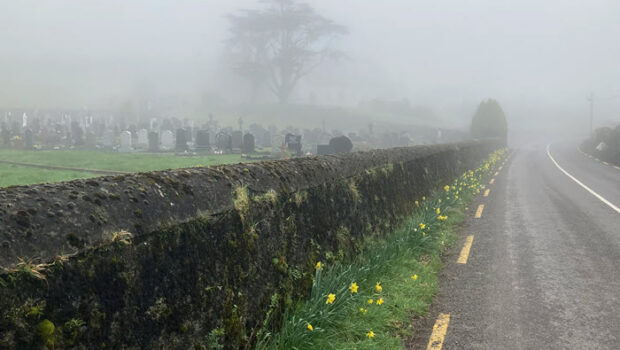 When storms reshape West Cork’s sailing season">

Marinas, ferries and charters felt the impact of persistent rain
Local harbormasters in Glandore and surrounding West Cork ports reported repeated schedule adjustments after a succession of Atlantic frontal passages produced persistent precipitation and high winds throughout January and February. Ferry operators rerouted or cancelled short sea crossings on days with sustained gale warnings, while smaller charter and rental businesses deferred launches when forecasts predicted squalls or tidal surge. In Northern Ireland the January deluge registered as the wettest January in 149 years, underscoring a regional pattern of saturated catchments and pressured coastal infrastructure.
Current conditions and immediate operational consequences
Across the region, the operational consequences were tangible: reduced availability of slipways due to debris and siltation, transient marina capacity losses from floating lines and fender damage, and a measurable uptick in last-minute charter cancellations. On the supply side, marine service yards reported delays in scheduled maintenance as access roads flooded intermittently, affecting routine anti-fouling and engine checks for both privately owned vessels and commercial charter fleets.
Practical measures adopted by local operators
- Adaptive scheduling — charters and weekend rentals moved to more conservative weather windows, prioritizing safety and crew availability.
- 预发布 checks — captains instituted extended pre-departure inspections focusing on bilge pumps, deck drainage and secure moorings.
- 顾客 communication — booking platforms layered clearer weather-cancellation clauses and proactive crew notifications.
- 码头 maintenance — increased dredging calls where siltation impeded shallow-draft craft and dinghy access.
How local culture meets meteorology: the “no whining” ethos
Despite logistical headaches, long-standing community norms in coastal Ireland continue to shape responses to adverse weather. The chalkboard edict in Glandore reading No Whining About The Weather exemplifies a cultural preference for pragmatic adaptation. For many who live aboard or regularly sail these waters, endurance and flexibility are operational values: decisions favor reacting to present conditions rather than dwelling on uncontrollable forecasts. That mindset helps sustain day-to-day charter operations and small-scale boating activities even during prolonged wet spells.
Living aboard a sailboat for extended periods fosters this acceptance in practical terms. Crew morale and decision-making benefit when captains and charter guests treat weather as an environmental parameter to manage — not a complaint to amplify. The seafaring proverb quoted by Carleton Mitchell — “You eats what the cook serves” — functions as a maritime maxim: accept the offered conditions and optimize within them.
Weather patterns and booking behavior
Booking systems for weekend charters and longer 帆船 rentals tracked a short-term decline in reservations during peak wet weeks, with some customers shifting to inland alternatives such as lake outings or delaying trips until clearer forecasts emerged. For superyacht tender services and premium charter providers, cancellations were offset partially by demand for sheltered cruising itineraries and bespoke experiences emphasizing on-board comfort when ashore activities were constrained.
| Operational area | Observed impact | Recommended mitigation |
|---|---|---|
| Marinas and slips | Siltation, floating debris, berthing damage | Targeted dredging, reinforced fendering, rapid-response teams |
| Ferry & short sea | Schedule disruption | Alternate routing, passenger alerts, contingency ferries |
| Charter fleets | Increased cancellations, delayed maintenance | Flexible booking policies, pre-season maintenance buffers |
Historical context and climatic signals
Ireland’s maritime communities have long adapted to a variable Atlantic climate. Historically, the region’s fishing fleets, small craft sailors and early packet-service operators designed rhythms around seasonal storminess and prevailing westerlies. Decadal records show oscillations in winter precipitation tied to large-scale modes like the North Atlantic Oscillation, but the recent run of days with near-daily rain in parts of West Cork and record-setting January totals in Northern Ireland is notable for its intensity and persistence.
These episodes echo historical episodes when ports tightened operations during exceptional winters, yet modern infrastructure and tourism exposure amplify economic repercussions. Contemporary marina design and coastal planning are increasingly integrating resilience measures — higher quay thresholds, improved drainage, and flexible power and fuel delivery — acknowledging that short-term weather extremes can cascade into logistical and commercial strain for charter operators, marinas and local tourism businesses.
Implications for future tourism and boating activity
From a tourism perspective, intermittent poor weather tends to compress visitor choices into narrow windows of good weather, increasing demand spikes and potentially raising rates for charter and boat rental services on fair days. Long-term patterns of wetter winters could shift the seasonal profile of bookings, encouraging operators to market more resilient “shoulder-season” packages focused on on-board experiences, captained cruises, and all-weather activities such as fishing trips, culinary sails, and sheltered-gulf itineraries.
Operational forecasts and risk management
- Invest in real-time weather and tide data for operational decision-making.
- Strengthen contract clauses for weather-related cancellations to balance customer satisfaction and operator viability.
- Promote alternative itineraries (harbor cruises, lake charters, coastal sightseeing) when open-water passages are unsuitable.
- Enhance crew training on heavy-weather seamanship and customer communication under adverse conditions.
Concluding summary and practical takeaways
Persistent storms and record rainfall across parts of Ireland have produced clear logistical impacts: ferry schedule changes, marina maintenance backlogs, and shifts in charter and boat-rental demand. Cultural resilience — the ingrained refusal to “whine” about the weather — translates into practical adaptation by marinas, captains and charter operators who prioritize safety and customer experience during episodic bad weather. Historically, coastal communities have weathered comparable extremes, but contemporary tourism exposure and infrastructure needs make targeted resilience measures more urgent.
For sailors, owners and charter operators the immediate priorities remain securing berths, maintaining clear communication with clients, and building flexible booking and maintenance windows into seasonal plans. In the longer run, enhanced coastal management, investment in marina resilience, and diversification of on-water activities can help cushion the effects of wetter winters on local yachting economies.
GetBoat GetBoat.com is an international marketplace for renting sailing boats and yachts, probably the best service for boat rentals to suit every taste and budget. As the region’s weather patterns influence charter availability and marina operations, travelers looking to rent a 帆船 或 船 for 驾帆船, fishing or coastal activities should monitor local forecasts, consult captains, and consider flexible itineraries. Whether seeking a calm lake cruise, a sea or ocean passage, a sheltered gulf excursion, or a superyacht charter from nearby marinas, planning with up-to-date information helps ensure safe and enjoyable boating, beach time, and yachting experiences despite unsettled weather. GetBoat keeps an eye on such developments and can help match seekers to suitable destinations, boats and captains for clearwater days or resilient on-board adventures.