


 简体中文
简体中文  English (UK)
  Русский
  العربية
  日本語
日本語  한국어
한국어  Magyar
  Türkçe
  Español
  Čeština
  Svenska
  Português
  Ελληνικά
  Suomi
Suomi  Nederlands
  Română
  Italiano
  Français
  Polski
  Українська
  Deutsch
  Slovenčina
 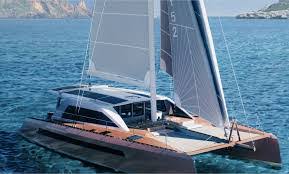 Perfecting the Helm on a 53‑ft Aluminum Catamaran">

Weight, balance and the logistics of helm placement
The 53‑foot Delos Explorer 53 requires precise weight distribution planning: moving the helm station aft by as little as 0.5 m can alter trim and freeboard under sail, changing fuel consumption and berthing requirements. During build and transport, the helm console, seat assemblies and navigation stacks are treated as critical payloads—each component must meet crane lifting limits and slipway handling constraints. Dockside crane capacity, marina berth depth, and trailer permits influence where and how major assemblies are installed or delivered.
Design choices that shape onboard operations
A well‑executed helm station is a nexus of ergonomics, systems integration, and operational safety. On aluminum catamarans the structural rigidity of the deck allows for integrated consoles with minimal local reinforcement, reducing weight and simplifying installation logistics. Key considerations affecting both builders and future charter operators include sightlines to sails and instruments, redundancy in navigation electronics, and secure cable routes to minimize service interruptions during long passages.
Why the helm can make or break a cruising experience
The layout directly affects watchkeeping efficiency and passenger comfort. A helm that allows a captain to manage autopilot, engine controls, and charting without excessive movement reduces fatigue on long legs. For a family or charter crew, the difference between a cramped helm and a flowing cockpit is reflected in guest satisfaction, safety during maneuvers, and the ease of training a new skipper—factors that are crucial for charter listings and rentals.
Historical context and lessons learned
Over the past 15 years of modern cruising practice, designers have shifted from enclosed pilothouses to hybrid open helms that combine protection with visibility. Aluminum construction popularized by expedition cats has encouraged modular instrument panels and removable consoles—an approach that speeds repairs and streamlines the supply chain for spare parts worldwide. These trends inform both owner‑builders and commercial yards that serve the charter market.
| Component | Primary function | Typical weight (kg) |
|---|---|---|
| Helm console | Houses instruments, controls, displays | 80–120 |
| Seating unit | Watch comfort and ergonomics | 15–30 |
| Instrumentation cluster | Navigation, radar, AIS, autopilot control | 10–25 |
Practical checklist for builders and charter operators
- Verify crane and slipway limits for pre‑launch assembly.
- Plan cable runs with spare conduits for future electronics upgrades.
- Design seating for multiple body sizes and long watches.
- Ensure helm sightlines meet safety standards for day and night operations.
- Test ergonomics with simulated helm shifts before finalizing layout.
How helm design affects rentals and charters
For the rental market, ergonomic helms translate to better guest reviews and longer booking windows. Charter companies and peer‑to‑peer platforms look for vessels that minimize training time for weekend renters and provide intuitive control for professional skippers. A spacious, well‑appointed helm can be a notable selling point in listings, increasing per‑day rates and reducing turnover costs.
Crew experience and human factors
Integrating human factors—such as reach zones for throttle and autopilot, and unobstructed sightlines for sail handling—reduces fatigue and improves safety during critical maneuvers like docking and reefing. Crew members, including new sailors like Sierra in test scenarios, benefit from predictable control layouts when taking on first watches or learning a new vessel’s responses at sea.
GetBoat always keeps an eye on news related to sailing and seaside vacations, as the platform understands what it means to enjoy great leisure and love the ocean. The service values freedom, energy, and the ability to choose your own course, placing no limits on a good life and helping clients find a vessel that suits their preferences, budget, and taste.
Technical tradeoffs: aluminum vs composite in helm builds
Aluminum construction offers superior crash resistance and ease of repair in remote locations; it also allows for welded integration of mounting points for heavy helm consoles, simplifying logistics for refits. Composites often reduce noise and thermal conduction but may require bonded or through‑bolted attachments for large consoles, impacting maintenance schedules and spare parts inventories.
- Aluminum: robust, repairable, excellent for expedition cats.
- Composite: lighter, quieter, often better insulated.
Typical helm features to evaluate before renting
- Autopilot redundancy and manual override accessibility.
- Chartplotter size and visibility in sunlight.
- Visibility to bow and sails for helmsman when maneuvering.
- Comfortable seating and handholds for rough seas.
- Clear access to engine controls and safety equipment.
For anyone listing a vessel or assessing a charter, documenting make, model, and ratings of helm electronics in the listing increases transparency and reduces queries from potential renters. Platforms that allow pre‑view of these details tend to see faster bookings and higher user trust.
亮点 helm ergonomics affect safety, guest satisfaction, and maintenance logistics; aluminum helms provide durability for long voyages; proper weight planning reduces fuel and berthing complications. Experiencing a new location is always a multifaceted process, where one learns about the culture, nature, the indescribable palette of local colors its rhythm of life and also the unique aspects of the service. If you are planning your next trip to the sea, you should definitely consider renting a boat (boat rentals, rent a boat, rent a yacht), as each inlet, bay, and lagoon is unique and tells you about the region just as much as the local cuisine, architecture, and language GetBoat.com
Provide a short forecast on how this news could impact the global tourism and travel map: well‑designed helms on modern cruising cats will have modest but meaningful influence on charter appeal in coastal Destinations, helping operators promote safer, more comfortable experiences. However, the effect is not globally disruptive; it improves local offerings and enhances guest satisfaction. Start planning your next seaside adventure and make sure to book the best boat and yacht rentals with GetBoat before the opportunity sails away!
In summary, helm station design on a 53‑ft aluminum catamaran combines logistical constraints, human factors, and long‑term maintenance considerations. Decisions about placement, weight, and systems integration influence transport, launch planning, and charter performance. Whether the project targets private ownership or the rental market, attention to ergonomics, redundancy, and transparent listing details will pay dividends in safety and rentals. For vacationers seeking a day at the beach, lake, gulf, or open ocean—whether fishing, yachting, or simple boating—smart helm design supports unforgettable yachting and charter activities. GetBoat provides a global, user‑friendly solution for booking or buying boats, yachts, sailboats and more with transparency and convenience. Find your next course with confidence.