


 简体中文
简体中文  English (UK)
  Русский
  العربية
  日本語
日本語  한국어
한국어  Magyar
  Türkçe
  Español
  Čeština
  Svenska
  Português
  Ελληνικά
  Suomi
Suomi  Nederlands
  Română
  Italiano
  Français
  Polski
  Українська
  Deutsch
  Slovenčina
 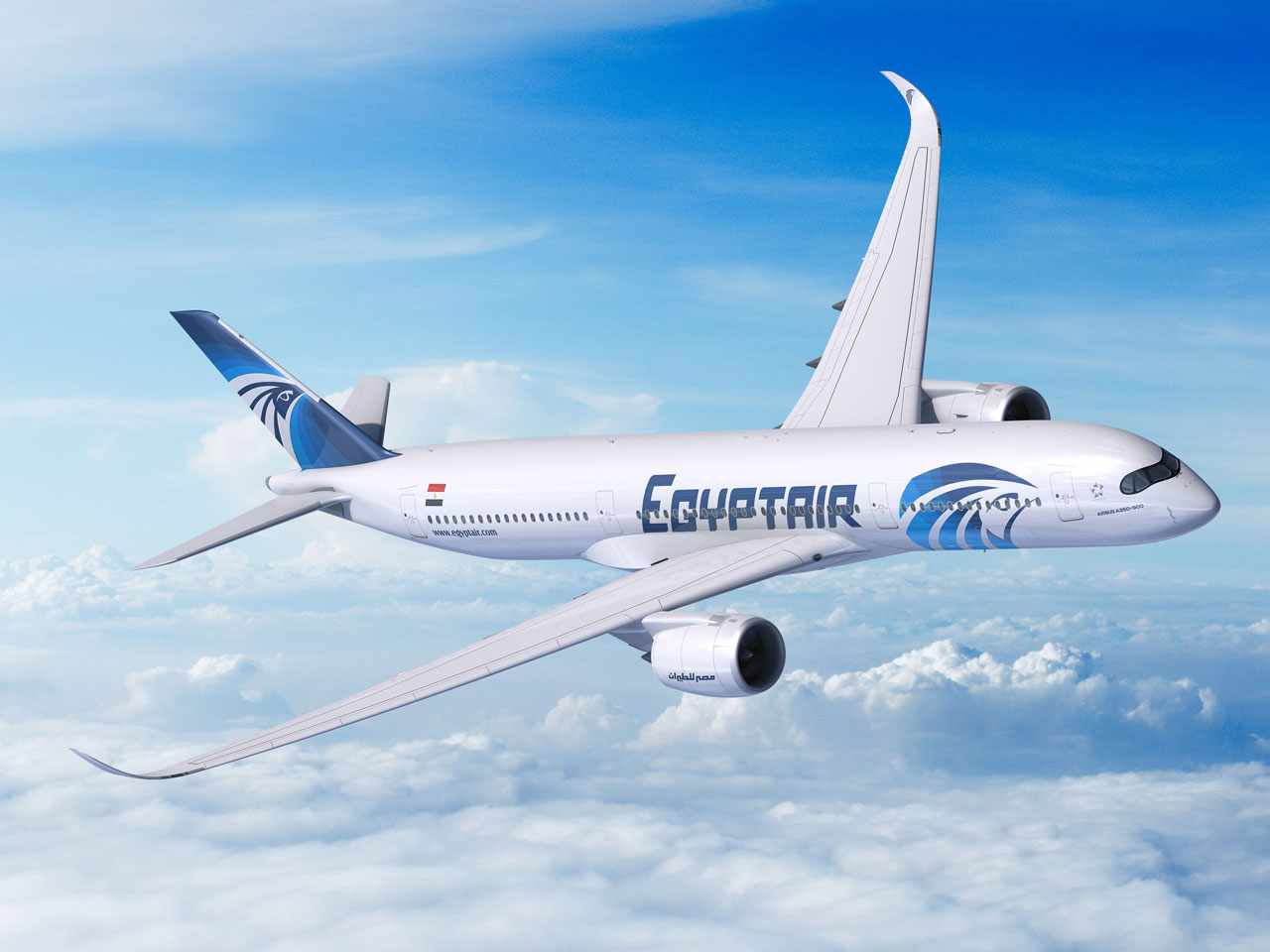 EgyptAir Explores Direct Cairo–Dakar Route to Boost African Connectivity">

New Horizons for African Air Travel: EgyptAir’s Cairo-Dakar Route
The possibility of a direct air connection between Cairo and Dakar via EgyptAir is gaining traction following significant discussions between the airline’s CEO and Senegal’s Ambassador to Egypt. This initiative aims to enhance travel and economic ties between North and West Africa, offering a faster, more convenient route and opening fresh prospects for trade, tourism, and cultural exchange across the continent.
Strategic Significance of the Route
Linking two major African hubs—Cairo, a key center in North Africa, and Dakar, an emerging gateway in West Africa—this route would bridge vast geographic and economic spaces currently separated by multi-stop travel. The non-stop service is expected to substantially reduce travel time, boosting passenger comfort and making both business trips and leisure travel more attractive and accessible.
For the travel industry, such a link promises new combined itineraries that showcase North Africa’s historic sites alongside West Africa’s vibrant coastal attractions, diversifying tourism portfolios and encouraging multi-destination journeys. Airlines and governments in Africa increasingly prioritize intra-African connectivity as a catalyst for development, and this direct flight fits neatly into that broader vision.
Current Challenges in African Air Connectivity
Presently, passengers traveling between Egypt and Senegal must navigate routes involving stopovers in third countries, which not only lengthens journeys but also adds to the complexity and cost of travel. Limited direct connections across many African regions hamper the free flow of people and goods, restricting business, social, and cultural interactions.
In the context of Africa’s growing role in global commerce and tourism, enhanced direct aviation links like the one proposed by EgyptAir could help unlock the continent’s economic and social potential. With initiatives such as the African Continental Free Trade Area (AfCFTA) underway, strengthening transport infrastructure remains a priority to facilitate more robust cross-border cooperation.
Implications for Senegal’s Tourism and Economy
Dakar’s ambition to serve as a West African hub is bolstered by investments in airport modernization and expanded tourism capacity. Establishing a direct flight from Cairo would position Senegal favorably to attract more international visitors, increasing hotel occupancy and driving growth in related sectors such as hospitality, events, and cultural tourism.
The enhanced connectivity is expected to further promote Senegal as a destination for business conferences and cultural exchanges with North Africa, giving it a competitive edge in sub-Saharan Africa’s dynamic tourism landscape.
Egypt’s Expanding African Footprint
From Egypt’s standpoint, the Cairo-Dakar connection would mark a further extension into West Africa, complementing existing links to East and Southern Africa and solidifying EgyptAir’s status as a pan-African carrier. This expansion reflects the airline’s strategic goal of connecting diverse African regions and facilitating the flow of people and commerce across the continent’s economic corridors.
Expanding these air links also aligns with broader government efforts to leverage aviation as a tool for economic integration, making it easier for businesses, tourists, and government officials to engage across borders and sectors such as education, healthcare, and technology.
Transforming Travel and Tourism in Africa
For tourism professionals, the new route promises a wealth of business opportunities. Tour operators can craft novel travel packages blending Egypt’s ancient wonders with Senegal’s rich coastal culture, attracting diverse markets from regional explorers to international enthusiasts. Corporate travel managers will benefit from more streamlined logistics, while diaspora communities gain simpler access to visit family and reconnect with their heritage. This increased passenger traffic could also stimulate demand in airport transfers, local transport services, and destination management companies.
| Key Benefits of Cairo-Dakar Direct Flight |
|---|
| Reduced travel time and increased convenience |
| Stronger economic and cultural ties between North and West Africa |
| Growth in tourism through multi-destination packages |
| Enhanced business opportunities and conference potential |
| Increased regional cooperation aligned with African trade agreements |
A Glance at Intra-African Aviation Development
The ambition to boost direct flights within Africa has been a steady trend, with airlines and African governments working to overcome infrastructural and regulatory hurdles. The introduction of routes such as Cairo–Dakar reflects the growing recognition that improved air connectivity is essential to unlocking the continent’s vast development potential.
Despite challenges like limited airport capacity and varied aviation market regulations, progress continues. In recent years, African carriers have expanded their fleets and networks, supported by regional bodies aiming to encourage cooperation and open skies policies. These developments are vital for fostering efficient and affordable travel options that can meet the continent’s rising demand.
Historical Context of Africa’s Inter-Regional Flights
Historically, African air travel between regions like North and West Africa has been fragmented or indirect. Many passengers relied on travel corridors via European or Middle Eastern hubs, adding logistical complications and costs. Efforts to establish direct routes stem from a desire to tap into the continent’s internal economic and cultural exchanges rather than depending solely on external gateways.
Major carriers such as EgyptAir have long served as linchpins for connectivity within Africa, and their increased focus on direct intra-African flights aligns with wider continental initiatives to improve access, promote tourism, and stimulate trade.
Outlook for African Tourism and Connectivity
With Africa’s international traveler numbers projected to rise significantly, better direct connections are crucial for sustaining this growth. Enhanced routes not only cater to the needs of leisure tourists looking for new destinations but also benefit business travelers and diaspora communities by easing accessibility.
As African aviation capacity improves and intra-continental cooperation strengthens, such direct flights will play a role in shaping new tourism trends, influencing the development of regional marinas, coastal resorts, and integrated travel experiences combining culture and adventure.
Challenges and Success Factors
The fruition of the Cairo–Dakar route depends on coordinated efforts between both nations to align regulatory frameworks, ease visa processes, and jointly promote awareness among travelers. While hurdles remain, the strong mutual interest and strategic alignment suggest these challenges will be addressed effectively.
结论
The proposed EgyptAir direct flight from Cairo to Dakar represents much more than a new flight path—it symbolizes a step forward in African integration, enhancing economic partnerships, cultural exchange, and tourism development. By connecting these pivotal cities directly, the route opens exciting avenues for multi-destination travel experiences, business activities, and community ties that span the continent’s north-west corridor.
For enthusiasts of 游艇, 驾帆船和 boating in coastal West Africa, improved air access can mean more seamless journeys to explore attractive 游艇码头 和 泳滩, as well as increased opportunities for charter boat rentals and water-based activities. This connection promises to complement both countries’ growing tourism infrastructure, supporting sustainable growth along Africa’s vibrant coastal waters.
GetBoat.com remains attentive to such developments in international tourism, especially those enhancing access to renowned 帆船 和 船 destinations across Africa’s seas and oceans, making it easier than ever for travelers to enjoy unforgettable maritime adventures.