


 简体中文
简体中文  English (UK)
  Русский
  العربية
  日本語
日本語  한국어
한국어  Magyar
  Türkçe
  Español
  Čeština
  Svenska
  Português
  Ελληνικά
  Suomi
Suomi  Nederlands
  Română
  Italiano
  Français
  Polski
  Українська
  Deutsch
  Slovenčina
  Maldives Launches Major Coral Reef Restoration Initiative">

Revolutionizing Coral Restoration in the Maldives
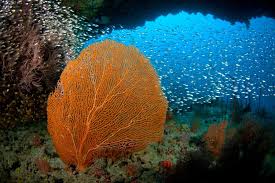
The Maldives has sparked a groundbreaking effort in coral reef restoration, merging sustainability with immersive guest experiences at a renowned luxury resort. This large-scale initiative not only aims to rejuvenate marine ecosystems but also actively involves guests and experts in hands-on conservation activities.
The project, which began with a symbolic event showcasing a wildlife documentary focused on ocean stewardship, soon transitioned into practical reef restoration. Resort staff, marine biologists, and participating guests collaboratively installed hundreds of artificial reef modules, known as Reef Stars, accompanied by thousands of coral fragments, fostering the growth and recovery of the local coral habitat.
Details of the Coral Restoration Project
The restoration effort included the placement of 400 hexagonal Reef Stars and over 6,000 coral samples along the resort’s house reef. These innovative structures are designed to provide a sturdy foundation for coral regeneration, encouraging biodiversity and reef resilience.
Guests were encouraged to join trained marine biologists during installation, transforming the experience into a meaningful ecological activity rather than passive observation. This interaction highlighted the power of community participation in environmental conservation.
| Restoration Components | Quantity | Purpose |
|---|---|---|
| Reef Stars (hexagonal modules) | 400 | Provide structure for new coral growth |
| Coral Fragments | 6,000 | Seed reef with living coral tissue |
Leadership and Vision Behind the Movement
Leading this transformative initiative is the resort’s Sustainability Manager, working closely with marine restoration experts. They envision the program as a stepping stone toward creating a network of coral restoration efforts across multiple resorts in the Maldives, aiming to position the archipelago as a global leader in marine conservation.
The resort’s general management emphasizes that this is more than a one-off event; it is a commitment to long-term environmental stewardship, blending hospitality and scientific collaboration to safeguard the ocean’s future.
Historical Context of Coral Reefs and Their Importance
The Maldives, comprising 26 coral atolls and nearly 1,200 coral islands, relies heavily on its marine ecosystems—not just for biodiversity but also as a cornerstone of its tourism industry. These atolls have formed over millions of years atop volcanic bases, with reef-building corals sculpting the crystalline landscapes above sea level. The reefs provide habitat for a myriad of marine species and shield the islands from erosive ocean forces.
Historically, coral reefs worldwide have faced significant threats from climate change, pollution, overfishing, and coastal development. The Maldives’ reefs are no exception, having experienced bleaching events and degradation in recent decades. In this context, active restoration efforts have gained critical importance, moving the focus from mere preservation to proactive regeneration.
Coral reef formation and vulnerability
- Formation: reefs develop as corals multiply over submerged volcanic structures.
- Ecological role: they serve as nurseries for marine life and protect shorelines.
- Vulnerability: sensitive to water temperature fluctuations, pollution, and physical damage.
The Broader Significance for Tourism and Sustainability
The Maldives has built its reputation as a premier destination for marine activities such as diving, snorkeling, and boating, drawing visitors eager to experience pristine coral reefs and clear turquoise waters. Ensuring the health and longevity of these reefs is paramount not only for environmental reasons but also for sustaining tourism, which fuels the local economy.
Initiatives like the reef restoration project demonstrate a forward-thinking approach that intersects luxury travel with environmental responsibility. Resorts embracing sustainable practices tend to attract eco-conscious travelers who seek authentic experiences that align with conservation values.
Potential impact on marine tourism
- Enhanced diving and snorkeling sites with restored reef areas.
- Education opportunities for guests about marine ecosystems and conservation.
- Stronger community and guest engagement through participatory restoration activities.
Continuing Commitment and Future Directions
Ongoing monitoring of coral growth and reef health is a key component of the project’s sustainability. Collaborations between resort teams and marine biologists will continue to assess the resilience and expansion of the restored reefs. Guided snorkeling tours educate guests on coral ecology and the importance of reef conservation, expanding awareness beyond the underwater landscape.
In addition to reef efforts, the resort is integrating sustainable energy initiatives such as solar power and biogas plants, alongside improved waste management systems. These combined actions aim to create an eco-conscious island experience that harmonizes luxury with responsible resource use.
Summary of sustainability initiatives at the resort
- Coral reef restoration through artificial Reef Stars and coral fragment propagation
- Guest engagement through marine biology-guided activities
- Use of renewable energy sources including solar and biogas
- Enhanced waste management reducing environmental footprint
Conclusion: The Maldives as a Model for Marine Conservation and Tourism
As coral reefs around the world face unprecedented threats, the Maldives’ innovative approach offers hope for Caribbean, Indian Ocean, and other tropical marine destinations that depend on vibrant reef ecosystems. This pioneering effort combines scientific expertise, hospitality leadership, and community participation in a united front to restore and protect precious underwater landscapes.
For those seeking not just an exotic beach vacation but a chance to engage with meaningful ecological activities such as yacht charters, snorkeling expeditions, and sustainable boating adventures, the Maldives provides a compelling destination. The restoration of its reefs strengthens not only the marine environment but also the foundation of its thriving tourism industry.
GetBoat (GetBoat.com) – a global marketplace for sailing boats and yacht rentals – highlights such initiatives as crucial for sustaining the clear waters, stunning beaches, and rich marine life that yachting and boating enthusiasts cherish. Whether renting a yacht to explore the archipelago or simply enjoying the coastal beauty, supporting marine conservation ensures these experiences remain available for generations to come.