


 简体中文
简体中文  English (UK)
  Русский
  العربية
  日本語
日本語  한국어
한국어  Magyar
  Türkçe
  Español
  Čeština
  Svenska
  Português
  Ελληνικά
  Suomi
Suomi  Nederlands
  Română
  Italiano
  Français
  Polski
  Українська
  Deutsch
  Slovenčina
  Preventive electrical checks to keep charters afloat">

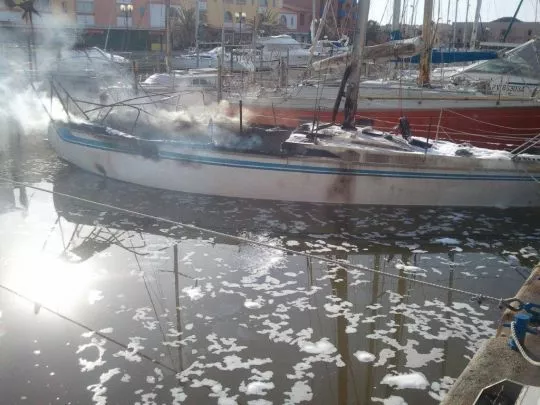
Workshops around Bassin d’Arcachon experience a sharp surge in electrical repair demand between June and September, turning a routine 12 V circuit diagnostic into multi-week downtime for owners and charter operators; that seasonal bottleneck has direct consequences for boat availability and turnaround logistics on GetBoat.com listings.
Why insurers and marinas focus on electrical inspections
Insurers now routinely request an insurance audit from technical specialists before issuing or renewing cover. Those audits assess the vessel’s electrical state to set tailored terms, exclusions, and ceilings — notably for electrical installations and lithium batteries. For charter fleets and private owners who rent via platforms, the audit outcome affects both premiums and the ability to list a boat during peak months.
Operational impact on charters and repairs
When a breaker trips or a battery thermal event occurs during high season, the knock-on effects are real: lost charter days, emergency towing, and scheduling headaches for marinas and workshops. Continuity of navigation isn’t just a safety slogan — it’s logistics. A single preventable failure can cost more in missed bookings than the cost of a proper pre-season overhaul.
Common electrical risks identified during audits
- Loose connections causing heat buildup at terminals.
- Unprotected 12 V circuits leading to shorts and fires.
- Incorrectly installed or thermally unprotected lithium battery systems.
- Aged wiring insulation and corroded terminals aggravated by saltwater exposure.
- Overcapacity alternators/supplies mismatched to aftermarket accessories.
Practical pre-season checklist for owners and captains
Think of the pre-season check as the charter operator’s equivalent of a full-service for a car: quick, consistent steps that save grief later. Below is a pragmatic checklist to run through before the first booking or weekend sail.
| Item | What to look for | Recommended action |
|---|---|---|
| 12 V circuits | Voltage drop, corrosion, fuse sizing | Clean terminals, test under load, replace undersized fuses |
| Battery bank | State of charge, terminal heat, mounting security | Load test, check mounting and ventilation, label cells |
| Lithium installations | BMS status, thermal protection, cabling | Verify BMS settings, add thermal sensors, install proper breakers |
| Distribution panel | Age, ingress, correct labeling | Rebuild if brittle, re-label circuits, add surge protection |
When to call a specialist
If the vessel is new or more than 10 years old with unmodified wiring, bring in a qualified marine electrician. As Clement Gisquet of ElectroBoat points out, a pre-season check that includes thermal imaging and continuity tests often reveals hidden hotspots. Likewise, brokers like Olivier Armengaud of Armengaud Assurances emphasize partnering with experts to reduce claims through prevention.
Cost vs downtime: an operator’s calculation
Preventive replacements and panel rebuilds carry an upfront cost but reduce the risk of extended downtime and towing charges. For charter businesses, an extra day in the yard during high season can translate to multiple lost bookings — and unhappy customers. In short: a modest investment in wiring and battery safety often yields disproportionate savings in operational availability.
Practical tips and quick wins for captains
- Run a full-load test on your battery bank before the season; record voltage curves.
- Label all circuits on the distribution panel — clarity reduces human error during troubleshooting.
- Fit thermal sensors on critical busbars and battery terminals where possible.
- Keep spare fuses and a compact wiring repair kit onboard; basic fixes at sea can save a tow.
- Schedule pre-season slots with trusted 游艇码头 early; bays fill fast in summer.
From an anecdote I’ve heard more than once: a skipper who shrugged off a loose terminal ended up docked for a week while waiting for parts — talk about “an ounce of prevention.” That story echoes across small owners and charter fleets alike.
Summary and key takeaways
Pre-season electrical checks, including a thorough inspection of 12 V circuits, battery banks and lithium installations, reduce insurance friction and keep boats sailing rather than sitting in marinas. Insurers require audits to tailor cover and highlight exclusions, while local workshops face peak-season pressure that can prolong repairs. Fleet operators and private owners should prioritize continuity of navigation through preventive maintenance, clear labeling, and expert partnerships from providers such as ElectroBoat and brokers like Armengaud Assurances. In short: invest in wiring health now to protect charter revenues, limit towing and downtime, and ensure more hours on the water. Whether you’re managing a yacht for charter or a small sailing 船 for weekend trips to the 滨 or lake, these measures keep captains in control and guests happy — think better bookings, safer 驾帆船, and fewer headaches when cruising the sea, gulf, or ocean near popular 目的地.