


 简体中文
简体中文  English (UK)
  Русский
  العربية
  日本語
日本語  한국어
한국어  Magyar
  Türkçe
  Español
  Čeština
  Svenska
  Português
  Ελληνικά
  Suomi
Suomi  Nederlands
  Română
  Italiano
  Français
  Polski
  Українська
  Deutsch
  Slovenčina
  Nautical Nuptials – Everything You Need to Know About Boat Weddings">

Book a vessel with a sheltered deck and a seasoned captain to ensure comfort and safety for all aboard, from the first anchor to the post ceremony toast. Married pairs gain predictability when crew, route, and contingency plans are locked in early; confirm weather windows and keep a clear chain of duty for guests and performers alike.
To foster a bohemian vibe while staying practical, pick a vessel with a stable deck and clear handholds for movement. accommodate all guests by reserving space on the central area and a sheltered nook for those prone to seasickness relief. For lean wind days, keep routes short and calm, and schedule the smoother 驾帆船 windows to fit seasons.
Glassware should be shatterproof and secured; use straps and stowaway racks to prevent spills, and set up a service area on the vessel to reduce movement. Footwear policy leans toward non-slip wedges or flats for traction. This creates the foundation for an elegant, risk-aware day that respects style and safety for married pairs and guests alike.
Select a venue with visibility and stability: a dockside platform or an offshore site that can service electrics, sound, and glassware. heres how to align logistics: hire a captain with local knowledge, lock a backup plan, and map out anchor times for the post ceremony reception; allow a little buffer between events to keep momentum and comfort for everyone, and ensure there is enough time for photos, toasts, and a spontaneous 驾帆船 tour of nearby coves.
Craft a menu and bar that match the voyage style, with glassware secured and meals served in steps to avoid crowding on a moving deck. heres a simple sequence: welcome drink, light bites, ceremony, and sunset toast, leaving space for wedges of cake and easy carry-to-vantage points for guests. Keep a steady venue rhythm and a crew charter that covers safety devices and muster drills.
Nautical Nuptials: A Practical Guide to Boat Weddings and the 23 Venue Questions
Lock in a larger coastal vessel with a dedicated coordinator and a fixed timeline that covers embarkation, dining, restrooms, and speeches. Maintain precision in the schedule, confirm port movements, and ensure todays alcohol plan and music setup are aligned, with guest experience being central to decisions. The 23 venue questions below help compare options across companies and vessels while protecting everyone on board.
Use the table to evaluate each option quickly, focusing on safety, accessibility, and service continuity across multiple vessels and ports.
| Question | Tip |
|---|---|
| 1. Is the vessel sized to host the guest list and crew comfortably? | Confirm capacity, seating layout, and clear egress routes; verify restrooms are adequate. |
| 2. Are safety measures clearly defined for maritime movement and embarkation? | Require a written plan covering crew roles, drills, and guest briefing at check-in. |
| 3. Are restrooms accessible and adequate for all guests? | Map locations, signage, and cleanliness schedules; ensure ADA compatibility where needed. |
| 4. Is there a dedicated coordinator to manage vendors and schedules? | Assign a single point of contact; require real-time updates during the day. |
| 5. Does the dining plan cover dietary needs and service timing? | Collect dietary preferences early; space diners to maintain flow without delays. |
| 6. What are the alcohol rules and licenses for the chosen ports? | Confirm local licensing, service hours, and restrictions on carry-on beverages. |
| 7. Is there a contingency plan for inclement weather affecting the event? | Provide sheltered ceremony options and a rapid shift to indoor dining or covered decks. |
| 8. Is there enough space for music, speeches, and formalities without crowding? | Reserve a dedicated area with sound limits and stable footing for podium use. |
| 9. Are there zones for pre-ceremony mingle, cocktail hour, and dinner? | Design distinct flow paths to prevent bottlenecks and maintain sight lines. |
| 10. What is the breakdown of costs across vessels, crew, and services? | Require line-item quotes; compare transport, catering, and coordination fees side by side. |
| 11. Are docking and movement restrictions at the ports considered? | Check tidal windows, piloting needs, and buoy spacing to avoid delays. |
| 12. 你可以在餐饮和酒吧区域附近找到洗手间吗? | 确保靠近服务区,以尽量减少服务期间客人的移动。. |
| 13. 卫生间和用餐区是否方便行动不便的乘客使用? | 请求坡道入口、宽敞的门和清晰的楼层平面图,以便行动设备使用。. |
| 14. 供应商是否具备国际背景下的保险和许可? | 询问是否存在利益冲突、当地许可,以及工作人员和嘉宾的责任保险证明。. |
| 15. 如何管理航行、抛锚和用餐之间的过渡? | 定义甲板上带有时间缓冲和船员提示的逐步顺序。. |
| 16. 港口是否有足够的旅客安全下船的能力? | 计划错峰下船,设置明确的集合点和护送船员。. |
| 17. 是否在供应窗口提供水、酒精和无酒精饮品? | 提供精选的饮品方案,灵活的服务时段和便携式饮品机。. |
| 18. 是否有计划协调多艘船只上的餐饮和饮料团队? | 建立共享时间表、同步订单和单一现场主管。. |
| 19. 如何安排演讲时间以尽量减少船只上的重心转移? | 将演讲稿放置在靠近中立区域的位置;保持讲台轻便并确保工作人员的稳定。. |
| 20. 从登船到仪式再到招待会,有详细的时间表吗? | 发布一个分钟级的议程;提前分发给所有供应商。. |
| 21. 船上设施是否支持持续服务的多小时活动? | 检查工作人员轮班、库存周转以及食品和饮料的补货计划。. |
| 22. 船只是否包括国际船员或为客人提供双语指导? | 要求为所有客人和船员提供多语种公告和导航提示。. |
| 23. 恶劣天气和紧急情况的风险管理计划是什么? | 记录疏散路线、集合点和紧急通讯,并提供实时更新。. |
船舶类型、容量和甲板布局
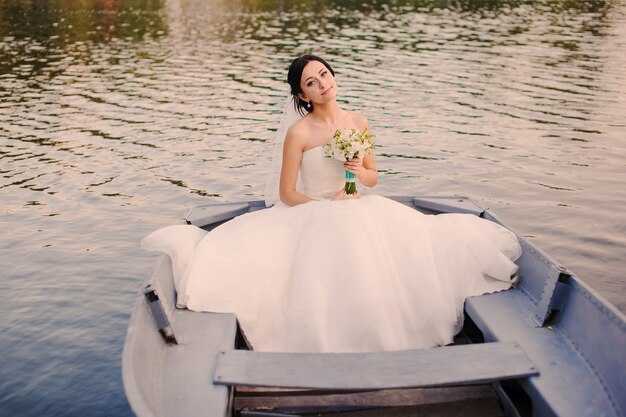
选择一艘更大的双体船,可容纳 80-120 位客人,拥有开放式白色甲板和坡道,以方便行动不便的客人通行,确保顺利抵达和离开。.
对于白天的庆祝活动,双体船和机动游艇在空间和稳定性之间提供了最佳平衡;单体帆船可以容纳 40-60 位客人,并拥有优雅的内饰。理想的选择取决于活动是正式的坐式晚餐还是休闲的站立式招待会,以及您的航线的许可证和船员要求以及当地法规。寻找船员与客人比例较高(至少 1:12)且拥有训练有素的安全员的型号,尤其是在应对风和天气突发情况时。.
甲板布局要点:主甲板设带阴凉的用餐区,可容纳 60-90 位宾客就座;船尾设有露天休闲区;前甲板设有日光浴垫。 如果提供过夜租赁,中型双体船需确保有 3-6 间客舱,大型单体船需确保有 4-8 间客舱;船员空间需保持独立。 船尾或侧面通道的坡道有助于客人轻松登船。 厨房应配备餐盘,并能处理您的策划师菜单中的餐盘式菜肴,同时保持服务速度。.
设施包括洗手间、空调和有遮蔽的酒吧区;确保过夜活动时船舱干净。内饰采用白色或中性色调装饰;音响系统可提供轻柔的背景音乐或现场原声表演。确保乘客可以在所有甲板上轻松到达洗手间和出口;布局应尽量减少客人在主甲板、夹层(如果存在)和船首休息室之间移动时的拥挤情况。.
天气与风力考量:选择配备密封引擎和备用导航的船只;确保坡道和门能够密封以防浪花或雨水。预订前请确认许可证和执照已获批准;确认小费已在合同中明确说明,且不与服务质量挂钩。对于包船,请定义您喜欢的装饰主题和餐桌布置;与策划人讨论交钥匙庆祝活动的后续步骤。.
宾客和选择:确保容量适合宾客名单;如果宾客人数已确定,筛选出能够容纳如此多人数且符合安全规定的游艇。首选方法是预订一艘能够容纳更多团体,并有空间进行现场原声表演和提供自助餐或定制餐食选择的船只。具有稳定平台和宽坡道的双体船,为在岸边附近的庆祝活动提供最佳体验,而适合航行的船只则可以为照片和回忆提供激动人心的风力体验。.
登机、中转和时间安排时间表

为了保持流程顺畅,这里有一个简洁、可执行的计划:指定一位专门的主管来监督所有转运和登船事宜,确认舷梯的单一访问代码,并与现场工作人员进行15分钟的演练。.
使用固定的、特定地点的顺序,并将子类型映射到码头、小艇码头和游艇码头班车。 登船前的几个小时已设定:首次进入前两小时进行灯光检查和亚麻布在场地布置,提前 90 分钟开放办理入住登记处,提前 75 分钟首次班车出发,提前 60 分钟开始登船;末班班车在仪式开始后 90 分钟内完成。 发布一份详细、易于参考的指南,以便每个人在当天都能清楚地了解路线,路线标记清晰,并且没有被困在楼梯或坡道上的风险。 这种设置使员工和客人都能轻松使用。.
现场运营:安排一名引导员带领客人,监控每个地点,并确保酒吧区域的服务质量;如果适用,使用包含地点、装卸区和停车位的简易地图。提前准备服务:灯光检查、布草清点以及与主题一致的装饰细节;要求在首次入场前45分钟进行设置后检查;应批准燃料补贴,用于任何驳船转移或其他场馆间的移动。.
排练细则:安排提前一天进行15分钟的彩排,包括甲板安全、客人动线以及给船员的信号。为员工准备一份简明指南,包含场地、接待、地点、灯光、亚麻制品和装饰等关键词,以保持任务清晰。注意确保过渡期间所有人的舒适和安全;确保时间表已充分传达给船员,并在舵舱或驾驶台区域张贴备用时钟。.
许可、保险和合同条款
尽早办理文件许可并获取COI;聘请当地海事律师起草一份明确的合同,涵盖所有利益相关者。这种方法可以减少挑战,并在聘用餐饮服务商、调酒师和船员之前明确责任;他们将与运营商协调,以实现更顺畅的执行。特别是,“隐私”一词应明确界定,以保护访客数据和访问权限。.
-
许可和监管许可
- 从港口当局和当地机构获取安全港口准入许可、船舶停泊许可、活动许可和任何必需的安全批准。.
- 提交废弃物处理计划、噪音控制措施和照明计划;确认码头使用时间和装卸窗口。.
- 在华盛顿州,请查阅县和市关于水上聚会的规定,并与船长协调甲板布局和宾客流动。.
-
Insurance and liability
- 提供一份利益冲突清单,包括主持人、船只运营方、餐饮服务商和调酒师;包括船上活动以及船只和场所的保险范围。.
- 最低责任限额:每次事故1,000,000,较大团体可选择2,000,000的总限额;要求附加被保险人认可和放弃代位求偿权。.
- 文件取消及天气中断条款;注意如果计划变更日期或空间使用,可能需要支付额外费用。.
-
合同条款及包含内容
- 完整范围定义:宾客人数、泊位空间、宾客抵达时间的路线,以及活动和招待会的顺序,包括鸡尾酒服务。.
- 包括项目和排除项目;列出饮食调整、设备和服务等级。.
- 隐私:合同应将隐私一词作为定义术语包含在内,用以规范访问、摄影和数据处理。.
- 致力于安全:要求安全简报、救生衣、训练有素的船员以及所有供应商的单一联系点。.
-
Operational details and risk management
- Arrival logistics: designate a dockside staging area to prevent crowding; ensure still space for emergency access.
- Weather and seas: prepare contingency plans for wind, spray, or seasickness; have a backup plan or alternate harbor if needed.
- Vendor coordination: align with caterers, barts, and bar service to match the vision and avoid duplicative service; confirm surcharges for overtime or special requests.
Weather Plans, Safety Protocols, and Accessibility
Recommendation: Lock in an option that allows rapid relocation to sheltered waters if squalls threaten, with included backup craft and a clearly defined cancellation window. For bahamas charters, verify licenses are current and ensure the crew can manage seasick guests. A caterer can deliver gourmet meals on deck; provide detailed menu designs to fit shaded zones and temperature-controlled containers; prepare a general briefing for all staff and a help line for guests during the event.
Weather plans: Monitor wind, waves, and motion via the website of a marine forecast service. Most reliable forecasts cover 48 hours; check updates at least every 6 hours during the operation. Set thresholds: depart only if wind stays below 20-25 knots and seas are under 1.5-2 meters. If wind shifts or gusts exceed 30 knots, avoid departure or switch to a shore-side ceremony. Ensure ample time to rig fenders, secure lines, and illuminate stairs with lights. If seasick risk is high, offer a staged schedule or a contingency alternative.
Safety protocols: Assign a safety lead and run a 5-minute muster drill before any movement. Require a life jacket on each guest when on exposed decks; keep a VHF radio, EPIRBs, and a first aid kit within reach. Verify that licenses for the vessel and crew are current; maintain spare fuel and essential parts on board. Commit to regular weather checks during the voyage and confirm a clear emergency contact path to help.
无障碍环境: Design the layout for amply accessible navigation from dock to deck, with ramps, wide doorways, and non-slip surfaces. Assign team members to assist a lady guest or mobility-impaired traveler; provide quiet zones and large-print signage; ensure on-board routes and docking procedures are clear. Publish accessibility details on the website to help guests plan in advance.
Logistics and design considerations: Coordinate guest arrivals and pickups: direct arrivals from airports to a harbor facility and arrange a reliable pick-up from hotels. Keep designs flexible for a large group; offer palm tree shade areas and ample lighting to enhance ambiance. Work with a single caterer or preferred vendor to ensure consistent service; ensure options for dietary needs; keep lots of water, fuel, and backup power on hand. Most scenarios can be executed with careful planning; possible delays can be avoided by clear communication and a well-documented case file for contingencies. If conditions permit, arrive early to verify equipment and rehearsals.
Food, Drink, Vendors, and Onboard Decor Policies
Lock in an all-inclusive catering and decor package via the coordinator to set clear expectations and simplify logistics; this approach would determine menu options, beverage flows, and décor standards before day-of constraints arise.
Opt for a focused menu with 3–4 main courses or a chef’s tasting aboard larger vessels, including wedges as first bites to manage service time and room capacity; offer wines like Pinot Grigio and a single red for formal courses, and ensure options stay within the all-inclusive cap.
Limit the roster to vetted vendors with maritime experience; require proof of liability insurance; spell out procedures for setup, service, and breakdown; avoid ad hoc arrivals that disrupt deck crew and safety protocols, and set constraints on simultaneous deliveries to protect access to ladders and life-saving gear.
Decor should stay within vessel-safe aesthetics: lanterns or LED light fixtures, slim garlands, and flowers in limited arrangements; avoid open flames, clutter, and heavy props that interfere with aisles or emergency exits; limit floral volume to preserve sightlines and access to safety equipment.
Plan for entire spaces used: main room for dining, lounge areas for mingling, and a separate room for staging and service; the vibe should match the itinerary–great options in mexico and the Caribbean; ensure the coordinator aligns with the ship’s crew to streamline checks and approvals, and to optimize amenities like restrooms, shade, and seating.
Decide on a formal or relaxed tone; set a dress code if needed, and communicate attire expectations to all vendors; formal touches emerge through tableware, glassware, signage, and lighting that signal the intended room vibe; ensure the lady of honor has preferred access to seating and service areas; policies are visible to the captain, crew, and guests before embarkation.
Policy matters include candle safety, fuel sources, and emergency procedures; this matter of safety requires strict adherence to maritime regulations, smoking restrictions, and zoning rules on decks; provide a quick contact list for the onboard coordinator and ship’s safety officer to handle issues promptly.