


 简体中文
简体中文  English (UK)
  Русский
  العربية
  日本語
日本語  한국어
한국어  Magyar
  Türkçe
  Español
  Čeština
  Svenska
  Português
  Ελληνικά
  Suomi
Suomi  Nederlands
  Română
  Italiano
  Français
  Polski
  Українська
  Deutsch
  Slovenčina
 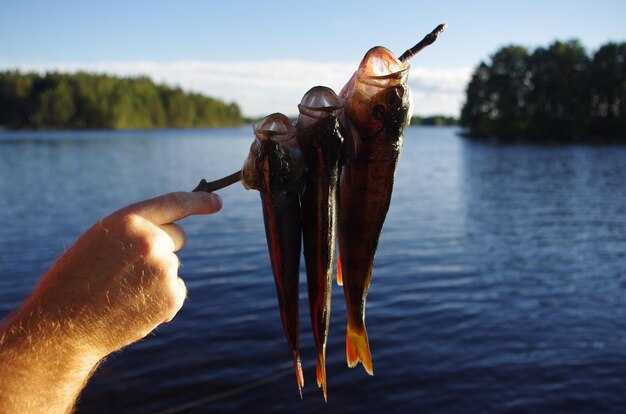 Mastering Angler Etiquette – Essential Tips for Respectful and Enjoyable Fishing">

Pick a quiet spot and arrive early to give yourself time to observe the area and check parking access. When you step onto the water, angling etiquette starts with space: give other fishers room to cast, particularly if someone is near a popular spot. Keep your voice low and your gear organized, so you don’t alarm wildlife or startled fish. A certain focus on calm behavior helps everyone stay happy and avoid unnecessary conflict.
Respect the spot of others and avoid crowding. Use a designated area for gear and buoys; place them so they don’t trip others. If youre near someone else’s line, step back and invite them to pass. If there is conflict, address it with a calm tone; think about what would help the other person enjoy their time, and offer a quick solution. If you take a break, do not leave unwanted gear or trash; pick up after yourself and others will be happy to return next time.
Keep your gear organized to reduce clutter in the parking area and along walkways. Mark your buoy lines clearly, so they stay out of the main angling lanes. When pulling in or moving, speak briefly and give others space to adjust; this simple courtesy prevents mistakes and keeps mood light. If someone is near your preferred pool, offer a short walk to a nearby bank to preserve space and keep lines clear.
Share knowledge with tact. If you must explain a technique, keep it concise and patient; something practical helps, like checking knot strength, re-tying securely, and keeping a clean, easy-to-handle rig. If you see unwanted bait, offer to take it with you or dispose of it properly. In a busy session, rotate turns so each person enjoys angling opportunities and leaves with a sense of happiness and progress.
End of day etiquette: resecure gear, wash hands, and ensure wildlife remains alive. When you leave, take all trash and remind your fellow anglers to do the same. The rule is simple: give space, treat others with respect, and think before you speak. Following these steps makes the next outing smoother and more enjoyable for everyone.
Mastering Angler Etiquette: Practical Tips for Respectful and Enjoyable Fishing
Before you cast, introduce yourself to nearby members and agree on who goes first, where to stand, and which gear stays on the rack; clear communication reduces entangle risk and crossing lines.
Check wind direction and choose a spot that keeps lines away from both anglers; if you must do any crossing, do it slowly and politely.
Keep gear tidy, avoid entangle opportunities, and keep your things organized; when you reel in, pause to check for slack that could snag a nearby angler; announce your movement if you are stepping into someone’s line.
Respect wind and current when casting; look for slippery banks and rocky ledges; wear grippy footwear and avoid leaning over water; walk on established paths to leave a minimum footprint in the wilderness.
Mind your trash and forget to bring a bag; take every wrapper and line piece with you; avoiding litter shows you are responsible.
Different anglers bring perspective as well; theyre requests may vary, such as asking for extra space or a swap of spots where you fish; respond with patience and clear communication.
Take turns looking for bites; once you are looking at a promising sign, it’s easy to wait your turn and avoid crowding; keep things friendly and nice.
Be responsible: before you move, check surroundings; keep lines tidy; and remember that by following these tips you are likely to improve everyone’s experience.
One Apprenticeship Path to Practice on the Water
Start with one coached session on shore to mastering the basics before you take the practice to water. Before you touch a rod, focus on hand position, stance, and line control, which makes the rest safer and more respectful of nearby anglers. In any situation, this approach stays calm and avoids overreach. arenât starting small and deliberate easier for yourself, you can stay in control and leave a positive impression with other boaters?
Move onto the water only after you have practiced the basics; choose calm stretches with limited traffic to avoid congested crossing points. Keep the boat occupied by a single angling team, maintain space, and use a quiet voice instead of shouting. Note features like weed beds, drop-offs, or current seams, and log them in a pocket notebook. If you choose to share progress, post on tumblr, but keep content practical and factual. When you feel confident, practice releasing the line smoothly and safely, then come back to shore for refitting and reflection. Also consider boating etiquette to avoid disturbing others.
On the water, maintain a concise routine: breathe, settle stance, and make deliberate casts with one hand, then progress as control improves. Even small adjustments compound, so keep movements smooth to avoid jostling the boat, and watch for a situation that requires pausing. The features you notice–wind, wake, and current–help you decide when to advance. Patience remains the core driver, so repeat the drill until it feels automatic.
Already, you will notice small wins: a clean release, a subtle take, a tidy recovery, or a quiet approach to a passing boat. This one apprenticeship path lets you grow, and once you master the basics, you can take on more complex scenarios. Leave the water better than you found it by releasing gear properly and respecting limits. This approach adds value to your own time on the water and to others who share the space on boating days.
To sustain progress, set a weekly micro-goal, come back, and reflect. Anything you improve today compounds into steadier handling tomorrow. Yourself will gain confidence as you document gains and adjust techniques, and you will see that patience and consistency are more important than speed. The path is practical and repeatable, and it fits boating trips, creek paddles, or lake days, with you at the center of responsible angling.
Respect space on crowded waters: keep distance and share access
Keep space on crowded waters by giving every person on nearby boats at least 15 meters of clearance. When wind or traffic reduces visibility, extend that distance to 20 meters. Ahead of your approach, signal to them with a simple hello and steer to the side so others can pass without interference, staying beside their path rather than cutting through it. Sharing access makes the lake’s life better for all, not just those with the loudest reel. Working together, etiquette stays easy.
Find spaces that offer room for you and others, and manage access by rotating spots. If you reach a popular cove, fish from the edge with enough room for a small boat to pass, and avoid blocking ramps or the main channel. Every boater benefits when you think ahead and keep the flow smooth, minimizing wakes that pollute waters and harming life along the lake’s shore. Tales from seasoned anglers show how small steps matter, and sharing access improves the experience for everyone. Over time, many anglers took to sharing spots as a rule. Every person on land deserves easy access too. Set specific rules for your group to keep order.
Stow gear on deck and along the side, not on the bank. If you work from a small craft, keep lines tidy; use a reel to handle your tackle but avoid tangling others’ lines. When you anchor, keep the anchor line out of the main path so others can pass from ahead or beside you. With these methods, you maintain order on crowded waters and protect real life on the lake’s waters.
When space narrows, talk to them with a calm voice. A simple head nod and hello can reset directions, and you can suggest moving further apart or sharing a corner of the lake’s water. If wind goes calm, move to a different patch of waters where space opens, keeping access easy for every boater and reducing chances of confusion beside shorelines and in the wind.
| Situation | Action | Why it matters |
|---|---|---|
| Crowded launch area | Yield to others, keep your line clear, pass to the side | Prevents accidents and keeps space accessible for all |
| Approaching a group of anglers | Slow down, give broad berth, signal your presence with a wave | Reduces wake and respects their space |
| Shore access near busy coves | Stay off the most used lanes, fish from edge, rotate spots | Supports safe movement and wider access |
Quiet casting and shore-friendly techniques: minimize splash and wind disturbance
Start with a quiet roll cast from shore to place the line softly on the water. Keep the rod tip low, the wrist relaxed, and the motion smooth; this minimizes splash and wind disturbance, which will help nearby anglers and boats stay comfortable.
Limit your cast distance to twenty meters; a short, controlled arc reduces surface disturbance and improves bite detection. Use a 9-12 ft leader with a 4-6x tippet for fine presentations when hatch activity is light.
When a boater is operating nearby, cast sideways and politely acknowledge them; avoid aiming toward their wake and keep your backcast away from their path. This reduces disturbance and keeps everyone happy.
Set up shore-friendly gear: floating line with a long leader, 9-12 ft; keep the line in contact with water rather than lifting it high; mend gently to keep the head of line quiet, and think about hatch activity to guide your fly choice.
Technique tips: roll cast, sidearm, or near-water casts near the bank; practice a dry-run in your yard to build patience; long, deliberate strokes create less splash and help your confidence grow.
Considerate angling means adjusting for wind: angle your cast slightly to skim the surface rather than plowing through it; stay aware of nearby land features that reflect sound and surface ripple; your awareness makes you quite effective.
Over years of practice, a calm approach will make you happy with quieter presenting and fewer tempers in the boat or on the shore.
Between river and lake scenery, targeting calm pockets near shore during hatch improves chances: think about where fish lie between current seams and calm water; operate quietly and minimize splash; nothing will keep the experience pleasant for every person.
Gear etiquette: safe hook handling, clean rigs, and reasonable gear sharing
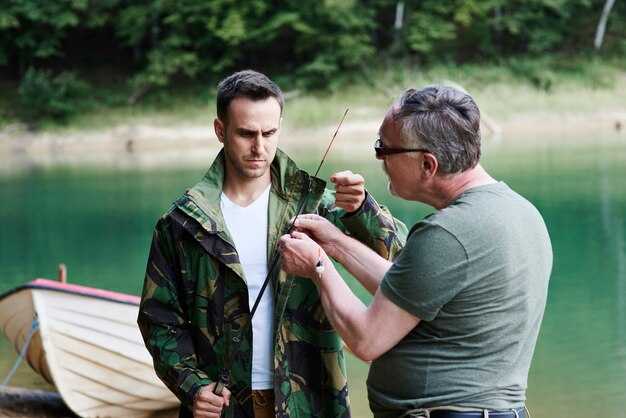
Always handle hooks safely and keep equipment stored properly; dont rush the unhooking and always carry pliers. This simple rule helps anglers on lakes stay confident ahead of the next cast.
Maintain clean rigs: rinse and inspect lines, knots, swivels, and leaders after every session. When you replace a worn part, do it in a designated area and label the replacement clearly; easy checks save time and prevent marginal wear from turning into a failure.
Sharing gear should be fair and limited: offer only what you wont miss, and set a second limit if the other angler dont need it. If you join a common spot, keep spare tackle in a bag and dont leave it in the way; this keeps small areas clear and avoids conflict.
Safety around bivvy and campsites: store rigs away from sleeping areas, secure loose lines, and keep paths clear in places where people move; never leave hooks or lures within reach of children or pets. Respect others by keeping noise low and avoiding clutter that can scare newcomers.
Learn to build confidence through responsible habits: practice safe hook handling, clean rigs, and fair sharing. Although you fish in busy lakes or remote waters, a thoughtful approach makes angling safer, friendlier, and more enjoyable for everyone.
There is nothing complicated about making these practices part of your routine.
Catch-and-release care: barbless hooks, humane handling, and rapid returns
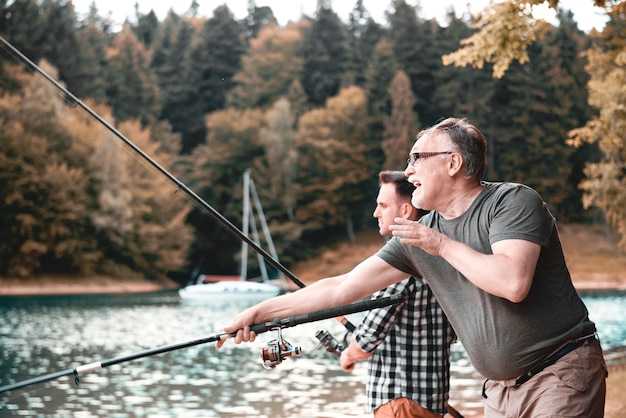
Equip barbless hooks on every setup and attach dehooking tools and a knotless net to your vest or boat. Prefer single hooks when possible to minimize injury and streamline releases; release a fish within four seconds of landing to reduce stress and improve survivorship.
-
Handle with care: wet hands or gloves, support the fish along the body, and keep it in the water as long as possible. Avoid squeezing or touching the gills, and maintain a calm, respectful stance on the shoreline or deck. If a fish looks stressed, shorten exposure and prepare to release promptly.
-
Unhook efficiently: use pliers or a dehooking tool to remove the hook with minimal handling. With barbless hooks, the single point usually releases easily, and if the hook is deeply embedded, cut the line and leave the hook to rust rather than force extra injury. Keep baits attached only when necessary to control the fight and reduce needless stress.
-
Revive and return safely: gently move the fish in clean, moving water to encourage gill flow, and avoid stirring up sediment–stir should be avoided during recovery. If the fish shows signs of life, move it gradually toward deeper water and let it dictate the pace; the goal is a short, confident return to the water.
-
Post-release etiquette: tell boaters and other anglers nearby what you’re doing to minimize crowding along the shoreline and waterway. Maintain awareness of size and species distinctions, since some fish require longer revival times than others. Unless the marginal conditions force a different approach, release promptly to protect the next anglers’ experience and the health of the fish population.
These steps reinforce a respectful approach to sport fishing, where following best practices helps every look at the sport stay great. The practice is a long-term pastime that happens best when you keep things simple, safe, and focused on releasing with care. For guidance that blends practical tips with local rules, consult houwen resources and stay aligned with four key actions: prepare, handle, release, and maintain a clean shoreline–because conserving every species and its size supports a thriving fishing culture for all.
Apprenticeship roadmap: how to find a mentor, structure practice, and track progress
Secure a six-week mentorship with a local angler at your lake, with two 2-hour sessions per week and a simple practice log to capture progress.
-
Find a mentor
- Identify candidates at the lake club, shop, or on boats who show patience, clear feedback, and a mindful approach to safety. Look for someone whose view of fishing emphasizes technique and respect over shouting or shortcuts.
- Prepare a concise one-page plan: your current equipment, your long-term goals, the reasons you’re seeking guidance, and a proposed schedule that fits around work or family commitments. Bring a small list to keep the discussion focused.
- Initiate a brief intro chat in a calm setting by the water. Propose a trial week, outline what you’ll cover, and offer help with gear, boats, or the bivvy if you camp nearby. If you align, set a date for the first session and clarify what you’ll bring.
- Agree on boundaries and expectations: safety first, no heavy lift on equipment disposal or changes that disrupt others, and a plan for feedback that respects both sides. You’ll likely notice changes in when and where you fish, so confirm locations and water conditions you’ll practice in.
-
Structure practice
- Week 1–2: establish fundamentals. Cover safety, basic knots, line management, casting fundamentals, and silent, mindful communication with partners on the water. Focus on calm, sized pulls and avoiding unnecessary movement that spooks fish or crowds other anglers on a busy lake.
- Week 3–4: translate skills to real conditions. Practice casting accuracy across features such as weed edges, drop-offs, and open water. Learn how wind direction changes presentation, and how to adjust line size and leader length for different targets. Practice boat and shore etiquette, including how to position without crowding pullouts or unwanted gear.
- Week 5–6: simulate a full session. Combine rig setup, bait selection, and line control in a flowing routine. Work on reading underwater structure and current lines, interpreting passing shadows, and refining your view of the water column under windy conditions. End each session with a 5–10 minute review to adjust the plan and goals.
- Within every block, build a routine that includes time for equipment checks, safe disposal of unwanted gear, and keeping the lake environment clean. If you carry gear in cars or on boats, practice orderly loading to minimize waste and noise.
-
Track progress
- Use a simple log with fields: date, location, weather, wind, lake features, gear used (size, line, hook), practice focus, and notes on technique. Include a brief “mindful moments” line to capture confidence and patience during the session.
- Set milestones for each stage: improved line control, consistent casting distance, better read of wind shifts, and calmer, quieter on-water presence (no shouting). Use “therefore” to connect outcomes to actions: if grouping of errors decreases, therefore you can raise the bar on a new task.
- Record qualitative gains and any challenges. Note pullouts you avoided or encountered, and how you handled them. If you discovered unwanted gear or equipment clutter, log how you disposed of or organized it to keep the space open for practice.
- Review weekly with your mentor. Use the feedback to adjust the next week’s milestones, capture reasons for changes, and keep momentum without rushing through steps. Celebrate small wins like improved patience or longer, cleaner casts, which build confidence over time.