


 简体中文
简体中文  English (UK)
  Русский
  العربية
  日本語
日本語  한국어
한국어  Magyar
  Türkçe
  Español
  Čeština
  Svenska
  Português
  Ελληνικά
  Suomi
Suomi  Nederlands
  Română
  Italiano
  Français
  Polski
  Українська
  Deutsch
  Slovenčina
  How to Plan the Perfect Yacht Vacation – Essential Guide & Itineraries">

Recommendation: Start with a captain-led yacht on your first-time getaway to guarantee safety, insurance coverage, and steady handling. This keeps decisions clear, and they’re making memories from day one, while you enjoy every moment comfortably.
Next, set your desired balance and comfort level. Seasoned travelers explore a mix of on-water days and shore getaways, with a personal itinerary that matches your crew’s pace. Define a clear daily focus, and let simple data–wind, currents, and marina options–shape your 决定.
Finance-wise, lock in the charter with transparent terms and reserve about 15% of your budget for contingency and insurance. This keeps you comfortable and drives satisfaction across the crew. Ask your broker for a simple, clear pricing sheet and a cancellation policy that covers weather delays, ensuring you stay in control of the plan. Here are practical tips to keep costs predictable while maintaining comfort.
For a 7–10 day plan, allocate 3–4 days on-water and 3–4 stops at anchorages or marinas. Choose ports with reliable provisioning, good water access, and, if needed, Wi‑Fi. If you target a region like the Caribbean or the Mediterranean, pick two anchorages within a comfortable sail of each other and reserve one personal excursion day to enjoy a local harbor town, markets, and dining.
Before departure, verify safety gear, confirm insurance coverage, and align crew skill levels. Here are practical tips: use a short-term forecast window to set anchor or marina options for the first 48 hours, keeping the rest flexible so you can adjust and enjoy the scenery with confidence.
How to Plan the Perfect Yacht Vacation: Key Guide & Itineraries; Seasonal Timing by Region
Lock your route and dates first: pick a region, block a 7–10 day window, and confirm a vessel size that suits your group. Work with an experienced captain and crew you trust, and ensure access to personalized planning that matches your expectations. If you travel with kids or guests who want remote anchorages, specify your need for stable platforms and water toys on board.
Mediterranean timing: April–June and September–October offer milder winds and calmer seas; July–August can be hot and crowded at popular ports. Caribbean timing: November–April provides drier days and reliable trade winds; January–March sees peak traffic; June–November brings higher risk of storms. Southeast Asia options: Phuket/Andaman and nearby waters are best November–April; Bali and surrounding areas favor April–October; avoid the monsoon months in most areas. South Pacific destinations like Tahiti attract May–October sailing; cyclone risk is higher November–April. Align these windows with your flight plans to optimize connections and minimize layovers.
Questions to guide planning: how many travelers, ages, and mobility needs? which activities matter most–snorkeling, fishing, spa, or fine dining at ports? what’s your budget for charters, provisioning, and crew tips? are you flexible on dates or ports? once you answer, draft a route with 4–5 anchorages per week to keep transitions smooth and nights comfortable. Adhering to this framework helps your crew align and your expectations stay realistic.
Beginners basics: for a first charter, pick a medium-sized yacht around 40–60 ft that sleeps 6–8 and offers a stable ride. prioritize a vessel with straightforward provisioning, a capable captain, and a crew trained for on-board safety. plan to spend your first week with 4–5 anchor nights and 2–3 marina stops, easing transitions and building confidence on the water. If you want remote nights, ensure your boat can reach suitable anchorages; and dont rely on casual shore access–coordinate provisioning and fuel stops with your skipper.
Personalized planning steps: map your route around the regions you want to visit, then lock in the factors that matter most–shore access, weather windows, and activities for your group. Ask yourself: what is your route, which ports do you want to visit, and what level of remote time do you want? Seek a draft plan from an experienced captain and refine it with your questions until you feel yourself confident about the route. This approach boosts confidence and keeps your party focused on rest, snorkeling, dining, and exploration.
Core Planning Framework for Yacht Charters
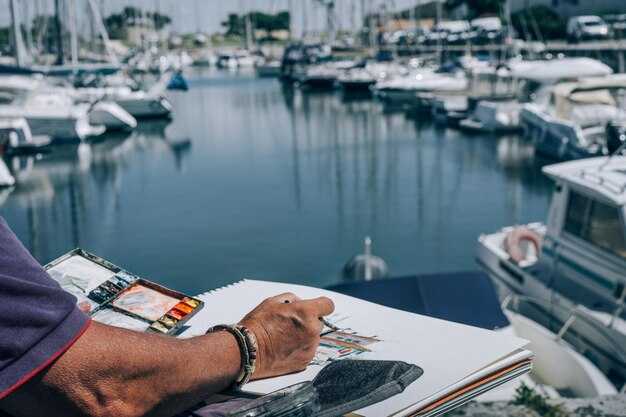
For first-time charterers, verify contracts and lock a baseline route that covers key destinations along the south coast and cannes, with protection for hull and guests.
Create a packing and provisioning checklist that accounts for crew size, guest needs, and local provisions; plan for food, drinks, medical supplies, and spare parts.
Map the daily route with clear milestones: anchorages, ports, and bays; confirm depths and currents in the waters you plan to sail, noting peak conditions.
Define service standards and assign crew roles; outline communications protocols, safety drills, and guest experiences.
Draft contracts with the boat owner and charter company, then verify all terms; set up the process for port calls, provisioning, invoicing, and refunds.
Protection includes insurance coverage, hull, P&I, medical evacuation options, and weather risk measures.
Plan for remote ports and off-grid anchorages; confirm cell coverage, satellite messaging, and power backups.
There is a need to address last-minute contingencies for weather shifts or port changes, taking a lightweight decision framework.
Process steps: verify contracts; set up the itinerary; complete packing; confirm the route; assign crew roles; ensure cell and radio readiness.
Clarify Priority Trips and Budget
Begin by listing your top three trips and attach a per-trip budget; this begins crisp decisions for your voyage. Always tie each item to a core moment–snorkeling on a fiji reef, sunset events on a riviera balcony, or a quiet anchorage day–and note why it matters to you.
Develop a questions checklist to clarify your priorities: preferred routes, sailing pace, group size, and the balance between on-board performance and shore excursions. Use these questions to refine your understanding before you commit to charters or a voyage.
Forecasts matter. Review seasonal weather and sea conditions for each leg, focusing on favorable forecasts for snorkeling, anchorage stays, and port visits. If forecasts show a stable pattern, you can lock in more ambitious trips; if not, shift to gentler itineraries that reduce risk.
Split the budget into two lanes: fixed costs (charters, crew, fuel, port fees) and on-board experiences (dining, activities, equipment). This breakdown helps you compare options objectively and protects against overspending while preserving quality. Always carry a small reserve for contingencies and last-minute changes in events or weather.
| Priority Trip | Target Budget (USD) | 说明 |
|---|---|---|
| fiji snorkeling & islands | 5,000–8,000 | optimal window: may–sept; favorable forecasts; align with captain’s plan; carry light gear; include two snorkeling sessions per day |
| riviera charters & shore events | 7,000–12,000 | blend coastal cruising with shore events; this choice keeps schedule flexible and ensures you meet onshore desires |
| fiji + riviera loop | 12,000–20,000 | cross-route experience; discuss options with captains; the choice may require one or more charters |
Choose Charter Type: Crewed vs Bareboat and Crew Considerations

Go with a crewed charter for a stress-free start, excellent service, and unparalleled guidance from a seasoned crew. Know your priorities.
For sailors with proven experience, bareboat offers total freedom, access to more destinations, and lower recurring costs–yet you shoulder every decision, and last-minute weather changes demand quick action. However, paddleboarding adventures and on-water activities can be easier to schedule when you chart your own course and keep safety plans ready.
With a crewed yacht, you stay onboard while a captain and crew handle navigation, docking, provisioning, weather monitoring, and safety, letting you focus on experiences. Key aspects include safety, provisioning, and routing. As a quick guide, the crew can tailor daily plans to your group, balancing travel between spectacular destinations and hidden coves using their guidance and local knowledge.
Budgeting and planning depend on your choice: bareboat shows a lower base rate, while a crewed charter includes crew, provisioning, and concierge services. Account for an allowance for port fees, marina dues, and provisioning, and use a concise guide to compare options. Compare the offering carefully to see what is included. The key factor is safety and reliability of the navigation crew or skipper you hire.
To optimize your itinerary, plan paddleboarding sessions in calm bays and anchorages, and book guided experiences ashore or on the water. Your crew on a crewed charter can arrange these activities, while bareboat groups coordinate themselves.
Premium moonen vessels offer a stable ride and wide deck spaces, enhancing stay onboard comfort. These designs deliver a calm seas performance and a sense of luxury that most sailors appreciate.
Know your group size, experience, and preferred pace. If you seek seamless planning, onboard meals, and expert routing, a crewed charter delivers. If independence and a lean budget drive your choice, bareboat can fit, provided you stay current with safety, weather, and navigation knowledge. This choice shapes success by aligning expectations with reality.
Draft Region-Based Itineraries (7–10 Days)
youre planning a northern to south loop aboard a superyacht for 7–10 days? Start with two baseline legs that blend snorkeling, coastal scenery, and chef-driven tastings, then adjust for your budget and group size. Among the choices, you can mix legs to suit your personal preferences and keep the interiors, living areas, and deck configurations ready for groups of various sizes. This approach supports success in delivering memorable experiences with crew standards that meet onboard etiquette and safety requirements. One aspect to consider: shoulder seasons can unlock better rates while preserving weather and waters conditions. there’s potential to add private island stops or special culinary events as you refine your plan.
-
Caribbean & Bahamas Loop (7–9 days)
- Day 1 – Nassau or Freeport base, depart toward Exuma Cays; welcome briefing and a chef’s first-taste on deck.
- Day 2 – Snorkeling through Thunderball Grotto; anchor near Staniel Cay; enjoy complimentary cocktails and a dip in warm waters.
- Day 3 – Compass Cay and iguana spots; private beach lunch; review the boat’s personal interiors to tailor the ambiance for your group.
- Day 4 – Exuma National Park coastline; shallow dives are replaced by protected reef snorkels; etiquette reminder in harbors and marine parks.
- Day 5 – Pink sands of Eleuthera or Harbour Island; beachside lunch and water activities for everyone; budget note: provisioning in advance helps manage costs.
- Day 6 – Abaco chain short-hop hop; group options include fishing, shore excursions, or spa time aboard; standards of service remain high.
- Day 7 – Return to Nassau; onboard chef hosts a closing tasting; disembark or extend for a private island add‑on.
-
Mediterranean West & Adriatic Loop (8–10 days)
- Day 1 – Depart from Nice or Mallorca; cruise along the coast, with a welcome briefing and interior layout check for your personal comfort.
- Day 2 – Corsica’s coves (Calvi or Bonifacio); snorkeling stops and a light tasting menu prepared by the on‑board chefs.
- Day 3 – Sardinia’s Costa Smeralda; anchor near Porto Cervo; shopping, shore excursion, and a lounge session to tune the interiors for guests.
- Day 4 – Lavezzi Islands stop; pristine water, sheltered bays, and a complimentary seafood lunch; etiquette tips for marina calls observed.
- Day 5 – Amalfi Coast based leg; Positano and Capri options; private guide ashore for a cultural break while the boat stays on call.
- Day 6 – Naples or Sorrento side sail; chef’s special dinner featuring local ingredients; shoulder-season pricing may apply in ports.
- Day 7 – Return toward base with a final onboard tasting and a quick interiors check to tailor the next leg; disembark or extend to a second leg.
-
South East Asia Circuit (9–10 days)
- Day 1 – Phuket hub to Similan Islands; snorkel through crystal waters; onboard gear is ready for all ages and experience levels.
- Day 2 – Similan Islands snorkeling route; beach lunch on a private islet; etiquette notes for protected marine areas followed by a sun‑settin on deck.
- Day 3 – Krabi or Phi Phi anchors; explore limestone formations from a kayak or stand‑up paddle; chef’s tasting menu highlights regional herbs and seafood.
- Day 4 – Langkawi crossing to Malaysia; offshore mooring with a spa session and a curated interiors reveal to guests.
- Day 5 – Phang Nga Bay and Phuket back‑to‑base legs; intimate group activities or solo downtime on deck; budget tip: consolidate provisioning to avoid premium stores.
- Day 6 – Optional extension toward Singapore or Bali; complimentary watersports and a final crew briefing to refine personal preferences for future legs.
Tip for planning: track the potential ports of call against your budget and preferred vibe, then lock in a core set of choices that emphasize snorkeling, private dining, and shared experiences. Maintain a consistent etiquette standard in harbors and preserve the boat’s interiors as a comfortable backdrop for groups. By framing each region with a practical day-by-day rhythm, you can adapt quickly to weather or guest energy while keeping your budget in check and ensuring every aspect of the trip aligns with your expectations.
Seasonal Timing: Best Windows to Sail by Region
Best window to sail the Caribbean is November through April, delivering calm seas, reliable trades, and an unforgettable family trip.
When you plan by location, start with the basics: weather patterns, storm risk, port capacity, and on-board needs. A medium-sized yacht built for family vacations fits this window, with steady service and multiple sheltered anchorages. The route cover typically spans the Virgin Islands, Antigua, Barbuda, Jamaica, and the Bahamas, with consistent conditions along the south-facing lee. Today, check the latest forecasts and adjust your schedule to avoid late-season fronts that can disrupt short hops.
Caribbean & Bahamas window summary: November through April offers light winds, warm days, and minimal rain in most areas, making day hops simple and predictable. Always reserve marinas well in advance and plan for day-trips to reefs and shipwrecks; this timing suits first-time crews and family groups, helping you maximize snorkeling and beach days without long passages.
地中海 window: May through June and September through October provide long days, comfortable temperatures, and gentler crowds. This spread supports a route that covers Corsica, Sardinia, Amalfi, Dalmatia, and the Greek isles with moderate seas. For a family voyage, avoid peak heat and marina congestion in July–August and rely on early June or late September to retain good snorkeling and dining options. Always confirm port slots and fuel stops in advance.
Southeast Asia & Indian Ocean window: November through April suits many Southeast Asian coastlines for dry days and reliable winds. In Indonesia, plan around May through September for the best dry arc between islands like Bali, Lombok, and Komodo. For Mauritius and Seychelles in the western Indian Ocean, the peak windows run roughly from October to April; pick a period that aligns with your crew’s preferences and avoid the core monsoon. Under this plan you can cover a varied route with sheltered bays and reef stops.
南太平洋 window: May through October delivers cooler air and drier conditions in Fiji, Tahiti, and other islands, with steadier trades and reliable anchorage options. Prepare for stronger winds in the mid-winter but enjoy calmer anchorages in May and October. A well-paced route can connect reef lagoons, volcanic peaks, and friendly villages across multiple islands, ideal for an unforgettable family vacation.
Red Sea & Persian Gulf window: October through April offers cooler temps and stable seas along the coastlines of Egypt, Jordan, Saudi Arabia, UAE, and Oman. This period suits long itineraries with cultural dives, reliable marina service, and safe days for all ages. Build a route that covers Aqaba, Suez, and Muscat or Dubai; plan sheltered days and safe anchorages for all ages.
Practical planning tips to make the season work: check local permits, verify cell coverage on your chosen route, and confirm service levels on board. Always consider the needs of family members, especially kids who benefit from stable schedules and built-in rest days. Ensure your vacation suits your budget and expectations; book early during peak windows to lock in mid-sized yachts that fit your crew. A wise approach blends market demand with flexible legs in the itinerary, so you can cover more locations without overextending the crew.
Logistics: Permits, Insurance, Provisions, and Local Regulations
Start permit applications at least 6 weeks before your first port call to secure clearance and avoid last-minute delays. That focus keeps your schedule clear and reduces stress for first-time groups, while allowing you to manage timing, events, and provisioning with confidence.
For regional filings and crew documentation, remember to consult your myba network. Among the steps, verify visa rules, port agent requirements, and vessel papers to minimize impact on your plan.
-
Permits
- Types: Port clearance, cruising or pilotage permits, import permits for provisions and gear, and crew or visitor visas where required. Rules vary among countries, so map your route and tally expected authorities at each stop.
- Timing: Begin 6–12 weeks before departure, with a 2–week cushion during busy seasons. In the south, calendars fill quickly, so push the earliest dates for filings and confirmations.
- Process: Compile vessel papers (flag State certificate, registration, survey, insurance proof), crew manifests, passenger manifests, and copies of permits. Engage a local port agent to file on your behalf and track expiry dates with a shared calendar.
- Tips: Build a single permit package that covers multiple ports when possible, request written confirmations, and keep digital and hard copies onboard. This approach yields a flawless handoff between agencies and reduces risk during port calls.
-
保险
- Types: Hull and machinery, liability, protection and indemnity (P&I), crew insurance, cargo or provisions coverage, and optional war or political risk where routes pass through high-risk zones. Align coverage with your planned ports and schedules.
- Timing: Secure coverage before departure and verify expiry dates mid-voyage. Add endorsements for new ports as your itinerary evolves.
- Process: Work with a marine broker; provide vessel specifications (gross tonnage, hull value), crew numbers, voyage plan, and port contacts. Ensure certificates of insurance are valid and accessible onboard.
- Tips: Keep both digital and physical copies on hand, designate a risk manager to monitor renewals, and allocate a line item in your budget for insurance adjustments. With proper coverage, your experience remains uninterrupted even if a claim arises.
-
Provisions
- Types: Fresh produce, dairy, meat, frozen goods, beverages, pantry staples, cleaning supplies, and spare parts. Plan dietary needs in advance and allow for local substitutions to suit regional availability and taste.
- Budget: Set a daily per-person budget and add a 10–20% contingency for price spikes in remote ports. Track usage to maximize satisfaction without waste.
- Timing: Provision for each leg of the voyage, with fresh stock replenished 3–5 days before leaving each port. Build in buffer time for market visits and deliveries, particularly in busy weeks.
- Storage: Reserve dry, cold, and frozen spaces; label perishables with use-by dates; rotate stock to avoid spoilage.
- Tips: Source where possible from local markets to support culture and community, while maintaining consistent galley standards. Among the best practices is a standing provision list that adapts to port availability and crew preferences, ensuring a seamless, unparalleled dining experience.
-
Local Regulations
- Customs and immigration: Prepare passenger and crew lists, voyage plan, and duty declarations; ensure visas and work permits are current; carry vaccination and medical records as required. Have copies ready for inspection and keep originals onboard or with your agent.
- Waste and environment: Follow local waste-disposal rules, log oil and bilge discharges, and use approved waste points. Respect no-discharge zones and protected areas; avoid anchoring in reefs or sensitive habitats unless allowed. Maintain a clear plan for waste handling that aligns with cultural expectations in port towns.
- Anchoring and zones: Adhere to designated moorings and anchorage limits; obtain permit waivers where needed and stay clear of restricted zones during sensitive periods (breeding or fishing seasons).
- Crew and operations: Carry up-to-date crew qualifications, medical certificates, and voyage permits. Respect local working-hour norms and rest requirements when docking in foreign ports; align safety drills with port expectations.
- Regional note: In the south, some ports impose stricter reporting during peak seasons. Confirm with a local agent to avoid last-minute changes that could affect your timing and itinerary.
- Culture and conduct: Honor local customs, food and beverage import rules, and port etiquette. A respectful approach reduces friction and enhances the overall experience for groups and guests.