


 简体中文
简体中文  English (UK)
  Русский
  العربية
  日本語
日本語  한국어
한국어  Magyar
  Türkçe
  Español
  Čeština
  Svenska
  Português
  Ελληνικά
  Suomi
Suomi  Nederlands
  Română
  Italiano
  Français
  Polski
  Українська
  Deutsch
  Slovenčina
 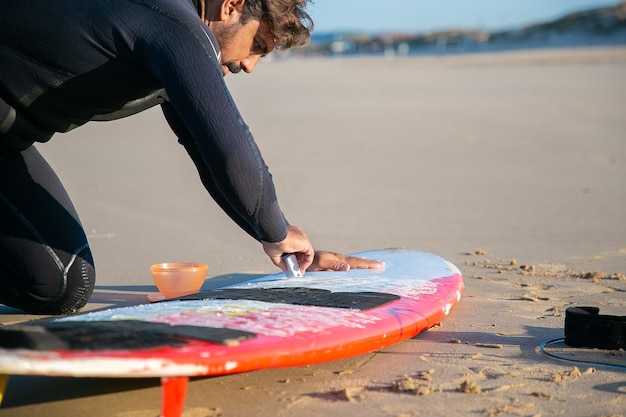 How to Choose the Right Wakesurf Board – A Practical Guide">

Start point:适合体重 120-180 磅的滑水者使用的 52-54 英寸尾波冲浪板;适合 180-240 磅的滑水者使用的 54-60 英寸尾波冲浪板;体重 90 磅以下的儿童适合使用 40-44 英寸尾波冲浪板。 这 start 平衡点保持易于学习,减少挫败感,并使动量保持可预测。这些范围旨在平衡稳定性、速度和控制,避免使用会抑制跳跃的厚重板。这 start 助你自信学习。.
下一步: 形状 根据你的骑行地点和想要的感觉。 对于一个 playful, 冲浪的 氛围对了,就找板子。 设计的 柔软的摇板和宽容的导轨,始终保持 responsive 醒来。. 略读风格 板型提供快速启动和更小阻力,而更饱满的板型则保持冲浪的稳定性。对于初学者来说,通常使用双舵或四舵配置来保持平衡。儿童使用的舵从1.75–2.75英寸开始,成人使用的舵从3–4英寸开始,并根据手感进行调整。在开始学习时,注意抓地力如何改变操控性。.
对于空中表演,确保板面反馈与意图一致。在浪上感觉灵敏的板子 allows 让你在不影响平衡的情况下完成空中动作。适中的弧形设计和 冲浪的, 圆润的外形保留了足够的速度,便于轻松设置 空气 拥挤的线条。轻量结构有助于初学者,而加固的尾部可以切割 impact 从较大的跳跃着陆时。这种方法 helps 大多数骑手都能循序渐进,而不会过度训练。如果你是 trying 新的技巧,在状态改善之前,保持训练保守。.
在实践中,要根据骑手的具体情况定制选择。如果考虑各种方案,最好在购买前简短地试用两种型号。儿童受益于更轻、更短的板子,以便于操作。寻找中部较宽、摇杆容错性较好的设计,以提高启动和转弯时的稳定性。对于所有体重,请检查承重能力,并尽量控制在建议范围内的磅数内,以保持 砰 以及速度。加垫的甲板,, 耐用脚蹼, and a safe 每天使用牵引绳助力,保持训练趣味性,减少失误后的挫败感。.
双舵尾冲浪板选择
选择5’9″–6’1″的冲浪板,配备双鳍,适中弧度,宽平台,可在海浪上稳定操控。.
骑手体重映射:低于 70 公斤:5’9″–5’11″;70–95 公斤:5”11″–6’1″;95–110 公斤:6’0″–6’3″。.
在海洋环境中的学习过程中,对于进步、稳定站姿和保护至关重要。.
- 鳍:双鳍设置使用两个3.75″–4.25″的鳍片,提供平衡的驱动力;保持对称的倾角以实现可预测的出水;这有助于在混合浪况中的操控,并使在浪中划桨更容易。.
- 弧度:没有高性能板型那么激进,但仍适中,足以破浪前进并在落地时提供保护。.
- 平台:宽度约为 18–20 英寸(46–51 厘米)可提供稳定的站姿;确保站姿宽度与骑手肩宽对齐,以实现舒适的平衡。.
- 容量范围:25–60升,取决于骑手体重;轻型25–35升;中等重量35–45升;重型45–60升。.
- 外形:经过专门调整,以提供可预测的手感;圆润的导轨可在海浪和较小的日子里产生更平滑的接触;避免在学习课程中使用极端的尾部。.
- 保护:圆滑的导轨和加固的板头可减少在海滩启动或发生碰撞时的磨损风险;如果经常旅行,请寻找耐用的表皮或保护层。.
- 提手:集成提手可降低进出海时发生意外的风险;如果没有提手,提起船或甲板上时,使用腰带或短绑带抓紧。.
在浪小的时候,这种双舵配置能让浪更容易掌控,适合学习,并且能提供更多控制,防止滑倒。.
寻找选项,重点在于根据体重和浪的特性进行匹配;这可以节省在水上的时间,并提高在海洋环境中的表现。.
评估你的技能水平和骑行风格
对于大多数购买者而言,从较大的板开始,尺寸为 56-60 英寸,可以提供稳定的站姿和更容易的学习;这个范围平衡了浮力和转弯,减少了阻力,并使初步进展成为可能。.
初学者受益于低入口摇杆和宽轮廓以提高稳定性;中级水平骑手则偏好中等尺寸,兼顾稳定性和灵敏触感;高级骑手追求紧凑长度和更大摇杆,以便快速进行水上调整。只有经验丰富的骑手才能掌握高速操作。.
配合风格调整动作:玩乐巡航得益于更宽、更包容的板型和更柔和的导轨;正确的站姿需要一块宽度稳定的板子,而引导式刻滑则需要足够的弧度来保持线路而不拖沓;这种组合使过渡更平稳,并能处理动力激增而不会失去控制。.
根据骑手体重、身高和能力选择尺寸;对于体重低于150磅的骑手,52-56英寸的板面有助于快速响应;对于150-190磅的骑手,56-58英寸的型号适合;对于超过190磅的骑手,58-62英寸的板子保持稳定性。 在冲浪板中,寻找提供平衡摇杆的型号,以平衡速度和机动性;一个轮廓分明的模型是专门为处理从静水到小浪的一系列条件而设计的。.
在评估选项时,请考虑买家的反馈,并寻找一种能够跨越各种风格和条件的通用设置;一款能够以更小的阻力处理动力转换的板子,可在长时间的冲浪中提供更强的控制力;目标是选择一款能够缩短学习曲线,同时在小浪中保持趣味性的型号。.
根据体重和经验选择板子的长度和宽度
建议:体重140磅以下的骑手应选择长度为5’8″–5’10″、宽度为19″–20″的冲浪板式尾浪滑水板,这种板非常适合提供稳定性。体重140–180磅:长度为5”9″–6’0″,宽度为18″–19.5″。体重180–210磅:长度为6’0″–6’2″,宽度为19″–20.5″。体重210+磅:长度为6’2″–6’6″,宽度为20″–21″。初学者在长度上增加2英寸,宽度上增加1英寸,这是偏向稳定性的默认设置;有经验的骑手可以缩小尺寸以平衡力量和趣味性。此规则仅适用于初学者。.
以磅为单位的体重决定了浮力需求;您的经验决定了稳定性和机动性。对于可配置的冲浪板,寻找四或五个鳍选项或插件,以支持稳定性和性能的融合;检查哪种设置在海洋条件下感觉最好。.
海洋状况影响选择:在平静海面,较短的板激发快速转弯;在更大涌浪中,较长的板提供力量,更易于逆风和水面滑行。在大的海洋状况下,这种设置就像船对抗涌浪一样。较小的浮力需要更宽的宽度以保持稳定性;更宽的轮廓提升平衡,更窄的样式锐化响应。.
撇沫板对比传统板:撇沫板通常比长板短四到五英寸,但由于宽大的滑水面而具有稳定的感觉;为了好玩,宽度很重要;为了力量,长度很重要。可配置的鳍片和弧度调整有助于与偏好保持一致。.
Check boxes on spec charts: weight range, length, width, rocker, fin setup; compare size against ocean conditions and personal preferences; use those four data points to pick surfboard that will be performing in most sessions.
Understand Twin Fin Geometry: Fin Size, Position, and Turn Feel
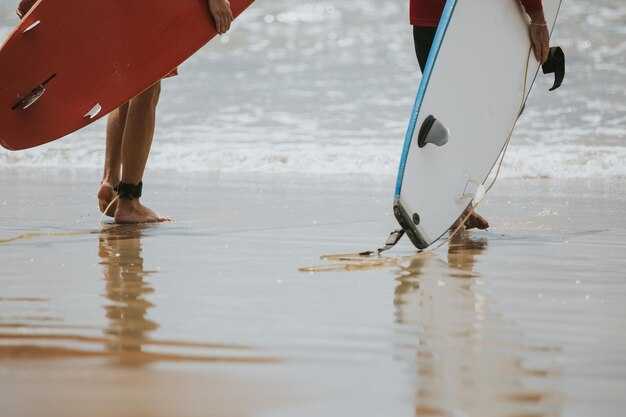
Start with two 3.0–3.5 inch fins, designed for symmetric placement just behind the tail, centered left to right. This setup will ensure balanced grip on water and a predictable feel in chop, helping you progress without surprises. For some riders, this setup may be the fastest way to gain confidence in them.
Size decisions hinge on weight, factors such as needs and preferences, and the experience level of the rider. For lighter riders or when you want a looser, easier ride, choose 2.5–3.0 inch fins. For heavier riders or when maximum grip at speed is needed, move to 3.5–4.0 inches. In practice, time on water will show which range benefits them. Experienced riders and those with intermediate-advanced preferences often find a 3.25–3.75 inch range balances factors like grip and ease.
Positioning matters more than many expect. Forward bias (closer to center) reduces pivot, improves straight-line stability, and eases early planing. Rear bias (toward the tail) increases bite, allowing quick, reactive turns. Start with about 0.5–1 inch behind center for a rearward bias and adjust in 0.25 inch increments to feel the influence on turn feel. This can push your craft toward the feel you want, maybe delivering a sharper arc or a smoother exit.
Turn feel is a product of size, area and foil. Fins with a modest rake and rounded tips deliver smooth transitions and steady grip on water, while a straight leading edge yields more direct response at the expense of some looseness. Larger total fin area increases grip and area coverage, but adds drag; smaller areas feel lighter and easier to rotate. If mounting is padded, you’ll notice less chatter and more confidence pushing into edges. The benefit is easier control during aggressive lines, especially for intermediate-advanced riders who know how to ride the edge.
Riding level and preferences vary: some know they benefit from a balanced, moderate profile, others push for an aggressive setup that rewards timing and precision. Intermediate-advanced riders may push more toward rear bias to pull tighter arcs, while a forward setup can be better for easy power and early release. Time on water will reveal what works for them, and awareness of these factors makes it possible to dial in a setup that balances grip, ease, and reaction.
Rocker, Tail Shape, and Width for Different Wake Conditions
Opt for a mild nose and tail rocker with a rounded or squash tail for versatile wake conditions; this balances speed, catching ability, and maneuverability, helping you learn today easily and providing protection against catching and stalling. For lighter water and smaller wakes, choose lighter boards; this improves balance and lets you respond quickly. There are options across skimmer styles and playful shapes, so you can test a few to find what balances your style. Use this information to narrow down options and pick confidently, much more sure than guessing.
| Wake Condition | Rocker Recommendation | Tail Shape | Width (in) | 说明 |
|---|---|---|---|---|
| Light chop / calm water | Low/mild | Rounded | 19–21 | Easy catching; recommended for learning; playful feel; balances speed and stability. |
| Moderate chop / mixed wakes | Moderate nose + tail rocker | Squash | 20–22 | Stable through chop; better maneuverability; protection against catching edges. |
| Big wakes / steep bowls | Higher nose and tail rocker | Square or Bat-tail | 19–21 | Increased maneuverability; quick edge transitions; expert handling needed; recommended for controlling bigger sections. |
| Smooth water with skimmer emphasis | Flat rocker | Swallowtail or Bat-tail | 21–23 | Skimmer styles shine; faster planing; easy catching and turning; lighter feel for quick responses. |
Fins Setup, Hardware, and Tuning for Optimal Stability
Start with a three-fin setup tuned to weight and wake range. Three-fin designs provide base stability and predictable grip on rails. Center fin should be bigger for stability; outer fins smaller for turn response. For a rider around 70–95 kg, set center fin 3.0–3.5 in, outer fins 1.75–2.25 in. If weight is higher, bump center to 3.5 in; if lighter, drop to 2.8–3.2 in. Outer fins around 2.0 in keep performance crisp when edging into wakes.
Material mix informs grip and stability. In most cases, fiberglass center fins deliver core rigidity and stable tracking across a range of wakes. Blended designs, combining fiberglass cores with soft outer skins, provide a balance between stability and responsiveness. If possible, consider aerials-style fins for improved bite in chop. A hybrid setup with large center and matching outer fins enhances performance while staying stable. Typically, this arrangement will feel predictable for riders of varying weight.
Hardware, box, and tuning details. Confirm fin box spacing matches your board design. Use a grip-friendly base washer and fresh screws; avoid overtightening to prevent cracking fiberglass. After mounting, test on smooth water; if feel is slightly off, swap outer fins to sizes from 1.75–2.25 in and center to 3.0–3.5 in for a more stable ride. Weight will shift during turns, know weight and skill to adjust fin size based on riding style. Experienced riders may rotate fins to tune grip, or move toward bigger center when accelerating through wakes.