


 简体中文
简体中文  English (UK)
  Русский
  العربية
  日本語
日本語  한국어
한국어  Magyar
  Türkçe
  Español
  Čeština
  Svenska
  Português
  Ελληνικά
  Suomi
Suomi  Nederlands
  Română
  Italiano
  Français
  Polski
  Українська
  Deutsch
  Slovenčina
 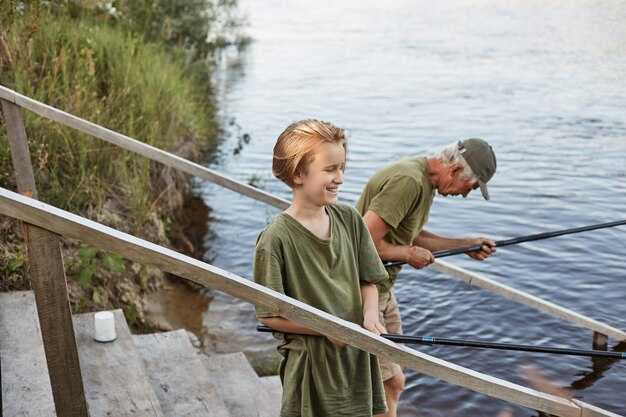 How to Avoid Seasickness on a Fishing Boat – 8 Practical Tips">

1. 起航前约一小时,吃些清淡的零食,然后服用盐酸甲氯芬酯,以缓解在水上可能出现的恶心。你的摄入量应提前计划好,你可以根据体重和耐受程度调整剂量。.
2. 将自己置于船只的中心靠前位置;保持你的 凝视 朝向地平线,避免看向 below 甲板,在甲板上运动更可预测;这些调整会减少前庭感受到的加速度。 system.
3. 航行期间可选择椒盐脆饼、饼干或水果等小吃,轻量补充能量;; through 白天少量多次进食有益。 staying feeling 稳住,坚持住 行程.
4. 在航行前避免大餐;选择清淡、易消化的食物,以减轻胃部负担,尤其是如果您已经多年航行于波涛汹涌的海域。.
5. 补水很重要:经常啜饮水来支持你的 system 并监控你的 吸入; 避免脱水,因为脱水会引发恶心。.
6. 如果你是这些旅行的新手,先从较短的行程开始,以衡量什么适合自己;; specifically, 调整步速和舱内温度以减轻压力 through the day.
7. 拥抱一个 gentle 日常:呼吸均匀,尽量待在户外,并保持稳定 凝视 在地平线上;; gentle 活动和轻微的拉伸有助于防止任务之间的恶心感。.
8. 从多年的旅行中构建你自己的监控提示工具包: 注意什么引发不适,并进行调整 吸入 以及休息时间 through 周密的计划;保持积极主动会让你感觉有能力、有信心,并准备好应对风浪。.
钓鱼者在甲板上保持稳定的实用策略
双脚分开与肩同宽站立,膝盖微微弯曲,核心收紧,一只手抓住稳定的栏杆;这种站姿可以在巡航开始和涌浪冲击甲板时保持上半身的稳定。.
将你的目光固定在地平线上,并保持头部位置不变;稳定的视线可以减少恶心感的产生,并避免在方向盘附近进行不必要的移动。.
控制呼吸:缓慢、深呼吸,用鼻子吸气,嘴巴呼气;焦虑通常是诱因,当你保持呼吸平稳时,焦虑会得到缓解。.
穿防滑鞋,固定装备以尽量减少移动;诸如小型安全带、口哨、小型急救箱和一瓶水等必需品应放在胸前的口袋里,以避免不必要的挪动。.
有条不紊地行动:减少突然的步伐,规划日常任务,并与船员协调;这些方法可以降低恶心的几率,让你保持专注,即使其他人需要用力拉绳索;如果他们在移动,你就进行调整,尽量减少交叉。.
所有天然疗法,如姜、薄荷茶或指压带,都能提供缓解,且副作用极小;如果再次感到不适,也可选择药物,但需谨慎选择。.
相对于风和浪花的位置很重要:稍微迎风站立,保持低姿态,避免身体倾向阵风;风可能是失去平衡的主要诱因。如果想最大程度地降低风险,请采取这种姿势。.
通过保持规律来管理运动冲突:一次专注于一个任务,并将注意力转移到周围的世界或海洋的奇观上,以保持参与度,了解你的身体信号并进行调整,这样可以提高乐趣。.
在地平线观测的同时,手靠近舵轮是一种稳定船身的自然反应;如果必须调整,请小幅度操作,并保持与栏杆的三点接触,一位经验丰富的甲板水手如是说,他深谙平静的平衡之道。.
恶心感可能会卷土重来;如果发生这种情况,请坐下,补充水分,并重新评估食物摄入;当你保持自律并定期休息时,完全倒退的可能性会降低。.
船前餐点和姜味小吃,以缓解胃部不适
在出发前 1.5–3 小时吃一份清淡、均衡的零食,并选择容易消化的食物:涂抹少量酱料的吐司、热燕麦片或搭配饼干的酸奶。充足的液体,尤其是水,有助于消化并减少第一次涌浪前的恶心感。.
姜是一种天然的助手:像姜糖或蜜饯姜这样的糖果选择能提供稳定的效果。在出发前30-60分钟服用一到两块;它们易于携带,而且当甲板开始摇晃时,不会让你感到负担。如果你喜欢,姜茶提供了一种舒缓的替代品,但在微风中,糖果既快速又便于携带。.
为了预防性缓解,在与经验丰富的临床医生或药剂师快速咨询后,可以考虑非处方药。请按照标签使用,并避免与酒精混合。此选项可以通过在恶心信号达到顶峰之前减少它们来增强舒适度,帮助您在甲板上停留更长时间并更安全。.
技巧很重要:充分咀嚼每一口食物,细嚼慢咽,并根据海况调整用餐时间。少量、持续的摄入,搭配糖果或水果,加上清淡的饮料,有助于在摇晃加剧时保持胃部平静。如果出现症状,准备好充足的选择:糖果、饼干、水果,以及批准的药物。需要考虑的点包括选择能在胃里保持稳定的食物,以及为各种情况准备一些策略。.
多数情况下,积极主动的选择可以减轻恶心;如果持续使用,效果往往会迅速消失,或者至少感觉可控,从而增加你保持工作状态并帮助船员的机会。经验丰富的人都知道,清淡的食物和姜味零食可以作为可靠的第一道防线,提高你享受旅程的能力。.
选择一个稳定的姿势,并保持视线在水平线上。
双脚打开与肩同宽站立,膝盖微微弯曲,重心居中,挺胸。这种简单的姿势可以抑制纵摇和横摇,稳定你的中心,并在长时间值班时保持舒适。保持视线在水平线上方约 20-30 度,以稳定你的感官并减少方向感丧失。适当的站姿通常可以减轻这些体验,例如轻微的恶心。.
- 随着帆的变化,逐渐调整你的姿势:小幅的5-10度调整可以保持平衡,而不会引发突兀的运动。切勿猛然改变姿势;平稳的过渡可以降低呕吐和疲劳的风险。.
- 固定视线:稳定地看向地平线,避免视线跟随甲板上快速移动的设备或附近的物体,并保持头部和视线与视线方向对齐。这种轻微的专注能让你内在系统保持稳定。.
- 固定好身体:将一只手放在座舱的栏杆或边缘上;保持肩膀放松,避免紧张,紧张会放大运动信号。.
- 补水和糖分疗法:定期饮用少量水;少量含糖零食有助于维持血糖水平并减轻恶心。如果感到头晕,请休息一下并缓慢呼吸。.
- 呼吸和踱步:使用缓慢而深沉的呼吸——用鼻子吸气,用嘴呼气——以支持身体的反应并减轻晕船感。.
- 为轮班做好准备:准备一个包含补水液、糖锭以及轻便风扇或遮阳物的小巧工具包,以防止光线引发眼睛疲劳,并保持舒适以对抗眩光。.
- 了解何时寻求帮助:如果您持续感到迷失方向或呕吐,或者症状恶化,请停止并告知船员;医生可能会建议不同的治疗方法或姿势。.
船上常备自然疗法:姜、薄荷、芳香疗法和指压带
出海前服用姜:250–500 毫克胶囊或咀嚼片,出发前 1–2 次;它们易于储存在口袋或座位中,味道也足够清爽,能让口腔平静,帮助你度过波涛汹涌的海面。姜可以阻断大脑信号和肠道触发点,显著降低巡航期间的呕吐风险,因为其活性化合物与大脑中的受体相互作用。含水的饮品有助于在旅途中发挥作用,因此摄入后小口啜饮,以保持水分和舒适。.
Peppermint works as a gentle antiemetic when taken as tea, a capsule, or a pocket inhaler. Peppermint oil cools the stomach and can be tasted or breathed; the scent is easily tolerated by most boaters. Specifically, peppermint helps calm the brain and reduce nausea in the early stages, making cruising less anxiety-inducing. Sip a small amount of peppermint tea during breaks to support hydration and steady breath.
Aromatherapy on deck uses a compact diffuser or personal inhalers with peppermint, citrus, or lavender. Keep scents light to avoid overwhelming the senses; a calm scent helps the gaze stay fixed on the horizon, limiting dizzy spells. Aromatherapy serves as a preventative measure that boosts comfort without heavy meds, and it travels well through damp cabins.
Acupressure bands apply gentle pressure to the P6 point on the inner wrist, widely studied preventative strategies. Theyre comfortable and stay in place through rough seas, which makes them practical for seats and standing posts alike. Wearing them during the voyage reduces the urge to vomit and keeps you hydrated, lowering risk of dehydration that can trigger more nausea. Some francisco-based suppliers offer compact sets of bands and strips for easy use before, during, and after periods of motion.
Hydration, breathing techniques, and fresh air on deck
Hydrate with small, steady sips and anchor this habit to a timer: drink 150–200 ml every 15 minutes during cruising. This keeps your fluid levels stable and prevents abrupt dizziness, helping you prevent symptoms before they start.
For traveling, keep a compact bottle within reach and plan a cadence that suits your pace. If you prefer, sugar tablets are a simple option to maintain energy on deck.
Keep sugar tablets in your pocket as a quick energy source; this simple measure helps prevent sudden dips in blood sugar while sailing. For those who prefer a quick boost, these options stay handy during longer passages.
Use a three-breath cycle to calm the stomach: inhale through the nose for four seconds, hold two, exhale through pursed lips for six. While it feels mild, repeat three cycles; these wonders, plus peppermint tea, work gradually to keep you comfortable on rolling decks.
Fresh air on deck matters: step outside for five-minute sessions, face into the breeze, and keep your head above your heart when you feel faint. These small breaks, taken while cruising, gradually reduce discomfort and improve your balance. stan notes that having these options in your program keeps you comfortable during long passages.
Each traveler experiences the sea differently, so adjust this rhythm to your own tolerance and own pace for yourself. Each adjustment can help you stay steady, more than you expect.
If you have medical conditions or questions, talk to your doctor before starting this routine and follow the plan that suits you best. Each traveler should customize the cadence, but the core idea stays the same: hydration, controlled breathing, and outdoor time keep you grounded.
| Action | How to do it | Benefits |
|---|---|---|
| Hydration cadence | Drink 150–200 ml every 15 minutes; keep sugar tablets handy | Stabilizes fluids and energy, preventing dizziness |
| Breathing pattern | Three-count cycle: inhale 4s, hold 2s, exhale 6s; repeat three cycles | Calms inner ear, reduces nausea sensations |
| Outdoor time | Step outside on deck several five-minute sessions; face the breeze; use peppermint aroma if preferred | Improves circulation and comfort during cruising |
| Remedies & extras | Carry peppermint, a few sugar tablets, and a small fan; take breaks gradually | Ready-made options to feel better quickly |
| Safety note | If symptoms persist, consult your doctor; adjust cadence as needed | Safety and proper care |
Rest, caffeine timing, and light exposure to prevent fatigue
Maximize rest with a fixed schedule and brief naps during calm periods to stay sharp on a sail. Target 7–9 hours of core sleep when ashore; if that isn’t possible, a 20–30 minute nap can reset attention without heavy sleep inertia. Create a comfort zone: enough darkness, quiet space, breathable clothing, and a steady temperature to support recovery and reduce headache risk.
Plan caffeine with purpose. A fast-acting dosage of 100–200 mg offers a quick lift within 15–30 minutes, followed by a regular dose if fatigue lingers. Keep total daily intake under 400 mg to prevent jitters and sleep disruption; limit late-day use to maintain a stable body clock and steady energy during watch. Prefer sipping water between cups to stay hydrated and comfortable.
Bright light cues reset the circadian clock. Seek outdoor daylight within the first 1–2 hours after waking to sharpen alertness and fatigue prevention. When sun is scarce, a 20–30 minute session with a lamp delivering 2,500–5,000 lux can substitute. Wear sunglasses for glare and a hat for comfort on deck, preserving mood and focus.
Ginger provides a popular, natural option to ease motion-related nausea and support comfort on long watches. A typical dosage is 1–2 g per day, adjusted to tolerance and response. Fast-acting ginger forms can assist with comfort and may help manage headache risk during long shifts on deck.
Stan, a crew supervisor, notes that a preventive approach with fixed rest, measured caffeine, and bright-light cues aligns watch cycles and lowers fatigue risk.
There are several effective arrangements to sustain energy and mood: fixed rest, planned caffeine timing, and timed light exposure; they prevent fatigue and help you enjoy the voyage.