


 简体中文
简体中文  English (UK)
  Русский
  العربية
  日本語
日本語  한국어
한국어  Magyar
  Türkçe
  Español
  Čeština
  Svenska
  Português
  Ελληνικά
  Suomi
Suomi  Nederlands
  Română
  Italiano
  Français
  Polski
  Українська
  Deutsch
  Slovenčina
 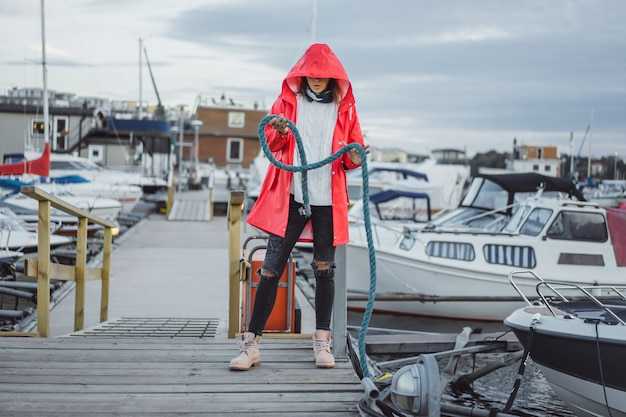 How to Anchor a Boat – A Step-by-Step Guide for Safe Mooring">

Drop hi-test chain and line to a 5:1–7:1 scope in calm, shallow water, and attach it securely to a robust bow cleat. Let the rode be lying on the bottom and the boat riding the current, not dragging. This setup follows a rule that reduces risk and offers a stable reference as conditions shift.
The intended bottom type matters: sand with low current holds better; rocky or weedy beds demand shorter scope and more power to maintain grip. Most vessels in depths up to 8 m use about 6x depth of rode; at 5 m depth that equals 30 m of line and chain. Use hi-test chain to reduce stretch; keep the line attached to the chain, not to the bow cleat or locker, to prevent creep and chafe.
Before settling, run a quick test: ease the line and watch for drag; if the vessel shifts more than a meter in 15 seconds, increase scope or shift to a deeper spot. The rule is simple: more power yields more holding, while letting slack invites drift. The crew should have skills in reading currents and tying reliable knots, such as a bowline or cleat hitch, though the latter varies by gear. The line should remain attached to the cleat and to the rode to prevent chafe. Sailing practice helps you apply these checks easily, even if winds rise unexpectedly.
In shallow harbors and crowded marinas, use a shorter rode to reduce swing, making the task easier. Such disciplined checks, though repetitive, fit most vessels and crew sizes; it minimizes risk while preserving power to ride out short squalls. Taking the time to rehearse the setup builds confidence and keeps the process simple, even when the water looks choppy, and the horizon seems like a toon cartoon rather than a calm scene. Most importantly, always verify weather updates and be ready to adjust if the wind shifts abruptly.
Bahamian Moor Setup: Site Evaluation, Gear, and Execution
Locate a well-sheltered site with good holding and a limited swing radius; lay two mushroom anchors in a circle to keep a recreational vessel lying steady, just like a well-timed setup that makes calm conditions easier to handle, even when winds shift or currents change.
Depth target: 5–12 m. Bottom: sand or mud for best holding; weed, rock, or coral reduce grip; areas like weed patches should be avoided; locate underwater obstructions and map the areas you plan to use; with rule of thumb, allow at least 1.5–2 vessel lengths of clearance from structures or shoals; current, wind, and surge should be evaluated instance by instance; lines should lie easily, wrapped around cleats to prevent chafe.
Gear: two mushroom anchors rated 25–60 pounds each, two lines 15–30 m long for each, optional short chain segment to help set, buoy and float to mark, and a secondary line for adjustment; attach to the vessel with a hand-over-hand wrap and keep lines wrapped around cleats to reduce wear; a spare rope stored in the home locker provides quick replacement if needed.
Steps to execute: drop the two anchors to the seabed while maintaining the vessel in a true position, arrange them to form a circle around the vessel, mark the stern line with a buoy, connect the secondary line for adjustments, start the engine at idle to test hold and swing, verify the vessel lies well inside the circle, and adjust by hauling a short length of line and re-wrapping if necessary, then recheck buoy visibility and keep a safe distance from other craft.
Maintenance and checks: inspect lines and buoys for wear, wrap damage, and chafe; replace worn components; boater should practice come-aboard signaling and keep the engine ready; instance of heavy swells, shorten lines gradually; ensure the circle remains clear of propellers and traffic; store spare parts home for quick access.
Evaluate wind, current, depth, and swing room to prevent crowding
Recommendation: Set swing room minimum 1.5x–2x boat length, rising to 3x in gusty winds or stronger current. For a 28 ft craft that means 42–56 ft of clearance, up to 84 ft when gusts top 25 mph or current exceeds 2 knots. Maintain extra space near buoys, sandbar, and shorelines where seaweed, grass, or shallow bottoms raise snag risk. When in currents, keep stern clear of the channel; use spare rode length to adjust riding position.
Wind and current assessment helps plan adjustments. Check local forecasts; note likely gust timing and direction; upon wind shift, swing room increases or decreases accordingly. If winds come from a direction that brings boats toward a crowded area with buoys or a sandbar, increase clearance and shorten riding length to avoid contact. In shallower basins near seaweed or grass, swing room must be kept large enough so you do not drift onto the bottom or into other craft lines.
Depth, bottom, and swing geometry. Measure depth at low tide and at expected high; base your rope length on range. In shallow zones, extra caution with height of stern to avoid contact with bottom; check for sandbar edges or grass beds; seaweed can snag lines. If the bottom is hard or rocky, adjust line length accordingly. Larger boats require more margin; if depth drops quickly, reduce swing by moving to a deeper hole or repositioning to a more favorable angle.
Obstacle awareness and riding strategy. Keep clear of buoys, sandbar, seaweed beds; if you ride near them, you risk entanglement. Use a flexible approach: adjust techniques, swap to a horizontal line when winds push you sideways; throw a longer line to the cleat on deck; maintain a strong grip and use a hard stop if needed. When gusts hit, use a larger margin to maintain strength; also check strength of line and rode; use steel cleats with protective chafe gear.
Local context and practical tips. Based on local needs, choose a berth style that suits the site. If winds shift, adjust height strategy and re-check swing room; best practice is to enjoy calm moments, then escalate line length when wind rises. Avoid crowding by ensuring a safe distance from other vessels, with room to ride your style without impacting neighbors. It comes down to technique, skills, and adjustments made times when conditions change.
Identify hazards and plan an exit route using charts and sounder
Begin with a hazard scan using charts and sounder, establishing a clear exit corridor at minimum three vessel lengths from edge features and seabed shadows. In calm white water, keep the crew shifted toward the windward side, and account for current drift. This setup reduces sudden movement as you ride the approach.
Plot hazards on charts and confirm with the sounder: edge drop-offs, rocky outcrops, weed beds, wrecks, and submerged cables. Note seabed type and depth changes, marking the next gate in your path that keeps you out of shallow pockets. If markers exist, record their positions and log buoys that signal the route to follow.
During close-in work, use sonar data to verify bottom structure along the chosen path: when depth falls sharply, shift to a deeper lane with the same general heading. Document sizes and shapes of features; keep a safe margin of three vessel lengths whenever abrupt relief or soft soils appear in the seabed.
Assign a hand at the helm and another on the chart while the crew watches the water ahead. danik can verify markers, while barletta buoys help define the white corridor and signal the area riding the edge. Use calm, deliberate motions; throw a line only when control remains solid.
After clearing the hazard zone, rotate to a safe heading and confirm depth with the sounder. If there is a couple on deck, share watch to maintain awareness; keep communication clear and avoid rushed decisions. Stay well back from the edge, and monitor the seabed as you transition to calm water.
Select and prepare gear: bow anchor, stern line or secondary anchor, rode, fenders, and chafe protection
Start with a heavy plow-style bow device, designated recreational use, with a roller head assembly and corrosion-resistant finish, preferably white.
Pair it with a stern line or designated secondary device, plus a robust rode in braided nylon or polyester; keep spare line on deck to react quickly to changes in wind or current.
Rode length equals water depth multiplied by 7 to 10, with an extra 5 m on deck to move easily. Use an appropriate amount of absorption to damp shock loads; moderate tension works best in light chop.
Two fenders, white as a preference, are mandatory at bow and stern, with chafe protection along hull contact points; ensure both lines have protection where they pass through hardware; ashore adjustments can help show best results.
Chafe protection: install sleeves or protective tape on the rode where it passes through hardware; use roller fairleads to reduce wear; check security of all connections.
Most setups benefit from keeping both lines accessible and easy to handle, looking clean ashore; this choice is a favorite among recreational crews, as it resists wear while enhancing safety and security at the moment of moor.
Position the rode to move downwind toward the most favorable direction; this idea reduces stress on gear and helps to moor in a stable stance, even in gusty conditions. That approach makes the setup easy to manage, and you can enjoy adjustments without fuss.
Finally, ashore, make adjustments to ensure the lines look neat and secure; the position of gear should be clear; most crews enjoy safety, security, and ease of handling with a well-planned scheme, which helps to moor confidently and move down the channel with less effort.
| Item | Specification | 说明 |
|---|---|---|
| Bow device | heavy, plow-style, white finish, roller | weight by boat length: 3–6 m: 4–6 kg; 6–9 m: 7–12 kg; 9–12 m: 12–20 kg; >12 m: 20–40 kg |
| Stern line / secondary device | braided rope or resin-coated line; rated to main gear | backup control; easy to secure ashore |
| Rode | polyester or nylon braid; scope 7:1–10:1; depth-based length + deck reserve | absorption reduces shock; move down current if needed |
| Fenders | two large white fenders | position at bow and stern; prevent hull contact |
| Chafe protection | sleeves or protective tape; wear guards | where lines traverse hardware |
Drop and set the bow anchor with proper scope and awareness of wind/current
Drop the bow hook with a minimum scope of 5:1 in calm water, and 7:1 when wind or current picks up. In shallow areas, use a heavy mushroom gear on a nylon rode to provide a useful hold; including proper weight and placement makes it easy to reset if the situation shifts. This choice works well for crowded harbors and can be ever more predictable with careful checking.
From the dinghy, position the boat with the bow into the wind or current, then lower the gear slowly. Let the line pay out down to the sea floor; attach a float to the rode so the spot is visible from the craft. Keep the nylon line smooth and add chafing protection where it runs along the hull or through chocks to prevent wear. In shallow water, keep the line shorter to reduce drag; in deep water, allow longer length. This approach provides beacons and markers to guide you during the circle.
Once the gear reaches bottom, back the boat gently to help the bite, and watch the line for any movement. If movement is detected, reset by backing off and re-dropping. After a hold is established, circle the rode to prevent piling and watch for chafing in roll conditions. If needed, repeat the process in the same situation.
tips: log the position on a smartphone for home records and keep beacons visible. If youre leaving, secure the line and reduce risk by choosing a shorter scope in calm weather, or extending only as needed in a windy situation. This smart choice reduces drift and keeps the gear ready for a quick reset if required.
General techniques emphasize wind awareness, tide changes, and gear management: keep beacons visible, maintain a float on the rode, and protect the nylon line with chafing gear. Always have the needed backup gear and a smartphone to document how the hold behaves in each situation.
Secure the Bahamian Moor: connect a stern line to a secondary anchor or fixed point, and tidy lines
Attach a stern line to a designated secondary anchor or fixed point downwind, then tidy all lines to reduce snag risk and ensure a quick release if conditions shift. Use ground familiarity, beacons, and a clear plan to control tension across changing waters.
- Precheck tackle: choose a designated back‑up anchor or fixed point with solid holding ground–sand, mud, or clean rock–within reach from the stern. Confirm the secondary target is visible from the helm and that the line path avoids propellers and rudder gear.
- Rope routing: from the transom cleat, run the stern line aft and connect to the designated anchor or fixed point downwind. Maintain about 1 boatlength between stern connection and the secondary tackle to allow a light drop if ground shifts, and keep the line clear of deck fittings and loading blocks.
- Line selection: select a wax‑like braided line or nylon with high resistance to abrasion and a stiff, predictable lay. Consider a kedge option as a backup; steel hardware should be sized for the load and corrosion resistance. Barletta beacons or similar navigational aids require careful routing to avoid interference.
- Line tidying: coil spare line along the lifelines and secure it on the foredeck away from hatches. Create a clear path through stern chocks or cleats to prevent snagging, and orient lines so they sweep away from the hull under load. Keep all lines grouped by function to simplify through‑the‑night checks.
- Monitoring and adjustments: watch proximity to boats, beacons, and shore structures. Check hold characteristics across ground types and changing power from wind or current. In break or surge, ease tension briefly and re‑secure when ground holding improves. Thats why the plan emphasizes tidy lines and an easy release, and finally verify you can release quickly if needed.
Night operations benefit from a light‑adjacent plan: illuminate the stern line with a small, low‑power light and confirm that the beacons remain in sight. Navigate slowly in tight quarters, maintain safe distance from other vessels, and rehearse the release sequence with the designated ground tackle. The choice of anchor, kedge utilization, and barletta beacons should align with the ground characteristics, proximity to moored boats, and marine traffic patterns. Always keep a backup line ready, so that the holding remains reliable across the full boatlength of your craft.
Test hold, monitor drift, and implement a contingency plan for changing conditions
First, perform a hold test by applying a controlled load on the lines and watching head motion and roll over a 5–10 minute interval. This step is useful and has been validated by local boater communities. Use a working load in pounds appropriate for the craft (start around 20–40 pounds per line, then adjust). Lines tied in the simple configuration you normally use, and keep a couple of spare lines ready. If movement exceeds a few inches per minute, you must adjust angles, tighten the line spread, or consider a kedge to improve stability. Having a clear, repeatable method reduces risk for the family and all aboard, including the master and crew.
- Measure drift: mark a fixed reference on deck and log lateral movement every 5 minutes to determine drift rate and direction under current conditions. This technique helps resist surprise shifts in crowded environments, including in busy harbors.
- Assess seabed and scope: verify seabed type and ensure sufficient line length down and across to prevent lines from lying on unsuitable patches. Include checks that the chain or nylon line remains free of chafe and fatigue.
- Contingency actions: if drift continues, deploy a kedge from a safe bearing, reconfigure lines to spread load, and head into a more favorable current. In crowded marinas, have the master call out changes and keep the boater and family informed.
- Roles and communication: assign a simple plan with clear signals; the master oversees decisions, a crew member handles lines, and a passenger aboard stays aware of conditions via a local weather link.
After implementing, monitor until conditions stabilize. Ensure you must have sufficient time to evaluate, avoid lying to yourself about performance, and only then reduce contingency measures. Finally, document time, wind, tide, pounds readings, and seabed notes to refine techniques for future shifts. Also suggest keeping this data in a shared link for quick reference by the crew and family aboard.