


 简体中文
简体中文  English (UK)
  Русский
  العربية
  日本語
日本語  한국어
한국어  Magyar
  Türkçe
  Español
  Čeština
  Svenska
  Português
  Ελληνικά
  Suomi
Suomi  Nederlands
  Română
  Italiano
  Français
  Polski
  Українська
  Deutsch
  Slovenčina
  How Sails Work – Master Sailing in Light to Strong Winds">

Use a concrete action: trim the sail to the apparent wind so the vector of wind relative to the sail stays about 15–25 degrees off the beam in light air. This keeps your sailboat moving smoothly and reduces heeling, while the rudder stays centered for efficient movement.
In this setup, the dynamics of lift depend on how the sail shape adapts. Use a small, constant twist and adjust the boom height to maintain effective camber across a range of wind speeds. The integral of forces on sail and hull tells you how much speed you gain for a given angle; these tensions are used to adjust trim and chase the result you want.
Animation of the movement: watch how the sail panel bends, the fore-and-aft beam of the mast, and the wing-like action of the sail. The aerodynamic forces push against the sail, creating a lift perpendicular to the wind, while the relative wind vector reduces drag. In practice, keep the rudder neutral and let the wind do most of the work.
In winds that increase, halve the sail area by reefing the mainsail and lowering the jib before gusts reach your beam. If you must shoulder stronger winds, ease the mainsheet and shift weight to windward, so the hull remains balanced and movement remains smooth. This approach is mostly about keeping stability while preserving forward velocity.
For different hull designs, the best trim angle changes, but the underlying rule stays: align the sail’s aerodynamic beam with the relative wind and use the rudder to control yaw. A well-tuned rig treats the sail as an integral part of the vector that propels you, not a brake; with practice you fine-tune to reach high efficiency across a broad range of conditions.
Apparent Wind: Definition and Practical Implications
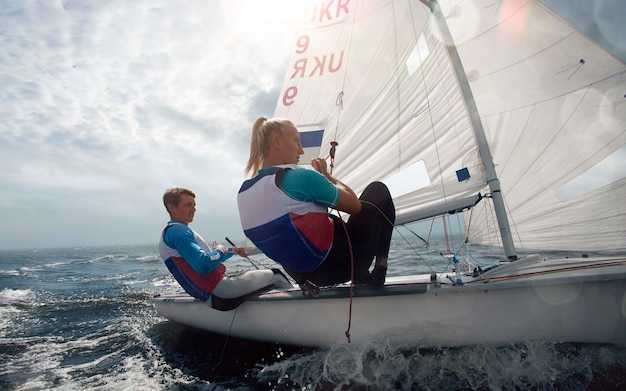
Start by checking apparent wind on every tack and trim sheets to match this vector, and adjust for the next course so sailboats stay responsive.
Apparent wind is the wind you feel on a moving boat. It equals the true wind plus the boat’s velocity, expressed as a single vector with speed and direction. In practice, this apparent wind results from the density of air meeting the boat’s motion and creates the load that sails notice above the deck.
On waters where breezes shift, the apparent wind directions change as you accelerate or slow. The edge of the sails responds to these changes; the main and the jib react by altering shape and tension in sails to maintain drive. This acting on the sails helps steer the boat and sets the next move.
In thick air, air density increases lift, so apparent wind can feel stronger for the same true wind. This density effect means you may adjust tension in sheets and the main less aggressively to avoid overpowering the keel. For sailboats, this interaction drives control and navigation in gusts.
To improve handling, trim the main first, then the sheets to balance the boat against the apparent wind. When you adjust, you create a smooth sail shape along the edge and reduce gust-induced instability. Sheet tension plays a key role in keeping the sail set correctly, even if the wind shifts directions.
Certain drills help you read the vector quickly: watch the boat speed, measure the angle between the bow and apparent wind, and adjust main and sheets to keep a steady drive. Though gusts vary, a consistent trim improves the keel’s lift and keeps you moving toward the target heading.
Next, practice on gusts by keeping a small angle to the apparent wind and using coordinated steering to navigate. As you gain feel, you can use this to maintain speed on all directions and to avoid stalling on close reaches and beat passages.
| True wind direction | True wind speed (knots) | Boat speed (knots) | Apparent wind speed (knots) | Apparent wind direction | Practical action |
|---|---|---|---|---|---|
| NE | 12 | 6 | 13 | 26° from bow | Trim main and sheets to maintain balanced lift |
| WS | 8 | 4 | 6 | 正横前 70° | 检查动力,收紧帆。 |
| SE | 15 | 7 | 16 | 自船首向右/左 50 度 | 稍微松开帆调节绳,避免用力过猛 |
表观风如何随船速和航向变化
在顺风航行时,保持视风角大约在船首前方 45 度;在加速时,通过掌舵保持这个角度。视风是真风和船速之间的矢量差,是物理学的一个函数,这些输入会移动一个弯曲的风矢量,该矢量会随着速度和航向而变化。这些变化对于帆的调整和船速至关重要,能够快速读取风矢量可以帮助您平稳地在水中航行。由于空气密度大致恒定,这意味着主要的驱动因素是速度;但密度随温度和海拔的变化会在这里和那里改变风的感觉。.
风向和风速的关键影响
在迎风航向上,视风仍然在前;随着船速增加,视风曲线向船艏方向移动,并可以在风锥内向前旋转。如果船速接近或超过真风速,视风可能会转向侧面甚至后方,从而改变帆对龙骨和船体的载荷。船体和帆的流体动力学形状与速度协同工作,形成升力和调整;这种相互作用是让你在操舵时平稳加速的核心机制。在实践中,你会看到风向标动画随着你的操舵和调整实时改变角度,这些变化与风和速度的变化相匹配。.
实用操舵和调整技巧
以下是航行时管理视风的具体步骤。首先,在顺风航行时,将视风角调整到 45 度左右的合理角度;在加速时,通过操舵保持该角度,然后调整风帆,使负载沿弯曲的风矢量保持平衡。在迎风航行时,如果视风向前移动,朝向船头,则稍微放松航向,并调整前帆,以保持弯曲、稳定的风帆形状;如果风向侧向或向后移动,则稍微朝风向操舵,以保持风帆的适当动力。利用龙骨的流体动力学设计来保持效率并减少阻力;风帆调整、操舵和速度的结合使您能够平稳地接近风。在微风中,保持速度刚好足以保持视风位于前方;在大风中,逐渐降低风帆动力并保持控制,以避免过度动力。使用带有动画的显示风向的仪器来验证显示屏上的矢量;调整航向,使风保持在船只的所需侧。.
使用风向标和身体姿势解读视风
系在帆上的导流条流畅地飘动;这让你能够快速读取视风,并为你的帆找到最佳角度和形状。航行时,保持你的前肩朝向风,弯曲你的膝盖,并保持平衡。将你的臀部移离帆,以保持气流清洁并减少阻力,确保风与帆的边缘和你身体的形状配合;它会感觉很稳定。.
阵风带来的加速会改变视风,也会改变流过帆的气流。阅读导流带来判断是否需要调整缭绳或站姿。如果顶部导流条飘动而底部失速,稍微放松帆——或扭转——以防止角度变得太平;这可以有效地保持控制。如果两个导流条都飘动,您就可以保持动力,结果就是前进的速度。保持重心居中,但当风向变化时,您可以远离中心以与真风对齐。始终观察它们如何对风速变化做出反应。.
在不同尺寸的船只上,同样的方法都适用。成功的调整来自于稳定的边缘、平衡的前后角度以及保持帆型的扭曲。他们可以感受到其中的区别:水手会在你调整时感受到变化,形状随之改变,阻力下降,船只加速。只需专注于保持导流条飘动和附着的气流,即使在阵风中也能保持真正的航行性能。这种方法总是能带来更好的速度,风有效地推动船只前进。当您保持附着的气流靠近帆的边缘并保持正确的形状时,就会注意到加速上升。.
轻风航行技巧:扭曲、弧度和角度

在主帆上增加弧度并稍加扭转,以在风力较弱时保持气流附着。使用舷外索设置更宽的弧度,在不使索具过度受力的情况下增强能量,从而使水手在平静的情况下保持领先。.
扭绞控制塑造上帆。在微风中,放松主缭绳,用撑杆允许一点扭绞;目标是使下部和上部帆面之间有明显的区别,以便气流保持附着,并且顶部在不失速的情况下朝着更高的速度工作。.
吃水管理很重要。更深的吃水能在微风中增加升力,但过多的吃水会增加阻力。用 Cunningham 调节前缘的松紧度,并微调主帆弧度,保持帆中部足够宽,以便在失速前捕捉空气。.
对风角度。尽可能保持有利角度,航向略大于迎风行驶角度,但避免离风向过远。如果偏离航向,放松主帆并调整稳向板,以保持双帆的流畅气流。.
热那亚帆的策略。为微风设计的热那亚帆对更宽的弧度和稍微松弛的缭绳反应良好。这保持了帆的宽大区域能量捕捉流动,并且热那亚帆和主帆之间的负载差异保持平衡;人们发现这种效果在稳定的微风中是有利的。.
稳向板与平衡。居中的站姿减少了横向漂移;在微风中放下稳向板,只需足以保持船体航向,然后微调调整,以保持与水流的良好对齐。这样产生更平稳的水流,更少的顶风倾斜,以及更多的能量来驱动船只。.
水手实用技巧:每次换舷前,检查松紧度和扭曲度,并根据风向变化进行调整。始终以低速测试细微变化,并观察在主帆和前帆之间改变缭绳张力时速度的差异。系统化操作有助于您在变化的环境中保持领先。.
强风中的帆操作:缩帆、压平及缭绳操作
尽早缩帆并做好准备;在阵风到来之前缩帆是保持帆受控的最快方法,从而在多风天气中最大限度地提高安全性,帮助导航并保持船只按计划前进。.
- 强风中缩帆
- 当风力达到大风级别,且阵风在一天的比赛中不断袭来时,将主帆收至一道缩帆。前缩帆点可减少帆面积,有助于船只保持平衡,同时保留前帆,以确保转向灵活性。.
- 请船员帮忙并移至桅杆底座前方,以便您控制缩帆绳和前帆角。这能使过程更顺畅,并减少卡住的几率。.
- 稍微松开帆缆以释放缩帆点,拉紧缩帆绳以固定新的底边,并用防滑钉固定缩帆点。检查前缘是否沿桅杆平整,并且新的前帆角是否紧贴帆桁。.
- 利用缭绳和帆索重新调整主帆,使帆面平整地横跨于帆桁之上;设置一个适中的帆脚索角度,以在不使帆具超负荷的情况下保持前进。.
- 压平帆以控制动力
- 拉平帆以减少弧度和顶风倾向:拉紧帆脚索使下缘变平,放松或巡航升帆索以保持前缘绷紧。.
- 使用吊杆拉下器(或中等程度的下支索)来压平帆的上部,这可以减少阵风中的弧度,并有助于更好地控制船只的角度。.
- 调整缭绳,减少中段弧度;更平坦的帆能抵抗横倾,并在强风中改善逆风航行表现。.
- 调整滑轨和小帆缭绳的位置,使受力中心保持在舵的前方;这种平衡可以减少顶风倾向,使操舵更加可控。.
- 缭绳及帆角管理
- 迎风调整帆的角度,在强风中,比微风中更要加大角度,以保持速度,避免过度倾斜。.
- 在大多数船只上,保持船帆与风之间的角度大约为顺风30°到40°;随着阵风减弱或增强,逐步调整以保持稳定的航向。.
- 移动前帆或热那亚帆缭绳以平衡船只;如果舵变得轻,则收紧缭绳;如果船首逆风倾斜,则稍微放松以保持在水面上平稳航行。.
- 检查帆面的轮廓;当阵风来临时,在此处进行一次受控的缭绳调整可以保持动量,同时防止帆失速或泵动。.
- 保持各条缆绳连接就绪,随时可以调整;准备充分的船员能够在风向变化时在几秒钟内做出反应,从而节省速度并增强对航行的信心。.
- 与其进行大刀阔斧的修改,不如进行短小而审慎的调整;真正的目的是在条件突变时,以最小的损失保持前进的势头。.
学会解读风向,练习操作顺序,并为你的船员发布一套简单的管理流程。真正了解风速、角度和船只反应,收帆、压平船帆和调整缭绳就会变成快速、可靠的行动,而不是犹豫不决。在这里,充分的准备和冷静的执行可以改变各种天气和航线的结果,让你充满信心地航行。.