


 简体中文
简体中文  English (UK)
  Русский
  العربية
  日本語
日本語  한국어
한국어  Magyar
  Türkçe
  Español
  Čeština
  Svenska
  Português
  Ελληνικά
  Suomi
Suomi  Nederlands
  Română
  Italiano
  Français
  Polski
  Українська
  Deutsch
  Slovenčina
 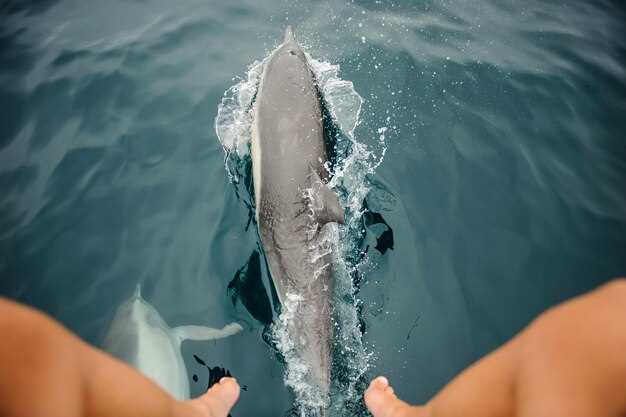 Guidelines for Safe and Ethical Whale Watching from a Boat">

以严格限制船只数量开始旅程;与任何鲸类动物群保持至少300米的表面距离;空挡时发动机怠速或关闭。. 机上旅客应遵守;此限制旨在保护生态系统,减少噪音,避免造成干扰活动,防止撞击。.
在甲板上保持稳定姿势观察;避免突然的动作;尽量保持安静;好奇的旅行者要学会选择观察地点,然后让海豚浮出水面并选择它们的速度;切勿拥挤海豚群;让海豚根据其浮出水面的行为决定节奏。.
认识到生态系统正在变化;干扰在鲸类动物群体中蔓延;当船只靠得太近时,濒危种群会遭受痛苦;保持适当的距离可以维持觅食;社会生活;旅行行为;操作员强制限制速度;降低发动机噪音;为野生动物响应留出空间可以控制接近;留出空间有助于保护。.
开始导航, 运营商向乘客简要介绍限制;路线;接近海豚会触发暂停;好奇的乘客学会保持引擎安静;尽量减少干扰成为习惯;让动物决定节奏;保持空间以维持冷静的分离;这种做法保护了自然行为。.
实施这些做法有助于船上的旅客享受旅程,同时保护濒危物种;深思熟虑的方式能支持具有韧性的生态系统;在每一个转弯处都谨慎选择可以避免有害影响;为野生动物反应留出空间,使活动保持在安全范围内;这有助于打造一个初次旅行者、经验丰富的观察者和经营者都珍视的旅程。.
船上观鲸:实用安全与伦理

第一条:保持足够距离;降低发动机转速;给予鲸类动物空间。 它们表明,温和的存在能够保护自然节律;相同的反应出现在各个区域。.
以最小的尾流操作船只;在可行的情况下切换到电力推进;保持螺旋桨安静。.
观察者之间清晰的沟通;记录行为;Dana指出科学家们质疑对噪音的反应;这有助于其他人理解阈值;安静观察的数分钟揭示了海豹的反应;海豚的反应遵循类似的模式。.
尊重栖息地边界;观察海豹;海豚;以及其他海洋环境的居民,避免侵扰;避免接触;保持规定的距离:大型鲸类100米;海豚50米;海豹50米。.
观察员之间,信号通过手势保持同步;这减少了意外情况。.
在观察期间,注意大气状况;静止的空气可以减少干扰;这有助于记录自然序列。.
它们表明,许多情况下保持距离能带来更好的结果;研究人员质疑持续的近距离接触是否会扰乱觅食或休息周期;观察员的日常工作保持可预测性,以帮助其他人注意栖息地力量。.
若有海豚靠近,保持距离;行为冷静,注意观察;不要阻挡其移动。.
达娜强调,当观察者避免强迫反应时,理解力会提高;目标仍然是最大限度地减少压力,保护海洋环境;同样的原则适用于与野生动物的每一次接触。.
保持安全距离:遵守距离建议,避免追逐或拥挤
与任何座头鲸或鲸群保持至少100米的距离;当幼鲸出现或多个个体聚集在同一区域时,扩大到300米。在进入观察区域前,减速至怠速;避免突然改变位置或速度,以免惊吓到动物。不要追逐或拥挤;避免超车或类似轰鸣的加速,这会增加干扰。保持船只平稳;继续以尊重的角度进行观察,不要试图超越建议的距离限制。.
在亚速尔群岛,年度旅行会给同一地点带来许多游客;为了保护这些濒危居民,请保持至少 100 米的距离,以及围绕群体 300 米的距离。如果动物浮出水面或改变位置,请避免追逐;让它们自己选择方向。许多观察者报告说,当一次只有一艘船只接近一个群体时,效果会更好;其他所有船只都应远离接近路线。观察者应使用双筒望远镜;保持距离;降低发动机噪音,以尽量减少对它们及其同伴的压力。.
在北大西洋,尤其是在考察活动与捕鱼活动混杂的达纳区域附近,每年都会发生许多遭遇;尽管如此,请尊重它们的空间:保持距离,让它们在不受干扰的情况下浮出水面;避免靠近超过建议的距离。如果动物向你的船只移动,请后退;让它们通过;切勿阻挡它们的路径或直接朝它们驶去。观察应在最小的发动机噪音下进行;缓慢、可预测的移动;只有在它们离开后才改变航向或速度。在实践中,这种方法增加了重复看到群体的机会;它减少了动物和船上人员的壓力。当多个群体聚集在一个区域时,可能会出现困难的情况;计划轮换以最大程度地减少拥挤。即使尽了最大努力,有一个计划也能帮助船员保持平静的体验,从而有益于野生动物。.
选择负责任的运营商:检查许可证、观察员要求和行为准则
选择一家拥有海事部门验证许可的当地运营商;确认每次旅行都有一名训练有素的观察员;核实已发布的行为准则,该准则指导近水面互动、速度限制、距离、野生动物周围的安全区。.
预订前,请索取观察员名单;获取关于角色的简报;确保遵守报告程序。.
询问基于区域的观察计划;与野生动物的距离限制;近水面时减速的规则;避免直接追逐;观察包括尾叶行为在内的水面活动;这种方法可以减少长时间观察期间对野生动物的干扰、压力和伤害。.
评估作业者的技巧:索取书面行为准则;确认许可证是否有效;确认是否存在观察员要求;获取报告模板副本;警惕公司无视区域限制、速度限制;此类选择会伤害野生动物,违反当地法规。需要核实的事项:许可证、观察员、准则。.
| Aspect | What to verify | Practical tip |
|---|---|---|
| Licenses | 当前授权;显示于船只上;航行前验证 | 请查验证书,注意有效期。 |
| Observers | 经培训人员;按每次行程分配 | 请求资质;询问职位;审查汇报路线 |
| 行为准则 | 距离限制;速度限制;噪音规定;禁止喂食;禁止直接追逐 | 请求文案;确保涵盖区域规则 |
| 野生动物处理 | 邻近限制;无干扰 | 监控表面活动;避免突然操作 |
| Reporting | 模板; 透明度; 升级路径 | 请求样品;知晓联系方式 |
旅游旺季期间,选择限制游客数量的运营商;这能保持观赏的平静;减少拥挤;帮助每位参与者更好地了解当地的野生动物。如果您不确定,请在出发前要求一份简报。.
然而,如果有什么不对劲,请拨打运营商热线,及时报告。.
减少噪音和扰动:降低引擎噪音,减速行驶,避免突然操作
将引擎噪音降至平稳的低沉嗡鸣;减速至保守速度;避免突发动作。.
- 保持最小距离:距离任何人群至少 300–400 米;特定区域的限制各不相同;务必查看当地规定。.
- 保持油门变化平稳;使用渐进式速度调整;避免猛打方向。.
- 天气或风向变化时,降低速度;推迟与人群的近距离接触;重新评估出行计划。.
- 调整船只位置以尽量减少尾流;从迎风面接近;保持船头与行进方向对齐。.
- 与旅客沟通:宣布减速;指定瞭望员;使用清晰的信号;收集关于舒适度;情绪的反馈。.
- 记录目击情况;记录行为;记录水况;追踪天气变化;记录群体规模;与当局分享数据;每年与其它运营商协调;使用的技术。.
- 尊重野生动物;尊重封闭区域:如果出现遇险迹象,立即撤退;保持足够距离;必要时重新规划行程至新的区域。.
- Coordination with operators; limit vessel numbers in a given area; adjust travel plans based on data; annual checks limit disruption.
- Area awareness: columbia north area hosts many travelers; blue water routes should consider seasonal presence; that awareness guides route changes; travel wants prioritize safety and comfort; this approach reduces disturbance for wildlife; enhances traveler experience.
- Data-driven adjustments: says crew review after each trip; many observations inform speed changes; routes; behavior; always acknowledge wind; weather; water conditions; that practice supports ongoing improvement.
Read Whale Behavior and Respond Accordingly: recognize signs of stress and give space

Spot signs of distress early aboard a coastal excursion: a cetacean that slows, circles away from your vessel, flukes heavily, arches its back, or clusters its group with minimal movement should trigger immediate space making. Keep engines quiet, avoid abrupt maneuvers, and spend time circling away on a wide arc until the animal resumes natural behavior.
Reduce speed to idle, maintain a buffer of at least 100 meters, and avoid cutting off the animal’s path or following too closely. If you approach near a wharf or during operations around alaska sanctuaries, take a wider angle and allow the sea life to move away freely; never block its access to air or food routes.
Communicate with passengers aboard your group about what the signals mean and why space matters; use programmes to explain cetacean behavior without provoking curiosity that leads to closer approaches. Encourage respectful observation as a beneficial practice for science and tourism.
Scientists says repeated disturbances erode feeding and resting opportunities; reducing engine noise, avoiding high speeds, and limiting the crew’s proximity to calm waters helps seals and other coastal species recover, even in difficult conditions andor weather. Limit glare and direct sunlight on the animal and avoid sudden vibrations that may trigger stress responses. If behavior remains tense, remove the vessel from the area and monitor by binoculars.
Meaningful encounters rely on right timing and good planning; this approach is mysterious yet tangible, offering a lasting benefit to your group and to the cetacean population. Alaska sanctuaries and sanctuary programmes reinforce that the best experience is one where humans observe without forcing behaviour; your choices aboard the vessel contribute to nature’s balance and to a safe, beneficial experience for every species, even seals.
Support Research and Conservation: report sightings, contribute to citizen science, and engage responsibly
Reporting sightings within 24 hours to a national data hub improves life-history records; include date, location zone, depths, distance to vessel, number of individuals, observed behavior; their responses; note released individuals; observe whether sudden changes occurred in every movement; maintain a close path to minimize disruption; always log the experience; If a submission occurs by mail, ensure correct postage.
Public science portals broaden datasets; you can log sightings plus context such as tides, weather, time; while distance measures, observed dives remain part of the record, the percent of confirmations rises when reports include clear details.
Engage responsibly: adopt a calm engine, slow approach; keep a respectful distance; avoid rapid maneuvers; do not block passages; comply with local rules.
Life benefits arise when reporting is sustained; the lifetime of individuals depends on observers logging experience; the mean impact on ecosystems is reduced stress; public involvement guides conservation choices.