


 简体中文
简体中文  English (UK)
  Русский
  العربية
  日本語
日本語  한국어
한국어  Magyar
  Türkçe
  Español
  Čeština
  Svenska
  Português
  Ελληνικά
  Suomi
Suomi  Nederlands
  Română
  Italiano
  Français
  Polski
  Українська
  Deutsch
  Slovenčina
 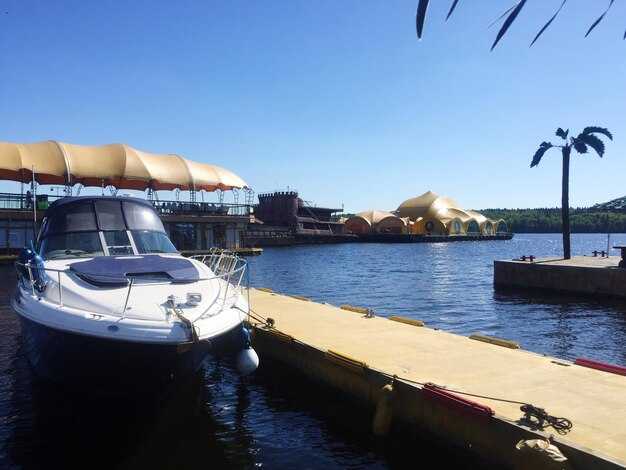 Florida Boating Guide – Where to Boat in Florida – Top Spots">

从坦帕湾区域周边的墨西哥湾沿岸走廊开始,以最大限度地利用平静的浅滩、快速进入和通往主要港口的机会。. 这种选择可以最大限度地降低风险,并为首次探索提供可靠的风向模式,同时 unspoiled 沿海体验以及清晰的设计,以确保沿海岸线的安全航行。.
沿着大西洋沿岸,一系列城市枢纽形成了一个实用的 region 全年巡游。. Incredibly 慷慨的浅滩和河口为一日游创造了一个灵活的通道,平静的海湾和海滩孕育了文化丰富的锚地。保持 alert 用于随您在港口和海湾之间移动而变化的水流和潮汐率。.
来自 最繁忙的 诸如迈阿密、劳德代尔堡和棕榈滩等入境口岸, opportunities 在泊位可用性、加油和沿海短途旅行方面都是无与伦比的。在这里,文化因水上交通而蓬勃发展,热闹的港口和强劲的海风塑造着每日的计划。住宿 alert 交通拥堵和商业交通中 major channels.
在地铁走廊之外,狭长地带和北大西洋地区提供了 unspoiled 河流航线和浅水入口航道。. 设计 你的行程,重点关注隐蔽港口和安全泊位;监测水流和风力预报,以避开强风并与盛行风向保持一致。 rates 用于燃料和系泊。.
排名 从锚地、可达性和泊位质量来看,这些沿海地区得分很高;首次航行,目标选择一个浅水进港的主要港口,以及一个可以提前预定的稳定泊位。平静的浅滩、繁华的文化和多样的河流流向相结合,使得这条航线对任何季节都具有极强的适应性。.
根据风向窗口选择您的区域;如果预报不确定,则调整您的计划,选择更平静的航段。最佳机会在于交通、文化和未受破坏的海岸线交汇之处。.
萨拉索塔顶级划船点和佛罗里达州墨西哥湾沿岸的入口点
从市中心的码头杰克出发,启动水上摩托艇,在罗伯茨湾进行 2-3 小时的环游,绕过丽都岛,然后通过新通道返回朗博特岛;这个安排周密的计划利用了海岸的能量,对于寻求安全、充满野生动物的逃离的家庭来说是理想之选。.
-
萨拉索塔市区海港和杰克码头 – 现场加油,卫生间,以及到罗伯茨湾的短途骑行;这个枢纽是许多旅行的第一站,可轻松进入受保护的走廊并欣赏天际线美景。.
-
南利多公共通道 (利多岛) – 将入口匝道直接引向大通道;附近有珊瑚地层,非常适合短程环线和观赏野生动物;拥挤时停车位有限;最佳时间是日出或傍晚。.
-
布莱克本角公园入口(诺科米斯) – 通往住宅运河和小岛的内陆航道的隐蔽入口;携带必需品,欣赏红树林树冠,并留意海牛。.
-
凯西岛和新通道地区 – 沿海湾通道环线的两个相连的发射点;包含海滩停留和岛屿景观;特别适合摄影师家庭;行程持续 1.5–2 小时。.
-
长船礁通道点 - 航道入口位于朗博特隘口附近;可连接安娜玛丽亚岛或继续向南前往大陆;注意低潮时浅滩,并遵循标记航道行驶。.
-
约翰隘口走廊(适用于长途旅行) – 一条更长的航线,引导船只驶向狭长地带海岸;这项工作需要最新的地图和当地的建议;它扩展了核心萨拉索塔地区以外的选择。.
-
岛屿与野生动物景点 – 锡斯塔 Key、丽都 Key 及周边小岛屿提供海滩、珊瑚礁和观看海牛的机会;家庭经常花时间观看海豚和岸鸟栖息地;这里的活力四射,热情地欢迎迈阿密的当地居民和游客。.
新闻:启动前务必查看当地公告;风向和水流可能会迅速改变状况;携带VHF无线电、救生衣、信号设备和海图;这里的公共坡道通常提供停车和加油服务,水上活动已成为一项受欢迎的周末活动,使该地区成为希望进行短途旅行的居民和游客的首选,可以作为环线旅行或更长的跨海岸航行的一部分。.
萨拉索塔的坡道、码头和通道点
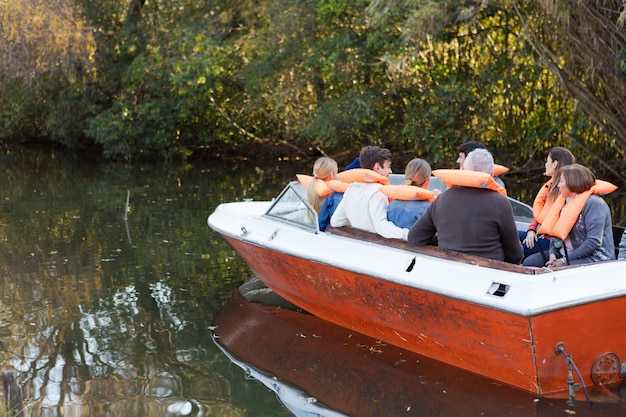
从南利多公共船坡道开始您的一天,这里可快速通往海湾通道和宁静的早晨,然后前往只需划桨一小段距离的新月形海滩。计划在黎明时分出发,那时风力较小,并且从船头更容易发现暗礁和鱼群。.
岛上和大陆走廊周围的四个主要公共码头都设有坡道和通道:丽都岛上的南丽都码头,诺科米斯公共船坡道,新月海滩附近的锡耶斯塔 Key 船坡道,以及威尼斯公共船坡道。每个站点都配备了工作人员,负责停车、基本码头和洗手间;在高峰时段保持礼貌,尤其是在居民区航道附近,他们的邻居依靠这些航道来享受安静的早晨。.
码头以实实在在的服务锚定了水滨:海湾前的杰克码头提供短暂停靠泊位、加油和餐饮,使其成为快速跳岛游的热门起点或终点。住宅区和较小的私人码头遍布内陆运河和岛屿回水区,拥有自己的出入口和有限的补给。这里的经营者强调提高休闲船只的周转效率,同时将安全放在首位。.
入口点贯穿海岸线,从岛屿社区延伸至内陆水道,提供通往海湾和礁石边缘的直接路线。早上,计划好应对微弱的水流,并查看天气窗口;在码头上社交很常见,但在与附近居民的船员和客人协调行动时,请尊重他们的节奏和空间。.
对于更长远的航行计划,许多船长会规划前往朱庇特或劳德代尔的航线,并根据有利的风向和天气安排航行时间。通过奥基乔比水道的内陆连接线吸引着人们进行多日游的行程;在确定行程的这一段之前,请务必与运营商确认当前情况。从当地的斜坡道出发,保持稳定的计划,注意礁石和鱼群,并在分享从黎明到黄昏的水域时,时刻注意其他船只的优先事项。.
最佳季节性航线:墨西哥湾 vs. 沿海内航道
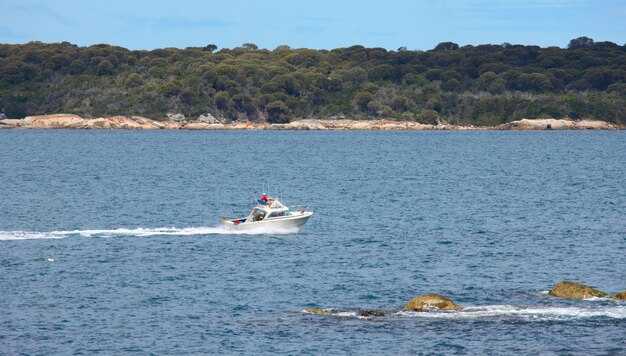
选择在深秋到冬季期间在墨西哥湾沿岸航行,可以避开拥挤的人群,享受广阔而连绵不断的海岸线。为期一周的过渡到内陆航道,提供了一个方便的、无需拥挤人群的港口跳跃式巡航。船民可以将两条路线结合起来,以获得平衡的行程。一周时间可以覆盖大部分亮点。.
从塔彭斯普林斯到那不勒斯,大约 350 英里的可通航海岸线展开,遍布红树林堤岸和开阔的浅滩。在较凉爽的季节,水温在 60–75°F 左右,风力较小,沿海滩涂仍然适合一日游。这一段海岸线拥有广阔的沿海景观。这些停靠点的码头每年处理数百万次访问,设施齐全,因此提前预订是明智之举。.
在大西洋沿岸航道内水道上,预计会有一系列位于屏障社区之间的隐蔽通道,在码头、商店和公园设有便捷的联系点。沿ICW的每个社区都提供独特的餐饮和码头服务。那些寻求平静、学习友好的巡航的人会发现阿米莉亚岛、杰克逊维尔、代托纳、卡纳维拉尔角、棕榈滩和迈阿密周围有广阔的泻湖和海湾走廊。许多城镇都有当地商店,社区附近有休息站;本部分研究了季节性风向模式和人群趋势,以帮助规划窗口期。沿途的公园设施可支持轻松的休息日。这条走廊仍然受到学生和家庭的欢迎,但您必须注意天气,并在深度和船闸间距的限制范围内航行。这个计划适合学生的日程安排吗? 适合。那些喜欢较短、可预测的巡航的人可以计划在标记的航道之间进行两到三天的短途航行。.
你会遇到的无尾波区域、速度限制和航行规则
首先,请遵守已标记的禁航区,并在近岸走廊保持怠速行驶;这是保护海岸线、海草床和筑巢栖息地的最快方法。请注意已发布的标志和浮标,因为大量的标记可以帮助您在该州繁忙的沿海水域保持合规。.
限速标志清晰可见;在禁止wake区域,您必须以怠速或最慢的实际速度行驶。在航道和通道中,根据情况调整——交通、水流和野生动物都可能需要降低速度。此外,还要监测天气、风力和人群;在繁忙的港口,船员的注意力可能会迅速改变,因此请谨慎计划您的进近路线。.
您将遇到的航行规则包括通行权程序、安全超船和信号要求。请记住,返回岸边时红色标志在您的右侧,绿色标志在您的左侧;保持在航道中心,避让操纵能力受限的船只,避免横穿商业交通船只前方。.
安全与礼仪:近岸区域需要对船员和游客给予同等的尊重。对于租用设备的游客,请与划桨者和蟹笼保持安全距离。规划一条环形路线,尽量减少往返的交通;在码头和公园安排行程紧凑的停靠点,并根据情况调整您的风格。维护适当的安全设备并与您的船员沟通;大学船队和休闲团体经常在繁忙的海湾练习,从而加剧了喧嚣。如果情况有变,迅速反应并进行调整。.
Required Safety Gear and Quick Checks Before Leaving the Dock
Put on a properly fitted, USCG-approved life jacket for every passenger aboard before leaving the dock. This simple action saves lives and helps ensure compliance across the country, which varies by region and area, and which supports a safe start to your journey.
This checklist helps cover everything you need for a safe departure and offers an opportunity to rehearse quick drills with those aboard.
- Abundance of PFDs and throwable devices: ensure one USCG-approved life jacket per person on board, with a readily accessible throwable device; visiting crews should have sizing adjusted to fit quickly.
- Light devices: navigation light, deck light, and anchor light; verify operation before dawn or dusk and keep a waterproof flashlight with spare batteries on hand.
- Fire extinguisher: type B:C, mounted in an accessible location; check the gauge and inspection tag for the current year.
- Sound signaling: whistle or horn with a spare, plus a loud signaling option for low-visibility situations.
- First-aid kit: include antiseptic wipes, bandages, gauze, tweezers, and emergency contacts; store in a dry, accessible container.
- Communication devices: VHF radio on channel 16; moonlit or distant operations may rely on a handheld unit to allow contact if the main unit fails.
- Tools and spares: bilge pump or bailer, spare fuses, duct tape, pliers, and engine-specific spare parts for those running older or regional models.
- Provisions for safety and comfort: ample water, sun protection, appropriate clothing, and non-slip footwear for boarding and disembarking in various locations along the coast.
- Rope and anchor kit: a long length of line for MOB recovery and a reliable anchor with sufficient chain or rope to hold in the chosen area.
- Documentation bundle: vessel registration, insurance details, and emergency contact information in a dry bag for quick access if needed.
- Weather and tides: pull live forecasts from NOAA/NWS, check gusts, seas, and a potential shifting pattern; if advisories exist, postpone if your craft cannot handle the conditions on the next leg.
- Hazards and proximity: identify sandbars, shoals, distant rocks, and river mouths; review current location with marks and charts, and slow to near-idle speeds in shallow or crowded locations.
- Fuel and range: calculate burn rates for your cruise speed; ensure ample fuel for planned distance plus 25–40% reserve; example: if your craft burns about 6 GPH at cruise and you plan a 2-hour run, carry at least 15 gallons on board depending on tank size and distance.
- System readiness: test kill switch, verify throttle response, steering control, and trim; start the engine and listen for abnormal noises; check bilge for leaks prior to leaving the dock area.
- Lights and signaling: confirm all running lights and an anchor light operate; verify audible signals are functional for day or night operations; ensure you can signal if visibility is reduced.
- Communication plan: keep VHF on 16 when underway; have a backup device to contact the marina or country-wide coast guard if needed; establish who to call if conditions deteriorate, which improves your response time.
- Crew readiness: brief everyone on MOB procedures, life-jacket fit, and hand signals; assign roles to those aboard to speed up decision-making in rough conditions.
- Float plan and coordination: share a float plan with a trusted contact on shore; note your intended route through the area and the approximate times; include a plan to modify the itinerary if hazards or proximity to shorelines change.
- Route planning note: if heading eastward toward open water, keep a watchful eye on channel markers and ensure you can reach a safe harbor or shore quickly if wind or seas rise; avoid distant routes without landmarks.
Rentals, Charters, and Local Guides for Sarasota Waters
Begin with a Hillsboro-area 4-hour sailing charter that includes a sandbar stop and palm-fringed shore; this test run keeps you within limits and delivers an impressive introduction to these waters.
Planning should present a pile of options that fit group size and budget; a variety of vessels range from compact sailboats to roomy pontoons. Popular choices include private charters and guided sailing experiences, with flexible itineraries that can swap to snorkeling or sunset routes. Many marinas have a store on-site to rent extra gear or grab essentials.
Notes on inclusions: verify insurance coverage, life jackets, and required safety gear; many operators include basic equipment, while some offer add-ons like snorkeling gear or fishing rods. Rates vary by boat size, duration, and demand, so confirm inclusions and cancellation terms before booking. That builds confidence with clear briefings and practiced routes.
Local guides reveal gems around Hillsboro, bays, and lakes within reach; they often tailor routes to your scene, and policies allow adjustments for weather, while delivering a skyline backdrop that recalls downtown Tampa at dusk. Respect for wildlife and habitats is expected, and guides help you stay within regulations while maximizing safety and enjoyment.
| Operator | Rental Type | Duration | Included | Rates | 说明 |
|---|---|---|---|---|---|
| Sunset Sail Co. | Charters | 4 hours | Life jackets, fuel, basic gear | $320–$520 | Insurance available; popular for families |
| Sandbar & Palm Tours | Guided Rentals | 2–3 hours | Guided route, safety briefing | $180–$260 | Great for beginners; plenty of photo ops |
| Harbor Stars Charters | Private Charters | 4–6 hours | Boat, captain, safety gear | $450–$900 | Includes notes on local wildlife; flexible itineraries |