


 简体中文
简体中文  English (UK)
  Русский
  العربية
  日本語
日本語  한국어
한국어  Magyar
  Türkçe
  Español
  Čeština
  Svenska
  Português
  Ελληνικά
  Suomi
Suomi  Nederlands
  Română
  Italiano
  Français
  Polski
  Українська
  Deutsch
  Slovenčina
 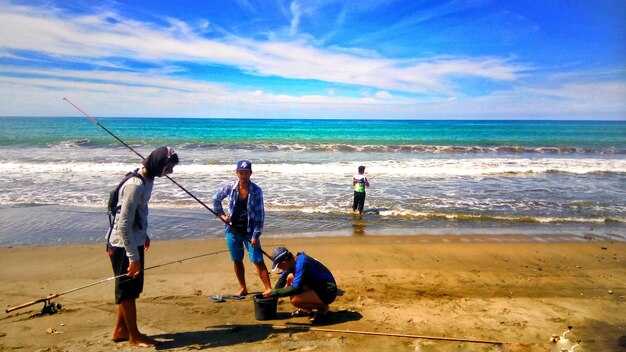 Fishing in Miami – The Ultimate Guide to the Best Spots">

Go to Haulover Inlet at first light for reliable seasonal action on sheepshead along the jetty; bring fiddler crabs as your offering, or a few lures as backup, and fish from the pier with a steady reeling pace that keeps bites coming.
Then head to Government Cut and Bear Cut near Cape Florida to target snook, tarpon, and snapper when tides push bait along the rocks; use live shrimp or finger mullet and cover water with soft plastics for others; seasoned anglers know the inlets bite when the current shifts.
For a family-friendly option, Crandon Park Pier on Key Biscayne delivers consistent catches for kids and beginners; a simple bottom rig with shrimp will bring in mangrove snapper, jack crevalle, and the occasional tarpon near tide changes, offering good value and real action without crowds.
In Miami Beach, the pointe around South Pointe Park and its small pier area gives quick access to shallow structure where snapper, barracuda, and juvenile tarpon show up during seasonal windows; bring a light jig and a few soft plastics to cover the depth changes.
Gear and approach tips: carry a versatile kit with 20- to 30-pound braid, a 20- to 50-pound leader, and a selection of bucktail lures, jigs, and soft plastics; adjust your approach to current and wind, and remember that even a simple setup can satisfy the most discerning angler; this will save money over renting gear or buying new reels too often.
Seasoned anglers in miamis start with local comments and reports to map hotspots; if you are native or visiting with a young angler, keep sessions short, set clear goals, and respect the difficulty of currents near inlets; share comments to help others learn something new about the coast.
From Shore: Miami Shore Fishing Guide
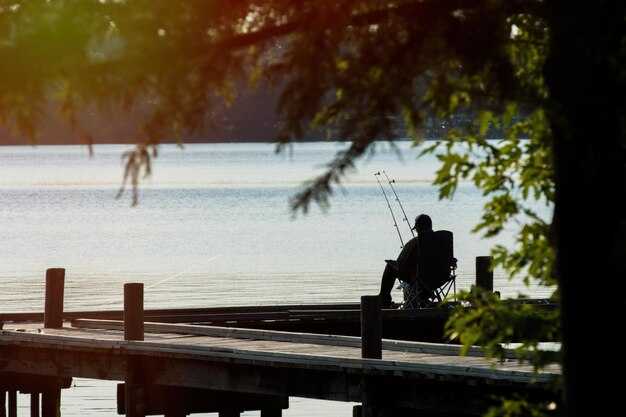
Start here: fish from Rickenbacker Causeway in the calm afternoon using a short, sturdy rig with a 30-40 lb leader and a 2/0 circle hook; a 1-2 oz sinker keeps bait on the bottom where snappers feed; live shrimp or finger mullet maximize catching results.
Access to these spots is straightforward: Rickenbacker offers easy access from the mainland and a busy fishing vibe; the cape side offers a jetty and sandy banks with calmer pools; these year-round options stay productive when you adjust for tides. Before you go, make sure you have permits; a Florida saltwater license is required, and some piers or parks may require additional permits.
Gear and rigs: select a rod around 6-7 feet for shore casting; go with 20-30 lb braid for distance or 30-40 lb for tougher structure; circle hooks 2/0-3/0; have both light and heavy rigs; carry extra leaders and pliers; for bait, live shrimp, finger mullet, or cut fish work well; calm afternoons behind the cape are ideal for catching snappers and amberjack along shallow bars; freshwater inputs along the edge attract bait and increase opportunities.
Seasonal notes: The hottest action occurs year-round on the shore, with the most reliable days in the afternoon when winds lighten. The action consists of predatory species like amberjack and snappers; they chase food along structure. Elusive bites can come when current shifts; keep your gear ready and be patient. Both novice and experienced anglers will enjoy these spots, starting with Rickenbacker and then trying the north beaches as tides shift.
| Spot | Best time | Recommended gear & rigs | What you’ll catch |
|---|---|---|---|
| Rickenbacker Causeway (north side) | Afternoon, calm seas | 6-7 ft rod; 30-40 lb braid; 2/0 circle hook; 1-2 oz sinker; live shrimp or finger mullet; spare rigs | snappers, amberjack |
| Cape Florida shoreline | Afternoon to early evening | 5-6 ft rod; 20-30 lb braid; 2/0 to 3/0 circle hooks; 1-2 oz bottom weight; live bait or cut fish | snappers, amberjack potential |
| North Miami Beach / North Shore lines | Midday to afternoon | 6 ft rod; 20-30 lb braid; 2/0 circle hook; light to mid-weight rigs; spare leaders | snappers, other nearshore predatory species |
Top shoreline spots in Miami for anglers starting from the coast
Begin at South Pointe Pier on Miami Beach for the fastest payoff from the coast. Stand along the outer railing and cast toward the trough between sandbars and the mangrove grounds. Here the action centers on snook and drum, with amberjack likely across the deeper pocket when boats idle offshore. What makes them ideal is easy access and predictable bites, and you can use squid or shrimp on a light jig head. Keep the hook small and this setup gives you everything you need for a productive start.
Haulover Park Beach offers a sheltered option with a visible jetty that concentrates activity. Cast toward the jetty tip where the channel narrows between the rocks and the open water, without spooking the fish; the approach is straightforward and friendly for beginners. You’ll usually find snook and drum along the mangrove edges nearby, and amberjack may show up when schools push along the rocks. For bait, shrimp or squid on a simple rig works well, and an evening session can boost bites.
Bill Baggs Cape Florida State Park keeps a historic shoreline where the mangrove banks curve toward the inlet. Walk the seawall and scan the edges for snook cruising the deeper pockets, and watch for ambush bites along the drop-offs. Drum show up around the rocks and channel edges, while amberjack can show up on longer casts with heavier gear. Squid and cut bait work well here, and an evening session often produces the best odds.
Rickenbacker Causeway provides a long corridor where the water runs between islands and rock jetties. Stand on the concrete edges and work the drop from the mid-tide to the next flood. Predatory fish patrol the channels, so snook and amberjack are common targets near the pilings; you’ll also pick up drum in deeper gutters. Use a simple rig with a hook and a chunk of squid or cut bait to keep a steady bite during the afternoon lull.
Crandon Park Beach and the Key Biscayne coast give plenty of shore-angler choices. Start near the mangroves and work toward the sand to find pockets where the fish stack. Snook and drum are usually present in warm months, with amberjack likely when the current pulls you toward the deeper flats offshore. A lightweight rig with shrimp or squid will be easy to manage for new anglers, and a longer cast can stretch the approach to the channel edges.
addition to planning: check tide windows and wind direction; coastal access points stay open dawn to dusk in most parks, and the coast stays calm enough for easy learning. Respect mangrove grounds and avoid nesting zones. With these coast-first spots, you have plenty of chances and a solid addition to your fishing routine.
Species you can expect from shore and the best lures for each
Target spotted seatrout from the shallows with a 4-inch soft plastic swimbait on a light jighead to start your day strong along the beach. In this state, October changes the bite as water and bait move, so know the best times to cast and stay flexible; this is a practical choice for shore anglers.
- Spotted Seatrout
- Best lure: 3-4 inch paddle-tail soft plastics in shrimp or mullet color.
- Rig: 1/8-1/4 oz jighead on 10-15 lb braided line with an 8-12 lb fluorocarbon leader.
- Where/when: along grass edges and troughs in the shallows; early morning or late afternoon when water changes color.
- Tip: add a touch of scent to soft plastics in stained water and aim for an attractive, tight presentation.
- Snook
- Best lure: topwater plugs at first light or 4-6 inch soft plastics on a 1/4 oz jig along the beach side near passes and canals.
- Technique: cast to structure on the side of islands; walk-the-dog or steady retrieves work depending on tide.
- Notes: in October, afternoons can bring snook close to the beach pockets after warm days.
- Redfish (Red Drum)
- Best lure: 3-4 inch paddle-tail plastics on 1/8-1/4 oz jigs; or live shrimp on a light jig rig.
- Technique: probe troughs and gut lines near the beach; target edges around islands where currents concentrate bait.
- Notes: redfish gather on the water’s edge during fall; keep your eyes open along the shoreline.
- King Mackerel
- Best lure: silver/blue metal spoons or shallow-diving plugs; use a 30-50 lb leader for bigger fish.
- Technique: cast from beach approaches and piers; in October they can school near the surface and bite on fast retrieves.
- Notes: seasonal action nearby; the right combination of wind, water state, and bait triggers the bite away from rocks.
- Trick: for a sword-like profile, sweep long casts with a fast, straight retrieve to cut through chop.
- Spanish Mackerel
- Best lure: small spoons or flutter jigs on light gear; quick retrieves imitate fleeing bait.
- Technique: look for bait schools around the islands and along the beach; keep lures bright in clear water and change pace as needed.
- Notes: already, guests report quick action when water is clear and the sun is high, making this a reliable option all afternoon.
- Tarpon
- Best lure: large topwater plugs (6-8 inches) or heavy soft plastics on a stout setup; 80-100 lb leader recommended.
- Technique: target troughs and passes near islands; morning and late afternoon are productive during the seasonal run.
- Notes: tarpon offers heart-pounding experiences; be ready to adjust as water changes and fish shift.
Optimal fishing times: seasons, tides, and wind direction for shore anglers
Begin with the incoming tide during daylight, focusing on the first two hours after dawn and the hour before dusk along piers, jetty edges, and beach shelves. Cast toward troughs where the bottom drops and work the lure along the contour to detect bites quickly.
In colder months, predators move closer to shore near bottom structure. Amberjack concentrate around pilings and wrecks, and beginner anglers can find solid chances when baitfish abundance builds near the form of channel edges and sandbars along the coast.
Tide time tips: Rising tides extend the reach to bottom edges and pockets where fish lie in wait; high tide near structure improves bite opportunities. Target drop-offs, sandbars, and troughs where water movement concentrates bait and makes ambush lines easier to read from shore. Use bottom-oriented lures to keep contact with the contours.
Wind direction: A steady breeze from the northeast or east tends to push bait along the coastline, increasing visibility for swimbaits. A southwest wind adds chop and can mute bites; cast parallel to the shoreline so the lure runs along the bottom and stays in the strike zone despite gusts.
For beginner anglers, focus on accessible spots such as piers, jetty shoulders, and beach troughs where current and wind align. Use swimbaits of mid-size to imitate baitfish; work with short, rhythmic retrieves and pauses to mirror natural movement and appearance. The combination of rising tides, steady wind, and bait abundance along the side of channels yields opportunities for solid catches near bottom structure.
Gear, rigs, and bait: beginner-friendly setups for Miami coast
Grab a 7’0″ medium-light spinning rod, spooled with 20 lb braid on a 2500-series reel, and rig it with a sliding egg-sinker setup: 1/4–3/8 oz egg sinker, bead, barrel swivel, 18–24 in fluorocarbon leader, and a 2/0 circle hook. This combo offers solid casting distance, feel, and hook-up reliability for nearshore Miami coast while you learn the rhythm of the water, because it balances ease of use with real bite sensitivity.
Two reliable rigs cover most days: Rig A uses the sliding egg-sinker above a swivel for a bottom-heavy presentation; Rig B uses a lightweight jig-head (1/8–3/8 oz) with a small soft plastic or live bait to swim just under the surface near the shadow of pilings, docks, or mangroves. For calm evenings, add a popping cork to keep bait at a known depth and improve bite visibility; switch to a simple drop rig if current picks up behind piers. When casting, keep line level to feel every nibble. From a boat, keep line level to maintain control in gusts or surges.
Bait options stay simple and effective: live ballyhoo and peacock are proven, mullet strips work well for snook and redfish, and shrimp covers many species. Bait varieties undergo changes with water temperature, wind, and sunlight; in October evenings the bite often favors slower presentations and slightly deeper lines as currents shift. If you’re swimming along the shore, keep your bait behind the shadow line of structure to entice more bites.
If you don’t own gear, rent a setup from local shops or guide outfits; many offer quick tutorials so you can love the sport and get on the water quickly. Experienced anglers know the best spots along the south coast and how to read a bite, adjusting rigs to wind and tide. Local universities run beginner clinics that teach safe handling and basic techniques, so you can become more confident and do longer sessions out on the water.
Catch-and-release matters: unhook in the water when possible, minimize handling, and release gently once the fish shows signs of recovery. With the right rigs and a bit of practice, your doing becomes smoother, you know which depths and baits work best, and you become skilled after a few evenings on the water near Miami.
Rules, permits, and safety: staying compliant and secure while shore fishing
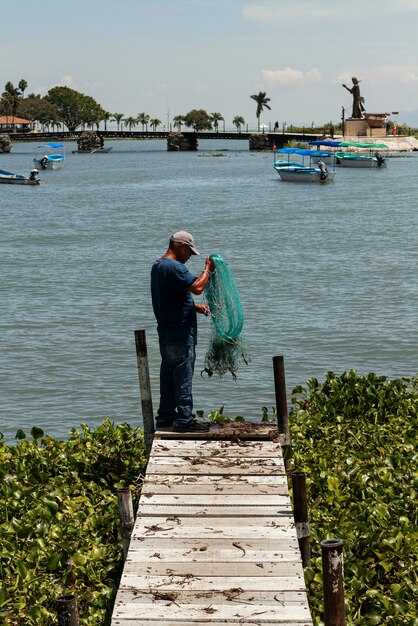
Obtain a Florida saltwater fishing license and review the latest rules before you cast. youre required to carry a valid license when shore fishing in Miami, and you should have ID ready if asked. Check posted rules and bag limits on the official источник of updates from Florida Fish and Wildlife Conservation Commission (FWC) before you go.
Permits and zones vary by spot. Some piers require a separate permit, and certain beaches or inlets fall under protected zones with tighter limits or seasonal closures. Always confirm with staff or the official источник before you cast, so you avoid fines and protect sensitive habitat.
Gear and techniques matter as much as patience. Use a 7- to 9-foot medium-heavy rod with 15–25 lb braided line and a 20–30 lb fluorocarbon leader to handle structure and potential grouper holds. Pack a mix of lures–gold and silver spoons, soft plastics, and shallow-running plugs–to cover different depths and currents. Practice stealth: cast to structure quietly, avoid casting shadows over shallow flats, and move along the edge of a mangrove grove or seagrass habitat to locate native life without damage. Keep the drag firm enough to prevent spooling, but smooth enough to protect delicate mouths. This full approach helps you score more bites and keeps the ecosystem intact for future trips.
Weather and safety go hand in hand. Check the forecast and tide tables before sunrise; if lightning or a approaching front appears, head to shore and seek shelter. Wear a life jacket when wading or standing on slippery rocks, especially near current lines or piers. Bring sunscreen, a wide-brim hat, plenty of water, a basic first-aid kit, and pliers for safely removing hooks. Stay aware of waves and sneaker-current risks, and keep paths clear of gear to avoid trips or tangles. A quick plan keeps you safe and lets you enjoy the thrill of a great catch without unnecessary risk.
Habitat and behavior guide respectful conduct. Respect seagrass beds and mangrove habitats, which are critical to natural life and fish nurseries. Avoid stepping on delicate zones, and never pull fish through vegetation. Dispose of waste properly and carry a trash bag to keep the shore clean away from wildlife. Your careful behavior helps protect the habitat while you share the shore with other fishermen and wildlife observers–together you provide a safe, memorable experience for everyone involved.
Species rules and etiquette matter every time you reel in. Red drum, grouper, and other species have size limits and seasonal protections; always verify current limits at the official источник for the specific Miami area. If a catch falls outside limits or is protected, release it promptly and handle it gently to minimize stress on the fish and preserve the population. Generally, follow a simple rule: if in doubt, release and verify later. This practice keeps Florida’s native life thriving and makes every trip unforgettable for both new and seasoned fishermen.
Heres a practical, daily checklist to stay compliant and secure on the shore: license and any required pier or reserve permit, a compact tackle kit, pliers and de-hooking tool, line cutters, spare lures, a small first-aid kit, water and sunscreen, a light rain jacket, a trash bag, a compact flashlight, and a buddy or family member for safety. Pack gear in a dry bag and keep the full setup easy to carry along a flat beach or along pilings. This approach helps you fish with confidence, enjoy the great Florida coastline, and create truly unforgettable memories with every cast.