


 简体中文
简体中文  English (UK)
  Русский
  العربية
  日本語
日本語  한국어
한국어  Magyar
  Türkçe
  Español
  Čeština
  Svenska
  Português
  Ελληνικά
  Suomi
Suomi  Nederlands
  Română
  Italiano
  Français
  Polski
  Українська
  Deutsch
  Slovenčina
  European Sailing Bucket List – Top Destinations for Your Voyage">

从春天在岩石嶙峋的海岸和柔软的海湾划出弧线开始,那里稳定的风邀请船长在第一段航程中测试熟练程度。序列必须安排成尽量减少涌浪,将隐蔽的港口缝合到合乎逻辑的进程中。在解缆之前,了解船只的极限,核实保险范围,并锁定船员简报。一个务实的开始可以巩固纪律,降低风险,并保持时间表的可预测性。打包小巧的导航玩具,以便在平静的时刻练习打结、标绘和浮标速算。.
希腊群岛提供了一个丰富的选择:隐蔽的海湾,粉刷成白色的城镇,以及能满足美食家团队的小酒馆。在风力减弱时变换航线,偏爱石灰石码头,并在黄昏时保持平静的海湾抛锚。地中海地区的人们期待着清澈的海水、简单的补给,以及将文化景点与轻松的比赛航段结合起来的路线,因此优先选择那些能让你在岸上伸展双腿而无需匆忙的锚地。.
继续沿着克罗地亚海岸航行,期待着壮观的岩石海岬、充满咸味空气的长廊和清澈的海湾。亮点包括斯普利特的市场、赫瓦尔的露台和科纳提群岛星罗棋布的小岛。务必计划在补给充足的游艇码头停靠,并准备好保险;靠近国家公园的锚地可缓解拥挤城镇的压力。短暂地转向土耳其,沿着土耳其南部海岸线航行,会增加旅途的趣味,那里有新鲜的海鲜、海港咖啡馆和庆祝海上生活的市场,在碧绿的海水中,当您穿梭于日落后闪耀光芒的海湾之间时,兴奋感油然而生。.
在人迹罕至的航线上,不妨考虑与较为平静的地中海海域相符的季节性窗口;将专业知识记录在专门的航海日志中,并根据当地船长的建议进行调整。当每个港口都感觉像一间教室时,航行就会蓬勃发展,其中 熟练程度 由现实经验塑造,以及 best 记忆是你在星空下于甲板上烹饪的夜晚,至今仍提供动力 excitement 为了下一段旅程。精心策划的行程开启了无限可能,它会奖励那些细致的计划、大胆而有分寸的探索,以及永不停歇的学习心态。.
欧洲实用路线和中途停留点

从马略卡岛,帕尔马出发,在索列尔港或卡拉拉特哈达抛锚停泊,储备物资,并在出发前确认租赁和保险。这种开放水域的起航带来一系列短途航行,保持高度的兴奋感,并减少长途过夜航行。在马略卡岛,您将体验老城区的标志性建筑,生动的文化,以及轻松前往平静海湾的机会,这些海湾非常适合游泳和在甲板上眺望清晰地平线的漫长时光。最佳窗口期从晚春到秋季,长达数月,此时风力稳定,海况良好。.
- 马略卡岛 → 梅诺卡岛 → 伊维萨岛:每站之间停留 2-3 天;亮点包括安静的海湾、清澈的游泳场所,以及帕尔马和马翁的沿海建筑;航程较短,使得这一段路线切实可行;沿途都能找到租赁码头,便于补给和安全检查;这增加了航线的便利性。.
- 伊维萨岛→科西嘉岛,途经里昂湾:4-5天;亮点包括引人注目的红色悬崖、巴斯蒂亚和阿雅克肖,以及俯瞰大海的色彩缤纷的海岸线;计划好稳定的天气窗口,并随时检查保险和装备;穿越广阔的海湾可以积累实践航海经验。.
- 科西嘉岛 → 撒丁岛 (阿尔盖罗/奥尔比亚) → 利古里亚海岸(波托菲诺、热那亚):3–5天;亮点包括俯瞰悬崖、一系列海港小镇,以及沿岸拥有历史建筑的蓝绿色海水;您将享受隐蔽的海湾和清澈的游泳点;计划时要考虑到保护区和开放通道的混合。.
- 威尼斯/的里雅斯特 → 伊斯特里亚海岸 → 克罗地亚群岛(科纳提、赫瓦尔) → 爱奥尼亚西岸(科孚岛、帕克西岛、莱夫卡达岛):6–9天;亮点包括沿海城镇的城墙小镇、色彩鲜艳的市场和引人注目的建筑;东线航程更长,探索区域更多样;随着您进入亚得里亚海,并进一步进入爱奥尼亚群岛,您会发现完善的租赁网络和可靠的保险覆盖;横跨东海的航程需要仔细阅读天气状况。.
实用技巧:确认涵盖多个辖区的租赁条款,随身携带最新的保险文件并备好便携式海图。储备模块化的食品、备件和安全装备,以减少繁忙区域的停机时间。按月计划——通常五月至十月风力最佳,夜晚更平静,游泳机会更多。保持灵活的时间表,这有助于适应天气和港口选择,同时保持高度的兴奋感。选择能够清晰看到海岸线的锚地,欣赏水面上方的建筑和文化,并始终尊重您所访问的每个区域的保护区和当地规则。.
- 租赁和保险:核实每个途经国家的承保范围,确认一份跨境保单,并携带数字副本和当地紧急电话号码卡。.
- 补给和燃料:储备各种不易腐烂的食品,规划在有超市的港口停靠,并提前查看燃料码头和加油时间。.
- 航行航段:长途航行使用气象导航,尤其是在海湾和岛屿之间;开放水域航行时保持测深仪和AIS开启。.
- 锚地和安全:选择在东风中具有隐蔽方位的目标区域,避开拥挤的海湾,并选择能俯瞰风景如画的海湾的地点,以提升日常游泳和日落体验。.
- 文化亮点:在海湾和城镇体验当地文化和建筑,那里的市场、咖啡馆和画廊提供鲜艳的色彩,与色彩斑斓的海岸线相映成趣。.
在这些路线交汇的地方,您将获得实践经验、欣赏美景,并更深入地了解源于不同地区的海洋文化,在每个海湾都感受到惊叹的时刻。.
科西嘉岛至撒丁岛 7 日行程:每日停靠点、隐蔽港口和夜间泊位
从阿雅克修出发,沿着阳光炙烤的西海岸一路前行至普罗普里亚诺,在受保护的港湾中度过沐浴阳光的第一个夜晚。.
从普罗普里亚诺出发,向南拐弯前往博尼法乔,用开阔的水域换取被石灰岩穹顶环绕的港口和安静的夜间停泊。.
前往撒丁岛北部顶端的圣特雷莎迪加卢拉,那里有黎明时分的静水和受庇护的码头在等待着你。.
继续在马达莱纳群岛之间跳岛游,那里有白色沙滩和清澈的海水,形成了田园诗般的锚地,非常适合乘坐小型、灵活的船只进行探索。.
从马达莱纳到坎尼吉奥的航程节奏舒缓,让居住在紧凑型游艇上的船员可以尽情享受那不勒斯风味的海鲜市场,并在阳光下浪漫的海湾中流连忘返。这条航线位于一个易于管理的区域内,提供了大量在受保护水域练习航行和操纵的机会。.
从卡尼吉翁到戈尔福·阿兰奇,视野稍稍开阔,海湾依旧阳光充足,泊位隐蔽,适合在星空下度过一夜。这一段旅程提供了一个机会,可以将翡翠海岸的喧嚣与附近海湾和港口中更亲密、更具戈佐岛和圣托里尼岛风格的平静进行比较。.
从戈尔福·阿兰奇到奥尔比亚的赛程以在奥尔比亚码头的短暂冲刺结束,这个地点感觉足够小,让人感到亲切,同时又与更广阔的地中海地区跳岛航线相连。.
| Day | 腿 (从 → 到) | Distance (NM) | 避风港/系泊 | 说明 |
|---|---|---|---|---|
| 1 | 阿雅克肖 → 普罗普里亚诺 | 60 | 普罗普里亚诺码头(内港) | 短小、隐蔽的通道;容易进入的角度;附近有白色沙滩。. |
| 2 | 普罗普里亚诺 → 博尼法乔 | 40 | 博尼法乔港(码头) | 悬崖和圆丘为背景;平静的傍晚系泊;良好的补给选择。. |
| 3 | 博尼法乔 → 圣特雷莎迪加卢拉 | 28 | 圣特雷莎迪加卢拉码头 | 短途开放水域航程;隐蔽的码头已准备好供您上岸过夜。. |
| 4 | 圣特雷莎迪加卢拉 → 马达莱纳 | 30 | 卡拉加韦塔 / 玛达莱娜 | 在群岛间穿梭,寻找理想的停泊地,在傍晚畅游。. |
| 5 | 拉马达莱纳 → 卡尼吉翁内 | 25 | 卡尼吉翁码头 | 受保护的港湾;方便的小艇换乘至岸边;探索当地市场。. |
| 6 | 卡尼吉翁 → 奥尔比亚-坦皮奥省 | 40 | 奥尔比亚海湾码头 | 更长的延伸段,但保护良好;可选择在沿途的小海湾停留。. |
| 7 | 戈尔福·阿兰奇 → 奥尔比亚 | 12 | Olbia Marina | Final short leg; return flow to base area, easy provisioning, sunset over the harbor. |
Tip: this plan keeps segments small enough to maintain steady crew morale, while offering ample sheltered options and night moorings. The cuisine around Corsican markets blends well with naples-inspired seafood, and the overall experience carries a sun-soaked, idyllic vibe suitable for both newcomers and seasoned skippers. Expect opportunities to compare Greece, turkey, and gozo memories with Santorini-style coves, all within a single island-hopping circuit that remains manageable and rewarding.
Dalmatian Coast navigation: recommended sequence, anchorages, and marina tips
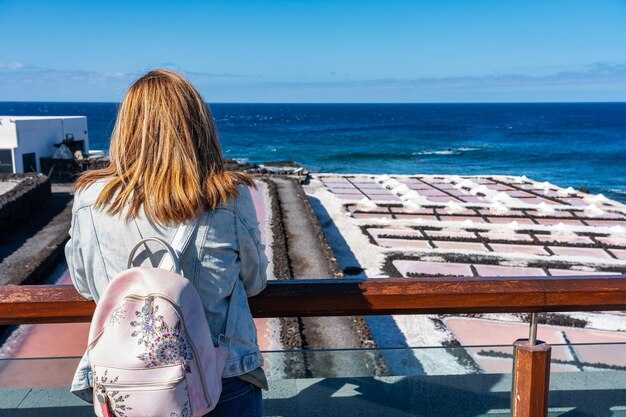
Begin in Split; it offers reliable spring weather, easy provisioning, and a robust marine network. A minimum two-person crew suits a compact charter of six to eight passengers, leaving room for quiet days at anchor and lively evenings in harbor towns.
- Split
Why: a natural launch pad with sheltered harbors nearby, immediate access to provisioning, and readable weather forecasts. Sail south toward Hvar after a morning check of wind shifts. Gulf-style inlets around the harbor provide secure mooring before long passages.
- Anchorages: sheltered coves around Marjan and Kaštela Bay; Stobreč Cove offers a quick, calm anchor on calmer evenings.
- Marina tips: ACI Marina Split is reliable for bunkering, pump-out, and bathrooms; use nearby harbors for quiet evenings ashore. Night life concentrates in the old town, restaurant options are plentiful, and a short bus ride takes passengers to scenic viewpoints.
- Hvar (north coast and secluded bays)
Why: a scenic crossing with easy hops between coves; the islands cluster around this zone, delivering idyllic scenery and Mediterranean charm. This leg also helps learn local wind tendencies as you approach the swell-free channels between islands.
- Anchorages: Dubovica Bay on the southern coast for a quiet break; Stari Grad Bay offers simple protection and easy dinghy access to the town.
- Marina tips: ACI Marina Hvar provides reliable services; look for adjacent quiet bays to enjoy meals at sea and a visit to a waterfront restaurant in Hvar Town after a relaxed night sail.
- Korčula (Lumbarda and Vela Luka zones)
Why: a natural step south with protected waters, leading toward Mljet. Naval channels between Korčula and nearby islands are straightforward and add variety for passengers who enjoy island scenery.
- Anchorages: Lumbarda Bay on Korčula’s eastern shore; Prigradica in a sheltered east-coast pocket, popular with charters for short hops.
- Marina tips: ACI Marina Korčula handles routine services; if staying longer, consider small private berths in adjacent coves or the town harbor. Expect welcoming tavernas with local seafood and a relaxed night atmosphere.
- Mljet (Pomena and Polače areas)
Why: a wooded, natural break with national-park scenery; water stays cool and clear, ideal for a daybreak sail before continuing south. The calm water here invites a slower pace, good for families and guests who enjoy a break from heavier currents.
- Anchorages: coves near Pomena and Polače provide solid protection; the surrounding islands create a tranquil backdrop for a quiet night.
- Marina tips: Mljet has smaller public harbors rather than large ACI marinas; anchor and use local facilities if available, and plan a shore visit to the Mljet National Park for a short excursion. Restaurants nearby offer rustic Mediterranean flavors.
- Elaphite archipelago (Lopud and Koločep)
Why: a scenic cluster between Mljet and Dubrovnik, offering playful channels and shallow passages suitable for short hops. This section is a marvel for those who enjoy idyllic coves and natural scenery.
- Anchorages: quiet bays near Lopud, with a preferred stop at Sunj Bay for a protected layday; Koločep provides sheltered anchorages and friendly local moorings.
- Marina tips: Lokrum and Lopud offer limited formal marinas; use harbor pontoons where available, and enjoy a beachfront dinner at one of the island tavernas. Bathrooms and wash facilities are typically simple but sufficient in peak season.
- Dubrovnik area (Gruž, Lokrum, and Cavtat)
Why: southward progression culminates near Dubrovnik; the old town view from the water is iconic, while nearby Lokrum and Cavtat provide calmer options for nights before your final crossing or return.
- Anchorages: near Lokrum for short hops before docking; Cavtat Bay offers quiet nights and easy tender rides to the waterfront; Gruž hosts a practical marina scene for larger crews.
- Marina tips: ACI Marina Dubrovnik in Gruž is well equipped; plan a day to stroll the walls, enjoy the harbor restaurants, and refresh supplies. If you prefer a more private option, Cavtat’s marina and harbor quay provide a refined finish with good bathrooms and accessible amenities.
- Optional extension: Pelješac peninsula and backward leg toward the channel
Why: a natural extension for a longer voyage; the coastline becomes more rugged, with quiet coves sheltered from stronger winds. This leg adds Kefalonia- or Cornwall-like rugged beauty in a localized Adriatic context and lets passengers absorb a broader Riviera vibe.
- Anchorages: sheltered bays along the Trstenik and Ston coasts; consider a quick swing by the Pelješac crossing for a taste of coastal villages and island-inspired dining.
- Marina tips: local private moorings or small family-run ports provide basic services; plan ahead for fuel and groceries, and keep a flexible schedule to enjoy a late-night meal at a seaside restaurant before a final leg back toward your homeport. This segment blends natural scenery with island-hopping charm, offering a restful break after a busy itinerary.
Greek Islands hopping: sequence of Santorini, Mykonos, Paros, and Naxos with wind windows
Begin with Santorini at dawn to catch a calm sea along the blue coastline, then sail to Mykonos within the morning wind window. This sequence makes eight days on the water feel easy, with quiet anchorages and sandy coves between caldera views and whitewashed lanes. Here, a mindful pace suits a foodie, a hiker, and a traveler chasing summer vibes.
Santorini to Mykonos leg: about two to four hours, depending on wind. The crossing spans roughly 60 to 80 km, with speeds typically 12 to 18 knots in a normal summer window. Drop anchor near a quiet spot with sand and clear water, then explore Mykonos by day and enjoy nightlife after sunset.
Mykonos to Paros leg: about 25 to 40 km, usually one to three hours. Winds often shift to a comfortable NW breeze by late morning, letting you sail between the two with long, vast horizons. Paros offers soft sand beaches and a coastline sheltered by coves; visiting tavernas and a few foodie spots is easy.
Paros to Naxos leg: roughly 20 to 40 km, typically one to two hours. Eastward across blue water reveals a vast coastline with beaches and quiet hillside trails; anchor near soft sand for a swim, then hike between villages in the evening. Naxos keeps a robust heritage and great seafood to try after a day on deck.
Practical notes: secure insurance and check marina fees, fuel stops, and mooring rules along the east Aegean corridor. If you lack a skipper, ensure you possess the needed license for a bareboat trip; otherwise hire a skipper for ease. Having eight nights on board lets you balance on-deck time with visits to markets and tavernas. Here you’ll savor quiet coves, long coastlines, and fragrant seafood; capri vibes appear in a few bays, while dalmatian spray and Côte-inspired scenery recall Capri or Amalfi in mood.
Balearic Islands sprint: Mallorca, Menorca, Ibiza, Formentera–best timing and moorings
Begin in Palma de Mallorca in late May or early June. Fully secure berths at Club Náutico de Palma and Port de Palma, and clarify a 7–9 day loop that keeps daily legs to 30–60 miles. This window yields lighter trades, longer daylight, and calmer harbours, ideal during cruising with a light breeze and plenty of time to enjoy everything along the coast, making the sailing especially agreeable.
The coastline of Mallorca is gloriously varied; the Tramuntana range is unesco-listed, shaping an epic backdrop as you are sailing north from Palma toward Sóller and Alcúdia. In Palma Bay, anchor at Mallorca’s harbours or Port de Sóller during your first night, then consider Cala Portals or Cala Llamp if the wind shifts. Having plenty of options, you can adjust the schedule day by day while staying fully protected.
Next hop is Menorca. The channel between the two islands is a manageable offshore leg of roughly 60–70 miles, depending on winds. In Menorca, Maó Harbour (Port de Maó) offers credentials and a full range of services, while Ciutadella’s marina provides a charming town visit within walking distance. Distances between harbours and coves are short, so you can anchor in coves such as Cala Morell or Cala en Blanes when berths are tight. If you spent extra time ashore, Cala en Blanes offers a pleasant berth within steps of a town.
Ibiza attracts two solid mooring clusters: Marina Botafoch in Ibiza Town and Port de Sant Antoni on the west coast. From there a 45–60 mile hop to Formentera’s La Savina harbour connects to a blissful microcosm of coves and white-sand beaches. La Savina is the main harbour with plenty of berths and a short ride to the island’s roads toward a foodie loop into Es Pujols and the farms of Es Caló; this leg is a must-see for culinary fans. Formentera’s slow pace yields timeless, culinary experiences and a foodie world within reach, with plenty of opportunities to explore towns like Sant Francesc Xavier and Es Caló de San Agustín.
Book moorings well in advance and keep credentials up to date; check weather and channel forecasts; plan another backup stop in case of a change in wind. Those coming from greece or croatias, this route keeps everything within reach and offers a different flavor of island life; however, you will spend days in which the coastlines reveal themselves gloriously, with harbours and towns along the way. Having a flexible plan is important; the itinerary runs through towns with mass appeal and plenty of quiet anchorages where you can sleep with the sound of waves.
In sum: this loop suits a calm, unhurried sailing mindset; the worlds within reach; a route with must-see harbours and towns; plenty of anchorages and a timeless, culinary sequence that showcases a foodie culture across four islands. Clarify the exact day-by-day plan with the crew, and you will have a route that feels like miles of coastline to savor, with capri, ischia and croatias set as comparisons for those seeking Mediterranean contrasts.
Norwegian fjords summer sail: ideal window, port calls, and safety checklists
Choose mid-June to early August as the ideal window: long daylight, stable breezes, and reliable forecasts. Start in Bergen, then flow into Geirangerfjord and Flåm, circle toward Naeroyfjord, and push into the Sognefjord corridor with sheltered anchorages in coastal villages, back to Bergen to complete the loop. there are three main passages where views dominate the landscape.
Daily legs aim for 5–6 hours of sailing, with the rest spent exploring shorelines, hiking, and sampling seafood. Sheltered bays near Flåm and Olden help first-time crews ease into rhythm, while Geiranger and Sogndal provide dramatic scenery. The schedule should be adaptable, letting sand beaches, hiking trails, and viewpoints guide longer breaks along sheltered channels.
Practical safety checklist: verify life jackets sized to all aboard; confirm life raft service; test VHF radio; check AIS; ensure GPS plotter backups; carry updated paper charts; have a float plan shared with a shore contact; verify engine and bilge pump readiness; inspect lines, fenders, anchors, and dinghy; stock water and provisions for at least three days; ensure weather source and tide data; finalize an emergency drill before departure.
This route appeals to first-time sailors and adventurous crews alike, with flexible legs that adapt to wind and swell. At calm moments, a larger circle through fjords reveals spectacular views–sheer cliffs, cascading falls, and glacier-fed rivers. When conditions tighten, shorter hops keep the crew comfortable while preserving the sense of exploration. Each location offers practical options for anchorage, supply stops, and shore excursions.
Advancing beyond these waters, a broader package might link mallorca, croatias, greeces, cornwall, and spain as land extensions. A charter can thread these segments into a coherent arc, balancing long passages with culinary discoveries, harbor strolls, and lively events. This approach covers everything a curious crew needs, drawing everyone, including first-time travelers, into a flexible plan that suits pace and budget. The ionian coast can be appended as a separate leg for a contrasting scenery.