


 简体中文
简体中文  English (UK)
  Русский
  العربية
  日本語
日本語  한국어
한국어  Magyar
  Türkçe
  Español
  Čeština
  Svenska
  Português
  Ελληνικά
  Suomi
Suomi  Nederlands
  Română
  Italiano
  Français
  Polski
  Українська
  Deutsch
  Slovenčina
 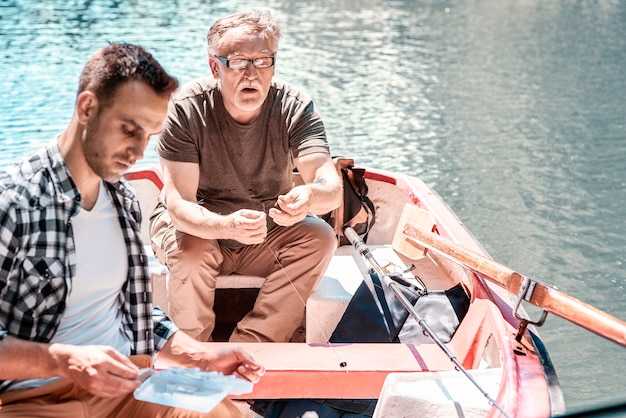 Do I Really Need Boat Insurance? A Practical Guide to Coverage, Costs, and Liability">

Recommendation: 今天就购买一份保单来保障您的船只;这能在威胁财务的不可预测事件发生时让您安心。. 斯图尔特 注意,比较选项能在选择前增加信心;然而,货比三家能让你获得更好的条款。.
水上船只的保单附带额度限制,这在发生损坏时至关重要;选择一份涵盖发动机、船体、第三方风险的计划;这样,损坏船体的维修费用就不会耗尽储蓄;这可以减少数千美元的潜在自付费用。在您决定之前,这些数字将有助于评估总风险;否则您可能会低估风险。.
在承诺之前,比较几家供应商的报价;加利福尼亚州的贷款机构、码头或租赁船队可能需要看到保护,这可以增强那些在海岸航行的人的信心。.
保费随船只价值和引擎而变化;天气模式也会改变风险;加利福尼亚州的运营商对保单的定价方式不同;即使是小型船只,每年也可能支付数千美元,但选择合适的保单可以降低风险。.
理赔处理:受损时,及时提出理赔;保单将会安排维修;提供快速支持;24/7 全天候协助,保障安心,信心。.
船舶保险要点
为了在法律上保护自己,请购买包含人身伤害保护的综合保单;在离开系泊处之前,准备好贷款人所需的证明。如果您想要确定性,请选择具有强大的人身伤害保护 policy。此保单将涵盖人身伤害;财产损失是同一文件的一部分;贷款人需要证明才能释放系泊通道;当您做好充分准备时,此流程将有效。.
保单应明确水路、码头、设施的水上风险; 验证舷外发动机、电子设备、锚、帆等设备是否受到保护; 此类保护涵盖必要的身体伤害保障; 保护财产损失风险; 这可以最大限度地减少索赔发生时的争议。.
接下来,按价值评估成本;成本通常按船只价值范围确定:价值低于 25,000 美元:每年 200 美元–600 美元;25,000 美元–75,000 美元:600 美元–1,800 美元;75,000 美元以上:1,800 美元–4,000 美元;免赔额选择会影响实际支出;关键决定包括免赔额水平;船民在比较时会权衡可行的选择;保险公司提供多重保单折扣;船民应比较几家保险公司,以避免支付过高的费用;他们将权衡感知风险与实际风险。.
不要假定保单会自动承保存放在系泊设施内的设备;不要求单独附加条款来承保系泊设备;请确认所有设备均已列在实际保单中。.
如此准备的原因:保险公司认为持有最新保单的船员风险较低;这使得更容易获得泊位;水道设施赞赏清晰度;其次,确认人身伤害保障适用于船员、乘客和第三方;验证受保设备在使用或停泊时仍然受保;当出现索赔时;他们将受益;每次航行都有明确的条款;通过明确的措辞,感知风险会降低。.
船只保险涵盖哪些内容,不包括哪些内容?
考虑根据沿海水域的实际风险做出选择。保费因船只大小、发动机、系泊设备、航行区域而异;选择一种旨在良好保护投资、提供船体保护、医疗费用、拖曳服务的形式。.
法定最低限额提供的保障有限;扩展保障的原因包括天气、碰撞、错误加油,以及意外发动机故障、残骸清除、事故后的医疗费用等。.
保护类型包括船体保护;装备;安装的设备;发动机;水上拖曳;救助;残骸清除;医疗费用。.
常见的除外责任包括:虚报使用;非水上存放;磨损;疏忽造成的损坏;未经授权的拖曳;参加比赛;商业用途;在保单区域外使用船只。.
行动步骤:审查保单表格;核实保费;确认系泊保护;查看是否包含汽车援助拖曳服务;确保实际沿海路线、安全习惯和意外危险的保障;评估提供紧急拖曳等可选方案。.
务必根据课程调整选项;在水上航行时,安全第一,切勿只顾刺激;培养安全习惯。.
各州和不同类型的船只的最低保险限额是如何确定的?
从基本价格目标开始:人身伤害事故30万/起;财产损失10万。根据船只大小、乘客人数、航行区域提高此个性化数字。如果船只停靠在拥挤的航道或运营游轮,则再次提高。了解哪些风险存在可以让船只所有者安心;准备好的计算为不可预见的事件(包括突发碰撞)留出空间,如果没有更高的限额,这些事件将难以覆盖。.
在法律上,一些州对休闲船只设定了明确的最低限额;另一些州则将最低限额留给保险公司的模型;贷款人则要求对融资设备设定更高的限额。对于商业运营者,适用更高的保单级别,以覆盖所有可能的索赔,直至船东的风险承受能力范围。.
影响最终阈值的关键因素包括船只长度、马力、船体类型;风险随速度、开放水域巡航、繁忙交通而增加;拥有高速或多乘客船只(包括租赁业务)的船主,相比于停靠在内陆水域的慢速船只,面临更高的最低限额。不同地区的司法管辖区在法律上有所不同,这会影响所需的限额。.
为了避免人们感到不确定,请向保险公司索取个性化报价,其中明确说明保单名称、限额和包含范围。这种方法确保乘客在发生突发碰撞时获得保护,并涵盖不可预见的事件。对于船主而言,知晓保费数字与风险相符能让船主安心,他们可以进行适当的定价,确保无论停靠在码头还是巡航,每件事都有保障。.
| 州/区域 | Vessel Type | 每人的人身伤害 | 每次事故人身伤害 | 财产损失 | 说明 |
|---|---|---|---|---|---|
| 沿海国A | 小型巡洋舰(< 26 英尺) | $25,000 | $50,000 | $25,000 | 基准;贷款机构可能会要求更多 |
| 内陆邦B | 中型快艇(26–40 英尺) | $50,000 | $150,000 | $100,000 | 内陆交通导致价格较高 |
| 东北州立大学 C | 大型巡洋舰(> 40 英尺) | $100,000 | $300,000 | $250,000 | 包机业务常见 |
| 岛屿邦D | 载有宾客的帆船 | $75,000 | $200,000 | $150,000 | 来自乘客的风险,海浪 |
哪些因素会影响船只保险费?
从明确的步骤开始:从至少三家贷款机构获取报价;与房主保险捆绑以解锁折扣;提高免赔额以节省现金;保持良好的理赔记录以保护费率;在续保时探索多种保单选项以做出最佳选择;这并非一味追求最低价格;原因在于风险,风险因水域而异,尤其是在暴风雨期间,这种差异令人惊讶。.
- 估值、设备、升级:船体、电子设备、配件的重置形式价值;价值越高,风险敞口越大;升级,如昂贵的导航设备、豪华设施会提高成本;保持最新的估值表格有助于确保公平定价。.
- 使用模式、时间表、水域暴露情况:休闲、租赁或捕鱼用途;典型航程长度;繁忙水域的暴露情况;靠近码头设施会增加人群暴露;更高的活跃时数产生更高的费率;船只使用的燃料类型也会改变维护风险。.
- 地点、环境:地理位置影响风险;易受风暴侵袭的海岸、飓风走廊、码头附近的内陆水域;与拖车存放相比,在码头停泊可降低盗窃风险;季节性天气会增加索赔的可能性。.
- 经验、培训、习惯:既往事故、正规课程完成情况;自律习惯、熟悉当地水道;人身伤害结果影响定价;培训降低事故可能性。.
- 安全措施、设备:警报器、GPS 追踪器、防盗锁止器;降低盗窃风险;码头设施中维护良好的设备可降低赔付风险;贷款方青睐安全的设置。.
- 保单结构、免赔额、限额:较高免赔额带来较低保费;较大限额或附加条款会提高成本;与房主保险的多保单捆绑可提供折扣;选择稳定的付款节奏有助于费率稳定。.
- 存储、系泊: 船坞泊位暴露程度低于拖车存储,可降低天气风险;靠近风暴通道会增加索赔概率;采取安全存储措施可提供防意外损坏保护;确保正确系泊可降低风险。.
- Question price differences: if you have a question about price differences, compare quotes across three lenders to confirm value.
- Social factors, excitement: busy marina season increases risk of careless handling, spills, collisions; adjust by scheduling maintenance in off-peak windows.
- Bundling, providing convenience: combining this policy with homeowners yields a single point of contact, reducing friction during claims; saves time, preserving freedom to explore options.
How to decide between liability, hull, and medical payments coverage?
Begin with third-party protection to cover damages or injuries you cause; this is the financially prudent baseline for navigating situations on waters frequented by other vessels, keeping youre protection straightforward, with outlays predictable.
Add hull protection if your vessel carries significant value, is financed by lenders; this covers the boat itself, gear, engines, plus other critical components when hull damage occurs, especially in ontario waters or areas with higher risk of vandalism.
Medical payments protection matters when youre transporting passengers; it helps defray medical outlays for injuries sustained on the boat, regardless of fault, supporting your financial stability while navigating shared waters.
If youre using the vessel in ontario communities with frequent traffic, start with third-party protection; add hull protection if the vessel is financed or exceeds your risk threshold; consider medical payments protection if you regularly host guests; this trio yields balanced protection without locking you into pricey options.
In practice, compare protection options by asking the following: policy details from providers; the name attached to the policy; condition of the hull; whether protection includes damaged property; the extent of medical payments provision; request a quote; maintain contact with lenders for policy updates; keep a file with boat registration, engines data, stuart’s notes from ontario records.
Tips to reduce costs without sacrificing protection
Choose a deductible you can cover; this lowers premiums while keeping essential protection intact. It aligns with their risks; supports comprehensive coverage, addressing sudden events like weather or pollution. There were options beyond basic packages that fit various ownership styles; unique discounts exist from certain providers, requiring careful comparison and avoiding needless excitement about bargains that fail for every scenario.
To tailor protections, this process requires comparing coverage options; deductibles; form types across multiple carriers.
- Bundle policies with various providers to secure a multi-policy discount; wise move for boating ownership; this reduces premiums without weakening coverage.
- Install security devices on the hull; this reduces causes of damages from theft or collision; fact remains these measures lower premiums.
- Choose a form of third-party protection that covers the most common damages, while keeping the hull and pollution coverages lean; ensuring coverage remains strong when sudden weather or other risks come.
- Maintain a clear upkeep log for the hull; this reduces the likelihood of sudden damages after use; surprisingly, underwriters favor safe maintenance practices.
- Take advantage of equipment discounts for safety gear, engine cutoffs, GPS monitoring, mooring alarms; these features enhance security ahead of weather risks; premiums drop as risk lowers.
- Limit usage to daytime local trips; restricting voyage types reduces exposure to weather-related risks; resulting premiums are lower.
- Review the policy with a broker annually; this fact helps identify gaps ahead of renewal, avoiding coverage creep and reducing premiums long term.
- Document maintenance, repairs, and incidents; detailed records support faster claims and prevent surprises in the event of damages or pollution.