


 简体中文
简体中文  English (UK)
  Русский
  العربية
  日本語
日本語  한국어
한국어  Magyar
  Türkçe
  Español
  Čeština
  Svenska
  Português
  Ελληνικά
  Suomi
Suomi  Nederlands
  Română
  Italiano
  Français
  Polski
  Українська
  Deutsch
  Slovenčina
 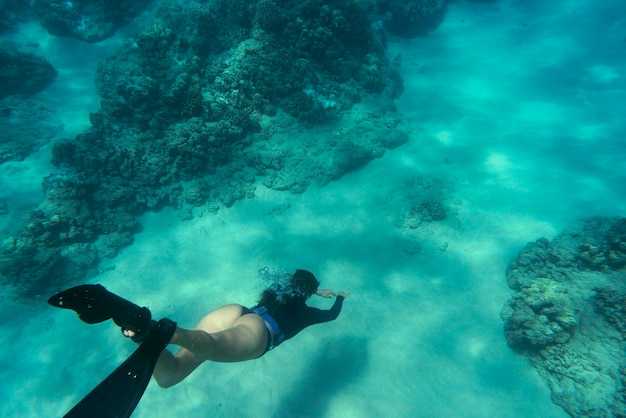 Diving in Oahu – Best Spots for Scuba, Snorkeling, and Tips">

Begin with Hanauma Bay for snorkeling in the calm morning hour. This popular site offers glass-clear water, shallow shelves, and conditions that are friendly for beginners. The article notes that access includes a brief safety briefing and a modest entry fee; plan ahead, check current hours, and read reviews to pick the best time of day. Always respect consent and local rules, and bring a reef-friendly sunscreen.
For deeper exploration, target a few offshore sites when winds stay light. Several reputable boat operators run trips to reef walls and a small wreck that provide interesting structures without crowds. In Kaneohe Bay you can glide over calm sand and coral, while Kahe Point offers easier shore entries for a morning dive. Conditions on site guides will tell you where visibility is best; during summer months you may encounter sharks on outer edges, so stay with your buddy and follow dive plans.
To support snorkeling and diving for all levels, a local guide named adam leads mixed groups and focuses on safety, buoyancy, and etiquette. A few sites around Oahu suit families, while others demand more experience. Plan a hour in the water for each session, and use a surface interval to compare notes with your group. The approach is practical: check conditions, select gear, and communicate clearly with the guide and crew.
这 article also covers gear choices and tips for responsible snorkelers and divers. Use a tempered glass mask for clearer visibility, and choose a 3mm wetsuit for most Oahu conditions. For those with scuba gear, verify your equipment fit with a shop and arrange a consent for your dive plan with the captain. Always respect environmental guidelines and tidy up after your outing. The purposes of this article are to provide practical choices and to help you plan safer outings.
When you read reviews of snorkeling sites, you’ll see patterns: Hanauma Bay for first-timers, Sharks Cove for clear water on calm days, and more remote reefs that require a guided ride. The article collects data from several sources and a user-friendly approach that goes beyond simple checklists to help you plan. For specific plans, note hour windows and check with operators to match your goals with local conditions. This article aims to provide concise recommendations and a reliable framework for your Oahu water adventures.
Practical Guide to Spots, Access, and Safety for Oahu Dives

Start with Hanauma Bay Nature Preserve at first light, with a licensed operator, to lock in calm water, clear visibility, and a short, guided dives session. Reviews from operators confirm quality and outstanding safety, and the reports were consistently positive, making this option a solid start for your Oahu schedule.
Shark’s Cove, on the North Shore, offers lava ledges, a shallow cave area, and more current when swells rise; aim for a morning hour between 7:00 and 11:00 a.m.; access is via Pupukea Beach Park, and it works well for a group of four to six.
Electric Beach (Kahe Point) provides warm water and a relaxed drift along a shallow shelf; access is straightforward from the Kahe Point parking lot, and you should come in the early hour to avoid crowds and enjoy clearer water.
Turtle Canyon, near Waikiki, features frequent turtle encounters and occasional dolphin sightings; it suits mid-range skill levels, with a gentle drift and clear water in the morning or late afternoon.
Access and certifications: verify your certifications with the operator; most sites require at least an Open Water credential for basic guided dives; check which times and access windows apply, where weather, currents, and marine activity shift.
Safety: maintain buddy contact, keep 6–8 feet from reef and wildlife, avoid touching anything, and signal problems promptly; if conditions worsen, call your guide to adjust plans.
Personalized planning: your group receives a personalized plan, with devin as your local guide; reviews provide a trusted источник of real-world feedback, confirming the standout value of this approach.
Time to book: to learn more, call the operator to confirm times, access windows, and the best conditions; more details are available from operator reviews, which frequently highlight outstanding gear, beautiful reef zones, and clear safety practices.
Shore-Access Dives for Beginners near Waikiki
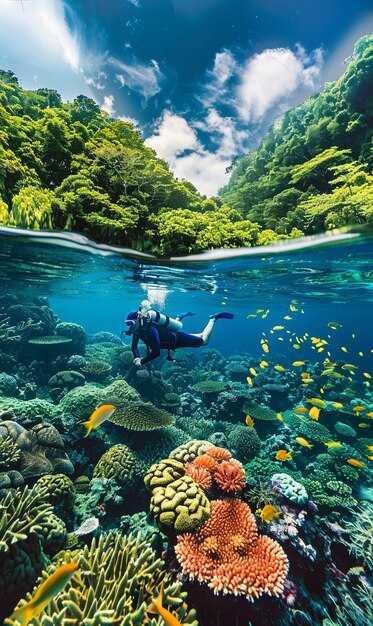
Begin with Waikiki’s Queen’s Beach for your first guided shallow scuba session, 60–75 minutes, led by certified divemasters. The level is beginner, staying in 5–12 ft depth, with buoyancy checks and mask-fitting on the sand. You’ll commonly see sea turtles and may spot an octopus tucked into a rock crevice, with a huge reef fish patrolling nearby. The most used site along this stretch offers calm mornings and minimal current, making swimming comfortable for newcomers.
For more variety without sacrificing safety, Ala Moana Beach Park / Magic Island provides easy access, shallow to moderate depths (6–18 ft), 60–90 minutes, and a larger window of light. Stay near buoy lines to protect the reef and follow the crew’s instructions for smooth, enjoyable sessions. Kaneohe Bay delivers a broader reef system and clearer water, allowing a 60–90 minute outing with chances to encounter turtles and an octopus basking in sheltered spots; transportation from Waikiki takes about 45–60 minutes depending on traffic, and slots are limited on busy days.
-
Queen’s Beach, Waikiki
- Level: beginner; Depth: 5–12 ft; Duration: 60–75 minutes
- Wildlife: turtle, octopus sightings possible; huge reef fish often visible
- Notes: limited slots on weekends; transportation usually not needed if you’re staying in central Waikiki
-
Ala Moana / Magic Island
- Level: beginner to entry-level; Depth: 6–18 ft; Duration: 60–90 minutes
- Site: buoyed channels with easier exit/entry; wildlife includes reef fish and small rays
- Notes: popular with families; plan ahead for parking and crowds; transportation from Waikiki by bus or rideshare is common
-
Kaneohe Bay
- Level: beginner with guide; Depth: 8–20 ft; Duration: 60–90 minutes
- Site: sheltered lagoons and coral heads; wildlife includes turtles and occasional octopus
- Notes: limited slots; transportation by car; expect a 45–60 minute drive from Waikiki
While these options stay within a beginner level, you can discuss an advanced option later with divemasters when your buoyancy and comfort grow. No matter which site you choose, arrive with a 15-minute briefing, check equipment fit, and confirm current conditions with the crew. If you’re exploring with a friend like Noah, a subscriber of MyDiveGuide, you can coordinate on timing and share tips for the best minutes of underwater viewing while you learn.
Boat Dives for Experienced Divers: Wrecks and Reefs Around Oahu
Book a guided boat dive with an experienced operator who runs wreck- and reef-focused trips from Honolulu or Haleiwa; this offer easy access to wwii wrecks and outstanding reefs.
Two site types attract experienced divers: wwii crash remnants off the oahus windward channels and vibrant reef walls. Depths run 60–110 feet, with currents that often favor a drift approach. Some operators brand windward wreck areas with names like banzai and then share GPS coordinates plus an information packet after the dive. See hulls, engines, and reef structures, and study them through photos and notes for the next site you explore on your next trip.
Plan logistics with your operator: transportation to the dock, gear check, and a safety briefing before departure. The day goes with a clear sequence: a briefing, a ride to the site, two dives, and a short surface interval. Most trips run in a two hour window and finish within two to three hours overall. Since you went on a prior trip, the crew can tailor the route to your experience level for today or next time, aiming for a different wreck or reef.
On calm mornings you might see dolphins and other marine life during the surface interval; seeing them adds value, and you can also swim along reef channels if your comfort allows. For swimmers who want to swim closer to wrecks, ask for routes that keep you near hulls with moderate currents. After the dives, the operator provides photos and an information packet that helps you review details through photos and notes; this adds much depth to the experience and makes it easy to share with friends today or next week.
Choose operators with a solid safety record, clear depth and current briefings, and boats designed for offshore work. Since you are an experienced user, you can push deeper on the wrecks and reef lines, but maintain buoyancy and respect for the sites. Today goes smoothly when you pre-announce goals to the captain; thank the crew for the safety briefing and hospitality. Transportation back to your hotel goes through the operator, or you can arrange a ride with a friend and compare photos and information from the day. Marketing materials often spotlight dramatic images, but real information comes from user reviews and recent experiences, so use today’s trip to vet what next week may offer.
Top Snorkeling Spots with Easy Entry and Clear Water
frontpage picks point to Hanauma Bay as a beginner-friendly option with glass water clarity that helps you spot nudibranchs and parrotfish during swimming sessions.
however, planning trips around the park hours and weather improves the experience; guide devin suggests Ko Olina for calm, predictable conditions.
If you walked the coast, Lanikai Beach offers their calm coves with gentle entry for swimming and snorkeling, while Kailua also suits beginner snorkelers on short trips.
Check the sites and book early–these trips prioritize safety and small groups, with only designated zones for snorkeling and clear purposes for conservation.
Experiencing amazing life like nudibranchs, green sea turtles, and colorful reef fish makes finding your rhythm with snorkeling easy for beginners.
Join guided tours or plan your own excursions; for safety purposes, stay in shallow zones and check currents before entering the water.
Some sites feature cave-like lava formations and shipwreck remnants offshore that add a sense of adventure when conditions allow.
| Spot | Entry | Water clarity | Highlights | Tips |
|---|---|---|---|---|
| Hanauma Bay Nature Preserve | Very easy; ramp access | Glass-clear in calm mornings | nudibranchs, green sea turtles, reef fish | Book ahead; check status; arrive early; beginner-friendly |
| Ko Olina Lagoons | Very easy; sheltered lagoons | Very clear | sea turtles, colorful reef fish; calm environment | |
| Lanikai Beach | Very easy; sandy entry | Clear water | gentle entry; abundant fish; occasional nudibranchs | Check weather; plan morning snorkels; ideal for trips |
| Shark’s Cove (Pupukea) | Moderate; rocky entry | Clear in summer; current varies | reef life; good for intermediate snorkelers | Go in calm mornings; water shoes recommended |
| Kahe Point Beach Park (Electric Beach) | Moderate; access via parking area | Clear; currents possible | abundant reef fish; occasional turtles | Check currents; best with guided trips during calm periods |
Hanauma Bay: Snorkel-Only Rules, Tips, and Best Times
Arrive before opening hours to secure parking and quick gear pickup at the information desk; this location offers clear water, calm conditions, and easy shore access.
Where to start: watch the safety video at the theater before entering the preserve; snorkel-only rules apply inside, with no touching coral, no feeding fish, and no removal of reef life for safety purposes.
Packages including snorkel, mask, fins, and optional vest are available onsite; choosing a package that matches your level is necessary. If you are part of a group or charter, coordinate arrival and entry times to keep lines short.
Best times for visibility are morning hours; looking for fish around the reef’s ledges and calm corners increases your chances, and staying near the buoy line keeps you safe and within allowed zones.
Scuba gear is not permitted in the main snorkel zone; diving is not possible here, and wreck exploration requires a different site. For groups or individuals seeking more, options thru a shared charter offer easy packages. Information on location, hours, safety, and conditions is generated daily by staff and posted at the entrance, helping every user plan a responsible visit.
Planning Seasons: Weather, Currents, and Visibility for Dives
Plan kaneohe bay visits for late spring (April–May) or early fall (September–October) to maximize visibility and minimize surge. Adam, your instructor, provides personalized guidance to align your aims with local conditions. If youre coordinating with a subscriber or a local boat crew, you can lock in several windows to fit the whole itinerary. Some operators even weave pirate lore into briefing moments to keep the mood light before a calm day on the water.
One essential way to choose days is to watch seasonal patterns and match sites to your purposes. Use the snapshot below to guide plans around kaneohe, reefs, and turtle-friendly zones, with wwii wrecks considered only where permitted and safe.
- Seasonal snapshot
- Winter (Dec–Mar): exposed shores see bigger swells; kaneohe bay remains relatively calm, but viz can dip to 40–80 ft around reefs and 20–40 ft in some channels; water sits around 74–78 F. Most operators focus on sheltered reef systems and turtle habitats, with careful route planning.
- Spring (Apr–May): trade winds moderate; visibility commonly 60–100 ft in lagoons and on reef slopes; water 76–80 F; currents mild (0.5–1.5 knots) making entries and exits straightforward in kaneohe and nearby reefs.
- Summer (Jun–Aug): light winds and warmer water (79–82 F); visibility often 60–120 ft at protected sites; afternoon seabreeze can add surface chop; plan for shallow sites if you want easy photography of a turtle and reef life.
- Fall (Sep–Nov): winds begin to rise again; visibility 60–90 ft; water around 78–80 F; currents increase slightly in channels, so mornings are typically the clearest.
- Currents and access
- In kaneohe bay, reef-channel currents usually run 0.5–2 knots; stay with a guide boat or anchored entry point to reduce drift risk.
- Exposed reef sites on the windward side can see 3–4 knot currents after a swell; for these, choose a guided route with a boat crew that can shuttle you between safe entry points.
- For wwii wreck sites and deeper reef zones, aim for mornings in spring or fall when visibility aligns with calmer seas; always call ahead to confirm access and safety constraints.
- Visibility by site
- Kaneʻohe Bay reefs: visibility 40–100 ft depending on wind, rain, and plankton; sheltered lagoons offer the most reliable viz.
- Windward channels near exposed reefs: 20–60 ft; post-storm or heavy rain periods can lower clarity.
- wwii wreck sites (where permitted): 30–70 ft; plan with your operator and instructor for the best conditions.
- Green water days still yield abundant life; bring a macro lens for smaller critters, and youre likely to find a turtle, reef fish, and other marine life.
- Planning and safety checklist
- Call your instructor or captain for a weather check and route plan the day before; guidance helps you adapt live conditions.
- Whole-gear check: exposure suit, mask, fins, regulator, SMB, and signaling devices; necessary for reef trips and boat pickups.
- Know your aims: turtle watching, reef photography, or wreck awareness; adjust times and sites accordingly.
- Keep a backup site in mind; another option if seas rise or viz drops.
- If any participants are noah or other subscribers, align their goals with the plan to keep the group cohesive.