


 简体中文
简体中文  English (UK)
  Русский
  العربية
  日本語
日本語  한국어
한국어  Magyar
  Türkçe
  Español
  Čeština
  Svenska
  Português
  Ελληνικά
  Suomi
Suomi  Nederlands
  Română
  Italiano
  Français
  Polski
  Українська
  Deutsch
  Slovenčina
 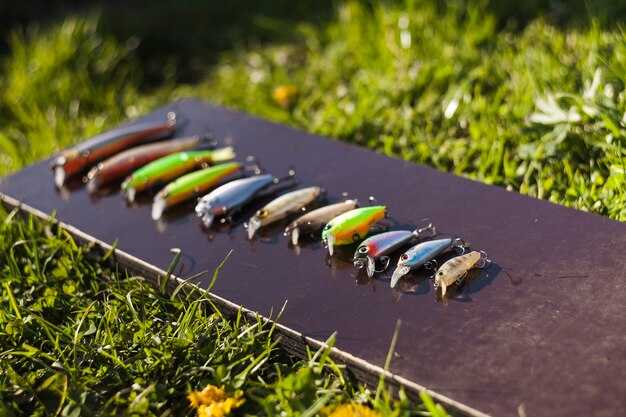 Complete Guide to Fishing Gear – Essential Equipment Anglers Need">

以中重型鱼竿搭配禧玛诺渔轮和12–20磅的鱼线作为你的起点。. 这种组合在保证灵敏度的同时,也提供了足够的力量来对抗更大的鱼。 罢工. 对于大多数垂钓者来说,这是 required 快速且安全地开始学习的基础。.
使用15–20磅的编织主线,连接10–12英尺的碳氟化合物前导线,以降低水下可见度。携带三种3–5英寸轮廓的软塑料拟饵——桨尾、卷尾和慢沉型——以覆盖深度和运动。每个拟饵配一个1/4–1/2盎司的汲头钩,在刮风天和水流中,可将拟饵保持在攻击区;这种组合适用于大多数河流和湖泊;但是,在前往溪流之前,请在平静的水域测试新线。.
要对付力气大的鱼,选择结实的鱼钩和防挂底钓组。较轻的装备搭配3/0–4/0的偏置曲柄钩和1/0–2/0的汲钩头,并使用坚固的头来抵抗战斗中的撕裂。结实的汲钩头上的软塑料鱼身可以经受住粗暴的遭遇,同时您可以使用短促的爆发和停顿来完善水下运动,以诱发攻击。.
在北部水域较冷的地区,放慢节奏并使用较重的汲头钩,以使鱼饵保持在攻击区。早适应的人报告有更高的上钩率;携带备用前导线和一个紧凑的工具包,以便快速维修,并与他们分享技巧。如果您预计有大风天气,请换成较长的鱼竿,以获得更好的控线能力和提高抛投精度。.
每次出行后,用淡水冲洗设备,彻底干燥,并检查导线环是否有缺口。每使用 20–25 小时润滑卷线器的轴承,以确保在与搏斗的鱼长时间遭遇时性能平稳。在船上备用鱼竿竿梢和一个小型修理包,并将装备存放在干燥、通风的袋子中,以防止腐蚀。鱼竿的性能取决于保养和适当的存放。.
钓鱼装备完全指南:垂钓者必备装备以及安大略省休闲钓鱼法规摘要
从一套多功能的纺车轮钓具开始:一根6英尺6英寸–7英尺的中等调性鱼竿和一个缠绕着10–12磅编织线和8–12磅碳氟化合物前导线的2500–3000型渔轮;这套钓具在安大略省水域堪称无敌,并具有跨越不同地点和鱼种的现成通用性,从小的crappie到在掩体和开阔海湾之间跳跃的更大的掠食者。.
每次出钓前需要准备的基本装备包括一个紧凑的渔具包、备用线轴和一个可靠的抄网。如果在水上用餐时溅到盐或污垢,请冲洗卷线器,然后擦干并存放起来,以保持装备完好。随身携带钳子、剪线钳、锋利的刀、用于尺寸检查的卷尺或板子以及可快速更换鱼钩的工具。救生衣或个人漂浮装置 (PFD)、口哨和小急救包应放在触手可及的地方以确保安全,干燥袋用于保护手机和钱包。使用快速别针以减少线缠并快速更换假饵,以便在小范围和深水通道之间移动。对于颜色选择,黄色和天然的颜色适用于许多条件,而一些鲜艳的颜色可以在水质浑浊时吸引鱼儿上钩。对于新手或中断一段时间后重返钓鱼的爱好者来说,此设置是非常好的起点,它可以使护理和存储更安全、更整洁,适用于各个季节以及钓鱼者分享技巧的论坛。.
除了核心装备外,还要根据安大略省常见的饵料鱼定制你的渔具。携带各种拟饵头、小勺型路亚和软塑料饵,用于垂钓克拉皮鱼和类似克拉皮鱼的鱼类,以及亮片旋转饵和颤泳饵,在到达预测的热点区域时,用来引诱更大的鱼类。一些饵鱼风格的路亚在清水中可能有效,而明亮的选项则有助于浑浊的水域。准备一小部分你可以快速更换的选项,以适应水的清澈度和你要追逐的鱼;这种程度的谨慎能帮助你为这一天可能发生的任何事情做好准备。如果你在深水区或黄昏时分钓鱼,请准备一个备用的轻便夹式照明灯,夹在你的背心上,以及一个装有备用电池的干燥袋。在论坛和导游项目中,垂钓者强调将所有东西都整理在支架或专用口袋中,这样你就可以在不耽误下一次抛竿的情况下获得你所需要的。像快速别针、备用鱼钩和备用铅坠等小配件放在贴有标签的盒子里;当你需要在深度和覆盖物快速变化的不同地点之间移动时,这一点很重要,而且你想在水上保持安全和高效。.
安大略省的渔业管理依赖于一个清晰的计划,该计划有助于储备、保护和发展健康的种群。虽然剑鱼属于不同的海洋项目,但同样的心态也适用:做好准备,小心谨慎,并遵守保护水域的规则,这些水域是掠食性鱼类藏身于结构、水草床和陡坡的地方。因此,您应该让您的装备随时准备好进行快速更换,并且您应该根据水的清晰度、天气和鱼类的行为来调整您的战术。如果您是这项运动的新手,请在当地论坛上向经验丰富的钓鱼者询问地点建议和推荐的装备设置;社区可以为您展示每个水域和每个季节的安全、经验证的方法。您可以遵循一套简单的步骤来保持信心,该步骤与安全、适合家庭的钓鱼方式相一致,让您做好准备,并尊重渔业法规,同时让您享受每一次咬钩和钓线绷紧时的那种令人满足的感觉。.
装备设置和维护的推荐步骤:
- 每次出行前检查装备:检查渔轮、鱼线状况、鱼钩和旋转环;更换磨损的部件,以避免错失咬钩。.
- 盐水或重泥沾染后,冲洗装备,彻底干燥,然后储存在阴凉干燥处,以延长使用寿命。.
- 带上多功能工具钳、备用前导线,以及几个不同重量的铅头钩和旋转亮片,以适应不断变化的水流和深度。.
- 根据水体清澈度选择拟饵颜色:清水中选择黄色和自然色调;浑水中选择鲜艳、高能见度的颜色。.
- 在你的工具箱里留一个备用的线轴或绕线轮以及空余空间,以便在更换钓点和水域类型时快速更换。.
安大略省法规摘要可帮助您在探索从浅湾到较深航道的一切时保持合规。 使用此快速表格来验证要点,然后参考官方法规以获取完整详细信息,包括渔业计划或区域论坛的任何更新,当地持有者可在其中分享经验和安全提示。.
| Topic | 安大略省法规注释 | What to Do |
|---|---|---|
| 许可 | 在安大略省进行大多数休闲钓鱼活动,都需要有效的运动钓鱼执照。. | 在线购买或在认可的供应商处购买;钓鱼时请携带您的确认函。. |
| 区域和物种规则 | 法规因水域和物种而异;某些区域有独特的规定。. | 每次出行前,查阅安大略省休闲渔业法规概要,了解您所在地的法规;根据您必须遵守的规则调整策略。. |
| 尺寸和捕捞限额 | 限额因物种和区域而异;请核实当前的表格。. | 了解适用的最小尺寸和每日捕捞限额;准确测量鱼的大小,如果小于规定尺寸或超过限额则放生。. |
| 季节和关闭 | 开放季节和产卵期禁令各不相同;部分水域全年开放,允许捕捞特定鱼种。. | 围绕当地窗口期规划行程;注意任何关闭时间,以在产卵期间保护渔业。. |
| 渔具和鱼饵限制 | 合法的渔具和鱼饵选项已明确;某些区域限制特定的活饵。. | 使用准许的鱼钩、陷阱和诱饵;避免使用违禁装置;尊重您垂钓水域的饵料限制。. |
| 受保护物种及处理 | 某些鱼类是受保护物种,必须放生;小心处理鱼类,尽量减少伤害。. | 使用正确的处理技术;避免饲养受保护物种;遵循放生指导方针,以支持渔业增长。. |
| 运输与持有 | 拥有量有限制;运输规则涵盖了您如何运输捕获的鱼类。. | 保持准确计数;遵守法规运输鱼类;妥善储存易腐渔获。. |
| 何处查看更新 | 法规可能每年变更;请务必在官方页面上核实。. | 在前往新的钓鱼地点之前,请访问安大略省官方的钓鱼规定页面或省野生动物网站,以获取最新的摘要和区域地图。. |
安大略省休闲渔业法规摘要及实用装备规划
在钓鱼前,请获取最新的安大略省钓鱼执照并查阅您所在水域的法规摘要。. 这确保您了解各区域的捕捞限额、最小尺寸、开放季节和渔具限制。请查阅 ontario.ca 或联系 MNRF 获取最新版本;规则可能因水域和物种而异,执法人员可能会要求您出示许可证,并证明您在陆地上遵守了限额。.
许可证类型包括运动许可证和保护许可证;两者都需要您随身携带证明。开放季节和每日限制因水域和物种而异;许多湖泊使用长度限制或最小尺寸规则,有些溪流要求使用指定的鱼钩或鱼饵类型。请熟悉您计划垂钓的水域,并标记任何特殊限制(禁止在封闭区域垂钓、装备限制或季节性封闭)。《法规概要》每年都会更新,因此请在每次出行前进行核实,以避免罚款和处罚。.
Practical gear planning starts with a lightweight core for long days and a medium-heavy option for bigger targets. For rods, check the spine and balance with a reliable reel; a 6’6″–7’6″ light- to medium-action rod works well on small lakes, while a 7’6″–8’6″ medium-heavy rod covers pike and bass on larger waters. Prefer a setup that could switch between environments without swapping gear. Pair with a line that maintains proper tension during casting and hookups. Measuring and labeling line segments helps you dial rigs quickly across environments. Include a spare spool with a slightly heavier line for windy days or deeper water, plus a tuff backup lure or leader in case of snags; this could flip your odds during a tricky bite, land a confident cast, and keep you fishing longer for a lifetime of memories.
Environments across Ontario fisheries demand flexible tactics: flies for streams and trout, spoons and crankbaits for lakes, and soft plastics for murky water. The best designs stay versatile and offer clear pros for catching a range of species. For flies, pack patterns suited to your target species; include streamers and dry flies. A few proven lures in your box are a big plus for any type of water. If you hire a charter, you’ll get local insight into insect hatches and water temps that influence bites, helping you choose flies or lures quickly and improve your results on the water.
Landing gear and measurements matter. Use a net or lip grip to land fish on land, handle with damp hands to protect the slime, and release quickly if you’re practicing catch-and-release. A measuring board or tape confirms length before keeping fish and helps you stay within local limits. Shorter leaders can improve stealth in clear water, while longer leaders help in weedy or windy conditions. This approach protects fisheries and keeps your gear working in a wide range of conditions.
Gear for real-world fisheries: bring a basic safety kit, a PFD, and a spare rain cover. For big inland waters you may prefer a larger net and longer rod; for back bays and streams, a compact setup is a plus. If you charter, use the day to learn the optimal rig type for each fishery and note the biggest types you encountered across environments. Include a scale to avoid guessing the weight and to help you track your progress over time.
Checklist: license and Regulation Summary, two rod options (lightweight and medium-heavy), spare spool, measuring device, tuff pliers, flies or lures, net, leader material, line, and a dry bag. Land a better experience by packing flexible gear and keeping within the rules, then you’ll have a lifetime of happy lakes, streams, and charters.
Rod, Reel, and Line selections tailored to Ontario species
Recommended setup: a 7′ medium-heavy rod paired with a 2500–3000-size spinning reel and a 20–30 lb braided main line, plus an 8–12 lb fluorocarbon leader. This optimized combo covers a range of Ontario species and those waters, prioritizing ergonomics to help you land fish and stay fresh after a long fishing day.
Choose gear that balances sensitivity and strength, and that describes how you’ll fish those waters across seasons. A smooth reel with a dependable drag and a spool designed for easy line management makes reeling calmer and more predictable, so you’ll keep control even when a trophy fish kicks up a surge. With the right balance, your setup becomes easier to handle, whether you’re casting from shore or drifting offshore.
玻璃梭鲈 respond best to light-to-medium gear: a 6’6″–7’0″ rod with fast action, a 2500–3000 reel, and an 8–14 lb fluorocarbon leader over a 6–12 lb main line, or 15–30 lb braid with a 8–12 lb leader for deeper water. Use jig weights in the 1/8–1/4 oz range, and consider a small float to keep depth consistent in shallow flats. Maintain a robust spool so you can long-retrieve without spiking the line memory, and check your drag after each bite to protect both the fish and your gear.
Northern pike demand heavier gear: 7’6″–8′ fast-action rods, sturdy reels, and 40–80 lb braided line with a 60–80 lb leader to resist bite-offs on big plugs or spoons. For trolling and heavy wire, pair with a 50–60 lb leader and a fluorocarbon backing to keep line smooth through guides. A longer rod helps keep line off the water, making those long casts and confident landing smoother and more controllable.
Smallmouth and largemouth bass suit versatile setups: 7’0″–7’6″ rods in medium-fast action, a 2500–3000 reel, and 15–20 lb braided line with a 6–12 lb fluorocarbon leader for stealth and feel. For topwater and jerkbaits, go with 7’0″–7’6″ and keep a tight, responsive reeling motion. These rigs make it easier to read–which lures entice strikes–and to thread through cover without losing line to snags.
Lake trout often require longer, tougher gear: 8’6″–9’0″ rods in medium-heavy to heavy action, 20–40 lb braided line, and 40–60 lb fluorocarbon leaders. For downrigging, ensure your spool can hold long leaders and maintain a steady drag to keep fish from kiting. A stout reel with a reliable drag helps with long, patient fights and a clean landing under the boat.
Muskellunge call for purpose-built setups: 7’6″–9′ heavy-action rods, 65–100 lb braided line, and 60–80 lb fluorocarbon leaders, plus a wide-spool reel that can handle long runs. Keep the tip loaded for aggressive head shakes and maintain firm reeling control to secure the catch. Trophy-sized muskies deserve equipment that won’t back down during the fight, and the right gear makes the landing far more predictable and safer for both you and the fish.
Choosing gear for a given water near Ontario’s diverse systems means considering the water’s clarity, depth, and structure. Read forums and talk with pros to tailor your setup to those conditions. истоочник: local forums and guides. For deeper, clearer lakes, you’ll lean toward fluorocarbon leaders and lighter main lines; for stained water or heavy cover, braid with a stout leader often wins. You’ll find that those adjustments describe the best path to success across the range of Ontario species. Read up, compare reels and rods, and check with nearby shops–pros,” and experienced anglers trained in near-shore and offshore tactics can offer precise recommendations. The goal is to gradually optimize your gear through a few practical steps and keep refining your approach with each trip.
Lures, Baits, and Terminal Tackle by season and water type
Start with a versatile combination: a 1.5–2 oz spinner with a baitfish color trailer and a stout, sharp hook on a heavy leader; this setup helps you cover muskellunge in waterbodies and rivers and belongs to a family of lures that stays effective as seasons shift.
Spring cool-water: target weed edges and current seams where muskellunge lurk; tie on a 4–6 inch bucktail or a 5–7 inch trolling spoon; use natural colors such as natural shad or brown trout, and keep hooks in the #6–#8 range. Run 50–80 lb braid with an 80–120 lb fluorocarbon leader; present along shorelines towards the arrival of warming fronts to entice bites.
Summer warm-water: switch to faster action; prefer 3–4 inch spinners with bright blades (chartreuse, white) or spoons 1.0–2.0 oz; use 4/0–6/0 hooks on 50–80 lb braid with a 60–80 lb leader. Cast along weedlines, over humps, and near drop-offs, making a steady retrieve with short pauses to trigger fierce strikes in clear, warm water; include special color patterns like perch or bluegill to mimic local baitfish.
Fall transition: lean toward bigger, slower presentations; use 5–7 inch soft jerkbaits or 2.5–3 oz bucktails along deep points and banks where murky water settles. Keep 60–100 lb braid and 80–100 lb leader; color choices like bone/chartreuse or perch patterns help mimic dwindling baitfish, and a deliberate cadence settles the strike.
Water type tips: in rivers, ride the current with inline spinners and blade baits, choosing patterns that track and deflect off structure; in lakes, target edges and humps with longer casts, rotating through soft plastics and hard lures to cover depth and respond to wind shifts. waterbodies demand a flexible approach and a small box of reliable patterns to switch quickly.
Terminal tackle and tips: use sturdy steel or heavy fluorocarbon leaders (80–120 lb), snap swivels, and strong hooks (5/0–8/0) sized to lure; keep a home tray of spare leaders and extra hooks; practice knot strength and quick-change rigs to reduce missed opportunities; build skill with every outing to improve timing and bite detection.
Licensing, Harvest Limits, and Regional Regulations you must know
Get your license before you visit any creeks or marine waters. Carry it on you at all times and be ready to show it to a warden or official if asked. If you fish regularly, look into a lifetime license where offered; it can simplify renewals and save money over years. For comfort on long days, wear layered clothing and bring water, because sport fishing can demand stamina and quick adjustments when the weather shifts.
Follow these steps to stay compliant:
- Buy from the official state or provincial wildlife agency online, by phone, or at authorized retailers; carry your license and any endorsements; some waters require separate endorsements (saltwater, trout). This approach works in most regions.
- Check whether you need a lifetime license; some jurisdictions offer a lifetime option that eliminates annual renewals for residents.
- Verify if saltwater or freshwater endorsements apply to the waters you fish; information may change by season or by water body.
- Prices vary by jurisdiction; confirm current figures before you visit, and note that fees can differ for residents and non-residents.
- Avoid fines by staying current with breaking changes in regs; check the agency’s alert feed or local posted notices–sometimes updates appear mid-season.
Harvest limits and size rules
- Daily bag limit and possession limit define how many fish you may take per day and how many you may hold in total; species may have separate limits; check the species-specific table for your water.
- Minimum size limits apply to keepers; releasing undersized fish protects native stocks and your lifetime experience on the water.
- Seasonal closures and area closures protect vulnerable shoals during spawning; closures can apply to creeks, inlets, or estuaries within a region; they can be prone to change after flood events or drought.
- Some waters enforce catch-and-release rules; using barbless hooks or circle hooks helps reduce stress on fish you plan to release.
- Watch for jumps as fish surface and break the water; carry a reference card for key rules to avoid trips where you cannot take fish from certain spots.
- Carry a quick reference card for key rules; this helps when moving between water bodies or regions and reduces guesswork when you take a break to relax with friends.
Regional regulations and best practices
- Gear restrictions vary by water body; closed-faced reels may be allowed in some zones but restricted in others; often regulations allow certain setups to protect native populations, so read posted instructions at access points and in the regulations guide.
- Protected and native species receive stricter treatment; identify target species and avoid taking natives in closed areas; if you hook a native that’s protected, release carefully to protect its feature and ensure it survives the battle–battling a fish into the net should be quick and controlled.
- Signage and local instructions reflect current conditions; follow wardens’ directions and posted notices; violations lead to expensive fines and license consequences.
- Respect access rules for creeks, shoals, or public land; plan routes that minimize disturbance; others on the water will appreciate a quiet, clean shoreline.
- To protect habitat, pack out all trash, secure gear with rope when moving between spots, and use wraps to protect hands and fish while back on shore or in transit.
- Get licensed before you visit; verify endorsements needed for marine vs freshwater waters.
- Know daily and possession limits; carry a quick reference for the species you target.
- Be mindful of seasonal and area closures; align trips with open windows to maximize your experience.
- Follow gear restrictions and handling guidelines; protect native populations for future fishing.
- Stay compliant and safe; penalties can be expensive and time consuming.
水上安全装备、耐候储物,以及打包清单
在任何时候都要穿着美国海岸警卫队认证的救生衣,并在触手可及的地方放置一个可投掷的漂浮装置。这个简单的举措可以防止事故升级,并为水上旅行设定一个良好的基准。.
本节提供了一份实用、精简的指南,涵盖三个相关主题:您在甲板上携带的安全装备、保护装备的防风雨存储,以及您可以自定义的打包清单,以用于垂钓𬶋鱼、冲浪或包租旅行。.
水上安全装备
- 个人漂浮装置:每人一件救生衣外加一件抛投式漂浮装置;通常情况下选择III型,如果预计有涌浪或水况不佳,则升级为近海II型;确保每次出行时都佩戴合适且易于取用的救生衣;选择一件在浮力和舒适度之间取得平衡的救生衣。.
- 导航和信号:配备已充电电池的VHF无线电、口哨、LED照明弹套件和用于白天可见度的信号镜;检查频道并备好备用电池。.
- 紧急系统:如果远离海岸,则使用EPIRB或PLB;携带紧凑型头灯用于夜间作业,并携带刀具用于绳索工作;机动时保持绳索张力,以防止缠结。.
- 防火与急救:适用于发动机舱的紧凑型灭火器;防水急救包,内含无菌绷带、消毒剂和丁腈手套;存放于干燥箱内。.
- 线和渔具安全:更坚固、耐冲击的钳子、剪线器,以及一个用来防止松散的鱼钩钩住衣服的小袋子;定期更换磨损的物品,并为钓crappie准备一些额外的铅头钩。.
- 安全检查流程:执行一个五分钟的出发前检查,以确保装备就位,备用电池充足,并制定计划以防万一有人措手不及遇到恶劣天气;此处的计划可以阻止恐慌,并提高在水上的成功率。.
耐候存储
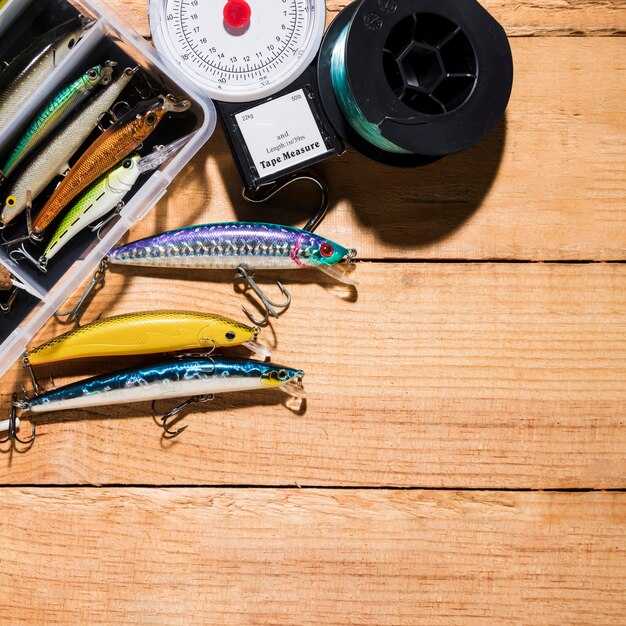
- 干燥储存策略:在舵附近使用防水箱和干燥袋;标注位置,以便装备保持干燥且易于取用;这关系到紧急情况下的快速访问。.
- 湿度控制:在工具箱中放入硅胶干燥剂;每 2-3 个月轮换电池;将电子产品放在防水外壳中以防止腐蚀。.
- 平衡与放置:将重物存放于低处以保持平衡,并减少遇浪时负载的移动;保持足够的空间,避免拥挤,确保能快速取用安全装备;这样东西就不会在摇晃的船上移动。.
- 防晒和防热:使用防紫外线箱包和遮阳,避免长时间将装备置于阳光直射下;棕色防水袋有助于将潮湿物品与干燥物品分开。.
Packing List
- 个人装备:救生衣、一件轻便的防雨外套、防晒用品,以及一个棕色的防水袋用于存放敏感电子设备。.
- 衣物和鞋类:速干层、防滑鞋、帽子、带固定带的太阳镜。.
- 食物和水:至少够当天饮用的水(每人约1加仑),以及能量零食以备不时之需;长途旅行时,可分装午餐以节省空间。.
- 工具和钓具:钳子、线切器、止血钳、备用的钩子、铅坠;当crappie咬口增加时,较短的导线能提高准确性;保持渔具组合准备就绪,以应对咬口窗口期。.
- 钓鱼装备基础:装在旅行箱里的鱼竿,卷线器的备用零件,塑料和铅坠的平衡搭配;调整曳力以获得更顺畅的收线,避免用力拉线。.
- 导航和电力:地图或航点,已充电的GPS/手机备用,VHF和头灯的备用电池或充电宝。.
- 安全文件和计划:许可证、保险、医疗信息、如果您加入包租,请了解包租规则;打印一份快速检查表,并保持干燥。.
- 规划和意外情况:路线和天气预报记录,恶劣条件下的备用计划,以及一个小记事本,用于记录相关行程中对您有用的内容。.
齿轮维护、更换时机与快速现场维修
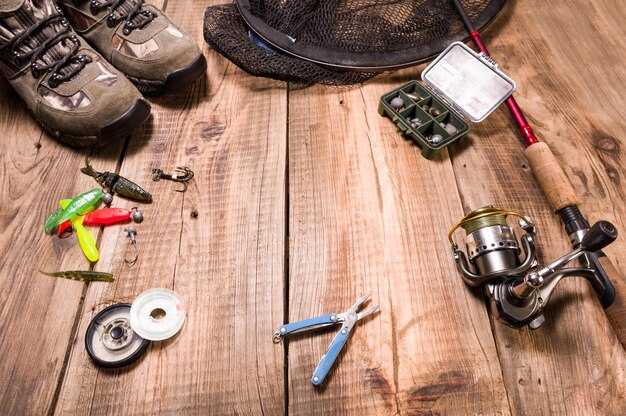
如果发现主线有孔或可见的缺口,请立即更换磨损的主线;首先进行到位检查,将线穿过每个导环,然后转动卷线轮,在抛投前感受其是否平稳运行。.
线和导线时机:选择中等强度的鱼竿,以便在小溪中与奖杯鱼搏斗;中等使用频率下,每隔 12-18 个月更换主线;在塞德罗斯地形中,岩石锋利,每隔 6-12 个月更换一次。如果检测到 2-3 毫米的凹槽、僵硬或可见的磨损,请立即更换。携带 2-3 个备用导线,并在 8-12 次旅行后更换,无论您是独自钓鱼还是与伙伴一起钓鱼,以保持装备的生产力。对于鱼钩,当倒刺变钝或弯曲时更换;通过用拇指触摸尖端快速测试锋利度;在钓鱼 20-40 小时后更换。使用标准结连接新导线,并创建一个紧密的环,以便实现可靠的连接。每次旅行结束后,检查装备状况并记录任何磨损,以便您的评级在即将到来的旅行中保持准确。.
卷线器、鱼竿和石墨部件:用淡水冲洗掉海水,检查石墨框架和竿梢是否有缺口,必要时给曳力垫圈上油。如果您使用 Garcia 卷线器,请遵循他们的指示,并测试曳力组的均匀性;确保螺丝和安装紧固,手柄转动顺畅。检查导环是否有毛刺或缺失的环;如果看到锋利的边缘,更换导环或使用小保护包裹物。 在您的野外工具包中存放一套小型工具和手套,以便快速修复;记录您发现的任何磨损,并根据您返回家中的时间计划更换。.
快速现场维修:如果细绳出现断裂,可打一个背靠背结或用一小段绳子拼接一个新的前导线;用热缩管或紧密结修补小撕裂;备好备用倒刺和钳子,以重塑鱼钩。如果鱼钩锋利但弯曲,请更换它并通过轻轻弯曲来确认边缘;用紧密的缠绕修补前导线连接处的孔。戴上手套保护手指,并通过短距离试投来测试维修效果。这能让你保持效率,而不是在探索小溪时停滞不前。.
到达流程和打包:检查你的装备清单,关键物品最好有冗余,并确保你准备好了备用前导线、倒刺以及一个小石墨线轴。如果你不携带维修工具包,你可能会在关键时刻延误上鱼;维护一个包含钳子、剪刀、线、胶水和热缩管的紧凑型工具包。为长时间的垂钓准备食物和水;将装备存放在单独的隔间里,以防止摩擦或旋转。为了获得多功能的配置,准备一根用于小溪垂钓的标准鱼竿和另一根用于尝试钓获大型鱼的中等偏重鱼竿,这样你就不必为了力量而牺牲机动性。在路途中,清洁并干燥装备,然后更新你的复习日志;这有助于你选择下次到达时更喜欢的装备,并评估每次垂钓的成功程度。.