


 简体中文
简体中文  English (UK)
  Русский
  العربية
  日本語
日本語  한국어
한국어  Magyar
  Türkçe
  Español
  Čeština
  Svenska
  Português
  Ελληνικά
  Suomi
Suomi  Nederlands
  Română
  Italiano
  Français
  Polski
  Українська
  Deutsch
  Slovenčina
 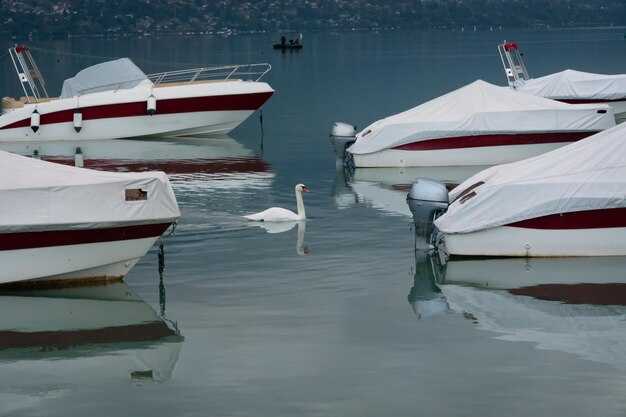 Center Consoles vs Bay Boats – What’s the Difference">

Recommendation: 让决策更轻松:如果近岸垂钓和家庭出游是主要模式,请选择多功能的单站平台;这种设置提供整洁的甲板通道、更快的操作以及在风浪中更轻便的操控。.
分析: 若干设计线索决定了每种船型如何应对各种状况。宽大的舷缘或驾驶舱入口改善了抛投范围;提供可注水活水舱的型号改善了鱼饵管理;在浅水区巡航时,吃水浅、船首离水间隙高的船体表现出色,在风向变化时更容易到达小海湾。由于重量分布很重要,您会注意到负载保持均匀时平衡性更好;船体的强度体现在浪涌、波浪和恶劣天气中。在浅水区航行需要谨慎对待。.
演奏提示: 在海洋条件下,船体形状最为重要;主要强度在于船宽、外飘和底部设计。更详细的建造会将装备架、活饵舱和舱底排水系统放置在两侧都易于触及的地方。诸如拖钓马达、水泵和电子设备等机器,在连接到可释放的配件时能发挥最佳性能;因为这种布局减少了操作范围,垂钓者可以减少调整钓具的时间,从而有更多的时间钓鱼。.
品牌与实用之选: 在波士顿的船坞里,工匠们为沿海探险制造两种类型的船只:一种较轻便,易于移动,适合一日游;另一种较重型,更坚固,适合长途航行。源自波士顿的工场提供详细的配置选择,包括耐用的活水舱,宽敞的储物舱,以及为可靠性而打造的发动机。对于那些喜欢浅水区探险的垂钓者来说,水面间隙和浅吃水更重要,因为平稳的操控可以减少在海湾和入口处接近时的压力。他们的偏好通常倾向于极简主义的甲板,以便在狭窄的海湾中方便取用装备。除了潮流之外,这些船只主要用于海洋作业,在狂风呼啸、浪花飞溅时提供强大的强度,同时保持装备的井然有序,以便快速调整。.
它们在设计、用途和性能上有何不同
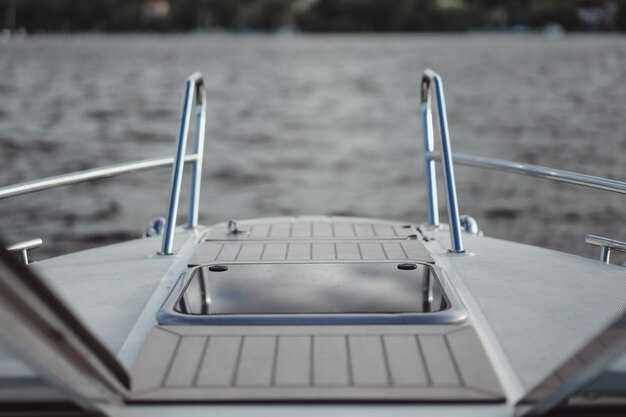
推荐:选择纤细的滑行船体,配有内置活鱼舱、泡沫填充浮力、充足的驾驶舱空间以及随时可供快速操作的舵柄;这些选择能提高可钓性、易于操控性,并可在潮汐或湍流环境中保持良好状态,满足大多数积极垂钓的买家需求。.
船体形状决定用途。狭长而宽阔的底部在浅水中表现出色,提供稳固的立足点和迅速的离岸反应;较深的V型则能破浪,在波涛汹涌的海域提供更平稳的航行体验。.
驾驶舱设计至关重要。开放式布局最大化抛竿空间;驾驶台周围的内置储物柜可在各种环境中保持装备干燥,随时可用。从活水舱到干燥储物空间,每个功能都为一天的钓鱼活动增加了宝贵的价值。经验丰富的操作者欣赏更简单的符合人体工程学的设计,能减少疲劳,并能更好地触及控件。买家会考虑可靠性。.
浮力和稳定性。泡沫填充提供充足的浮力,减少在波浪中的摇晃,并保持可预测的底部接触。这就是为什么买家会寻求带有压载功能的船体;专业的工程师会平衡重量,以满足平静的入口和潮汐流的需求。.
底部设计细节。窄甲板降低风阻,适应浅滩潮汐;深龙骨减少浪花,提高在波涛汹涌海域的咬合力。泡沫填充表面增强稳定性,在强风袭击掌舵时提供宝贵的余量。.
关于性能的总结。滑行艇体加速迅猛,但可能需要更大的马力;泡沫填充、更宽的船体轮廓可以在较低速度下保持滑行,从而实现更轻松的启动。在湍急的水流或潮汐通道中,为稳定转向而建造的船体可以减轻疲劳并增强买家的信心。.
| Aspect | 敞舱艇 | 小型深V艇 |
|---|---|---|
| 适渔性 | 整洁的浇铸空间;泡沫填充的隔间 | 集成活水舱;固定装备 |
| Buoyancy | 泡沫填充常见;浮力充足 | 乱流中稳定;更好的控浪花能力 |
| 环境适宜性 | 潮汐入口;平静水域 | 操控湍流性能佳 |
| Key feature | 内置活水舱;内置存储空间 | 易于操作的舵柄;低矮的甲板 |
船体和甲板布局:船首、控制台位置和座椅选择
建议:将一个紧凑的控制台置于中线略前方,保持线条简洁,同时前甲板为垂钓者保持开放。这里有一个实用规则:这种布局将提高效率,为朋友们带来开放空间,并支持定制。.
-
船首区域
- 锚舱与前甲板融为一体,最大限度地减少了杂乱,并在较浅的轮廓上保留了平坦的抛投空间。.
- 防滑甲板搭配智能排水系统,即使在波涛汹涌的水域也能有效排水。.
- 折叠座椅增加了可选的来宾座位,而当下一场演出准备就绪时,又不会牺牲太多的开放区域。.
-
甲板布局与通道
- 两侧的舷侧通道使绳索远离脚下;艏部和船中附近的开放式通道改善了对绳索、索具和装备的触及。.
- 甲板尺寸适合典型垂钓者群体,且在朋友登船时有足够的活动空间。.
- 扶手和舷墙支撑有助于控制,而恶劣水况则提高了安全性。.
-
控制破折号位置
- 仪表盘位于中线附近,但朝向操作员倾斜,无论站立还是坐着,都能提供清晰的水域和装备视野。.
- 仪表板下方的隐藏式储物空间可存放海图、绳索和钓具;允许稍后添加可选电子设备。.
- 布线经过优化,最大限度地减少杂乱;为高端电子产品提供可扩展性,并改进了保修服务。.
-
Seating options
- 带集成式鱼竿支架的倾斜支柱将休息和装备存取融为一体;选择缓冲垫,适合长途航行。.
- 抬高的船首座椅改善了在涌浪中的视线;可选的垫子提高了长途旅行的舒适性。.
- 船尾长椅或模块化舱室可最大限度地提高大型船员的容量;在需要时可移除以提供开放空间。.
-
定制化与耐用性
- 高端饰面、耐用乙烯基甲板和坚固的硬件自豪地提高了转售价值;保修选项涵盖离岸使用,并明确说明了保修条款。.
- 可选的活水舱尺寸、甲板颜色方案和布局调整可以在定制期间实施,以适应水域和船员规模,使选项非常灵活。 这有助于避免昂贵的迭代。.
- 材料选择兼顾耐用性和轻便性;着眼于减少后续维护,并保持多年后的形状完好。.
日常多功能性:钓鱼、巡游和家庭出游
选择开放式驾驶舱布局,配备充足的座位和可转换床铺,以最大限度地提高日常使用的多功能性。四周走道设计让乘客在长途航行中保持舒适,稳定的运行可减少在湍流条件下的晃动。这种配置更容易在严肃的钓鱼、休闲巡航和与朋友的家庭郊游之间切换。虽然这种方法偏重实用性,但这种设置支持经常访问附近的港口、渔营和公园码头。对于日常钓鱼,您可以将现成的活水舱、鱼竿架和驾驶舱控制装置放在触手可及的地方,从而改善实际条件下的操作。首先评估一艘在座位、床和甲板空间之间取得平衡的船只;这样在家庭郊游时,您就不太可能碰到脚趾或绊倒。在设计选择之间,两者都保留了显著的优势:具有防风雨的舱室、卓越的存储空间以及在负载下仍然舒适的设计。客户经常报告保修范围可以承受恶劣的使用,而坚固的材料选择可以防止在海水旅行中磨损,但始终要与经销商核实。梭鱼咬合区、可用的驾驶舱和开放式驾驶舱视线有助于垂钓者保持专注;具有坚固栏杆和稳定导轨的船只可降低风险。前往经销商处进行试航,询问儿童床,并确保床铺适合过夜。预期用途很重要:如果您计划长途巡航,则需要一个带有开放式驾驶舱、易于接近锚点且在颠簸中行驶平稳的配置。从这个和那个之间,您可以得到明确的信息:专用布局为您提供卓越的舒适性、实用的操作和持久的价值。最后,确保每次购买都符合要求的保修条款,并考虑拥有类似船只的朋友的真实反馈。虽然浏览规格很重要,但现场测试揭示了哪种选择在湍流海域中表现最佳,从而引导您选择最大的多功能性。.
天气及航海性能:稳定性、浪花抑制和航行舒适性
Recommendation: prioritize hulls with wide beam and flared bow for nearshore duty; this yields stability, reduces spray, and delivers a very smooth ride.
Spray management hinges on structure and drafts. Elements to include: higher freeboard, refined chines, and properly shaped hull sections keep spray away from seating, improving visibility and comfort during angling.
Maneuverability across conditions matters away from shore; for nearshore angling, balance between weight, seating layout, and hull strength yields easy handling. theyre stability-focused designs tend to favor reduced spray and predictable response.
Crafted hulls with solid structure provide excellent stability under spray, though relatively expensive; however, advantage becomes clear since specialized needs exist.
Typical drafts: compact nearshore craft around 12–14 inches; mid-size 16–22 inches; larger offshore types 24 inches plus. Deeper drafts raise initial stability but reduce turning and acceleration.
Understanding hull behavior informs decision making. Since nearshore risks vary, choose setup that aligns with seating comfort, hull strength, and maneuverability. This approach also helps meet need for stable ride in chop.
Maintenance and upkeep: cleaning, winterization, and parts access
Rinse hulls, decks, and bilge after each on-water adventures, dry completely, and inspect for salt buildup in tidal estuaries. Cleaning routine will matter for longevity and reduce corrosion during cold storage. In boston area, rinse within minutes after return to harbor to minimize salt creep on fittings. This simple habit preserves value for future adventures.
For cleaning, use a mild soap on non-skid surfaces, rinse thoroughly, and dry before reassembly. After wash, lubricate hinges, latches, and outboard clamps with corrosion-resistant grease. A medium cadence exists across layouts. Medium-size craft share a common maintenance cadence. Regular wipe-down keeps amenities like livewell drains and fish holds reliable; this helps inspections and improves visibility for each component, which matters when plans include skinny-water routes. This approach is very practical.
Winterization plan includes fuel stabilization, battery care, water-system protection, and hull ventilation. Determine what to do first and second, then follow these steps faithfully: gas engines; fill tank, add stabilizer per label, run ten minutes to circulate. Diesel or other fuels: follow manufacturer guidance. Disconnect battery or maintain charger, store inside above freezing, and use breathable cover to prevent condensation. This approach adds longevity and makes spring reassembly easier.
Prepare parts access with a compact inventory: filters, impellers, seals, hose clamps, electrical fuses, and spare pumps. Label locations, store in a lockable bin near helm or in dry locker, and note which panels require removal for service. For skinny-water environments or estuaries, carry extra clamps and sealant for quick hull repairs. Include a quick guide listing second-choice replacements and cross-reference part numbers; plenty of spare parts will help you discuss options with crew and stay on-water longer in hold areas or main hull structure. This plan boosts ability to respond, know what to grab first, and keep momentum on long adventures.
Cost and value: purchase price, insurance, and resale trends
Choosing a versatile, high-popularity hull design yields stable resale gains. when buyers survey market cycles, primary value sits with models that combine open-water capability with very versatile characteristics, especially in coastal regions.
Upfront price for deep-v designs tends to be higher by 10–20% vs shallow configurations, yet long-term hold when value is considered shows differences that favor rugged, dauntless builds in active waters.
Insurance premiums for a medium-power rig often run $800–$1,600 annually, rising with hull value and engine size; larger engines amplify costs, while modest runners keep level expenses manageable.
Resale popularity remains robust for models that blend fuel efficiency, low maintenance, and versatility, primarily driven by condition, service network, and after-sales support. Five-year depreciation sits around 20–30%, depending on condition, market, and post-sale support.
Open-water, extra-stable options with thorough feature sets retain value relatively well in waves, still delivering smooth handling when currents turn rougher.
Rougher waters scenarios favor dauntless, deep-v form; limited footprint models may appeal to buyers seeking easy trailerability.
Choosing a balance between ruggedness and spare parts availability supports long-term resale; plan for a model that holds its configuration under varied conditions.
In regions where demand is high, open markets reward proven reliability, whereas in quieter markets, price discipline and after-sales support drive popularity.