


 简体中文
简体中文  English (UK)
  Русский
  العربية
  日本語
日本語  한국어
한국어  Magyar
  Türkçe
  Español
  Čeština
  Svenska
  Português
  Ελληνικά
  Suomi
Suomi  Nederlands
  Română
  Italiano
  Français
  Polski
  Українська
  Deutsch
  Slovenčina
 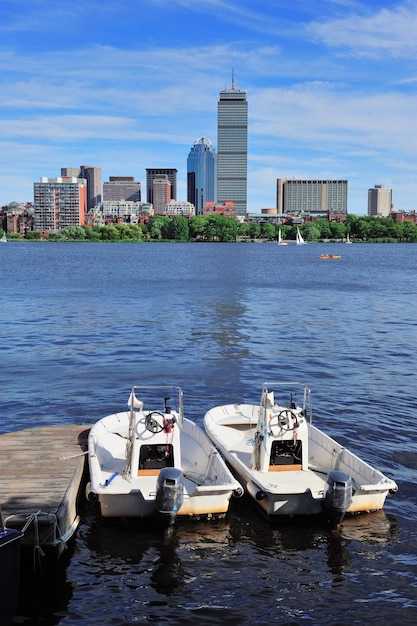 Boating in Oregon – 7 Top Oregon Boating Destinations">

If you only pick one to start, choose the Columbia River Gorge as your primer for Oregon boating. The location around Cascade Locks and The Dalles gives calm coves, fast stretches, and reliable ramps, with a 范围 of marinas to rent boats or book guided tours for their families and friends.
For a true water escape, head to Lake Billy Chinook in the Deschutes regions. Its basalt shorelines frame forests that invite quick shore landings, and you can camp 或 stay at nearby campgrounds after a day on the water. If you want to mix power boats with quiet mornings, this is nearly ideal.
In the Willamette region, the Willamette River runs through farmland and city views, with access from Albany, Salem, or Portland. If you want to tailor your day, decide where youre most comfortable on the water and start with a gentle cruise. You should explore the water with friends or rent a pontoon to cruise at a relaxed pace; you can book guided trips or go solo along the same river path.
The Umpqua River and Coos Bay invite sheltered bays and tidal channels for family boating and trout fishing. Launch from Reedsport or Winchester Bay and plan a two-day trip to explore dune shores, estuaries, and the nearby forests.
Yaquina Bay near Newport supports calm open-water runs, wildlife watching, and ramps that fit beginners. Stay close to the harbor or join a local tour to see wildlife, then cap the day with a sunset cruise. There are no devils in the water here, just smooth channels and friendly currents.
Nehalem Bay offers protected waters, the purest water on the coast, just north of Manzanita, with easy camping nearby and quick access to river mouths for a calm day on the water. For a first-timer, Nehalem is an ideal starting point to practice docking and learn tides.
Lake of the Woods near Klamath Falls rounds out the list with warm-water boating, clear shores for land-based picnic breaks, and a shorter drive from the forested lands. If you want a quieter last stop, this destination rarely sees heavy traffic and delivers straightforward landings for beginners.
Access, Seasonality, Safety, and Planning for Oregon Boaters
Stop and perform a complete pre-launch check: confirm everyone wears a fitting PFD, the signaling devices work, and your filled float plan lists the exact route, launch points, and expected return time.
Access across oregons features a natural backdrop of coastlines, rivers, and high-desert lakes. Check gauges and forecasted water levels before operating; spring snowmelt might raise flows quickly, while late summer brings lower water and longer crossings across channels. The contents of published advisories help you decide which spot fits your plan, and you should adjust your route if you see imbalanced winds or unexpected swell above the horizon.
The guidance titled a practical quick-start for Oregon boaters keeps safety front and center while you relax on waters that can be impressive and offer a perfect backdrop for a weekend on the water. Because conditions vary, pack a dry bag, extra layers, and a spare prop or repair kit. Expect longer trips on protected routes and shorter hops near private launches; always verify access hours and any private land restrictions before you operate.
Safety means dressing for cold water, staying with companions when swimming, and keeping clear of private docks that lack lifeguards. In Oregon, rip currents along the coast and gusty winds near exposed headlands can surprise you. If you might encounter rough waters, relax and head for a sheltered spot rather than press across tall wakes. Although winter storms may linger, skiing in nearby mountains might bring rapid changes in forecast and wind. Make a habit to monitor weather and adjust plans because conditions can shift quickly above the horizon.
Planning essentials: know access points, daylight hours, and weather trends; create a shorter, simple plan with backups. The objective is to operate within your limits, avoid overconfidence, and keep safety gear accessible. For solo trips, tell someone your route and expected return; for group outings, designate a leader and a sweep. If you’re navigating across Oregon’s varied waters, yield to commercial traffic on the Columbia and Willamette where posted, and respect posted speed zones.
| Destination type | Best season | Access notes | Key safety tips |
|---|---|---|---|
| Coastal bays and estuaries | Year-round with awareness of fall/winter storms; summer calmer | Public ramps and marina access; check tide windows | Rip currents; observe surf; wear PFDs; carry marine radio |
| Rivers (Willamette/Columbia segments) | Spring high flows; summer stable; fall varies | Multiple ramps; locks may affect travel; watch for barges | Cold water; strong currents; use throw bag and signaling devices |
| High-desert lakes and reservoirs | Late spring to early fall; afternoons warm | Developed launches; private docks at some sites | Wake and wind shifts; check wind forecasts; keep distance from shore |
| Private or remote spots | Year-round with access confirmation | Private ramps; permission required; know landowner rules | Limited services; plan for no lifeguards; carry extra safety gear |
Overview of the 7 top destinations with best access points and seasonal windows
Begin with waldo Lake for a pristine, motor-free escape that sets the baseline for Oregon boating. Access from the Willamette National Forest via Waldo Lake Road yields a level launch area framed by forest and a backdrop of peaks. This destination welcomes a personal visit, with a straightforward permit process; anglers report caught rainbow trout and occasional salmon in nearby streams. For readers mapping options, consider the waldo region as a starting point before you move to larger reservoirs below.
Odell Lake sits along OR-58, offering one of the largest surfaces in the central Cascades with easy access from multiple ramps. The seasonal window generally runs from late spring to early fall, and motors are allowed on the main basin for easier exploration of large water. The forested backdrop and nearby streams attract anglers, with trout caught consistently and occasional salmon sightings in connected waterways.
Crescent Lake is a standout within the Cascade Lakes chain, with several ramps along the Cascade Lakes Highway that make entry straightforward. Each location offers a distinct location to explore, and the seasonal window typically spans late spring through fall, with calmer mornings ideal for paddlers and family groups. The large, pristine water mirrors rugged peaks and forested slopes; this makes it a great spot to visit and then explore nearby lakes and trails.
Cultus Lake sits north of the Bend area and provides sheltered water and easy access for boaters and kayakers. The seasonal window tends to run from late spring to early fall; verify local rules as some bays permit motors. The backdrop includes basalt outcrops and forested hood ranges; it’s a reliable choice for a relaxed day on the water or a quick visit before heading deeper into the forest.
Crane Prairie Reservoir offers a large, open-water option with several ramps near Bend. The level surface makes it easier for beginners and families; the surrounding forest and peaks create a scenic backdrop. The seasonal window runs from late spring through fall; check permit requirements for launches, and plan a visit to connect with other Cascade Lakes destinations.
Wickiup Reservoir in the high desert foothills provides another expansive water body with multiple ramps. It’s a good fit for late spring through fall boating; winds can rise in the afternoon, so start early. The reservoir is part of oregons diverse system and offers opportunities to explore different species; a permit is typically required for some ramps, and fishing can yield trout or warm-water species depending on water level and season, because versatility matters on crowded summer days.
Lake Billy Chinook, the largest of the Crooked River reservoirs, offers expansive water with multiple launch points around Cove Palisades. The seasonal window runs from spring through autumn, with motors widely used to cover the large surface. The backdrop features cliffs and hood visible on clear days, making the scenery memorable; a permit is required for some launches, and this area is ideal for visiting nearby lakes and exploring the river system.
Coastal and Columbia River hotspots: Tillamook Bay, Nehalem Bay, and Gorge entrances
Begin your weekend with a Tillamook Bay launch to enjoy easy fishing and sheltered water near Garibaldi. The bay’s estuary spans thousands of acres and offers plenty of space for land access and watercraft launches. Garibaldi and nearby marinas provide responsive service, fueling options, and quick trips back to the channel for catching salmon, flatfish, or crab when tides align.
Nehalem Bay presents a protected playground for coastal cruising and non-motorized boating. Launch from Wheeler or Nehalem Bay access points to explore shallow flats, navigable channels, and sandy beaches suitable for swimming and shore visits. This area delivers strong opportunities for crabbing, small-boat fishing, and wildlife watching, with marinas and fueling stations along the town edge. Arrive on a weekend to take advantage of calmer mornings and clear conditions that make navigation straightforward.
Gorge entrances along the Columbia River offer impressive scenery with peaks and lava outcrops framing the water. Plan a day trip to the mouth at Cascade Locks or The Dalles and use nearby marinas for fuel, rests, and shore visits. The current can run strong near vents and fast flats; follow posted rules in motorized and non-motorized zones. In sheltered coves, paddlecraft can probe calmer stretches, while powerboats handle broader channels. The canyon backdrop delivers striking photo opportunities and wildlife viewing that make visiting a weekend highlight.
Safety and planning tips: check tide tables, wind forecasts, and dam releases that influence current. Use a personal flotation device on all trips and carry a map or GPS for the channel network. Reserve a slip at a marina if you plan to arrive with gear that weighs pounds; having space to dock helps with transferring watercraft and storing gear. If you seek a possible full-day outing, link up a couple of hops among Tillamook Bay, Nehalem Bay, and Gorge entrances to maximize opportunities and keep from overloading a single ramp. Each location offers fishing, shore visits, and scenic viewing that suits a weekend or longer visit.
Central Oregon reservoirs for powerboating and water sports: Odell Lake, Wickiup Reservoir, and Crane Prairie
Odell Lake should be your base for powerboating and water sports because the lake offers reliable wind windows, extensive access, and marinas nearby that stock gear and fuel. For the entire day, stay flexible, and plan runs that mix cruising, wakes, and close shore exploration to maximize the opportunity to fish and ride with confidence, which makes for a special starting point on your trip.
Odell Lake winds typically pick up late morning, which makes the surface ideal for wakeboarding and water-skiing, while the morning hours stay glassy for cruising. The access is extensive, with multiple ramps and facilities at marinas that provide fuel, rental gear, and parking without a long drive from the road. For visibility, stay in open water away from busy coves during peak traffic so you can actually spot other boats and obstacles.
Wickiup Reservoir sits in a mountains-ringed basin, offering an impressive range of coves and wide water that suit fishing, tubing, and exploring. Winds can shift from calm mornings to gusty afternoons, so have a plan B for breaks and exploring below the surface. There are public ramps and nearby marinas or shore facilities to top off fuel, and winter access is more limited, but summer days stay inviting for outdoors use and family fun.
Crane Prairie Reservoir sits among pine-dotted mountains and offers deep water, a solid wind range, and calm coves that are ideal for cruising and fishing. The area hosts public boat ramps and nearby marinas, making it easy to fuel and restock without a long drive. The winter months reduce access, but the light snow on the peaks frames a special setting for winter fishing and quiet exploring outdoors, which many visitors actually enjoy as a break from busier spots.
To stay safe and prepared, wear life jackets, bring repellent for bugs along shorelines, and carry a plan that allows you to stay oriented; trust the posted notices and rules. Campfire rules apply in designated areas, so only light a fire where allowed and always keep a break from the crowds. Keep your vehicle close to the ramp for quick loading. This entire trio of Central Oregon reservoirs offers an opportunity for exploration, wonder, and lasting memories outdoors, with a coastal breeze and lake vibe that anyone can enjoy, even without prior experience, because the terrain and waterway are approachable.
Mt. Hood National Forest lake options: Waldo Lake, Lost Lake, Timothy Lake, and Rhododendron-area access tips
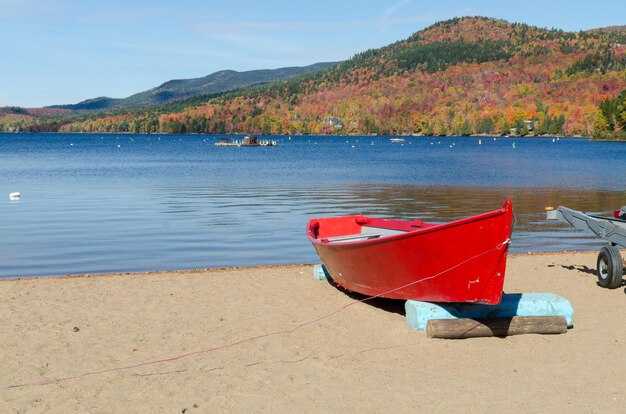
Recommendation: Waldo Lake offers the clearest water and the most peaceful paddling among Mt. Hood’s forest destinations, with friendly shore coves perfect for paddle-boarding and wildlife watching. The forest around Waldo Lake holds devils club along some trails, but the shore is easy to access and the views are absolutely impressive. A permit or parking pass is required to use the lot, and offered campsites nearby let anyone stay close to the water. If you’re after a quiet day, this is your best opportunity to immerse into a serene setting with minimal motor noise.
Waldo Lake’s setting sits below high ridges, where light winds often stay calm in the morning and pick up later in the day. Its cove-lined shoreline creates intimate viewpoints you can reach by short, flat landings–ideal for families sharing a relaxed itinerary. For fishing, trout opportunities exist in the region, and you’ll find quiet spots to cast from shore or from a small craft. Always verify current stock and rules with the forest service or Oregon’s fishing updates, since stocking can vary by season and by nearby states’ guidelines.
Lost Lake sits closer to Government Camp, offering a quick, family-friendly escape from Mt. Hood’s bustle. The water stays inviting for paddle-boarding and gentle paddles, with a scenic backdrop of pines and a popular walking loop that keeps sharing stories with other visitors. Winds can ripple the surface in the afternoon, so plan a morning session if you crave smooth water for kids and new paddlers. Remember to review access rules and parking limits before you go, and bring a means to carry gear between the car and the shore if you arrive during peak hours.
In the Lost Lake area, several campsites and a small launch area give you options to settle in for the day or stretch into an overnight stay. If you fish, trout opportunities exist nearby, and you’ll often learn what’s been stocked by checking the latest ODFW reports. The compact shoreline makes it easy to launch a paddle craft and drift a breeze-warmed cove, turning a simple outing into a memorable wildlife-watching experience. The setting is absolutely picturesque for those who love to observe birds, waterfowl, and curious shorelines, and the lake’s proximity to Tog Ridge and forest trails keeps the experience dynamic rather than static.
Timothy Lake lies south of Rhododendron and offers a larger ecosystem with multiple boat ramps, campsites, and land-access points for longer days or weekend getaways. It’s a versatile option for anyone who wants to mix paddling with short hikes along shorelines and nearby coves. The South Rim area provides expansive views, and the lake’s elongated shape gives you options to paddle into sheltered pockets or explore open water. If you’re bringing a group, designate a base at one of the shore campsites, then split into smaller outings to maximize your time on the water. As with Waldo and Lost Lake, verify current rules for motors and launches before you move from shore to surface, and keep your group together to avoid conflicts with wildlife or other watercraft.
For anglers, Timothy Lake adds a broader range of access and fishing prospects, including stocked opportunities at certain times, so check the latest stocking lists and catch limits as you plan your trip. The south-side access keeps you close to Rhododendron-area accommodations and additional forest trails, making it easy to extend your visit into a multi-day adventure. The lake’s scale means you’ll find quiet sections even on busy weekends, and you can observe wildlife in turnout spots along the land-water interface while keeping an eye on winds that can shift quickly below the ridge.
Rhododendron-area access tips help you navigate the northern Mt. Hood corridor efficiently. Start your day early to beat crowds at Timothy and Lost Lake, and fuel up in nearby towns before you head into the forest. From Rhododendron, use main mountain routes and follow posted signs to parking and trailheads; some lots fill quickly, so arriving before mid-morning improves your odds of landing a good spot for your gear. Always carry a map and a permit if required for the lot or overnight landings; Forest Service information gives you the latest rules and any seasonal restrictions. If you’re planning a longer stay, consider nearby camping options offered within the forest’s network–these spots keep your land-based access convenient and prevent you from being rushed by busy parking lots.
Anyone visiting these lakes should be prepared for quick shifts in weather and wind, especially in the afternoon. The opportunity to paddle, fish, or simply watch wildlife makes the Rhododendron corridor an ideal starting point for a broader Oregon lake circuit that stretches beyond the Mt. Hood region into nearby states. For those who want to maximize their time, stock up on essentials, arrive prepared for short-notice weather changes, and respect the forest’s quiet lands that make these destinations so special. By planning ahead, you’ll hold a smooth itinerary with minimal delays and a stronger chance to enjoy the impressive, wild character of these Mt. Hood lakes.
Family-friendly ramps, shore facilities, and camping options at top Oregon lakes
Detroit Lake offers the best all-around setup for families seeking ramps, shore facilities, and camping within a single area.
- Ramps: a paved Detroit Lake State Park boat ramp with a floating dock supports easy loading for kids and beginners. The ramp is typically reliable through peak summer months, making it a solid first stop before exploring other destinations in the area.
- Shore facilities: restrooms are available at the park, with shaded picnic spots, a swim area, and nearby access to bait and basic supplies. The layout invites a quick escape for families with little ones who want to stay close to shore.
- Camping options: Detroit Lake State Park offers a well-maintained campground set near the shoreline, plus several private campground options along the surrounding road. You’ll find enough shade and convenient water access for a full weekend outdoors.
- Tips: bring life jackets for everyone, check current water levels before loading boats, and plan a mid-day break at the shaded day-use areas to keep grass-stain-free hiking and exploring on track for the kids.
Next, Crescent Lake provides a compact, family-friendly package with friendly ramps and shore facilities that cater to casual lake days and longer camping trips.
- Ramps: Crescent Lake public ramp is well-maintained and easy to access from the main area, with nearby parking that accommodates larger family rigs.
- Shore facilities: restrooms and picnic areas are located within walking distance, and a small shoreline beach offers a safe spot for younger swimmers.
- Camping options: Crescent Lake Resort and Crescent Lake Campground sit on the shore, giving families quick transition between boat prep, lunch breaks, and sunset cruises. Private options nearby extend the stay for a longer outdoor stretch.
- Tips: arrive early on weekends to secure a good parking spot, and consider a short hike along the water’s edge for an incredible outdoors experience without leaving the lake’s location.
Odell Lake stands out for families who want straightforward access and solid shore facilities along with comfortable camping nearby.
- Ramps: public ramp access at Odell Lake area offers ample space for loading and a smooth transition from vehicle to boat, ideal for eager beginners and seasoned boaters alike.
- Shore facilities: clean restrooms, shaded picnic areas, and on-site amenities at Odell Lake Resort support a full day on the water and a simple, stress-free escape.
- Camping options: Odell Lake Campground plus several national forest campgrounds in the vicinity provide a range of sites from primitive to more developed, making it easy to tailor a trip to any year or budget.
- Tips: check wind conditions before heading out, especially for younger swimmers, and bring extras for a long stay–this area is a reliable part of Oregon’s lake lineup for families who want to maximize time outdoors.
Diamond Lake is a reliable choice for families who want a secure ramp, solid shore facilities, and a comfortable base for camping near the water.
- Ramps: Diamond Lake Resort operates a public boat ramp with a stable surface and ample space for loading; peak-season traffic is predictable, so plan around mid-morning windows if you have little ones in the boat.
- Shore facilities: resort facilities include restrooms and a small convenience shop; nearby parks provide shaded areas for meals and quick breaks during a day on the water.
- Camping options: Diamond Lake RV Park and Campground plus nearby private campsites offer convenient stays with quick access to the water and trails for a light hike or family stroll.
- Tips: consider a sunset cruise to enjoy cooler temperatures and calmer water; this spot is a frequently used part of many Oregonian itineraries for families chasing a quick escape into the outdoors.
Lake Billy Chinook delivers a large, family-friendly backbone of ramps and shore facilities with multiple camping options that fit a range of plans and years of visits.
- Ramps: Cove Palisades State Park provides several launch ramps along with parking that accommodates large family boats; expect steady access from spring through fall and along weekends.
- Shore facilities: park restrooms, picnic sites, and accessible shorelines make it easy for anyone to enjoy a day on the water without rushing from one point to another.
- Camping options: nearby campgrounds in the Cove Palisades area, plus private sites around the lake, offer a range from full-service to family-friendly primitive settings–great for large groups and for keeping the kids connected to nature.
- Tips: bring extra water and sunscreen, as large stretches of shoreline expose visitors to strong sun; plan a couple of short kayaking or canoe trips to mix in hiking-friendly spots around the area.
Prineville Reservoir closes the circle with straightforward ramps, reliable shore facilities, and accessible camping that suit first-timers and seasoned explorers alike.
- Ramps: the state park ramp at Prineville Reservoir features a smooth approach and a floating dock at the water’s edge, easing launches for families with small children.
- Shore facilities: well-maintained restrooms, shaded picnic areas, and fishing docks make afternoons pleasant for anyone in your party.
- Camping options: Prineville Reservoir State Park offers campground sites, with nearby private options adding flexibility for longer stays or larger groups.
- Tips: visit in late spring or early summer to enjoy calmer water and cooler mornings; this area is a practical destination for a family escape without a long drive.
Across these spots, the Oregon coast and inland lakes combine to form a connected year-round itinerary for families who want to explore the outdoors, hike nearby trails, and share memorable camping experiences with a sister and friends. An Oregonian tradition for many years, these destinations remain popular for their reliable ramps, solid shore facilities, and welcoming campsites that help you live the best of Oregon’s lake life–no matter where you are in the state.