


 简体中文
简体中文  English (UK)
  Русский
  العربية
  日本語
日本語  한국어
한국어  Magyar
  Türkçe
  Español
  Čeština
  Svenska
  Português
  Ελληνικά
  Suomi
Suomi  Nederlands
  Română
  Italiano
  Français
  Polski
  Українська
  Deutsch
  Slovenčina
 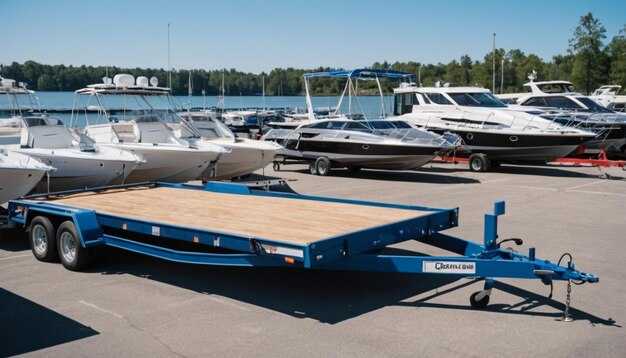 Boat Transportation Trailering – Safe Hauling Tips and Cost Guide">

从配备电涌制动器、可靠的联结器、安全链的双轴镀锌拖车开始;高能见度照明;验证舌头重量约为运载能力的10–15%。. 检查轮胎、刹车、轴承润滑;确认枢轴移动自如;出发前在家测试灯光。.
自 owner 视角,在线资源有助于满足可靠转账的严格要求。搬家之前,请执行 inspections 检查灯光、连接器、安全链条、轮毂轴承;在干燥路面上测试制动距离;再次确认舌头重量;检查拖车轮胎、轮辋、悬挂是否准备就绪;维持从拖车到挂车的统一制动、转向、动力传输;监控电气系统 systems 用于喷雾暴露。.
在盐水环境中,腐蚀会造成损害;使用镀锌部件;二手部件应来自值得信赖的品牌;每次溅水后检查刹车、联结器、灯;来自同行的在线资源 owner 社区提供实用清单;查看来自全国多个地区的实际场景;验证支持拖车的车辆与负载是否正确匹配。.
在加载期间,使用 spotting 交通引导;保持拖车在视野中心;使用轮挡;检查枢轴、轴承润滑情况;在不平坦的表面上保持更大的间距;注意盐水喷雾会加速腐蚀;溅水后重新检查。.
运输计划应考虑天气窗口、燃料成本、绕行;你,, owner, ,查看各区域的定价;跨越国境线时,遵守统一的规则、许可和注册;维持一份包含一百项风险的计划;重新审视路线以允许更宽的车道或更重的负载。.
维护计划很重要;润滑,更换磨损的部件;执行 inspections 每次行程后都要再次检查;每次出发前都要检查灯光、刹车和挂钩;确保安装点在负载下不会弯曲;保持稳定的日常维护以实现长期可靠性;每百英里检查有助于及早发现问题。.
当压力升高时,遵循一个 strict 例行检查;使用统一的检查清单来保护您的装备;保护财产;保护乘客;将此方法视为全国各地经验丰富的驾驶员的活文件;补充备件,计划休息站;下个季节再次重复此循环。.
预告片准备:船、装备和挂钩检查清单
出发前彻底检查挂钩;验证兼容性;确保连接牢固;测试照明;确认将车身与拖车连接的统一连接装置。.
装载齿轮清单:绑带;紧固件;轮挡;备用灯泡;保险丝;工具包;替换零件;工具手柄已固定。.
确认重量分布符合线路要求;遵循装载顺序;将负载放置于拖车车身中央;用带子固定;验证制造商建议的挂钩负载百分比。.
检查后视镜以获得统一视野;离开前调整;确认超大装备周围的能见度;为变道留出空间;协调间距与交通状况。.
如果涉及超大或超限设备;确认所需许可;警察指导方针;交通规则。.
有时轮毂螺栓会松动;按规格重新拧紧;检查轮胎、轮辋、轴承;测试刹车;检查悬挂支座;核实备件;确保关键软管已固定。.
建立检验结果等待期;保持统一的检查清单;记录初始测量值;实践受控加载;在出现差异时恢复选项。.
复习术语:挂钩类型;索具配置;车身尺寸;联结器类型。.
突出潜在危险:移动的镇流器;松动的装备;侧风;刹车过热。.
用额定带牢固地捆扎有效载荷;检查负载线;确保没有松动的硬件;装载后再次检查挂钩连接。.
此准备工作可减轻运输过程中的头痛问题。.
选择合适的拖车:船体匹配、车轴配置和载重限制
建议:选择一款尺寸与船只长度、宽度、重量相匹配的小型重型拖车;首先执行以下步骤,以确保精确配合,更安全地操作。.
第一步:确认船体接触点与船台布局对齐;测量总长度;确保龙骨、螺旋桨区域有直接的、带衬垫的接触;内部框架支撑住船体,并且不超过绞盘柱。.
步骤 2:检查车轴配置;对于一系列中型尺寸的船只,串联轴可降低每轮胎的负荷;对于较轻的负荷,单轴可能就足够了。.
步骤 3:阅读 GVWR、GAWR、有效载荷额定值;保持负载在额定容量的 80% 以内;计算舌重,使其保持在总重量的 10-15% 以内。.
第四步:用对称的线条图案固定;使用重型带子;使用轮挡;利用轮胎袋保护胎面;检查尾灯线路;运输过程中断开电池;出发前验证刹车信号功能;包括一个快速释放方法,以便于靠岸时轻松释放。.
第五步:计划沿途检查;携带备件、电池测试仪;检查挂钩、车架;每次停车时检查管线;按优先级排序,如果出现故障,暂停、修理、恢复。.
许可、费用在线核实:部分辖区要求提供许可、注册或许可证;出发前请核查入境要求;搜索以美元计价的费用;尽可能在线获取许可。.
船民须知:eurowags 建议包括选择具有无腐蚀框架的可靠拖车型号;考虑具有压载选项的重型结构;牢固的系固点;力求最大限度地减少阻力、振动。.
最后,此设置将能实现更安全的操作;耐心执行各项检查;运输期间保持电池断开;确认进入基座的过程保持顺畅;此方法可减少因延误造成的经济损失。.
重量分布与固定:固定船体、发动机和附件
指南提供清晰的框架;这使得固定船体;马达;配件变得可预测。它确保在高速公路行驶期间组件的牢固紧固。想象一下下坡路段;崎岖道路上的颠簸;路边观察;这种方法仍然是最佳实践。.
- 重量分布:船体定位时,确保龙骨沿船台支架均匀受力;避免浅接触;若边缘受压,调整支架或增加衬垫;用从船首到船尾的弦线验证对齐情况;校正直至弦线接触所有接触点。.
- 发动机固定:将船尾横梁带固定到拖车架上;拉紧直至发动机支架处无旋转;为倾斜或锁定装置安装单独的带子;验证带子的额定值;用棘轮施加适度的扭矩,使其达到舒适的张力;避免过度扭矩,否则会损坏带子或支架。.
- 系紧装置:安装四组;两组朝向船首,两组朝向船尾;使用额定工作负荷为1,500–2,000磅的织带;高可见度织带可提高路边识别度;将绑带绕开锋利边缘;使用边缘保护装置;确认挂钩牢固地固定在锚点中;每次旅行前检查磨损情况;更换磨损的部件。.
- 附件固定:固定螺旋桨罩、航行灯、挡泥板;使用单独的绑带固定到固定点;避免松散物品移动;将较小部件存放在专用储物袋中;尽可能将物品放在浅隔间中。.
- 车辆连接:检查将装置固定到平台上的挂钩连接;确认牌照在需要的地方有效;确认安全链已连接;在路况不佳的路段后进行快速路边检查;确保联轴节保持锁定。.
- 检查规程:出发前,检查每根带子是否有磨损、钩子是否破裂或边缘是否磨损;更换磨损的约束硬件;在路面颠簸后,重新检查张力;长途旅行后,再次重新检查。.
- 最佳实践提醒:保持带子紧绷;将备件存放于专用收纳袋中;设想最坏的下坡情况;遵循指南可减少遇到的损坏,降低费用;维护一份简单的规则表;保持一小套路边工具包,包含边角保护、备用挂钩、备用带子。.
- 示例设置:两条船首绑带;两条船尾绑带;拖车框架上的锚点;船体保护已实现。.
拖车安全与驾驶:速度、制动、转弯和天气规划

Recommendation: Set speed to 50–60 mph with loaded trailerboat; perform pre-trip checks: coupling fitted; break-away system armed; lamps functioning; tires inflated; fluid levels topped; license class verified; imagine gusts; securing gear; inspect wiring for kinks; torque settings verified; maintain great control; difference exists between loaded trailerboat behavior; empty mass requires different handling; Great price for basic upgrades; Operators remain accountable; weather plans updated.
Braking reality: loaded mass alters stopping distance; torque controls braking; monitor heat buildup; keep fluid cool; avoid overheat with gradual pedal application; test on a safe stretch; observe stops behavior; load size influences stopping distance; larger amount requires longer margins; inspect drum; rotor wear; observe hairline cracks; prevent fading.
Turns demand early preparation; reduce speed before corner; choose wider arc; exit toward curb side; keep trailerboat closer to vehicle’s path; avoid kinks along hitch; maintain line using mirrors; practice in quiet area.
Weather planning: high winds cause sway; adjust weight distribution; tighten coupling; ensure break-away device; check lamps visible; during heavy rain reduce speed; increase stopping margin; reduce rolling; caravans trailing behind require larger gap; prepare for fog by low beams; keep distance; Operators remain accountable; break-away devices tested; caravans behind require greater spacing.
| Condition | Recommended Speed | Braking/Stopping Guidance | 说明 |
|---|---|---|---|
| Light rain, light wind | 45–55 mph | Increase stopping distance by 20–25%; brake smoothly; observe stops behavior | Lamps check; caravan spacing; trailerboat size check |
| Moderate rain, gusts 15–25 mph | 40–50 mph | 25–30% more distance; gradual braking; keep trailer aligned | Inspect coupling; break-away; tires warm |
| Heavy rain, wind >30 mph | 30–40 mph | 40–50% more distance; engine braking on declines; smooth inputs | Ensure fittings secure; hairline cracks checked |
| Dry, calm | 55–60 mph | Standard distance; monitor grip; avoid abrupt steering | Check torque; fluid levels; size verified |
Cost Guide: Upfront Costs, Insurance, Permits, and Ongoing Maintenance
Upfront Investments
Recommendation: budget for upfront layout by targeting a practical trailer within the range of $2,000–$6,000; allocate $150–$350 for hitch hardware; $200–$500 for a full lighting wiring harness; $100–$250 for chocks, reflectors, safety devices; keep a 10–15% contingency for unexpected repairs. This baseline assumes a standard single-axle setup; for articulated units, or eurowags-equipped models, expect higher figures beyond $6,000. Despite the initial expense, perform controlled testing on brakes, mirrors, front lighting, loads, signage; verify before being launched on public roads. Review these figures again next season; store close to homes in a dry space near the kerb where practical.
Insurance coverage: liability protection is required in most markets; typical yearly premium ranges $90–$240 for basic liability; cargo coverage adds $60–$180; deductibles $250–$500; seek a policy with nationwide validity; confirm the agreement includes storage at homes or in a dry garage within weather-protected conditions; verify signs are legible; ensure the trailer is listed as a separate asset to avoid disputes; authorities may impose fines for gaps in coverage; adjust policy to operators’ regions to avoid surprises.
Permits overview: oversize classifications require authorizations; typical state permits cost $25–$150 per event; annual permits $150–$350; warning devices include eurowags, hazard signs, reflective tape; front banner, kerb-side reminders; noncompliance may trigger fines; authorities may impose fines for noncompliance; verify lights, wiring, brakes, breakaway devices meet general nationwide standards; keep all materials within compliance to avoid delays, conditions changing with seasons.
Ongoing Assurance
Ongoing upkeep: schedule checks every 3–6 months; bearings require lubrication or repacking every 12–24 months; tire condition; pressure tested weekly during trips; rotate tires when wear appears; inspect wheel hubs, bearings, brake drums or discs with testing; test lighting circuits, wires, reflective tape, mirrors; chock trailer during storage; keep life of components by replacing worn parts; store within a dry location near homes, in a garage; when storing beyond a season, clean, wash, apply corrosion protection; verify storing near the kerb does not present hazards to pedestrians; general maintenance reduces hazards, preserves life, improves resale value.