


 简体中文
简体中文  English (UK)
  Русский
  العربية
  日本語
日本語  한국어
한국어  Magyar
  Türkçe
  Español
  Čeština
  Svenska
  Português
  Ελληνικά
  Suomi
Suomi  Nederlands
  Română
  Italiano
  Français
  Polski
  Українська
  Deutsch
  Slovenčina
 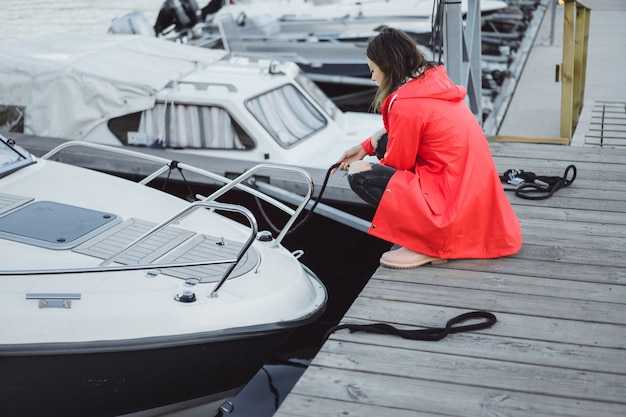 Boat Storage Options Explained – Dry Stack, Wet Slip, or Trailer">

选择水上停泊作为帆船的默认方式,以最大限度地提高战备状态和安全性。.
水上泊位可立即入水,让帆船随时准备好周末出行。这种方式以安全著称,但也容易受到尾流、水流和风的影响,尤其是在锋面风暴期间,这可以用当地的风向模式来解释。对此,请确保足够的保障并制定可快速执行的应急计划。.
当水下作业受限时,一种架高的地面机架系统提供了一种引人注目的替代方案。. 这种方法 避免船体接触并降低腐蚀风险,同时提供足够的阳光和冰雹防护。. Typically, 这种布局适合许多长达 35 英尺的船只,并且可以通过水上选项降低每英尺成本,因此对寻求效率和可预测预算的船主具有吸引力。.
对于优先考虑移动性的业主,, 适于公路运输 转移到有遮蔽的设施能够最大限度地避免受到天气窗口的限制。 它需要仔细选择支撑点、定期检查和协调时间表,但可以保护船只免受海洋环境的长期影响,并支持灵活的备航计划。 当预算和航程安排允许时,他们通常更喜欢这种方法,许多船员对此都有经验并表示赞赏。.
最终,该决定必须权衡船只长度、典型用途和当地气候。它应将最佳选择与维护、保险和承保范围的现实情况进行比较,并且必须反映船主的准备情况和风险承受能力。他们的经验指导选择,并且所选的保险范围应防止脆弱的状况,同时为增长和变化以及其他成本留出空间。.
船主使用湿船位的缺点:实际考量
从严格的维护计划和配件损耗预算开始;如果您选择水上停泊,请预留资金用于腐蚀控制、电池维护和缆绳更换。.
成本受码头条款限制,通常在季节性费率周期内;许多船主低估的是与船体保护、舱底泵调整和码头供电质量检查相关的长期开支。.
在水条件下暴露于天气会加速污损和配件的磨损,从而需要更频繁的清洁、防污循环以及对阳极和电气连接的检查,尤其是在季节性温度波动时。存在不同类型的船体涂层和阳极,但都需要定期检查和及时更新,以最大程度地减少停机时间。.
盐水或湖泊环境会增加腐蚀风险;您将面临随季节变化而变化的的湿度,这会影响电池寿命和电气连接的质量。多个司法管辖区的法律要求定期检查和消防安全措施,从而增加了计划时间和成本。对于许多船只而言,这些因素比最初的停靠费更为重要。.
对于注重预算的船东而言,在淡季将水上航行与合作码头的离水停泊相结合,可以降低成本,同时在需要时保持对船只的访问。.
在计划中,跟踪以下几个指标:码头高度限制、水温以及电力可用性;建立日志,比较维护费用与便利性价值;下个季节的娱乐活动应纳入预算。他们意识到水上泊位并非没有风险,需要保持警惕。.
码头存储的成本差异和隐藏费用
提供一份包含基本泊位费、电费、水费、抽污费、安保费、门禁费和管理费的逐项报价;核实责任险的承保范围和限额,并在不同社区至少比较三家设施,以找到既能支持船上生活又不牺牲安全或质量的选项。.
成本动态因设置方法和秋季需求而异。气候设施中的垂直架系统(堆叠)可实现紧凑的空间利用,并可降低长期占用空间;较小的船只通常会产生较低的月度费用,而较大的船体则会推高总费用。沿码头的入水泊位提供直接的水上通道,但由于入住率和深度限制,秋季往往会上涨。陆路进出的起吊场提供最可预测的基础费用,但也增加了下班后出入费、安全人员配置和停车限制;请查看旺季附加费和限制,以避免意外情况。.
需要逐项列出的隐藏费用包括:按用量计费的电费、水费、污水处理费、门禁费、保险范围、责任限额、保证金和管理费;一些设施会对舱底抽水、清理和处置收费,而拖车运输或起吊服务可能会产生单独的费用。如果您计划在船上生活,请明确哪些费用包含在内,哪些需要额外收费;确保您了解用水用电上限以及任何季节性限制。为了寻求切实可行的解决方案,请考虑一种符合您偏好且保持强大覆盖面的方法,同时维护各个社区乃至全世界船民的安全。.
| 安装类型 | 典型月度范围 | 隐藏费用和注释 | Best for |
|---|---|---|---|
| 气候设施中的垂直架系统(堆叠) | 小型船只,最长 25 英尺:60–120;26–30 英尺:120–180;31–40 英尺:180–260 | 用电量收费、水费、污水处理费、门禁卡、保险费、维修附加费、秋季调整费 | 最小化占地面积;后院式便利性;适合在限制性社区的船宿生活 |
| 沿海港口码头的入水泊位 | 每线性英尺每月:8–30;典型总范围:200–1000+,取决于长度/位置 | 水、电、抽污、安保、非工作时间出入、季节性限制、责任保险 | 直接开放水域通道; 在世界一流地点拥有丰富的开放水域经验和优质设施 |
| 陆路通道起吊场 | 基本泊位月租150–500;较长船只600–900;另行收取起吊费 | 非工作时间费用、停车限制、安全人员配备、处置费、保险 | 低固定管理费用;灵活的卸货方式;有利于严格的成本控制和多样化的设置 |
湿度暴露、腐蚀风险和船体表面磨损
只要全年条件允许,就应储存在具有温控功能的设施内;这是最大程度减少湿气暴露、降低腐蚀速度和保持船体饰面的最佳方式。.
湿气暴露会加速腐蚀和表面磨损,因为它会促进紧固件和涂层上的凝结、氯化物传输和盐膜形成。当在露天系泊时,海浪飞溅和湿度会使船体暴露于更高的损害率;具有受控湿度和气流的室内环境会显著降低这些风险。学习使用湿度计监测状况,使用通风设备,并在可能的地方放置干燥剂;此外,有针对性的除湿可以降低内部湿度,并提高长期维护的可靠性。.
露天系泊使船体暴露于风吹雨淋、盐雾和湿度峰值;在室内,暴露程度降至最低,从而提高可靠性并减少对涂层的损害。.
有三种方法可供选择,以满足不同的时间安排和预算:带气候控制的室内安排;在码头受保护的系泊;以及用于周末探险的、存放在家附近的便携式轮式平台。每种类型都在便利性、可达性和保护性之间提供不同的平衡;理想的选择取决于您提起和移动船只的频率,以及您对便利性与防潮的重视程度。对于休闲用户来说,室内维护通常最适合保持光洁度;系泊对那些重视随时可用性的人很有吸引力,而轮式选择则在较紧的预算中提供了灵活性。因此,处理和提升工作流程至关重要,这些选择提供了保护并适应不同的时间安排。.
冬季防寒和例行检查对于维护内部组件和表面至关重要; 中间方法通常可以在保护以及电力成本和处理工作之间提供折衷方案。 当您知道将使用哪种设置时,您可以定制计划:干燥剂包、通风罩和仔细的排水可以减少水分暴露;每年必须检查牺牲阳极和涂层,以防止损坏并确保长期可靠性。.
为了了解如何适应您的全年计划,请设定明确的目标:保持室内湿度低于 60%,确保温度稳定,并通过在使用后清洗来最大限度地减少盐分沉积。每月检查船体表面的微小划痕,并在每个季节开始时重新涂抹保护涂层。这种方法既吸引了喜欢冒险的爱好者,也吸引了休闲用户,它易于维护,并能更快地为下一次航行做好准备。同时,它还可以减少水分暴露可能造成的损害,并在从系泊切换到家庭泊位时,方便快速起吊和移动。.
访问受限:码头开放时间和泊位等候时间
请务必在前一天核实码头的开放时间,并尽量在非高峰时段停靠,以减少延误。.
平均等候时间因湖泊和季节而异:在典型的市中心设施,预计需要 15–30 分钟;在极端高峰期或特殊活动期间,需要 45–60 分钟;更偏远的岸边通常在 5–15 分钟左右。.
价值源于计划:你需要准备几个备用方案,例如查看实时状态板、提前致电,或准备附近的备用泊位,以便在您步行到岸边或协调船员时最大程度地减少干扰,从而使抵达过程更顺畅。.
限制和要求会随季节和设施政策而变化。在特定条件下,使用邻近的公共码头需要获得许可,一些码头要求为大型船只提供升降机通道。您还需要确保已做好安排,并确认大门开放时间,以避免被锁在外面。.
海滨安全设施包括金属围栏和安全出入口;在活动高峰期,时间可能会缩短,您可能需要居民卡或密码。如需获取可靠的更新信息,请使用码头的官方来源,包括码头主管通知和海滨公告栏。.
冬季,冰雪会挤压停靠窗口,缩短公布的时间表;请提前查询,并预料到会出现限制,因此要准备好临时系泊的备用方案,或附近提供灵活性的滨水替代方案,以降低您行程安排的风险。.
Security risks at crowded marinas: theft and vandalism
Immediate action: deploy automatic lighting and camera surveillance with real-time alerts, and enforce strict access control; this typically reduces around 40-60% of theft and vandalism incidents in crowded marinas. Establish a year-round readiness program that adapts to seasonal peaks, storms, and maintenance windows; applying the needed protocols.
- Perimeter and access controls: Install clearly marked entry points with credentialed access; ensure cameras cover all berths; review logs monthly and coordinate with harbor staff; after-dark patrols dramatically cut risks around waterfront assets.
- Surveillance data handling and response: Use weather-rated cameras, retain footage for at least 30 days, and set automatic alerts for tampering; connect with a world-wide monitoring network to enable rapid response; frequently test system integrity during storms and seasonal shifts.
- Valuables and gear handling: Tag high-value gear on boats; store items in locked outdoor lockers or locked bins; maintain a visible log of stored gear; many owners start to reduce risk by removing valuables during high-traffic events.
- Fuel and maintenance safety: Keep fuel cans and volatile items in approved, vented containers away from heat sources; do not store near engines or electrical panels; ensure spill containment measures are ready.
- Seasonal cycles and readiness: In seasonal peaks, increase patrol frequency and lighting; during winterization, minimize exposed items and secure lines and fenders; always review readiness before a storm season or a big regatta; typically, a flexible plan lowers loss incidents.
- Protection measures and education: Educate boat crews about securing gear, reporting suspicious activity, and following checklists; distribute a simple monthly checklist for owners to follow; this helps many increase year-round vigilance and accountability.
- Cost vs benefit and outcomes: The average security budget yields higher protection when spread across multiple methods (lighting, cameras, access control, nearby yard watchers); around world marinas applying multi-layered security see fewer vandalism cases and better incident resolution; the approach offers flexibility to adapt to yard layouts, climate, and local regulations, versus isolated, single-solution setups.
- Operational notes and comparisons: The distance between vessels, outdoor weather exposure, and high activity create more opportunities for theft; making items compact and stowable reduces risk; ensure readiness to respond quickly when alarms trigger.
- Context and choice framing: Compared to a backyard setup, crowded marinas demand formal controls and documented procedures to deter opportunists; this distinction guides where to invest first (lighting and access versus signage and patrols).
Insurance coverage nuances and liability questions in wet slips
heres a concrete recommendation: secure a liability endorsement naming the marina berth as additional insured and set minimum limits of $1,000,000 per occurrence, with $2,000,000 aggregate where possible. Ensure coverage travels with your recreational craft when outdoors and that dockside power hookups and shore connections are included in the protection. Obtain the certificate before you sign the agreement, and renew it annually to stay aligned with your setup; this keeps protection aligned with risk factors.
These policies frequently provide limited protection for weather-driven or wear-related damage unless a rider is added. Verify the scope for damage to fixed marina structures, dock equipment, and third-party injuries; confirm how subrogation works and whether deductibles apply to each claim. A robust approach keeps costs predictable and reduced out-of-pocket exposure when storms, wind, or ice affect the berth.
Key factors to examine when comparing terms include whether the coverage includes power-related incidents and whether the marina’s lift facilities are covered for both vessel and equipment damage. If a captain or crew operates from the dock, ensure their actions are within the insured scope; the policy should extend to crew members who assist with lines and fenders. For large craft or multiple vessels, confirm per-claim limits are enough and whether multiple vessels share limits. Set a high level of coverage to guard against catastrophic losses.
In snow-prone regions, discover whether winter conditions are covered for damage caused by ice buildup on pontoons or moorings. Before signing, ask if the marina requires a specific level of liability and whether they offer a dedicated rider; prices vary, but the best value balances adequate protection with predictable premiums. Boaters benefit from a clearly defined scope that keeps disputes minimal and supports a quick resolution in recreational use contexts.