


 简体中文
简体中文  English (UK)
  Русский
  العربية
  日本語
日本語  한국어
한국어  Magyar
  Türkçe
  Español
  Čeština
  Svenska
  Português
  Ελληνικά
  Suomi
Suomi  Nederlands
  Română
  Italiano
  Français
  Polski
  Українська
  Deutsch
  Slovenčina
  Boat Safety Guide – Learn How to Be Safe on the Water">

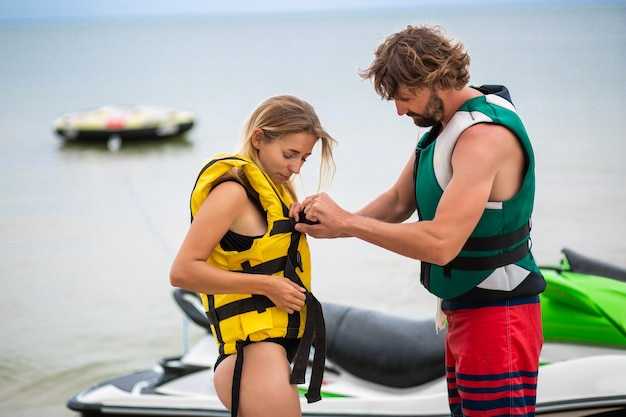
Always wear a PFD when stepping onto deck and before engine start. This simple step reduces drowning risk and keeps you buoyant during unexpected movement.
On local operations, basics include maintaining balance with a firm stance, keeping feet shoulder-width apart, and securely lashing gear. Put on non-slip footwear, remove loose items, and perform during calm conditions where possible to avoid unnecessary risk. General practice prioritizes minimizing exposure to engine exhaust, fumes, and loud noise.
Set a routine to communicate plans before leaving, using a radio and visual signals. Use a time check to keep crew aligned, and clarify change of plans quickly to avoid confusion. Ensure everyone knows backup procedures for leaving, returning, and handling equipment in case of gusts or rough seas.
Before leaving, review environment data from local sources, inspect engine status, battery level, fuel amount, and ensure cargo is secured. Create a simple checklist for departure, including confirming basic signals and verifying anchoring lines. This reduces risk during changeable conditions.
In common practice, plan routes that minimize exposure to wind shifts and current changes. Maintain clear communication with everyone aboard, keep feet planted, and use footwear that offers grip. If conditions change, adjust plan promptly, leaving ample space for maneuver, and monitor engine performance while staying aware of surroundings away from hazards. Even small changes make a difference for risk.
Pre-Launch Safety Checklist for Every Trip
Run a short, complete engine test and inspect fuel line, battery connections, and steering gear before departure.
Put on life jackets for each person, and confirm throwable rings are within reach to avoid accidents.
Know local weather, wind, visibility, and forecast; guard against sudden changes and stay informed. On boats, match speed to chop and keep time margin for setbacks.
Check warning devices, signaling horn, and lights; keep proper PPE ready, and confirm devices operate.
Distribute weight evenly to avoid capsizing; keeping loads low reduces injuries and maintains control, boosting survival.
Verify needed gear: spare lines, a throw line, whistle, flashlight, and a fire extinguisher; ensure access to life-saving rings.
Assign roles before departure: operator, steering, and guard for passengers; practice a quick shutdown only if required.
Record time, route, and any hazards in a brief log; this addition keeps everyone knowing what to expect on board.
Most accidents relate to overloading or unstable movement; wear harnesses where applicable, which minimizes injuries and confirms proper restraint.
Choose the Right Personal Flotation Device (PFD) for Everyone Aboard
Begin with basic rule: for every person aboard, pick PFDs matching weight range, chest size, and torso length. Lake-friendly options with foam flotation provide buoyancy while enabling comfortable steering. For youngsters, select child-sized jackets with crotch straps; they stay down and secure. Finally, test buoyancy by lifting shoulders in a shallow tub or pool to confirm rise with minimal effort.
Fit matters. Have someone assist in donning, adjust all straps, then perform a quick shake test: jacket should rise higher when shoulders are lifted during brief immersion in a shallow basin. Ensure jackets stay down when seated and do not ride up during motion. Familiarize yourself with pocket features: whistles, reflective tape, and emergency contact card. Keep a spare phone or mobile device in a waterproof pocket for quick access.
Choose which PFD suits each activity: Type III supports enjoyable cruising and driving comfort, Type I offers survival advantage in long lake crossings, and Type V models fit when using specialized gear or activities. When moving around vessel, wearing jackets at all times ensures immediate flotation if a stumble occurs. Adhere to following labels and instructions; check expiration dates, and inspect for cracks, tears, or missing straps.
Maintenance matters: after each day, rinse with clean liquid, dry away from sun, and store in a ventilated bag or locker. Avoid leaving PFDs in hot cabin spaces or direct sun for extended time; replace worn-out jackets or damaged pockets. If fuel gauges or electronic gear are near PFDs, ensure cords are clear and do not snag.
Lead by example: every person aboard wears a jacket during cruising or when conditions shift. Wearing PFDs consistently improves safety and enjoyable experience. Set a departure time; leaving time increases safety and keeps morale high, making voyages more enjoyable. This approach reduces dangerous pauses and helps everyone operate with confidence. Carry a spare PFD for guests or someone extra.
Inspect and Maintain Safety Equipment on the Boat
对装备进行快速的行前检查:确保每个人都有尺寸合适的救生衣,确认信号设备已充电且易于取用,核实灭火器已充电,并确认急救包是完整的。.
- 救生衣:检查接缝、浮力和整体状况;确认适合每个人;放在开放区域附近,以便在需要时快速穿戴;始终检查装备是否保持漂浮且易于取用;更换任何显示磨损或损坏的物品。.
- 信号:检查信号弹、哨子和喇叭;核实到期日期;保持设备易于取用和可见;检查信号是否能够被听到和看到;练习视线内信号传递,以便他人能够快速反应。.
- 绳索和锚具:检查绳索和锚索是否磨损或切割;更换磨损部分;盘绕绳索以防止缠结;存放在开放式架子上,以便您可以轻松抓取;检查绳索是否仍然足够坚固以应付日常任务;现在注意可以避免以后的危险。.
- 电气设备:在黄昏或黎明时测试航行灯;检查连接处是否有腐蚀;保持电池盒关闭和干燥;在暴露于风或浪之后冲洗设备以去除盐分;监测电压以避免意外。.
- 灭火器:检查压力表和易用性;每年或按制造商要求进行维修;如果电量低,则更换;保持在触手可及的范围内,以便在发生火灾时快速反应。.
- 急救箱:检查物品;补充已用物品;记录到期日期;将说明书放在显眼处。.
- 存储和整理:将设备储存在干燥的隔间内,远离热源;避免杂乱;开放式检修舱口应保持畅通;将物品放在触手可及的范围内,以便快速取用。.
- 慢速行驶规定:在接近慢速行驶区域时,减速行驶;固定松散物品并保持绳索拉紧;这样可以降低船上人员和附近游泳者的风险。.
- 人员和职责:分配信号、设备检查和维护的角色;让家庭成员参与进来;让孩子们远离移动或调整的设备;保持冷静有助于大家更好地应对突发事件。.
- 记录保存:维护一个简单的日志,记录日期、检查项目和更换项目;这可以帮助您做好准备,并使未来的检查更加容易。.
围绕设备保持日常维护不仅可以保护每个人,还能帮助您自信地享受旅程,并且能够在任何需要注意的地方快速做出反应。.
测试发动机熄火开关和电气系统
将系索连接到背心和船尾栏杆后的环上;启动发动机;拉动开关以确认在 2 秒内关闭。.
船员对线路引线进行基本检查;测量确认诸如航行灯、喇叭、舱底泵等基本电路正常工作;检查电池接线柱是否有腐蚀;确保防水连接;检查保险丝和断路器;打开灯进行测试。.
按照指南,驾驶者确认系索环保持连接;如果发生丢失,返回岸边并检查来源;如果检测到问题,停止、后退并在水道测试期间固定船只;找出原因;保持与船尾区域至少 3 英尺的距离。.
急救箱触手可及;生存装备准备就绪;船员保持航向,在限制范围内;遵循步骤顺序:测试系索,检查电池,验证电路,确认警报;检查后的报告示例包括日期、结果和措施;向船员简洁地说明状态;避免溺水风险。.
出海前检查天气、潮汐和能见度
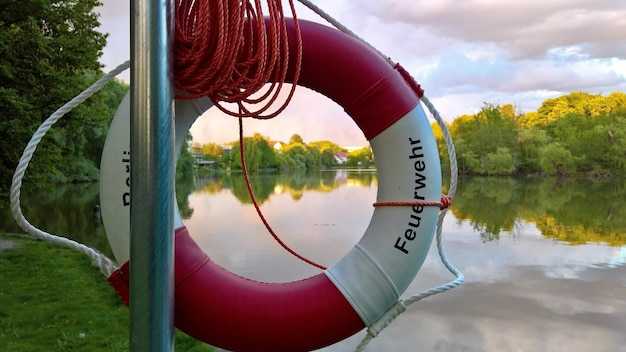
出发前,必须从可靠来源完成必要的预报检查。风、浪和能见度决定了计划的航程是否可行。.
- 天气检查:从至少两个可信来源获取天气预报;比较风速(节)、阵风、海况(米)和能见度(公里)。通常,风速低于15–20节且海况低于1.0–1.5米能够保证近岸短途航行的舒适性;当风速高于20节或海况超过1.5米时,考虑延期。可接受范围因船只操作技能而异;判断至关重要,尤其是在季节性模式导致条件变化之后,这些变化会影响决策。.
- 潮汐和洋流检查:查阅潮汐表,了解计划航程;注意高/低潮时间、洋流,以及是否会在狭窄的入口附近面临狭窄的航道。弯道处特别强的洋流会降低速度、改变航向或增加燃油消耗。如果您依赖于不再是回流的回流计划,则存在风险;相应地调整时间。.
- 能见度和地平线:评估太阳位置、眩光和杂散雾霾对视觉范围的影响。如果能见度低于 5 公里(3 英里)或地平线看起来被烟雾笼罩,则推迟起飞,直到情况好转。远离海岸并在地图上标记计划路线以保持高度警惕是有价值的。.
- 应急设备及穿着:确认救生圈可取用,VHF正常运作,备用电池组和信号工具。确保穿着PFD或救生衣;根据需要让其他船员穿戴设备。检查紧急信号是否为最新;救生圈上的环在夜间可见,并配有适当的灯。.
- 决策和计划更新:申请规划指令以便快速审查;如果数据冲突或船员经验引起担忧,切勿强行推进。驾驶员保持警惕,速度调整至当前余量,机组人员为意外情况做好准备。决策后,通知所有船上人员,确认预定路线,并记录为后续学习而做出的更改。.
保持船上无酒精环境:规则与风险
从启航前到系泊期间,强制执行无酒精政策。禁止饮酒、禁止打开容器,并且禁止在船员简报、设备检查或固定缆绳期间饮酒。消除酒精可以降低误判、延误和协调障碍,帮助人们享受更安全的出行。这种方法可以带来更安全的操作。.
指定一名清醒的操作员负责操舵和导航;此人负责控制舵柄、油门、甚高频无线电话、GPS和测深设备等装置。船员应尽量减少干扰并将饮料存放在控制区域之外,以负责任的方式行事。出发前的容量检查和到达后的例行程序可降低风险。.
平衡和漂浮取决于重量、座位和海况。请勿超过载客量限制,均匀分配人员和装备,包括每个人都穿着救生衣。船只类型各异;本规定适用于小型单人艇和大型船只。最后,在波涛汹涌的水域穿着漂浮设备可以降低危险,包括航迹和来自海浪的突然冲击。在诸多风险中,最大的危险是精神障碍,这可能会在操作过程中引发误判。甲板上的秩序对船员和乘客同等重要。稍后您可以享受游泳时间,风险也会降低。.
在加拿大,监管机构强调起航前检查、系泊规程和清醒操作是强制性要求。切勿在驾驶室附近饮酒;负责任的行为可确保轮班后有游泳时间而无风险。监测船员的损伤可防止连续出错;最后,制定涵盖基本规则、信号和紧急停止的学习计划。.
| Rule | Risk | Action |
|---|---|---|
| 操作期间禁止饮酒 | 判断力下降,反应迟缓 | 指定清醒驾驶员;控制区禁止饮料 |
| 保持容量 | 过度拥挤,失衡 | 承重限制;均匀分配重量 |
| 穿着漂浮装置 | 无防护漂浮,有溺水风险 | 为所有人提供救生衣;确认尺寸是否合适 |
| Pre-departure checks | 设备故障,沟通失误 | 检查设备;测试无线电;确认系泊计划 |