


 简体中文
简体中文  English (UK)
  Русский
  العربية
  日本語
日本語  한국어
한국어  Magyar
  Türkçe
  Español
  Čeština
  Svenska
  Português
  Ελληνικά
  Suomi
Suomi  Nederlands
  Română
  Italiano
  Français
  Polski
  Українська
  Deutsch
  Slovenčina
  Boat Launch Checklist for First-Time Boat Owners – Safe, Easy Steps">

首先进行简要的安全检查:确认船体和电子设备状况,然后断开电池与岸电的连接,并在前往坡道前清理储物空间内的杂物。.
大多数预坡道任务都发生在坚固的地面上。简单地绕机身走一圈,确认停机是否稳定,地面是否平整,也许可以请人协助处理缆绳。这应能让你在驶向码头或浮筒之前再次检查路径。.
准备装备包括携带必需品和检查储物舱。从易取之处移除松散物品可保持区域整洁,手头备有电池测试仪可提高准备就绪程度。确保安全装备易于取用,以便在需要时能够迅速采取行动。.
在水边,驶向水域时,与坡道水流对齐,确认绳索和挡泥板已准备就绪,并确保 launching 序列可以立即开始。此序列从浅水检查开始,然后再将船只固定到码头。.
最后,进行一个简明扼要的最终检查:确保最重要的物品都已到位,不要遗漏任何东西,并确保存储稳固,同时停车计划完好无损。船员们将这种严谨带到水上,可以增强信心,确保快速顺畅的出游。.
船只下水和停靠必备品
Recommendation: 在将船只移入水域前,完成入水前安全检查。确认注册信息是最新的且可访问;检查拖车灯、挂钩和安全装备的状况;确认发动机启动可靠且电池保持电量。检查排水塞是否已固定好,并且舱底泵运行正常。确保船上有救生衣、抛投装置和灭火器。注意坡道表面和其他用户,以保持流程无压力。.
对接程序: 稳稳地倒车入坞,保持船头朝向码头。让你的伙伴处理船首绳,同时你控制拖车和车辆,注意坡道交通。使用清晰、商定的信号计划来指示动作:船首绳、船尾绳和最终释放。当绳索固定后,缓慢地从拖车上解开船,然后释放,再将车辆停在远离水边的地方。尽可能减少移动。.
在岸上,继续准备存放:如有需要,排干剩余的水,检查船体和推进部件是否损坏,并确认注册显示和州要求已满足。下一步包括使拖车静止,固定绳索,并确保船主了解状态。避免阻挡其他船只;处理绳索时,避开人行道和穿越的交通。.
实践出效率: 建立可减少收回过程中压力的实践:保持线路整齐,安装挡泥板,检查照明,并保持挂钩区域清洁。用平静的声音与您的伙伴沟通,并警惕风向变化或水流变化。本课程可保持例行程序的预测性,提高效率,有助于避免延误,并支持遵守您所在州发布的交通规则。.
运输后检查:确认注册标签和显示清晰可见,检查拖车挂钩、安全链和排水塞是否牢固,并确保所有设备已准备好下次使用。准备将船只移至避风区域或码头边存放;与您的伙伴一起计划下一步,以保持清晰的工作流程和无压力的节奏。查看码头等场所的当地规则,以确保合规。.
安全提示: 时刻注意装备状况,采取更小的步骤,避免在繁忙时段匆忙行事。保持解钩和释放任务与船员信号一致,尤其是在倒退或远离人群时。遵循这些简单的步骤有助于在交通繁忙的水域保持效率并降低风险;对于任何重视负责任操作的船主来说,这都是一个必备的习惯。.
预发射装备和个人安全设备
为每位人员穿上救生衣,并在车辆后部伸手可及的地方放置口哨和小型照明灯。松开发动机熄火开关系索并验证其功能,然后确保所有个人物品都放置在驾驶室后面的储物空间内。准备工作应从简明扼要的地面检查开始,以免在拥挤区域手忙脚乱。.
将鱼竿存放在竿架或带衬垫的管中,竿尖盖好,绑带拉紧。 放在远离坡道的后部储存区域,以防止与他人接触。 行驶期间,快速确认它们是否牢固; 将其固定可以降低风险并保持一切平静。.
携带一个紧凑的信号工具包:口哨、镜子和一个带有备用电池的小型手电筒。将装有钥匙和手机的干燥袋系好,并将其放置在靠近地面的触手可及之处。请记住检查急救物品的有效期,并在离开湖面之前将工具包放在后部储物区;这对于安全和方便取用至关重要。.
包括安装在车辆框架上显眼位置的紧凑型灭火器(ABC 级),以及一个基本急救包。每次出行前检查有效期至关重要;拥有这些物品在身边有助于您在出现问题时快速应对。当每个人都保持愉快的心情并确保操作顺利进行时,船员文化才能蓬勃发展。.
燃油、电池和发动机就绪检查
到达湖边后,首先进行具体检查:燃油油位、电池状况和发动机准备情况。这能让你保持高度自信,并保护船员的安全,特别是那些经验更丰富的船员。学习自己执行这些任务,然后在需要时依赖他人。.
在日常检查中,你的意识很重要;这个习惯能提高他们旅途的效率。重要提示:保持检查的纪律性可以保护你并让你做好准备。.
-
燃油就绪状态
- 确认仪表显示有充足的储备。如果油量低,从认可的容器中取出额外的燃料;确保盖子密封良好,燃油管线完好无损。.
- 检查燃油管路和连接处;查看裂缝、磨损或泄漏;如果安装了卡箍和滤清器,则再次检查;清除连接处附近的碎屑以减少危险。.
- 检查燃油中是否有水:从油箱底部排出一个样本,或使用分离器(如果存在);去除水分可以保护系统并防止运行问题。.
- 使用含稳定剂的新鲜燃料;避免使用高乙醇混合燃料;标记上次加注日期,并将便携式容器存放在远离热源和阳光的地方。此举可提高效率并降低冷凝风险。.
-
电池就绪状态
- 确认已充满电:12V 系统在点火关闭时应显示约 12.6V;充电时应显示 13.5–14.5V。如果读数偏低,请在启动前充电。.
- 检查接线端子是否腐蚀;用小苏打溶液和钢丝刷清洁;确保连接紧密并正确安装在接线柱上。.
- 将电池牢固地固定在电池托盘中;打开并测试附件(灯、舱底泵、GPS)。如果电池电量不足,请在出发前取出备用电池或安排维修。.
- 保持电缆远离皮带和移动部件;盖住裸露的连接,以防止意外接地或短路。.
-
发动机就绪
- 油位:油尺应显示在建议范围内;如果需要,用正确等级的油品加注。.
- 冷却液液位:检查储液罐和软管;必要时加注并检查是否存在泄漏;确保系统按设计运行。.
- 燃油管路和夹箍:确保无泄漏;验证起动泵工作正常;除非您知道如何重新安装,否则避免拆卸安全装置。.
- 曲柄测试:转动点火开关,听是否有平稳的啮合声;如果发动机没有反应,启动前诊断电气或燃油问题。 成功启动后,监测是否有异常噪音、烟雾颜色和怠速稳定性;如果任何地方出现问题,停止并进行故障排除。.
-
安全和坡道礼仪
- 保持远离航道线并在指定区域停泊可以保持交通顺畅,并保护所有船员的安全。.
- 检查完毕后,拔掉电源线,收好安全装备,并固定好飞行器;这样可以保护设备并降低对他人的风险。.
- 仔细检查所有连接件、夹具和固定带;确保运输过程中没有任何物品移动,从而提高整体安全性和效率。.
为下水准备拖车、绞盘和坡道
固定绞盘带和安全链,将船体支架与龙骨对齐,并确保与您的伙伴进行清晰、礼貌的沟通;驶上斜坡的船只需要注意脚下和路面情况,保持稳定的速度,以防止漂移或流畅地卡住。引导船尾到位时,目标是在每个支架处保持1–2厘米的间隙。.
准备工作包括检查铺位是否有磨损或裂缝,用12伏测试仪测试拖车照明,确认挂钩锁,并安装至少1000磅的备用带;在所有设备正常运行之前,请勿移动装置,并保持冷静姿态,以避免可能导致损坏的错位。.
当坡道表面潮湿时,将速度降至3-5英里/小时,遵循可预测的路径;径直驶入水中,保持绞车绳索绷紧但不要过度拉紧,然后像一个练习有素的例行程序一样,轻轻地引导船只到达其静止位置,以最大程度地减少干扰。.
请记住在有风或凉爽的条件下穿上夹克;在固定好船只后,再次检查捆绑物,然后联系船主,告知任何需要的调整;返回牵引车辆,拆卸绞盘,收好装备,并确保挂钩在下一段行程中保持锁定。.
| Phase | Action | 说明 |
|---|---|---|
| Preparation | 检查铺位,安装安全项目,测试绞盘和刹车 | 冷静地接近区域;保持礼貌的信号 |
| Alignment | Lock hitch, verify level, check lights | Ensure 1–2 cm clearance on each side |
| Entry | Move slowly, maintain straight path, monitor ramp grip | Keep boater attention on surface conditions |
| Return | Disconnect, secure gear, drive away smoothly | Double-check all connections |
Water Start Procedure and Quick System Test
Recommendation: Secure the kill switch to your partner, set the vehicle in neutral, and confirm the ground area is clear before ignition.
Check storage of essentials: spare fuses, lines, and install hardware; ensure battery terminals are clean and charged; keep rods stored in prepared compartments.
Place flares within reach and outline a brief course of action where to go in case of power loss; verify ignition switch while the engine remains off.
With ignition off, run a quick system test: dash gauges, bilge pump power, blower, and warning lights; verify within seconds all indicators show good status; address any dead sensor immediately.
Starting sequence: partner watches the tach while you operate the key; engine starts quickly and settles to a calm idle around 800–1200 rpm; listen for smooth tone and no unusual vibration; if it stalls, stop, check fuel valve, and retry after 15 seconds; avoid operating with prop in water.
During initial maneuver, keep etiquette clear by sharing space with nearby vessels; maintain distance until you clear the channel; stay alert to traffic at ground level; if heavy traffic, pause until route is clear.
After procedure, store any loose gear in secured compartments; leaving any gear on deck invites slips; preparing the deck space helps tidy operations; ensure you leave prepared space, gather rods, bass rods, and other equipment in their proper storage.
Attention to many details helps avoid mishaps: check battery charge, fuel storage, oil level, coolant; keep spare parts and flares ready; quickly address any irregularity after detection to maintain safe handling.
Docking Retrieval: Approaching, Securing Lines, and Post-Launch Checks

Reduce speed to idle, approach the dock on a steady course, and secure a proper bow line to the cleat while keeping the hull within reach of fenders. Be prepared by checking shore support online and communicate ‘line ready’ to the crew onshore; maintain comfortable control to avoid sudden contact with pilings.
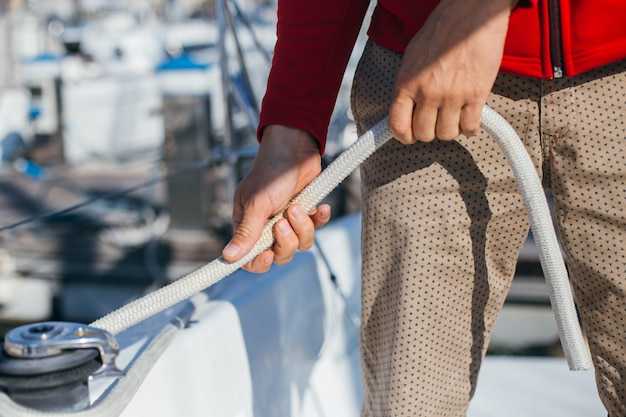
When within arm’s length, take a bow line from the cleat, pass it around the cleat using a figure-eight or clove hitch, and keep tension so the line lies flat. Have a stern line ready to prevent drift; use spring lines if the current or wind is variable. For towing assistance, coordinate with others on the dock to avoid cross-talk; tie the lines snug but not overly tight to prevent hull deformation.
After securing, perform post-trip checks: inspect fenders and lines, confirm chocks and dock bumpers are in place, lower or stow any removable gear, and run a quick cleaning of the deck to remove mud or fish scales. Lower hatches and ensure the engine bay is off. Check the bilge, battery, and fuel connections; verify you have necessary safety equipment within reach and in good condition.
If youre a boater or fishing enthusiast, take care to secure rods and bait before stepping away from the helm, store lines in a rod locker or dedicated bin, and keep the area clear for others; bass rods should be stowed securely to prevent damage during retrieval. Keeping gear organized helps after the trip and reduces tripping hazards near the dock.
Staying prepared means taking time to practice these steps, youre building experience, and continuing to train with each outing. Remember to allow leaving the channel slowly if you need to reposition; choose to stay within docking space and allow others to pass. The process is vital to a smooth, safe return; lower the fenders when the vessel is secure and verify the wake zone remains clear. For owner confidence, reference online resources and step-by-step guides; this helps you stay comfortable and prepared, regardless of weather, current, or crowd. Post-trip cleanup and cleaning are as important as the approach; after you complete the retrieval, document any issues and adjust your course for the next time.