


 简体中文
简体中文  English (UK)
  Русский
  العربية
  日本語
日本語  한국어
한국어  Magyar
  Türkçe
  Español
  Čeština
  Svenska
  Português
  Ελληνικά
  Suomi
Suomi  Nederlands
  Română
  Italiano
  Français
  Polski
  Українська
  Deutsch
  Slovenčina
  Boat Guides – Trailer Expert Tips for Safe Towing and Maintenance">

开始全面的拖曳前检查 – 验证拖车挂钩,拖车灯插座,以及车轴上的负载平衡。快速评估能够降低水上情况变化时的风险。做好准备可以减少延误。.
使用重型绑带。保持压舱物低位。检查 测量 舌头重量以保持平衡。在寒冷条件下,戴上手套;检查金属紧固件以防止腐蚀。如果安装硬件使用木制 木钉 作为锚固件,立即更换磨损的部件。.
通过目视、手动、电气检查 – 确认容器已密封,达到一个 perfect 密封,拖车灯功能已确认,刹车线路连通性已验证。. 定期地 在风、雨、盐雾等各种条件下进行测试;如果任何元素失效,停止;重新评估。.
平衡重量与 测量 载荷分布 以防摇晃。使用轮挡,检查 容器 紧密贴合,保持 secure 附件;如果存在。 limited 间隙,移动前调整硬件。当空间狭窄时,这些步骤可提供清晰度。.
投资于适当的硬件 带来更安全的操作。进行例行检查可以降低风险;更换磨损的 木钉 或块;升级到重型耦合器,一个防风雨的 容器 定期检查从长远来看可以节省费用。.
Maintain 预告片 就绪状态 通过每年检查拖车灯布线、球形拖钩和底盘。检查 测量 舌头重量;在空间有限的情况下,使用适当的垫片和 木钉 以确保对齐。使用a来留出额外的余量,尤其是在有风的情况下;保持防水。 容器 盖子;如有破裂,请更换。.
按位置平衡载荷:固定弓部重量目标,以确保稳定性
尽可能将最重的部分放置在船头,位置通常在车轴前方 3-6 英寸处;这样的前置摆放能够保持配重在挂钩线上,减少风中的摇摆,促进平稳操控,从而在路况复杂的路段更易于操控。.
目标是实现前重平衡:前后重量分配比例为60/40或55/45;通过在船头增加压载物进行调整;这可以提高高速行驶时的稳定性,而不会增加过度的舌重,从而实现平稳的道路性能。在拥挤的停车场练习将重量保持在船头方向的技巧;这有助于保持平衡。.
将挂钩线连接到船首柱;使用快速释放棘轮带;在立柱处用单手测试验证张力;固定后消除松弛;验证重量已落在正确的位置;这有助于下水。挂钩硬件检查有助于提高可靠性。.
发射后检查确认船首重量保持原位;冲洗硬件上的盐分可减少腐蚀;我们通过这种方式获得了良好的效果,有助于在较长的旅途中获得更平静的道路体验。在逆风中保持平衡始终是关键;良好的实践带来了极好的前景;减少了在压力条件下的问题。.
测量舌头重量并设置挂钩高度以实现均匀的负载转移
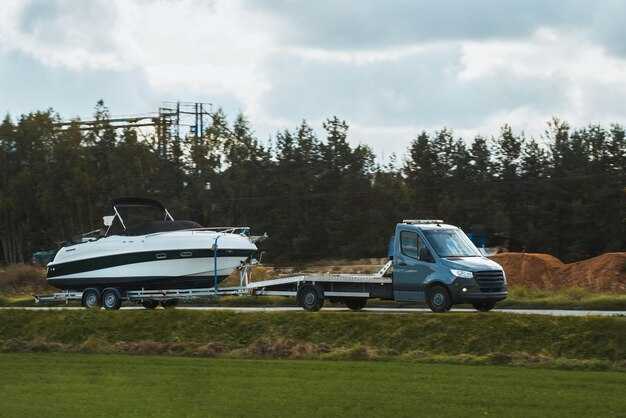
从精确测量开始:使用挂钩秤或耦合器下的浴室秤来捕捉舌头重量。在装载过程中,将秤直接置于耦合器下方;调整重量,直至读数稳定。目标范围约等于拖车和货物总质量的 10–13%;对于 2,000 磅的装置,大约产生 200–260 磅。测量后冲洗秤面以去除油脂;将工具放在商店或仓库方便取用的地方。.
将球放置到位,使 hitch 线与尾轨齐平;横跨 hitch 的水平仪有助于识别未对准的情况。使用预钻好的孔以 0.25 英寸的增量调整高度;阳极氧化球头支架;不锈钢硬件;定位销;耐用紧固件;高度调整后重新检查舌头重量。选择经久耐用的部件;功能包括阳极氧化、不锈钢、密封开口的塞子、塑料垫片;定位销提供精确定位。优点包括在路上行驶更平稳,主要改进包括减少压载转移,更安全的巡航里程;稍后检查可防止漂移。.
在道路超车时,稳定的载荷转移可减少转向输入。路线修正可防止遇到压舱物移动;偶尔会出现轻微错位;有额外的好处显现。航向注释强调更安全的道路操控。.
固定并系紧绑带:避免船体接触并防止移动
安装两条2英寸的聚酯纤维棘轮带,每条的工作载荷限制至少为1,500磅;从船首环到前框架锚点,从船尾支架到后框架锚点;在每条带子下放置柔软衬垫以防止船体接触;确保带子路径位于船体线以下,以保护凝胶涂层。这种方法适用于各种形状的船只;布局不同,但保护措施保持一致。.
填充材料包括聚氨酯叶垫;厚的非磨损毯子可用作缓冲垫;填充物可防止船体划伤;负载分布在整个船体表面,而不是集中在单个点上;船只支架在运输过程中保持船体形状。.
背带布局和出发前检查

- 弓形带:锚固于船首环附近;笔直延伸至前部框架点;避开锋利边缘;轻微弯曲加衬垫可防止磨损。.
- 船尾带:锚固于船尾框架;最终张紧可阻止移动,且不会使船尾板变形;保持带子低于胶衣线,以避免船体接触。.
- 布线和灯:沿框架布线;验证灯是否工作;确保捆扎带路径不会摩擦线束或舷外下部组件;在移动前修复任何擦伤。.
- 收紧步骤:先用手拧紧以消除松弛;然后用棘轮稳步递增;最终张紧力使船体牢固地固定在支架上;精确的张紧力可降低船体变形的风险;避免过度拧紧,这可能会使凝胶涂层开裂;防止制动时移动并减少船体的负荷。.
- 载荷分布:将重量分散在两个铺位上;使用多个接触点;这需要付出努力,但能简化操作并减少轴承超载;保持载荷低于临界阈值。.
- 环境条件:坡道上的涡流或侧风需要格外小心;增加第三根带子或重新调整位置以保持稳定性;抵达各站后重新检查;这些检查可以减少操作期间的移动。.
- 行程后检查:检查车轮和轴承;检查管状框架接头;确认没有带子移动;如有需要,重新拧紧;确保在各次训练间隙的停车期间,轮挡已就位。.
Pre-tow inspection checklist: lights, brakes, tires, bearings, and safety chains
Begin with a quick lighting check prior to departure: tail lights glow brightly.
Brake circuits respond when pedal activated.
Test at a slow, controlled roll.
Turn signals flash correctly.
Inspect wiring harness; look for corrosion at connectors.
Check fuses; replace blown units.
Use anodized connectors to reduce issues.
Accurate prep requires disciplined steps.
Tire condition must meet measurements suitable for load.
Inspect tread depth; replace if below 2/32 inch.
Check sidewalls for cracks; verify bead seating.
Inflate to pressure printed on placard.
Tire placement on axle ensures even wear.
Worn tires escalate risk on trips.
Bearing inspection requires spin test.
Feel for roughness or looseness.
Check grease seals; clean if leaking.
Inspect for heat after a short roll.
dowel alignment in hub ensures proper seating.
If bearings show rough motion, plan servicing; this is costly.
Always carry replacement bearing kits.
Safety chains positioned under hitch; hooks intact; replace fasteners with rated hardware if needed.
Slack should allow steering while reversing; ensure trailer separation is prevented.
Vessel electrical systems must be intact; inspect outboard connections where wiring meets harness.
Positioned placement of wiring along pipe routes prevents pinch points during backing.
Test backing maneuvers in a controlled area.
Solo launches require extra caution.
Dont skip any step.
Some issues arise from corroded connectors; costly repairs may be needed.
Keep theft risk low by storing connectors and fasteners when unattended.
Cleaning of hub areas reduces grime that hides problems.
This article compiles practical elements from real-world checks.
Hull design considerations for towing safety: keel shape, bow profile, and spray rails
Choose a keel with a moderate vee; a smooth transition to the hull reduces spray; this choice boosts directional stability during cruising. Small craft typically show keel depth in the 2–3 feet range.
Bow profile matters: a rounded, flatter bow lowers spray at cruising speeds; in challenging seas, a hull with predictable trim makes handling easier; a well-shaped profile preserves waterplane area while deflecting spray outward.
Spray rails must be material-specific to resist salt intrusion; maintain shape under load with marine-grade coatings; confirm with manufacturers about integration into the hull. Manufacturers provide material-specific solutions; products crafted marine-grade.
Socket placement at transom enables secure rail attachments; plan tight alignment among keel, bow rails, spray rails; keep a simple, flat cross-section between profiles; install a winch point integrated with a trailer-light cradle; owners can master connections after every launch.
Maintenance schedule: rinsing after saltwater exposure; check fasteners monthly; replace worn sockets promptly; material-specific care reduces hazard during cruising. Because spray path affects crew comfort; equipment viability depends on alignment.