


 简体中文
简体中文  English (UK)
  Русский
  العربية
  日本語
日本語  한국어
한국어  Magyar
  Türkçe
  Español
  Čeština
  Svenska
  Português
  Ελληνικά
  Suomi
Suomi  Nederlands
  Română
  Italiano
  Français
  Polski
  Українська
  Deutsch
  Slovenčina
  Best Scuba Diving in St. Lucia – Top Sites & Marine Life">

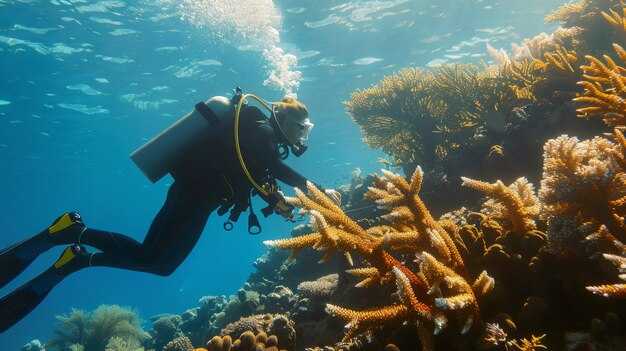
Begin with a morning drift to the reefs off Soufrière, around Anse Chastanet, where visibility commonly reaches 20–30m and surface currents stay gentle. This practical starting option provides instant chances to observe lobsters, theyll retreat into crevices, a cautious grouper, and patrols by triggerfish along the edge of the drop-off. A successful morning yields an article that you can reference later, and the potential for a dinner-related story on shore.
Across these destinations, Coral Gardens and the wall beside Petit Piton showcase distinct habitats: shallow ledges, towering walls, and crevices where lobsters, theyll retreat when a shadow passes. Expect vibrant sponges, fan corals, and schools of damselfish. A controlled drift here is not just scenic; it is a type of practice for buoyancy and situational awareness.
Seasonal planning matters: late spring into early autumn brings calmer seas after the trade winds, but hurricane season can alter chances and window lengths. When conditions permit, an afternoon hover along the Pitons yields chances to spot adult grouper and friendly triggerfish; keep a safe distance. Operators provide opportunity to tailor itineraries to type of explorer, from macro-focused observers to those seeking gentle currents and larger pelagic glimpses.
To maximize success, check with local operators who offer guidance on places to visit, currents, and visibility. The article highlights that the island’s coastline presents many choices for different kinds of explorers, from macro-focused watchers to those seeking opportunity for dramatic portraits. End each session with a light rinse and a local dinner featuring fresh catch, a reminder of how the island’s waters connect to shore.
Practical guide to dive sites, wildlife, and planning
Begin with a direct-entry morning at a sheltered cliff-edge location for safety and visibility, then plan a follow-up to a second spot with an abundance of seahorses and triggerfish.
In lucia, structure the schedule to explore two or three locations close enough to minimize transit time. Start with a shallow, calm belt near a village quay for your first session, then migrate to a deeper wall with gorgeous corals for the second. Coordinate with a community operator to manage occupancy and access, and always verify a safety briefing and weather before every entry. This approach makes diving efficient and lets you appreciate wildlife while catching memorable photo moments; keep a small chocolate bar for energy between sessions.
Fauna commonly seen includes seahorses tucked into seagrass, small triggerfish patrolling ledges, and parrotfish cruising vibrant reefs; occasional octopus or stingray may appear near crevices. Generally, move slowly, maintain neutral buoyancy with the belt, and avoid touching corals or caille-covered rocks. Document encounters and share with local researchers to contribute to a community knowledge base.
Planning notes: check occupancy limits with village operators, book mornings when light is spectacular, and follow guidance from guides about cliff-adjacent zones. Always dive with a buddy, monitor air and depth, and have a contingency for surface intervals and sleep between sessions. Afterward, review results, log your discoveries, and note destinations that worked well for future trips.
| 地点 | Depth (m) | Current | Fauna & Features | Tips |
|---|---|---|---|---|
| Gull Point belt | 6-12 | gentle | seahorses, triggerfish, vibrant coral | direct entry from shore; watch occupancy |
| Village reef drop | 5-14 | moderate | octopus, parrotfish, caille on rocks | log photo moments; snack chocolate |
| Sunset cliff site | 4-10 | calm | gorgeous sponges; occasional rays | avoid crowded times; safety first |
Where to dive in St. Lucia: primary access points, boat days, and entry options
Start with a north anchor: depart from Rodney Bay Marina for quick boat hops to near‑shore reefs, then swing west to Soufrière for access to deeper walls and the picture of rock formations.
Primary access points include north: Rodney Bay Marina and Gros Islet; central hub Castries; west coast anchors at Soufrière with the jetty and Anse Chastanet; there is another option at Marigot Bay for some itineraries, there, the vibe is smoother and the transfer times shorter there between launches.
Boat days typically run as 2‑tank morning trips (about 3 hours on the depths) and half‑day combos; start around 8:00–9:00, return by 12:00–13:00, with occasional full‑day itineraries that go into the afternoon; there aren’t many schedule clashes if you plan ahead, and going with a crew gives you flexibility when seas are choppy there.
Entry options include shore entries at Anse Cochon and Anse Chastanet for mellow starts, and boat entries to the main walls and valleys beyond; perfect for first‑timers, and when conditions are calm, a brief surface swim offers a smooth face to the action there.
Destinations span reef gardens, vertical walls, and rock ledges between the Piton peaks; depths range from about 6 to 30 m, while temperature sits around 27–29°C; this range helps give a clear picture of what you’ll see, and the level of challenge varies with your experience there.
Research and official operators publish packages that mix routes across the north and west; community crews (often lucian) deliver friendly service; one option is a multi‑day cruise‑style itinerary, and some packages include a wreck day featuring a freighter hull. They will give you a map for your level, and if you’re cruising, these options align with popular destinations there.
Grouper are common on ledges around rock faces, with yellow tangs and snappers in the shallows; their encounters are frequent when you follow a local briefing; also look for eagle rays near the drop‑offs, and their presence adds to the picture you’ll carry home, there their behavior can vary with currents and season there.
Temperature and currents shift with the seasons, so plan with your operator and adjust your package accordingly; going with a trusted crew ensures safety and steady progress toward your destinations, because there are multiple routes and you want the most reliable exposure to those prime habitats there.
Top marine life to expect: key species and encounter tips
Move slowly, keep buoyancy neutral, and let wildlife approach you. Whether you’re on a boat or wading from shore, stay at a respectful distance from reef edges and avoid sudden moves to prevent hiding creatures from taking shelter.
Conditions shape what you’ll see: water temperature sits around the low to mid 20s Celsius, rain can clear surf and widen visibility, and bright sun makes colors pop while rest periods offer calmer scenes. Something common across many places is that creatures often linger for a moment before slipping back into crevices, so patience yields the best view and photo.
-
Rays and other large flat fish – eagle rays cruise sandy patches along slopes, sometimes in dense groups. They travel in slow, wide arcs; they’re curious but fast enough to slip away if you corner them. For a clean view, approach from the side, view them at eye level, and keep your hands still to avoid startling the line of travel. Also, they frequently surface in lots of places around cochon islands, offering multiple chances for a safe encounter.
-
Parrotfish, angelfish, and butterflyfish – numerous small to mid-sized species patrol the reef edges and island shoulders. You’ll notice color bursts against the rock, and many animals pause briefly on sand patches. To maximize color, shoot when light hits their scales, which is easiest during late morning or early afternoon and when you’re on a calm part of the view.
-
Moray eels and other crevice dwellers – they hide in cracks and under ledges, showing only a head or a tail during a bite of movement. If one peers out, keep your face away from the rock to avoid triggering a defensive response. Although they’re shy, you’ll see them more often during slack water near overhangs and caves on the islands.
-
Grouper and snapper groups – these residents rest along ledges and come into mid-water arcs when currents shift. They’re often found in parts with numerous holes, so scanning along vertical walls yields better odds. They’re not aggressive unless provoked; give them space and they’ll show more natural behavior.
-
Crustaceans and mollusks – lobsters tucked under coral shelves, and crabs on the sand flats, create a busy micro-scene. They don’t move far when you approach; simply slow movements keep them in view, and you’ll spot them again as you drift along the slope.
-
Turtles and other larger visitors – you may encounter sea turtles cruising near patches of seagrass or near edge reefs. They’re often encountered in the shallows and mid-depth zones around islands; keep a respectful distance, and you’ll be rewarded with a peaceful photo moment.
-
Invertebrate life and sand dwellers – look for tiny caille and coiled mollusks buried in the sand. Their shells glint when the light hits, and you’ll notice lots of small creatures popping into view as you scan the substrate during a slow drift.
Encounter tips for best results: stay on the part of the reef where light penetrates the water well, and stay off the face of the slope to avoid shadowing smaller life. When you see a creature, move slowly and breathe evenly; a calm rhythm helps them ignore your presence. If you want a solid photo, frame the subject against brighter water, hold your shot steady in the view, and wait for a moment when the animal stops to rest. If you’re unsure about conditions, ask the boat crew whether the current will be favorable and plan a second pass if visibility improves after the rain. Remember that patience often yields the most unique sighting, with many species returning to a favored part of the reef after a short break.
Site-specific conditions: visibility, depth, currents, and best time to visit
Plan dawn sessions along pitons slopes at first light; visibility can reach 25–35 m on clear mornings, offering incredible sea life among boulders and formations; stay near the shelter of small coral homes where turtles and schools of reef fish linger; after the post-tour, stay at one of the island’s romantic resorts to extend the experience.
-
Pitons slopes & boulders: depth 8–28 m; visibility 20–35 m; currents mild to moderate drift; best time to visit December–April; life includes schools of fish and triggerfish, plus occasional barracudas; manta sightings are rare but possible; formations include towering rock slabs with dinosaur-like features; these sites do the most to showcase dramatic scenery and incredible photography, loved by lovers and nature aficionados; homes are coral heads sheltering small critters.
-
Coral gardens & shallow shelves: depth 5–18 m; visibility 25–40 m during calm mornings; currents gentle; life includes small colorful fish, parrotfish, and sea turtles; formations feature whip corals and boulder clusters; posts and reef edges provide homes for critters; best to visit in stable weather during the late winter to spring years; tours emphasize slow, mindful observation and opportunities to appreciate life underwater.
-
Deep walls along the cape: depth 25–40 m; visibility 15–30 m; currents can be stronger, especially after fresh trades; best time to visit December–March when drift is manageable; life includes barracudas, pelagic fish, and reef sharks; manta sightings occur in calm periods; formations reveal long drop-offs and dinosaur-like overhangs; a guided tour is advised for safety and to maximize chances to name a memorable moment during the journey.
-
Near-shore meadows & slope merges: depth 4–12 m; visibility 20–30 m; currents usually gentle; life includes turtles and schools of small fish; homes are dense patches of seagrass and coral heads; this zone is suited for post-tour wanderings and relaxed stays; during the years, nature lovers can appreciate the seasonality and often find time to capture a romantic moment and a postcard-worthy view.
Seasonal planning: when to dive for visibility and critter activity

Go in the dry season, January through April, during calm mornings for the clearest water and peak critter activity. Northern reef zones typically offer 20–30 meters of visibility with gentle currents, while the south coast can be windier and wave-prone if conditions shift later in spring, so target mornings when forecasts show light trades.
For a beginner project, choose shallow, well‑supervised sites and pair with experienced operators who provide concise briefings and steady buddy setups. Bring a camera to document chromis swarms around roche and other rock formations, and note eels tucked into crevices and gorgonians waving in the current. Although visibility can vary, this approach keeps risk low and learning steady across years of practice.
Critter activity follows a predictable rhythm: chromis schools cluster around solid formations, and the soft‑orange flanks of nearby fish flash in sunlit gaps; occasionally you’ll see encounters with moray eels and small reef sharks near the base of waterfalls that feed the shallows. Bananaquit on the nearby foliage is a reminder that shore ecosystems share the same seasonality as subaquatic life, adding a romantic touch to early‑day log entries.
Site logistics favor the northern sector for clearer water and smoother flows, while the south offers more dramatic wave action and stronger currents that challenge skill but reward photographers with dynamic silhouettes and long shadows. Look for dinosaur‑shaped roche features and hidden trou caves to diversify a session, with operators spacing trips to minimize crowding and maximize sighting success almost every week.
Gear and routines matter: use a compact camera for fast framing, maintain neutral buoyancy to protect the homes of delicate organisms, and store supplies on board in a fridge to keep hydration stable between dives. Plan with a crew of two or three people, track changes across years, and adjust departures by forecasted currents, so the experience remains practical, romantic, and data‑driven for every diver, regardless of skill level.
Gear and safety: gear needed, rental tips, and on-site safety checks
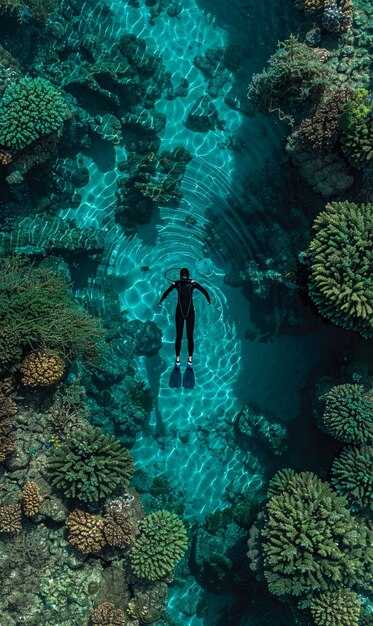
Rent a complete underwater exploration set from a local store before your first excursions to ensure fit and comfort.
Essentials kit includes mask, fins, snorkel, exposure protection suitable for volcanic waters, a buoyancy compensator (BCD), a regulator with a secure mouthpiece, a tank, weights, a depth gauge, and a wrist computer. Add a spare mask, a surface signaling device, and a back-up regulator in case of part failure. If something isnt comfortable or shows wear, replace it at the store or contact your resort for assist.
Rental tips: verify fit and condition before leaving the shop. Inspect mask glass for scratches, test straps, and verify fins grip. Ensure the regulator breathes smoothly and that the tank shows full pressure with a current service date. Request a fresh air test and a spare mouthpiece if needed. Prefer one local operator to keep gear compatibility, and set a maximum depth with your guide.
On-site safety checks: perform buddy check with your partner: confirm air level, regulator function, and OK signals; confirm buoyancy is neutral before entry; ensure weights secure and quick-release buckles work; review plan with the guide and stay on the prescribed route. Currents around soufriere can shift quickly; stay within the guide’s path, avoid exposed ledges near a volcanic plateau, and be mindful of spotting of grouper and triggerfish. You’ll be surrounded by a world-class reef environment and beautiful viewpoints; create a calm pace to visit everything while watching for signs from your buddy. If conditions worsen, abort and ascend with your partner.
Aftercare and extras: rinse gear with fresh water, dry completely, and store in a shaded area. If any piece shows wear, take it to a store or resort workshop to assist with repair or replacement. Bring spare parts and keep them in your gear bag from the local operator. When you visit soufriere, use the chance to sample local chocolate and enjoy nature. This supports the project of your overall experience, especially at the caille plateau.