


 简体中文
简体中文  English (UK)
  Русский
  العربية
  日本語
日本語  한국어
한국어  Magyar
  Türkçe
  Español
  Čeština
  Svenska
  Português
  Ελληνικά
  Suomi
Suomi  Nederlands
  Română
  Italiano
  Français
  Polski
  Українська
  Deutsch
  Slovenčina
 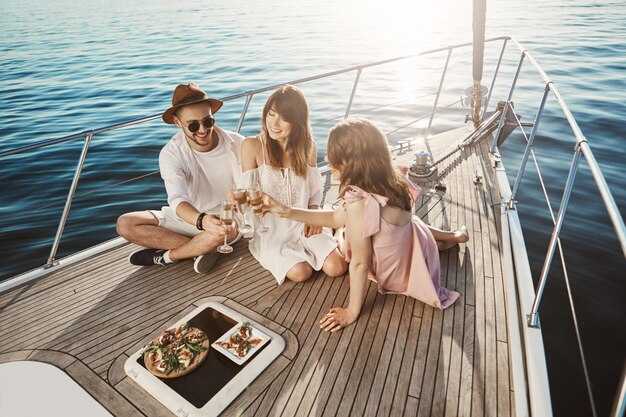 Best Family Sailing Vacation Guide – Top Tips, Destinations and Planning">

Start with skippered catamarans and a captain on board to simplify handling and keep attention on family time. With such arrangements you gain trained helms, safer docking, and easy movement between decks. Daily routines become predictable, giving you time for discovering and play.
Choose routes that are suitable for young explorers and first-time cruisers: sheltered bays, gentle tides, and forgiving winds. Plan to split time between anchorages and family-friendly marina, so kids can nap on decks while adults recharge. Include snorkeling sessions to keep seekers engaged, and schedule visits to local festivals to broaden the experience for every traveller who joins.
For discovering new coves, keep daily rhythms predictable, so attention stays on safety and shared moments. The crew can help with weather checks and navigation, allowing traveller to learn basics of knot tying, sail handling, and anchorage setup without pressure. thats a simple reminder: involve them in small decisions to build confidence and curiosity.
When packing, aim for light, quick-dry clothes, plus sunscreen, hats, and reef-safe sun protection. Pack enough snacks and water for day trips; leave room for souvenirs at marina markets. 双体船 offer stable platforms, easy boarding from each pontoon, and generous deck space for games and meals.
Safety on decks: keep lines secured, use non-slip footwear, and have readily accessible life jackets for every age. The skipper and crew should lead drills and know-your-boat routines, while you arrange child-friendly activities ashore. With this approach, the voyage becomes accessible to a wide range of travellers and ages.
Best Family Sailing Vacation Guide
Choose monohulls under 12 meters; shallow draft; two heads; protected cockpit; thats a solid baseline for a safe trip with baby crew members.
Plan sheltered routes within calm bays; rely on local networks for provisioning; arrange repairs when needed; schedule frequent stops to recover; explore shore trails; cover everything from provisioning to shore excursions; this approach keeps energy high for all sailors.
Snorkeling sessions near coral heads keep little ones engaged; oyster beds offer discovering moments that spark curiosity for every age; sunglasses on deck protect eyes from sun; water sparkles in bright light.
Option to sample local treats off shore includes shellfish; ensure shell handling knowledge; care with oysters.
What to pack for a week: lightweight clothing; compact first aid kit; reusable water bottles; waterproof bag for toys; mind the power needs of nav lights; chargers; thinking ahead keeps devices ready for thinking sessions during long crossings.
Responsibility lies with sailors to maintain safe speed; weather checks; pre-departure drills; ensure deck rules are observed.
- Choose monohulls under 12 meters; shallow draft; two heads; stable beam; reliable power systems; this supports safe progression for baby crew along with older children.
- Safety basics: life jackets for all; tether points; man overboard drill; deck rules; constant supervision by adults.
- Gear for kids: snorkeling gear sized for each child; sunglasses; water bottles; compact toys; deck bags; a guiding hand for supervision when needed.
- Itinerary design: sheltered bays; two to three hour hops; anchor near local towns; include discovering marine life; flexible pacing keeps seasickness low.
- Logistics plan: provisioning with local suppliers; pack essentials; maintain a flexible day-by-day rhythm; this reduces stress; memory grows on deck; shore visits become highlights.
Thinking through this level of preparation keeps course steady; sailors know local tides; yachting becomes safer for all; memory grows there via shared discoveries with locals.
Is Family Sailing Right for You? Assess Your Experience Level and Plan Tips, Destinations, and Planning
Begin with a first, sheltered croatia cruise aboard a monohull, with a skipper or a trusted charters option to gauge how comfortable everyone feels and how safety routines play out.
Know your level before booking: you need to handle basic sail trim, lines, supervising a baby on deck; you’re ready to design shorter hops; crystal-clear anchorages; otherwise a school briefing paired with a crewed setup minimizes risk, creating a safe environment.
Recent traveller tips emphasize daily pacing: keep legs short (2–4 hours); allow a nap or baby rest; anchor in sheltered coves; allocate responsibility among adults; provide chances to immerse the traveller in shore-based activities; enjoy every moment.
Croatia delivers crystal-clear seas, enjoying island hops around Split, Hvar, Kornati; sheltered bays suit familys; choose a route which minimizes long passages.
Pack jackets, life jackets, sun protection; stylish options keep comfort; verify weather windows; carry a compact safety kit; maintain environmental awareness during transitions; stay ready to sail during wind shifts; attention remains high on deck.
Ask whether you are a traveller seeking freedom, discovering immersion; this option suits families valuing learning, shared responsibility; if your mood leans toward routine, consider alternatives.
Develop a plan with specific milestones; book early; reserve popular spots in croatia; compare monohull versus catamaran types which balance power, speed, stability, space; factor weather windows, safety, environmental footprint.
Assess Your Family’s Experience and Comfort on the Water
Start with a quick private survey for each member to rate comfort on a 1–5 scale; record notes in a shared log.
Group discussions after the survey help youll decide departure timing; pick routes with calm coves, sheltered bays, shallow swimming zones.
If some members enjoy swimming; others prefer sheltered beaches.
Hire a local captain for short legs; switch to a simple itinerary with several stops.
Establish a relaxed departure window aligned with local tides, forecasts.
Include historical experiences ashore to engage each age; balance new places with familiar favorites.
Use open communication; awareness of comfort gaps boosts the group’s readiness.
For future trips, decide between shorter hops around a cluster of islands; this reduces fatigue.
Record a final checklist noting level of confidence to reuse in next itinerary.
familys should feel listened to; if a member requests rest, adjust pace.
Let the pitter of excitement translate into measured pacing; careful scheduling follows.
Beautiful bays around calm islands offer scenery without crowds; boosting awareness, relaxed vibes.
| Member | Swimming level | Comfort rating | Preferred activity | 说明 |
|---|---|---|---|---|
| Alice | Relaxed | 4 | Snorkeling in calm bays | Enjoys shade |
| Ben | Beginner | 3 | Floating near reef | Prefers shorter hops |
| Sophie | Moderate | 5 | Swimming while boat at rest | Active traveler |
Choose the Right Boat Type, Size, and Rig for Your Family
For a family, a skippered catamaran around 40–45 ft with four double cabins and a spacious salon is the suitable choice. Its amenities include a covered cockpit, a swim platform, and a roomy galley, plus added deck space that makes meals and games comfortable wherever you sail. If youre exploring with kids and a baby, this layout supports together time and minimizes crowding; you havent to choose between safety and comfort.
If you prefer a monohull, target a model in the 50–60 ft range with a broad beam and a predictable rig. A well-balanced sail plan isnt reliant on a heavy crew and can still be skippered by a confident traveller. A big interior with a second head adds privacy for parents and kids alike, making it a viable option in paradise or near destinations, cities, or open coastlines.
Rig choices matter: a simple sloop rig is suitable for beginners; a cutter 或 ketch adds flexibility for weather or longer itineraries. If youre planning light days, a single-sail setup reduces complexity; for exploring in variable seas, added sails give you options. This can show how the layout can adapt to taste and conditions.
Size and layout matter: match the number of cabins to crew and itineraries. For a couple with a baby, two cabins and one head work; for larger groups, aim for four cabins and two heads. A spacious saloon and galley with an open plan lets families dine together and still have privacy. Consider a layout that keeps the helm near the action so you can stay together during open-water days, theres room to maneuver as you go.
Safety gear and crew: ensure gear like properly sized life jackets and harnesses, plus a solid dinghy and shore-side safety equipment. If youre new to saltwater sailing, a 担任船长 option or a crewed charter boosts awareness aboard. The crew should be experienced with families and know how to keep kids near shorelines and in marinas.
Itineraries and destinations: plan kid-friendly routes with plenty of downtime ashore. Wherever you drop anchor, seek a mix of tranquil bays and cities with markets and seafood (oyster bars add a tasty break). Theres room to adjust pace, back-to-back days can be balanced with shore excursions, and the adventure becomes a true paradise for the whole 旅行者 unit, building memories together.
Safety Essentials: Gear, Briefings, and Onboard Rules for Kids
Put a properly fitted life jacket on every child before you cast off, and keep a spare in the cockpit for quick swaps; this protects attention during hours at sea and keeps the whole crew focused on safety. Pack a dry bag with a spare layer, sunglasses, and a space near seating so kids stay within view, with plenty of room to move ashore when you reach beaches in calm coves.
Equip each child with a PFD sized to their weight, plus a harness or jackline for near-rail work. Attach tethers during passages and keep a whistle within reach; have a compact first-aid kit, a waterproof flashlight, and a marine VHF radio accessible for uninterrupted communication during long voyages.
Hold a quick, kid-friendly briefing each morning: show where gear is stored, how to use life jackets, where to stand and sit, and what to do if trouble arises; keep it short and visual, because emergencies move fast. Include itineraries for the day, likely passages, and the signals you’ll use if help is needed; youre prepared to act calmly, and you can show the children.
Just establish clear onboard rules: no running on deck, hands stay on rails when the vessel moves, and all loose items are stowed. Create zones for meals, games, and quiet rest, and use a buddy system for watches during transitions. Children must wear PFDs whenever outside the cabin or along the rail.
When ashore by beaches, supervise within arm’s reach and keep access to water restricted to safe areas. Respect posted notices and local culture; the traveller mindset values safety, so follow guidance from источник for added safety and cohesion aboard.
Sun protection matters: sunglasses, hats, and reef-safe sunscreen are important, and rotate shade breaks to prevent fatigue. Use a shaded area during peak sun, offer water every hour, and plan plenty of rest in the shade so kids stay alert and engaged.
Regular checks of weather, rig, and gear ensure a steady routine; keep an updated list of items for hours at sea and for ashore breaks. This added discipline helps the whole family enjoy the voyage together; the pitter of waves against the hull reminds you to stay composed, and thanks to a calm protocol, traveller culture can become a shared learning space where you show youre ready for every passage and reach the ultimate safety baseline.
Family-Friendly Destinations by Season: Weather, Ports, and Activities
Spring is ideal for families seeking gentle seas and open harbors: hire a family-friendly monohull or catamaran from a trusted operator, with a skipper and crew prioritizing safety. Palma de Mallorca’s marina offers great amenities, secure berths, and kid-friendly play areas ashore. The surrounding land is historical and ancient, with medieval lanes and a beautiful waterfront that keeps those curious minds engaged. Short hops to coves around Palma and Menorca provide open water, shallow anchorages, and easy landings–perfect for first voyages. Weather data show daytime temps around 15–22 C, making it ideal for beginners and those seeking a lifetime of confident starts on the helm.
Summer brings warm days and open ports. In Croatia, Split and Dubrovnik connect to nearby islands like Hvar and Korčula, with marinas that offer showers, fuel, and kid-friendly play spaces. In Greece, Lefkada and Corfu deliver gentle winds and safe anchorages suitable for those just learning, plus shore excursions to historic sites. The Balearics remain active, with Palma and Alcúdia providing reliable berthing and crewed charters that can include a skipper to handle navigation–so those around the crew can focus on play. The Canary Islands maintain steady options in Tenerife and Gran Canaria, where most harbors have amenities, beautiful beaches, and easy access to open sea for short hops around the archipelago. For families, thats a key point when choosing a charter.
Autumn offers calmer seas and smaller crowds. The Dalmatian coast–Zadar, Sibenik, and Split–gives access to medieval towns and ancient fortresses, with marinas that handle everything from water to Wi‑Fi and rental equipment. For history lovers, day trips ashore to Dubrovnik’s walls or Knossos near Crete provide incredible land experiences after a shallow, sheltered cruise around nearby islands. The climate (источник) shows September and October often bring pleasant days and mild chop, enabling longer hops with comfortable evenings on deck.
Winter stays mild in the Canary Islands and Madeira, where open harbors and protected bays allow safe cruising with the family. Gran Canaria and Tenerife offer well-equipped marinas, heated facilities, and convenient land trips; Funchal on Madeira presents beautiful scenery and easy hill walks. For warmer offshore pockets, Florida Keys and the Bahamas provide warm waters, shallow reefs for snorkeling, and experienced operator teams offering kid-friendly gear and jackets; monohulls or catamarans are common choices, with Skipper-led itineraries that keep the crew engaged and safe. Onboard technology simplifies navigation, letting you plan short, flexible routes around weather windows and maximize time at anchor for a lifetime of memories.
Budgeting and Scheduling: Itinerary, Costs, and Key Logistics
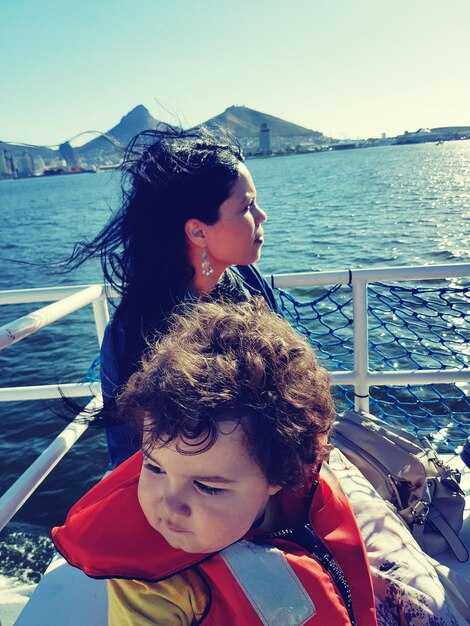
Begin with a 7-day catamaran charter; skipper included; maximum stability; suitable for beginners; family trips stay comfy. Virgin coastlines, sheltered bays, culture-rich ports provide safe anchors; seekers looking for adventure benefit from this setup. Theres no need to rush; thats why a deliberate rhythm keeps learning progressing while keeping costs predictable.
- Base charter rate: typically $900–$1,800 per day, depending on region, season, boat size, and equipment.
- Skipper fee: $150–$260 daily; essential for crewed routes, smooth handling, and responsible navigation.
- Provisioning: $250–$450 weekly; plan breakfasts, lunches, snacks, and kids’ favorites; include extra items for days with long hops.
- Fuel and engine costs: $100–$350 weekly; track consumption based on speed targets (aim for 5–7 knots when cruising).
- Marina or mooring charges: $30–$150 nightly; sheltered harbors reduce weather risk, improve safety, limit wear on decks.
- Insurance and security: $100–$250; verify coverage for crew, passengers, gear, and medical emergencies.
- Crew gratuity: 5–15% of base rate; value reflects skipper expertise, safety drills, and local knowledge.
- Equipment rental or provisioning extras: $25–$60 per item; include snorkeling gear, stand-up paddleboards, or extra cooling packs.
- Worth the investment: allocating a modest buffer reduces stress during weather changes, port closures, or provisioning gaps.
Itinerary snapshot (sample structure, flexible to weather):
- Embarkation day: safety briefing; stowage; sails only after wind shift; depart to a sheltered cove; set anchor before sunset.
- Day 2: snorkeling in a calm bay; swim near reef; shore visit to culture-rich village; local market stop; chill on deck at dusk.
- Day 3: voyage to virgin coast; swimming in clear water; explore sea caves; overnight in protected bay.
- Day 4: marina visit; skipper-led stroll; sample local cuisine; provisioning run; overnight near a scenic island.
- Day 5: longer leg to a new bay; keep speed around 6–7 knots; monitor stability; watch for squalls; anchor for night.
- Day 6: watersports on calm morning; learn basic knots; swimming; prepare to sail back toward base.
- Day 7: return to base; debrief; hand over keys; crew departs; ship-out by 10:00.
Key logistics to lock before departure:
- Documentation: copies of passports, boat briefing sign-off, licenses for skipper; emergency contact list; weather window confirmation.
- Gear and safety: non-slip deck shoes; sunscreen; lightweight rain jackets; life jackets sized for each passenger; handheld VHF radio as backup.
- Provisioning plan: shelf-stable snacks, kid-friendly meals, fresh produce for midweek; look for locally sourced items wherever possible.
- Routing and availability: select sheltered legs that allow visiting ports with good wildlife and culture exposure; look for routes with flexible mooring options.
- Learning objectives: basic sail handling, knot practice, safety drills, reefing cues, waste separation; thats a core part of the schedule for beginners.
- Maintenance check: bilge pump test, battery health, spare parts on board; ensure non-slip surfaces remain in good condition.
- Contingency planning: extra day in case of foul weather; extra sunscreen, water, and provisions; have a plan for sudden anchor changes.
- Communication: SIM data or satellite connectivity for weather updates; a simple map printout for quick references; fill in a shared log for every voyage stage.
- Budget guardrails: set a daily cap for discretionary spends; track additional costs in a separate folder; prepare a 10–15% buffer for surprise needs.
Practical tips for families, beginners, and virgin voyagers:
- Choose a catamaran with stable platforms, suitable for chill afternoons; non-slip decks reduce slips during wet hands or splashes.
- Opt for a skipper with proven culture awareness; they make port visits smoother, safer, and more enjoyable for younger travelers.
- Look for routes that include swimming stops, coastal villages, and calm nights; geographically diverse itineraries broaden the experience, wherever possible.
- Prepare a packing list that balances comfort with safety; include spare sunscreen, hats, lightweight layers, and dry bags for electronics.
- For many seekers, a flexible schedule beats tight deadlines; further resilience comes from small, incremental decisions rather than bold moves.
- Include kid-friendly activities such as sandcastle breaks, shallow swims, and simple snorkeling lessons; beginners gain confidence quickly when supported by a capable crew.
- Visit local markets to taste culture, support crafts, and collect memorable keepsakes; this adds meaningful value to the voyage without inflating costs.