


 简体中文
简体中文  English (UK)
  Русский
  العربية
  日本語
日本語  한국어
한국어  Magyar
  Türkçe
  Español
  Čeština
  Svenska
  Português
  Ελληνικά
  Suomi
Suomi  Nederlands
  Română
  Italiano
  Français
  Polski
  Українська
  Deutsch
  Slovenčina
  Beautiful Lakes in Canada – Must-Visit Spots for Your Next Itinerary">

Plan a March visit to Whistler’s alpine shores–an incredible, photography-focused morning. These water bodies present a blend of small basins and bigger, sweeping expanses, with eagles often gliding above. The light shifts along a visible line of color as the depth changes with the breeze, making the first hours of the day truly spectacular. photography can be practiced from the shoreline as long as the wind cooperates.
In the Whistler region, add a side trip to abraham Lake and to seton basins to compare depth and color. Photography buffs can look for the line where the forest edge meets a glassy surface; shoot around pre-dawn or late afternoon for high-contrast silhouettes. depending on weather, use a smaller aperture to keep the ridge line crisp, or a longer exposure for silky reflections; you can make bigger impressions with a single frame or a series for a panorama.
In terms of recreation planning and practicalities, bring rain gear, check information from park services, and allocate enough time for parking and short hikes. If you’re seeking a compact plan to support recreation, focus on Whistler’s alpine basins and the Seton area, then add abraham Lake for a half-day drive. Trails are mostly family-friendly in March, but weather remains unpredictable; always carry warm layers and a map, as conditions can shift at depth and altitude.
As an overall note, these windows of light present opportunities to capture impressive scenes; eagles, flight lines over carved shores, and reflections that shift with the wind. Readers seeking concrete tips should start with the Whistler corridor, then add abraham Lake with a longer drive, extending your exposure to glacial waters.
Berg Lake and other Canadian lake destinations: practical planning and access
Plan Berg Lake as a multi-day trek; located in Mount Robson Provincial Park near Valemount, BC. Secure a backcountry permit from BC Parks well ahead of time; the trailhead has limited parking, and dawn starts help avoid crowds. The route climbs through conifer forest toward high alpine terrain, with a breathtaking line of peaks and a glacier-fed lake that looks emerald in bright sun. Bear activity is common here; bring bear spray and use proper food storage. Conditions shift through seasons, so pack for sun, wind, and cold nights.
Facilities along the Berg Lake route are sparse, with only toilets at designated campsites and no commercial services. Carry a stove, fuel, and food; plan for water treatment, as streams provide drinkable water only after purification. The trail is well marked, but weather changes can alter plans, so start early and have backups. A backcountry permit is required; day-use access at the trailhead exists, and parking details should be checked on BC Parks before you go; in some spots, parking is free, but verify locally.
Other destinations to consider include waterton in Alberta, where prairie-foothill scenery meets rugged trails and boat-accessible routes; the vibe is different from the rockies. In the okanagan region, warm emerald waters and a great selection of shorelines invite paddle trips and family-friendly outings, often with excellent facilities around townsites. The rockies remain fantastic for backcountry adventures, with dramatic scenery and long daylight through the high season.
Perhaps the best plan is to balance adventure and ease by choosing destinations based on your group’s abilities and interests. Knowing the starting point, seasonal window, and entry requirements makes the trip smoother. For Berg Lake, having a flexible schedule and carrying the right gear improves safety, especially in bear country. From waterton’s lakeside trails to the okanagan region, you gain opportunity to enjoy breathtaking views; many routes are suitable for a high-quality day-use experience or a line of day hikes around the shore. This selection offers a great variety, helping you love the outdoors while staying within your limits and respecting wildlife.
Best time to visit Berg Lake: climate, daylight, and crowd levels
Go late August to early September to maximize daylight while keeping crowds light. The berg lake setting sits high in the mountains, forming one of the largest alpine bodies along the shoreline. The alpine watershed links to similkameen drainage and influences an okanagan-like dry air pattern, which helps visibility. The climate is crisp: daytime highs reach the mid-teens Celsius; nights chilling and often near freezing, so pack extra layers. The window spans roughly four weeks, offering long daylight and moderate temperatures. Daylight lasts about fourteen to sixteen hours in late August, then falls to eleven to thirteen hours by mid-September. This combination often makes the hike safer and more enjoyable, with a sunset show that reveals the berg’s colors. If you seek a classic sight, this is the moment to visit; keeping to this window minimizes heat and keeps crowds manageable. A mile along the shoreline offers vantage points. This setting invites a sense of wonder.
-
Climate and daylight overview
Altitude-driven swings produce morning chill, clear afternoons, and occasional showers. The berg lake setting can form dramatic silhouettes at dusk. The berg lake is among the largest alpine bodies in the region, and the shoreline provides mirror-like reflections when winds drop. In late August, daytime highs hover in the mid-teens Celsius; nights are chilling, often near freezing, so bring extra layers. Daylight lasts roughly fourteen to sixteen hours, decreasing to eleven to thirteen hours by mid-September. The similkameen and okanagan influences yield dry air and good visibility for hiking, wildlife watching, and photography. This climate often supports comfortable hiking days without extreme heat, though conditions can change quickly in alpine terrain.
-
Crowd levels and campsite dynamics
Mid-summer crowds peak; late August into early September brings thinner numbers, yet weekends still draw a tourist crowd. Campsite access along the shoreline is limited; first-come sites fill early, so arriving early improves odds. If a preferred site is taken, backtracking to alternative spots along short distances still yields excellent scenery. facilities along the route are minimal; outhouses at the trailhead exist, while water must be treated or carried. here, planning and pace matter; staying close to your campsite reduces day-by-day fatigue and enhances safety.
-
Planning tips and practicalities
First, secure a park pass; have it in advance or at the gate depending on season. Credit cards are accepted at select kiosks, with cash as backup. Gear rental wont be offered at the trailhead; rent in nearby towns if needed. Boats on Berg Lake are scarce; a cruise setup wont exist here. here, lauren, a local guide, suggests a compact packing list that takes into account backcountry realities: map, compass, water treatment, stove, headlamp, extra layers, and a weather-appropriate shell. An example plan takes a two-day approach, then another push to Berg Lake, with a safe pace that safely completes the route. It takes careful preparation to protect nature and keep the journey enjoyable. here further, always Leave No Trace, respect wildlife, and appreciate the setting as a shared resource for tourist and locals alike.
How to reach Berg Lake trailhead: driving routes, permits, and parking
Recommendation: Leave Valemount early, then take Mount Robson Park Road to the Berg Lake trailhead. The surface shifts from asphalt to gravel as you approach the lakeside parking area, which is limited in size; check the official source for current space counts and plan to leave space for others.
From the alberta border corridor, drive along Highway 16 toward Prince George and Valemount, then Mount Robson Park Road; this journey passes turquoise, glacier-fed pools and rocky outcrops, with the location offering wide views and countless photo opportunities, reminiscent of whistler scenery.
Permits and passes: Backcountry permits are required when overnight stays occur in the Berg Lake area; day visitors should check whether a park pass is needed to access Mount Robson Park Road trailhead, then verify current rules on the official source. For cross-provincial travelers, heed ranger directions if asked.
Parking at the Berg Lake trailhead is limited; the main lot is wide, yet it fills by dawn. Facilities along the initial section are sparse, so plan picnicking and supplies before you start; nights can be exceptionally cold, so bring an extra layer. There are times when restrictions apply, so check posted signs for overnight constraints.
The turquoise surface of Berg Lake and surrounding rocky ridges offer countless vantage points along the lakeside; throughout the hike, the deepest conifers line your path and a hundred short side trails invite exploration. There are many towns within reach to resupply, and theres opportunities to leave the crowd and explore, while you ensure you return before night. Always check the latest rules at the official source before departure.
Photography tips for Berg Lake: lighting, compositions, and safety
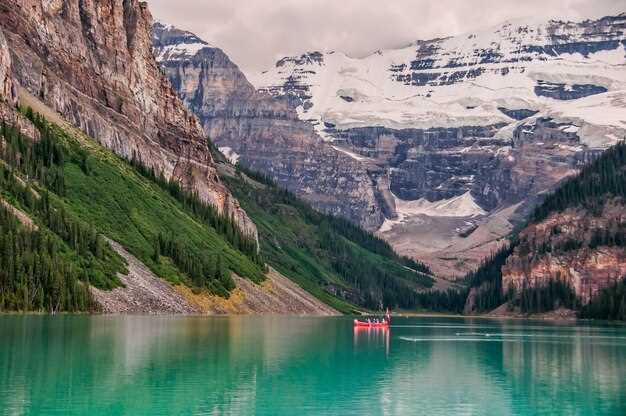
Shoot approximately 45 minutes before sunrise to catch soft, low-angle light that renders the water as liquid glass and highlights distant peaks, creating a breathtaking foreground in every frame.
Use a variety of compositions to emphasize the untouched backdrop: foreground rocks, fallen logs, or a shoreline with gentle ripples. Position key features along the rule of thirds, and experiment with a wide-angle to capture the deepest skies and the mile-long shoreline. To maximize reflections, shoot with a polarizer in the morning calm; bracket exposures approximately two stops to retain detail in shadows and highlights. Photographers can explore different vantage points–kneeling, low, and high–to reveal varied moods. Spotted wildlife or distant peaks can serve as dramatic counters, making images suitable as large prints.
Hard-packed trails become slick with meltwater; wear ankle-supporting boots and carry trekking poles. Stay on established routes, watch for liquid mud, and monitor river levels, especially during seasonal thaws. Pack a rain shell, headlamp, map, and a compact shelter; drink water from purified sources and carry a filter or purification tablets. Always have reservations about weather and trail conditions, and never push past posted limits; some sections span a mile and demand careful footing. If wildlife appears, spotted at a safe distance, give space and back away slowly. Notify someone of travel plans and check alerts; theres a real chance of sudden weather shifts even when skies look calm.
Seasons shape light quality, accessibility, and water levels; traveling in shoulder months offers a variety of opportunities with fewer crowds. A favorite among quiet recreation lovers, Berg Lake rewards patience with tranquil mornings, untouched reflections, and gorgeous color shifts. Always assess safety, check reservations for permits if needed, and keep a backup plan in case weather closes parts of the route. Local operators offer deals on guided photography sessions, which can help beginners build skills without overspending. If you’re planning gear, aim to reduce weight but maintain essentials, and consider a sturdy tripod, a wide lens, and a zoom for distant scenes. These guidelines definitely sharpen outcomes, especially when light shifts quickly.
Accommodations near Berg Lake: lodge options, camping, and booking tips
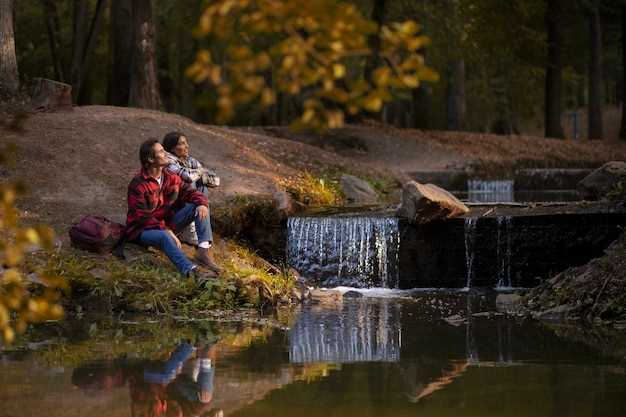
Reserve Berg Lake Lodge nine months ahead; this haven behind a glacier face delivers a calm base after long days on the Berg Lake Trail. Nine cabin suites offer private baths, color-rich meals, and panoramic, mesmerizing views.
Lodge options include Berg Lake Lodge itself along with nearby standalone cottages near the shore. Features include heated rooms, a shared dining hut, canoe access, and guided day trips; stand-up paddle sessions are possible on calm mornings. Swimming is possible during late-season conditions with proper gear and safety checks; always verify current water conditions near the shore.
Camping near this alpine hub sits at Berg Lake Campground, along a shoreline stretch with bear boxes, pit toilets, and water taps. Walk-in sites provide immersion in raw nature; plan to carry essentials, practice leave-no-trace, and arrive early to secure a spot. Scuba gear is not typical here; the focus remains hiking, photography, and quiet observation. In adjacent streams, pike spotting occurs seasonally.
Booking tips: peak access runs from July through September; shoulder periods bring solitude and color-filled skies. Reserve via BC Parks or Mount Robson Park Services; expect limited capacity, so nine to twelve months ahead reduces risk. Check trail updates, road access, and permit requirements for backcountry segments. In Alberta-linked trips, a longer drive through color-rich valleys can be included before reaching the trailhead.
| Accommodation type | Options / features | Booking tips | Seasonal notes |
|---|---|---|---|
| 伯格湖旅馆 | 九个小屋;私人浴室;含餐;可上岸;附近有独木舟/皮划艇 | 提前九到十二个月预订;直接联系罗伯逊山公园服务处或旅馆 | 高峰期是七月到九月;夏末的光线令人着迷。 |
| 伯格湖露营地 | 海滨步入式营地;防熊箱;旱厕;水龙头 | 使用卑诗省公园预订系统;计划提早到达 | 仲夏至初秋开放;天气变化迅速 |
伯格湖徒步旅行装备清单和预算:必备装备和成本估算
呈现一个紧凑、分层的打包计划,以保持前往伯格湖徒步的重量可控。一个出色的三季帐篷、一个温暖的睡袋、一个泡沫或充气垫,以及一个小型炉具和燃料,构成了在路上的核心生活装备。添加一件轻量级的防雨外套和中等重量的保暖层,以应对周围地形和瀑布后方突变的天气,确保您可以想象在目的地舒适的睡眠。.
预算框架:三条途径提供清晰的成本指导。入门级依赖租赁和二手物品;标准级将自有装备与少量租赁相结合;高级使用的大多是全新装备。租赁包括帐篷、睡垫、炉子和背包,典型的加元每日价格如下:帐篷 15-25 加元/天,炉子 5-12 加元/天,睡垫 3-8 加元/天。野外许可证费用约为每人每晚 20-25 加元;食物 60-100 加元。使用信用卡来保证装备和押金;一些机构提供免费取消,在计划中留出一百美元的缓冲。.
自带装备 vs 租赁装备:如果您已经拥有可靠的外壳、睡袋和炉子,您可以将成本控制在较低水平,保持在 400 加元以内,尤其是在搭配免费膳食和目的地附近的轻松步行时。二手物品可以填补空白,而不会为了在旅途中省钱而牺牲安全。.
按类别划分的清单: 庇护:三季帐篷,地布,防雨罩。睡眠:当季睡袋,泡沫或充气垫。衣物:内层,中层,防水外壳,帽子和手套。炊具:小型炉灶,燃料,锅,打火机,餐具。水:轻型过滤器或净水片,可折叠水瓶。导航和安全:地图,指南针,头灯,小型急救箱。食物和能量:轻便,高热量的饭菜;零食和电解质饮料混合物。照明和电力:备用电池或小型充电宝。废物和包装:可重复使用的袋子来运出包装,可密封的袋子装剩余食物,以及一个小型的垃圾袋,做到不留痕迹。活动:一日徒步,观景点,和快速的顺路旅行去观赏瀑布,所有这些都在周围的地形中,并有各种适合不同步速的路线。.
不留痕迹,安全第一:请留在标记好的道路上,带走所有包装,并携带一个小型急救包和一个哨子,以便在走散时发出信号。安全管理水和食物,避免浪费,并在徒步旅行时保持周围环境的原始状态。.