


 简体中文
简体中文  English (UK)
  Русский
  العربية
  日本語
日本語  한국어
한국어  Magyar
  Türkçe
  Español
  Čeština
  Svenska
  Português
  Ελληνικά
  Suomi
Suomi  Nederlands
  Română
  Italiano
  Français
  Polski
  Українська
  Deutsch
  Slovenčina
 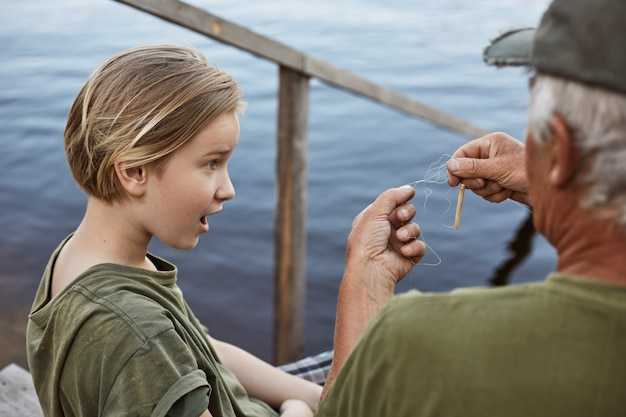 9 Essential Tips for Boating Safely with Kids">

Always wear jackets when the vessel is underway, and verify fit before leaving the dock. In open waters, properly sized personal flotation devices reduce risk and keep calm during sudden splashes.
Choose a vessel that matches crew size and planned routes; canals and open channels demand stability, so consider a craft with a low centre of gravity instead of a high-profile sailboats when childs aboard.
Experience matters–ask a seasoned captain to lead initial trips, or watch a real-world safety video together with childs to align expectations.
Dress in weather-appropriate clothing and consider layers; jackets, rain gear, and non-slip footwear reduce exposure and slips on deck. Assess types of jackets and select those with reflective panels for low light.
Maintain clear separation between adult supervision and childs movements during rough segments, and avoid overloading the vessel when seas rise. During longer stretches, take breaks at open points between stops to reset attention and hydration.
Keep a quick reference: maps, routes, and a printed list of clothing, safety measures, and alarms. Store a small emergency kit, with a whistle, a first-aid kit, and waterproof clothing–real-world safety starts with preparation and constant observation.
Remain aware of weather shifts: between rain squalls and calm spells, adjust plans, switch to protected canals if needed, and return to sheltered areas if wind increases. The aim is to keep conversations steady and the crew calm, especially childs.
During sunny days or overcast skies alike, post-briefings should happen before each session–check jackets, confirm vests on childs, and rehearse signals so everyone can react quickly on waters.
Family Boat Safety Guide
Initiate every voyage: a compact 5-minute briefing that assigns roles, confirms life jacket size and fit, checks lifelines, identifies anchorages. This action keeps children within sight, reduces risk, and clarifies management on deck; it saves time during transitions.
Ensure every participant wears a properly fitted life jacket; check straps, adjust crotch strap on young children, replace worn devices, and keep a spare at the helm area.
Inspect deck lifelines regularly; keep walkways clear, install non-slip mats, and maintain three-point contact during transitions; store sharp tools away from play zones.
Plan anchorages in advance using charts; think about sheltered spaces, check weather forecasts, avoid crowded spots during peak seasons. Maintain space to swing by at least 3 vessel lengths.
Maintain a strict maintenance routine: verify battery charge, test bilge pump, inspect navigation lights, check seals, replace worn fenders, schedule annual engine service, and log results for traceability. Integrate maintenance into annual planning to ensure readiness.
Adapt plans to climates and seas; pack sun protection, hydration, layers, rain gear; allocate time ashore for rest; plan explore segments during calmer windows to reduce fatigue across all participants. Most scenarios afloat benefit from calm, predictable routines.
Provide age-appropriate advice, discuss plans openly, encourage questions, rehearse emergency procedures, and note that a child already mastering a drill deserves praise; maintain a family life-checklist worth reviewing after each voyage.
9 Key Tips for Boating Safely with Kids and How to Choose a PFD for Babies and Children
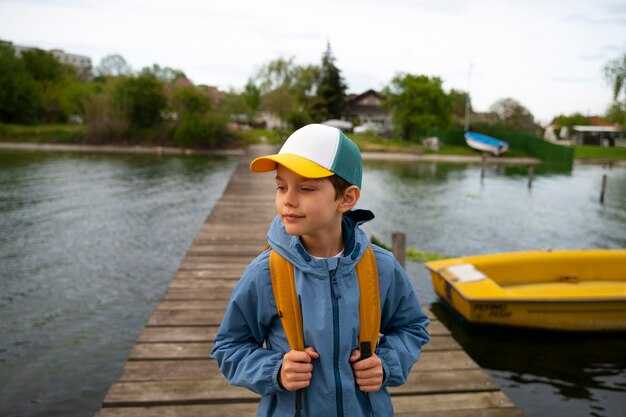
Secure Babys in a USCG-approved infant or child PFD, snug straps, built-in head support, and verify the harness before departure.
Establish a stress-free supervision plan: assign one adult per child, maintain eye contact, and youll keep minds on safety tasks instead of distractions.
Choose PFD types appropriate to babys and children: Type II offers upright float, Type III suits active use, Type V covers specialized situations; ensure snug fit and adjustable straps.
Equip each youngster using a wearable device delivering location updates via a simple notification when drifting beyond a set boundary, and review the signal before departure.
<p=Dress in protective clothing suited to conditions: quick-dry layers, sun protection, and waterproof outerwear; pack extras for long trips.Run a dry-run using simple plans, practice responses to a capsize, assign tasks, keep heads calm, and use a sing cue to help minds stay focused during drills.
Consult video resources from coast guard advisories and reputable safety campaigns to reinforce non-negotiable safety standards and checklists.
Maintain long, practical checklists covering PFD status, clothing, and notification needs; adapt plans to climates and water conditions so compliance remains non-negotiable.
After each outing, conduct a quick debrief among adults and babys observers; log near-misses, update resources, and save plans for future trips, ensuring caution and stress management while minds stay aligned and heads stay protected.
Choosing PFDs by Age and Weight: Babies, Toddlers, and Older Kids
Recommendation: Use uscg-approved life-saving PFDs sized by weight: babies up to 30 lb, toddlers 30–50 lb, older kids 50–90 lb or more. A snug fit is essential–secure all straps and add a crotch strap on infant and toddler models. Lift the child by the shoulders; the PFD must stay in place and not slip,together. Cant rely on guesswork; if the vest rides up, select a smaller size or different cut.
- BABIES (INFANTS) UP TO 30 LB
- Preferred type: inherently buoyant PFD labeled Infant; inflatable variants are not suited at this stage.
- Fit: snug around the torso; crotch strap fastened; side straps adjustable. After fastening, perform a light lift test: the PFD stays low and does not ride toward the chin.
- Comfort and materials: soft inner lining, low-bulk foam, blanket-like feel aids acceptance; virgin materials sometimes advertised, yet performance matters most.
- Sizing and labeling: weight-based bands simplify choice; british labeling can differ–verify the tag and confirm uscg-approved status. Guidance from articles and источник helps.
- Practical use: a little attention from guardians makes the little one calmer; slip,together movement minimal when correctly secured.
- TODDLERS 30–50 LB
- Recommended style: PFDs labeled Child or Youth; three adjustable straps plus a crotch strap; rear strap helps prevent slip,together during movement.
- Inflatable option exists among youth lines, yet inherently buoyant designs remain common; inflatable models require proper activation and cannot substitute hands-on teaching of self-rescue at this age.
- Fit checks: arms free, chest wrap snug, and the torso properly enclosed; the PFD should stay low on the chest and not ride up after a simulated tumble.
- Teaching and engagement: involve a parent’s guidance in buckling, inspecting seams, and practicing several ways to check buckles after every outing; this addresses a child’s interests and contributes to an unforgettable day.
- OLDER CHILDREN 50–90+ LB
- Size class: Youth or large-child PFDs; many options feature adjustable torso straps for a secure, slip-free fit.
- Inflatable options: allowed if uscg-approved and worn correctly; ensure the wearer understands activation and buoyancy maintenance while on board.
- Fit and safety: test by lifting from shoulders; ensure the PFD remains seated and chin stays clear; verify all buckles after each swim session and again after rough water.
- Guidance and sources: safety articles emphasize consistent checks; источник; several british models carry different labeling, so rely on weight marks and the USC G tag for confirmation.
- Attainable peace of mind: a well-chosen PFD supports independent movement and an unforgettable family outing on the water.
Proper Fit and Fastening: How to Put On a PFD Correctly
Choose a PFD that matches torso length and pounds range listed on its tag; wear it immediately after boarding, before any tasks commence. Rules require a snug fit; the PFD should have a secure feel and stay in place during motion. Parent guidance should begin during training classes, not after setting out, to ensure everyone understands how to adjust straps and how to pack a spare unit. Some models come in smaller sizes to accommodate younger ones and still meet legal standards.
Fit should place the vest high on the chest with the bottom edge resting at the top of the hips; test mobility by raising arms overhead and attempting to pull the PFD away from the torso with two fingers’ clearance. If straps were twisted or strung, correct before leaving the dock.
Adjustability matters: tighten shoulder straps until seams sit flush with the collarbone; side straps should allow a snug grip under the arms; if fabric shifts, readjust rather than leaving loose sections. If a smaller body size grows, replace with the next size during planned pack cycles.
Twists and buckles: verify no strap is strung; untwist any twisted segment; run the zipper smoothly; ensure each fastener clicks and stays in place during movement. Removable components may include a crotch strap or back support; confirm they attach securely and do not hinder motion.
Removable components: some models include removable back support or a crotch strap; attach removable pieces securely; test movement during routine tasks; long trips across rain or island routes demand reliable stability; some designers label the unit with a clear legal mark; check pounds range on tag during class sessions.
Legal context and training: some zones impose a legal requirement to wear a PFD on deck; parent guidance should include training classes and a pre-sail checklist; some families pack an extra PFD to cover longer island routes on a yacht adventure; manage equipment to protect yourself and your ones during every voyage. More emphasis on clear management ensures smooth hands-on tasks.
Keep a simple pack of replacements and reminders; never forget to verify fit before departure; the process becomes enjoyable and routine, particularly when a parent guides the others through calm checks, turning care into a small adventure.
| Step | Action | 说明 |
|---|---|---|
| 1 | Size check | Tag shows pounds range; select smaller only if indicated; ensure torso fits. |
| 2 | Put on and fasten | Zip up, buckle; bottom edge sits at hips; raise arms to test ride-up. |
| 3 | Adjust straps | Shoulder straps level; side straps snug; two fingers clearance; avoid twisting (strung). |
| 4 | Crotch strap | If present, attach; adjust to sit between legs; twist-free and snug; remove if model lacks. |
| 5 | Security check | All fasteners engaged; label readability; test movement on deck and through routes. |
| 6 | Practice | In training classes with parent supervision; run a few tasks; pack an extra PFD if more trips planned on island routes. |
Pre-Trip PFD Checks and Replacement Schedules
Confirm every PFD fits its wearer and shows no damage before departure; test all straps, buckles, and seams.
Inspect the foam cushion by pressing gently; if it feels hard, crumbly, or sun-bleached, replace that jacket immediately.
Check labeling to ensure weight range in pounds and size match the rider; youve confirmed the correct model is issued to the smaller passenger.
Fit test: have the rider sit and stand; the chin should stay clear and heads should not dip below the collar; the jacket must keep the head above water in motion.
Storage: store jackets in a dry area near the exit; keep them away from direct sun; use a spare jacket for quick swap if one dries slowly.
Replacement cycles: Youth jackets typically need replacement every 5–7 seasons; adult sets every 7–9 seasons; signs of aging, sun damage, torn seams, or reduced buoyancy trigger earlier change.
Buoyancy guidance: ensure each jacket provides adequate pounds of buoyant force for the rider’s weight class; if a rider gains pounds or loses pounds, re-check fit and size.
The mind of a responsible skipper shifts toward preparedness; keep a spare jacket with a personalized label for each rider so everyone can secure a proper fit quickly, reducing waiting and stress-free checks. Stories from british clubs around llangollen area show lessons that were learned by heads on deck: jackets stay snug, replacements occur on schedule, and responsibility remains with everyone involved.
On-Water Rules: Supervision, Seating, and Zone Boundaries
Assign a primary supervisor who tracks every passenger from dock to stern; a backup takes over periodically to keep eyes on the younger ones. uscg guidance highlights clear supervision as a priority, presenting practical ways to rotate duties and keep everyone in view.
Seat infants in secure, center seating using life jackets that cover the head and chin; ensure clothing fits snugly, avoiding loose clothes that tangle near rails.
Define zone boundaries: safe-zone near midship, caution-zone near bow and stern, no-go around engine or propeller; attach a lifeline and post clear limits so they understand where to stay.
Keep a whistle on every person and conduct a quick head-count before departure and after every stop; repeat at regular time intervals, often ensuring equal head-count.
Maintain a first-aid kit in a waterproof case; check expiry dates, and place a lifeline in a reachable position.
Educational materials accompany every outing; run practice drills at low speeds, demonstrate signals, and train childcare routines so they respond calmly.
Clothing matters: avoid loose garments near winches, keep hats on, and ensure head protection during sunny sessions; they stay comfortable during time on seas.
Balance load by weigh passengers and gear to keep trim; distribute heavier items toward the center to offer a longer, smoother ride when seas shift toward the west.
Virgin seas demand slower, step-by-step movements to reduce tumbling; emphasize calm instruction so they take each step with confidence.
uscg guidance applies; equip life jackets in equal sizes, re-check straps, and review pre-departure steps; offer educational checklists families can follow ashore or afloat.