


 简体中文
简体中文  English (UK)
  Русский
  العربية
  日本語
日本語  한국어
한국어  Magyar
  Türkçe
  Español
  Čeština
  Svenska
  Português
  Ελληνικά
  Suomi
Suomi  Nederlands
  Română
  Italiano
  Français
  Polski
  Українська
  Deutsch
  Slovenčina
  8 Reasons Boating Is the Best Hobby">

Recommendation: 从一套紧凑、适合初学者的工具包和一份可靠的安全检查清单开始,自信地开启水上时光。给初学者的建议:保持装备简单,先学习基本知识。.
用心的计划很重要;设定目标,学习基本的导航,并安排适合当前技能、天气和船员规模的出游,这能保持专注,减少初学者的压力,并避免将任何人推到舒适区之外。保持 mind 每次出行前,请务必记录天气预报、风力和潮汐情况。根据他们的经验调整步骤。如有需要,建议咨询当地俱乐部或教练。.
锚泊练习能建立信心,从而实现更安全、更长的航程;首先选择平静的港湾,然后小步测试更深的水域,与那些传授经验的导师一起,从而更顺利地过渡到更雄心勃勃的航程。考虑一份关于防护装备和信号的简单清单。.
海洋生物和海岸事件提供了天然的课堂环境;观察洋流、风和抛锚点能够培养航海本能,当好奇心与自律相结合时,这种本能会波及到未来的计划和个人成长。.
从航行常规到社交联系,八大支柱塑造了这项活动的价值;当您获得技能时,请继续分享经验、减轻精神负担,并为家庭活动规划更安全的余地,始终牢记未来的冒险取决于持续学习。否则,在条件变化时调整计划。.
实用效益及入门指南
从稳定且适合初学者的船只开始,并预留每周周末 30 分钟的水上时间来建立信心。.
实用 数分钟内见效:稳定的划桨增强了 bodies, ,改善伏案工作后的身姿,并通过以下方式减轻压力: 有节奏的 运动;许多 sailors 报告称专注力和情绪得到改善,尤其是在 日出.
首先,加入当地的 class 安全地学习基础知识。租借或借用一些。 boats 留作练习,并预留 favorite 更长时间段的一天。如果 fishing 你感兴趣的,计划将练习与以下活动相结合的短途旅行: fishing 在允许的情况下。.
遵循一个简单的流程:15分钟热身,15分钟练习转向和绳结,然后用5分钟做训练后拉伸。带上水、防晒霜、一件轻薄外套和一个小型维修工具包。一份简单的日志可以清晰地展示几周来的进展。记录有关安全检查和天气的注意事项。.
安全第一:务必穿戴救生衣,并在出发前查看天气预报;不要独自航行;告诉其他人你的去向。记录天气笔记和简要航海日志,以追踪进度。, minutes 条款和条件。.
Kirsten参加了一个周六聚会,证明持续练习能帮助你感到自信;拥抱这种 routine 能将简单的消遣变成稳定的习惯。庆祝小小的胜利,伸展后挺直腰杆,并牢记一个目标:将舒适延伸到新的湖泊、海湾和社区,否则你就会停留在舒适区。世界各地,初学者们分享技巧和互相支持。.
选择适合初学者的船只和租赁选项
从一艘 14-16 英尺左右的帆船开始,配备简单的单桅帆船索具、舵柄操纵和宽敞的驾驶舱。租赁船队通常将其标记为适合初学者的单日帆船或周末帆船。这种设置确实在海浪涌起或风向变化时提供了宽容的操控性,支持在没有高度复杂性的情况下进行锚定练习。安全装备、易于使用的排水器和紧凑型 VHF 无线电增强了日常使用的信心。这条路线已经通过了许多初学者的考验。.
偏好包含简短水上介绍、工作人员监督和简短试航的出租套餐。预订 3-4 小时时段或全天时段,并提供周末度假选项。许多码头的一月份课程将课堂理论与帆船实践相结合。许多船队让一群朋友或同事尝试,然后决定未来的计划。由于港口环境需求量大,尽早预订非常重要。.
拜访当地码头,向工作人员询问是否有标为‘帆船’或‘日用帆船’的初学者船队;询问哪里允许进行抛锚练习和绳结练习。.
无论是独自训练还是与伙伴一同训练,每日练习都能为水手建立信心。如果办公室生活占据主导,安排下班后的短时间训练,以保持每周的进步;许多学习者的生活取决于持续的装备检查和简单的节奏。.
锚泊练习很重要;选择一艘锚具易于操作且驾驶舱视野清晰的帆船。.
小组课程帮助学习者分享技巧等等;除了基础知识外,可以考虑一个简单的课程,涵盖绳结系法、天气检查以及业余爱好或运动的基本导航。.
安全第一:行前检查和必备装备
出发前务必进行彻底的行前检查清单和装备核实。始终如一、耐心的方法可以降低在水路上的风险,并帮助您享受整个体验。.
- 为每位乘客准备的个人漂浮装置:检查浮力、带子、缝线、有效期和整体状况;在航行时,保持其易于取用,并随时可以穿戴。.
- 抛掷式救生设备:确认其状况良好、触手可及且尺寸适合所有船上人员;测试其可见性和易用性。.
- 信号设备:喇叭或哨子以及视觉遇险信号;确认它们触手可及、畅通无阻且未过期。.
- 灭火器:检查压力表、易用性和安装情况;确保灭火器适用于工艺类型和场景;必要时更换。.
- 急救箱:确保内容物是最新的,并且对于在水道上遇到的常见伤害是完整的;如果相关,添加晕船用品。.
- 通讯:手持VHF无线电或卫星通讯器;测试传输、电池健康状况和防水外壳;携带备用电池。.
- 导航设备:更新海图或电子海图、罗盘和带备用电源的 GPS;确认电池和设置;准备好纸质备份。.
- 锚泊设置:锚、缆绳或锚链、浮标和防磨设备;检查磨损情况,并在平静水域测试锚泊,以建立信心。.
- 靠泊和保护:挡泥板、桩柱缆绳和备用码头缆绳;检查接缝、绳结和连接点;为更恶劣的条件做好准备。.
- 舱底和水泵系统:手动戽水器或电动泵、软管和排放路径;验证操作并清理舱底的任何碎屑。.
- 工具和备件:基本工具包、胶带、备用零件以及少量燃油/机油储备;确保您能够在现场处理小修小补。.
- 发动机和液体:燃油油位、机油、冷却液、皮带、软管以及泄漏迹象;读取压力和温度读数以确认在正常范围内。.
- 保险和文书:携带保单号码、联系电话、登记证和安全证书;确认救援场景和责任险的承保范围。.
- 天气、日光和路线计划:查看水道状况、风力和能见度预报;注意安全撤离选项并相应调整计划;对于单人旅行,确保充分沟通,并在需要时随时准备呼救。.
- 应急计划和演练:与岸上的人分享航线、指定会合地点,并练习在情况恶化时的应对;保持重要号码易于访问。.
一月的情况需要格外小心:水温较低,白昼时间较短,并且某些水道存在结冰风险;多穿几层衣服,在寒冷环境中测试电池性能,并确认燃料稳定性和发动机为寒冷启动做好了准备。.
There, with these checks completed, celebrate a safe voyage and apply a patient, disciplined routine on every voyage to protect each crew member and keep waterways enjoyable and secure.
Budget smart: estimate startup costs and save with simple maintenance
Begin with a concrete recommendation: map startup costs within 30 minutes and lock this budget before any purchase. This plan serves owner and keeps cash levels clear. It would prevent overspend and clarify which options fit your goals. thats a quick reality check for any new owner.
Typical ranges for a starter craft: used aluminum runabout $4,000–$10,000; trailer $1,000–$5,000; safety gear $200–$800; life jackets $60–$180; anchor $30–$60; registration $20–$60 annually; insurance $150–$500 per year.
Maintenance rules to stay well within budget: rinse after trips to remove salt, wash hull, lubricate engine, check belts and hoses, replace impeller every 2–3 years, change oil, replace fuel filter, battery check; winterize if cold.
That approach serves solo owners and families, including those balancing office life, boosting versatility and mastering basic maintenance. Adaptability grows with each voyage. This mindset always keeps options open.
Cost-saving tips: buy a well-maintained used craft from a keen owner, request service records, check hull for damage, verify engine hours, avoid unnecessary upgrades; that reduces total levels of upfront risk; plan a step-by-step procurement that scales with career ambitions and travel plans. These choices align with career goals and life schedule.
Finally, plan cruise days and weekend escape plans: keep within a budget that still allows you to reconnect with friends, family, and world outside screens. That quality time creates a rhythmic routine across waves, which adds a nice cadence. You will likely return to harbor with energy to love and repeat.
Plan a family-friendly starter outing on the water
Recommend a 60-minute lake loop on a beginner-friendly pedal boat or tandem kayak; place supervising adult beside each child, and keep life jackets properly sized. For safety, thoroughly check straps, paddles, and dry bags before departure.
Weather matters: pick a morning with wind under 10 mph and glassy water; aim at 21–27°C, warm air, and no midday heat. Thoroughly inspect forecast; if conditions shift, switch to shoreline viewing from dock.
Pack essentials: two sizes of life jackets, snacks, water, a dry bag for a phone, sunscreen, a hat, and a compact first-aid kit; store everything in a bag near dock.
Turn excursion into outdoors learning: watch landscapes along natures, birds, and reeds; encourage kids to note something like dragonflies or frogs, then share observations to build experience.
Accessibility matters: many fleets provide accessible crafts with low decks, wide beams, and stable hulls; call ahead to reserve. In cities along dunav, operators offer easy lake cruises with pace suitable for families, offering affordable options and oceans of options.
Costs and logistics: typical rental fees range 25-45 USD per hour per craft; 60-90 minute outings are common; reserve online to secure a slot since weekends were crowded. For families who love water sports, consider nearby options with predictable schedules and shorter routes to start.
Finish with hope: families love outdoors, kids gain confidence, landscapes transform into memories; this practical plan invites embrace of waters, whether mild loops or a longer cruise, and helps families make memories.
Gain practical skills: basic docking, navigation, and weather awareness
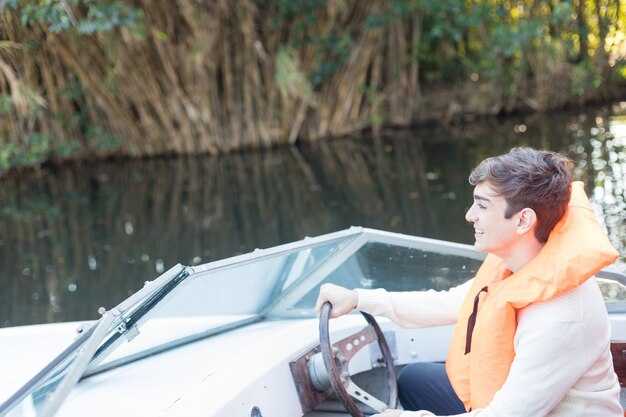
Recommendation: begin docking drills on a calm lake using bow line, stern line, and spring line; approach slowly, apply throttle smoothly, and adjust tension as rhythmic waves shift mooring points. Practice from both port and starboard sides to build confidence together with a partner. Group drills reinforce safety and shared objectives. This approach aligns with natures and interests of learners.
Navigation drills use a simple plan: plot course on paper chart, note landmarks, buoys, and coastal markers, then estimate ETA by distance and speed. Use compass bearing and GPS backup; practice point-of-reference checks each 10 minutes; replay exercises after anchor rest breaks.
Weather awareness routine: check forecast, marine weather buoy data, barometer trend before launch. Observe sky for clouds, wind shifts, gusts; monitor waves and swell height. Weather awareness adds focus on elements: wind shifts, visibility, pressure changes. If wind increases or visibility drops, adjust route, reduce speed, and shorten distance to shore as precaution. Carry weather radio, spare battery, and waterproof bag.
Group sessions strengthen community and understanding; solo runs sharpen independence. kirsten notes that short, repeatable drills work best: dock, steer toward a heading, verify weather alerts. Exercises cover docking, navigation checks, and weather routines, repeated until movements become rhythmic and precise. Celebrate progress with your circle, keep curiosity alive, and turn this practice into hobby to sustain thrill.
| Skill area | Drills | Tools |
| Docking | Calm lake approach, lines handling, tension control | Bow line, stern line, spring line, cleat, fenders |
| Navigation | Plot course, landmarks, bearings, ETA | Chart, compass, GPS unit |
| Weather awareness | Forecast check, sky scan, wind shift notes | Barometer, marine app, radio |