


 简体中文
简体中文  English (UK)
  Русский
  العربية
  日本語
日本語  한국어
한국어  Magyar
  Türkçe
  Español
  Čeština
  Svenska
  Português
  Ελληνικά
  Suomi
Suomi  Nederlands
  Română
  Italiano
  Français
  Polski
  Українська
  Deutsch
  Slovenčina
 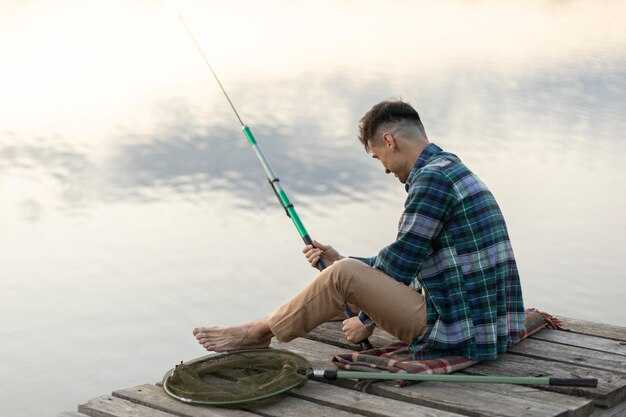 6 Pro Fishing Tips – How to Become a Better Fisherman">

There is one concrete recommendation to jump-start your progress: set up a dependable, compact rig and test it on the water. For an adult angler aiming to improve quickly, use a 6’6″–7’0″ medium-light rod, 8–12 lb test line, and a diameter 0.28–0.30 mm line. Pair with a size 6–8 hook and a small slip-float or light jig. This combo will provide consistent feel and fewer tangles, so you can practice timing and line control more effectively and allow quicker feedback.
Apply a clean casting rhythm: stand with feet shoulder-width apart, keep your shoulder aligned to the target, and use a controlled wrist flick backed by hip rotation. This definitely builds strength and accuracy, and you can study images from local events to refine your form.
Read the water by watching weed edges, sunfish haunts, and the first drop-offs near the woods. Identify place where currents converge and baitfish swirl; these spots work well, especially early morning.
Keep a simple kit with extra jigs, hooks, and a spare bobber. If you spot sunfish showing quick movements, try a bright jig on a short line and a slow, irregular rhythm. This approach lets you test different lures quickly and learn what can happen under changing light.
Keep a compact log: date, location, wind, water clarity, lure tried, and result. Review images from your sessions to spot patterns, then apply what you learned next time. A few focused sessions raise your bites per hour and help you place consistent catches.
Advanced Angling Mastery: Practical Steps for Real Results
Start with a precise line diameter check and re-tie all critical knots to prevent failures; this gives you instant reliability on every cast and builds a sturdy platform for training, something you can count on.
Understand water structure by mapping current seams, depth changes, and forage zones where fish concentrate, especially in morning light. Note the colour of the water and bottom, then choose lures and leaders that match the forage and the pattern you expect. For brook and other species, adjust diameter and leader length to the target size; use a 0.12–0.18 mm leader in tight brooks and a 0.20–0.25 mm leader where clarity is higher. Cast unto the bank near weed edges to test how the current influences bait presentation.
Try special, uncommon rigs for shallow, calm runs; a dropper setup with a small bead and a light fluorocarbon leader keeps the presentation natural and reduces line glare, helping fish take easily. In beattie Brook, locals call the stretch beattie, a place to test subtle actions. The brook tests the method under changing light. Channel a superman mindset. Hold the rod with a steady, confident grip, and if a take occurs, lift smoothly and relax your grip. Maintain a deliberate cadence; this approach shines in green weed edges where hides are tight.
At events across various waters, compare results and log what works. Track bite windows as light shifts and adjust your cast angle to keep line quiet; short, controlled sweeps win in tight cover. Understand when to switch from broad presentations to subtle taps; this adaptation reduces the problem of missed takes and improves consistency.
Maintain gear care and place discipline into daily routine: clean reels, examine drag, and replace worn lines or beads. The habit gives training value and translates to real results, with the performance becoming smoother each week. After each session, store gear in a dry place and check knots once more; this simple step prevents surprises and keeps you on track for future catches. This approach has been tested by guides and pros, and it continues to yield reliable outcomes.
Choose the Right Rod and Reel for Your Target Species
Begin with a versatile setup: a 6 ft 6 in to 7 ft rod, medium-light power, fast action, paired with a 2500 reel. This answer gives you sensitivity for shy bites along brush and in brook pockets, plus enough backbone to handle adult fish in moderate current. Ask staff for guidance on line diameter and reel size for your local conditions, but start with 6–8 lb test in clear water or 10–14 lb in stained water. A small fluorocarbon leader (2–4 ft) helps you stay stealthy and keep everything presenting cleanly.
-
Trout, brook trout, and panfish: 6 ft 6 in to 7 ft, medium-light, fast action; reel 1000–2500; line 4–8 lb test; line diameter kept minimal for quiet presentations in shade. Fish near brush and along the bank to locate likely bites; you should be able to lodge the rod in a holder during pauses. This setup is nice for small jigs, live bait, and light lures on clear streams.
-
Bass and larger open-water fish: 7 ft to 7 ft 4 in, medium-heavy, fast action; reel 3000–4000; line 12–20 lb test; consider black braided line with a fluorocarbon leader. This tactic handles cover and be reached through weed edges and open water alike, where you need steady backbone. Use a larger spool to avoid line twist and keep pressure on the fish without overtaxing your shoulder.
-
Walleye and river species: 7 ft to 7 ft 6 in, medium, moderate action; reel 2500–3000; line 6–14 lb test; use a fluoro leader for subtle presentations in clear water. Its diameter is a compromise between sensitivity and abrasion resistance, and you can easily adjust to stealthy, accurate casts to structure and lanes where fish hide.
-
Large predators or heavy cover: 7 ft 6 in to 8 ft, medium-heavy, fast action; reel 5000+, line 20–30 lb test; consider a strong, dark braid for abrasion resistance. In thick brush or fallen timber, a longer rod helps you keep pressure on the fish while you lodge the line and keep the presentation tight. This setup is ideal when you expect big bites after a long beat along bank and rock, and it gives you control where the fish are likely to sit.
Read Water: Identify Structure, Currents, and Likely Hangouts
Start by reading water in three steps: identify structure, pinpoint currents, and mark likely hangouts. For beginners this quick read yields immediate targets and boosts confidence on the water. Note the opportunity to move to better angles; the easier you see early structure, the sooner you can target key spots with precision. Throughout the day, many guides taught this three-zone read as a simple, repeatable routine – and the beauty of it is how fast you can gain confidence and make smarter calls. Never underestimate the clarity a few minutes of water reading gives you.
Identify structure quickly. Scan the shoreline and water column for sunken cover (trees, limbs), rock piles, and abrupt depth changes. Use your eyes to trace weed edges and edge transitions. When you find a point or bend that turns toward deeper water, mark it as a target. Move your boat or adjust your approach so your cast travels along the edge, not across it–this puts the lure into the hold zones where fish sit. Elite anglers and bassmaster competitors stress structure first; regardless of lake or season, structure holds more bites than open water. Note the location of cover that breaks the current and creates an ambush zone. For coaches who teach clients, the structure read builds confidence and speed. The leader mindset follows this rule: structure first, every time. Three cues to watch: cover, ledge, and edge.
Read currents to locate seams. Look for fast water meeting slower pockets, places where a point creates a seam, and eddies behind rocks or brush. These seams concentrate bait and increase your chance to get a bite. Cast up current and drift your lure along the edge, pausing to let the bait sink into the target depth. Use a steady speed on the retrieve; speed up slightly in faster seams and slow down in slow sections. Three-second counts to depth work well for moderate water; in clear lakes you can see depth transitions with your depth finder, if you have one. What happens next often hinges on timing, so keep a mental clock and adjust accordingly. Reels should run smooth to maximize feel and efficiency.
Target likely hangouts and apply a targeted plan. Inside bends, outside bends, and points that drop into deeper water are your primary hangouts. Inside bends hold fish that feed under varying light conditions; outside bends hold cruising fish that ambush from the current edge; points offer a funnel and a quick drop to deeper holds. Regardless of lake clarity, weed lines and timber edges attract prey and bass alike. Use targeting to pick three spots on your map and run through them in order before moving to the next area. Note how many bites you get at each spot and whether your lure should run shallower or deeper to keep pace with depth change. Many followers and coaching clients see more success when they stay disciplined and targeting the obvious ambush zones.
Practical moves you can apply now. Keep reels silky; a smooth retrieve helps you feel subtle bites. Place three casts per structure to verify depth and reaction, then shift downstream to the next structure. Build confidence by repeating this pattern with different lures: a spinnerbait or swimbait on windy days, and a soft jerkbait on calm mornings. The founder of many local clubs and the sport’s leaders would tell you that consistency beats flashes; practice the same routine across three spots per lake, regardless of mood. This habit creates more opportunities, moves your average catch upward, and trains you to read water with elite-level discipline.
Set Up Your Tackle: Hooks, Lines, and Weights to Match Your Lure
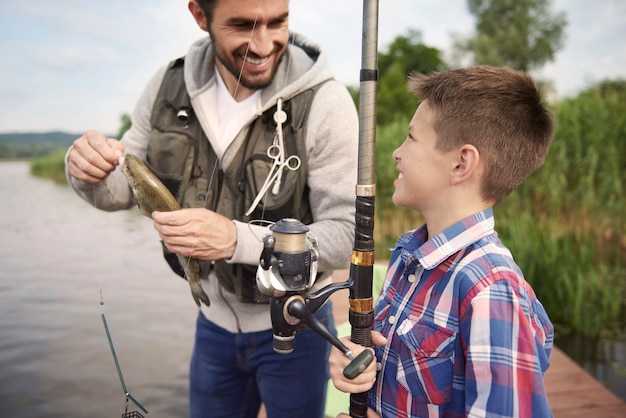
Always start with a braided main line in the 60–80 lb range and a 60–100 lb fluorocarbon leader; match hooks and weights to lure size for the conditions and the windows of opportunity you’re pursuing. For muskies, use bigger gear to handle heavy plugs and aggressive hits, and keep the setup balanced so you can learn quickly and stay confident on the water.
Hooks, not leaders, set the hook. For muskies choose heavy-wire trebles in the 8/0–12/0 range or dependable singles in the 9/0–11/0 range when the lure calls for a stout bite. For smaller lures aimed at smallmouths chasing in lakes, 2/0–4/0 trebles or offset singles keep action clean and reduce missed grabs. Pick rust-resistant finishes (black nickel or mega-strong stainless) and keep gaps matched to lure mouth size; making this fit is the simple step that boosts hookups every time you swing for the front edge of weedbeds or rocky shoals.
Line choice matters as much as the hook. Use braided main line in the 60–100 lb class for muskies, paired with a leader in the 60–120 lb range when you fish through timber or rough rock. If you target smallmouths in clear lakes, a 10–20 lb fluorocarbon leader pairs well with mid-weight plugs. Wire leaders are an option for razor-sharp teeth or heavy cover, but they reduce feel; test both in local waters to see what gives you the best balance. After tying, run a quick patrol of the knot to verify security.
Weights must match lure weight and technique. Start with jig heads around 1/4–3/8 oz for finesse presentations; switch to 1/2–2 oz for mid-size swimbaits; for big musky baits, 3–6 oz or more keeps your lure deep and lively in current or wind. In backcountry lakes with deeper structure, use the heavier end; in calm, shallow bays, lower the weight to improve the lure’s action and sound.
A simple rule: heavier gear for bigger, louder lures; lighter gear for smaller, more subtle baits. This approach makes it easier to control the drop and anticipate the hit, which improves your learning and confidence over multiple sessions, last season on the water highlighted how small changes added up. If you fish with a buddy like mike or a lady angler on a local lake, share notes after each outing; multiple small changes add up to a big gain over the season.
Keep a quick-change kit ready: extra hooks, spare leaders in multiple lengths, and weights in varied sizes. This setup minimizes gaps in your tackle, keeps you safe on the water, and helps you stay focused on improving every outing–whether you’re chasing muskies in backcountry lakes or smallmouths along Brook streams. Continuous adjustment makes you faster, more precise, and ready for whatever the day brings.
根据水温和季节选择合适的鱼饵和拟饵
使用温度阶梯:凉水需要更深、更慢的配置;随着温度上升进入春季,转向中型拟饵和多功能曲柄饵;炎热的天气有利于速度和水草线伏击。 这种方法通过使饵料与它们可能的摄食期相一致,从而让你立即获得优势。.
- 凉水(低于 10°C / 50°F)
- 鱼饵和拟饵:搭配小龙虾尾的汲钩头,精细型泳饵(3–4英寸),倒吊钓组,以及深潜型曲柄饵,所有都保持紧凑。
- 设置:使用碳氟线或编织线连接碳氟线前导线,精细钓组使用6–12磅线,以及1/8–3/8盎司的鱼钩头;在灌木丛和杂草边缘以外的较深鞍部周围垂钓
- 垂钓地点:较深平地、缓慢倾斜的岸线以及落差附近的结构;春季清晨或傍晚时段最为有效。
- 模式:寻找底部缓慢、触感灵敏的感觉;继续学习辨别冷水中细微的咬口,因为鱼类更加迟缓
- 过渡 (10–16°C / 50–60°F)
- 饵和拟饵:无唇曲柄饵、中型泳饵(4-5英寸)、生物饵,以及带有紧凑型叶片的旋转亮片饵
- 装备:3/16–1/2盎司的汲钩头搭配小龙虾尾,12–14磅钓线,并且要兼顾灌木丛和开阔水域;颜色调整为自然的绿色和棕色
- 垂钓地点:水草边缘,水面下 50–150 厘米的灌木丛,以及浅湾和较深水域之间的过渡地带
- 模式:注意变化的鱼群活动和上升的水体清澈度;更清澈的水域时期通常对应着更具攻击性的咬口
- 温水 (16–21°C / 60–70°F)
- 饵料和拟饵:较大的泳饵(5–7英寸)和颤泳型铁板、颤动饵以及中速至快速运动的曲柄饵
- 装备:使用1/2–3/4盎司的汲钩或泳饵搭配较重的汲头;使用12–20磅的线以获得更远的抛投距离;以稳定、适中的速度在水草线和钓点附近作钓
- 垂钓地点:水草边缘、阳光照耀的浅滩以及灌木和芦苇丛周围的区域;安大略湖泊在春季回暖时,锋面过后通常会出现强烈的摄食现象。
- 规律:清晨和傍晚,水面炸水不断;白天,随着太阳加热水体,咬口转移到中等水深的掩体。
- 高温天 (>21°C / >70°F)
- 鱼饵和拟饵:快速移动的游动拟饵、方型/曲柄拟饵和颤泳拟饵;日出后第一小时内的水面系路亚
- 装备:使用较轻的线轴以提高速度和灵活性,14–20 磅钓线,并备用一套较轻的装备以便快速更换;目标是浅水、阳光充足的滩涂和水草丛。
- 垂钓地点:靠近灌木的浅水结构、绿色水草边缘以及邻近水流区域的岬角。
- 规律:在明亮光线下寻找成群游动的鱼;投喂窗口期缩短,因此准备好在热点区域之间快速移动
在不同时期,保持灵活的头脑,追踪他们对水的感觉。在春天,安大略地区的垂钓者经常看到两个明显的变化:早季的灌木和水草线活动,然后是季中的向更深、更凉爽区域的转移。保持一套紧凑的客户式装备,以便您可以毫不犹豫地适应,并在每次抛竿之间练习一个短的学习循环,以提高您的模式识别能力。通过将饵料与温度和季节相匹配,您可以获得明显的优势,并将注意力集中在游戏中,而不是追逐猜测。.
精准抛投与收线:节奏、停顿和刺鱼
规则:根据您预计的深度调整回收的速度。将节奏与深度匹配,保持鱼竿顶端的鱼线紧绷,并专注于鱼讯。干净利落地抛竿后,有意识地暂停0.5秒,然后进行2到3英尺的卷线扫动;每次重复6到8次,以锁定节奏。这种方法可以明确首次连接,并减少未中鱼的情况。.
借鉴全年垂钓经验,根据水温和能见度调整速度。在清新的凉爽早晨,将鱼饵放深并延长停顿时间;在明媚温暖的下午,缩短停顿时间并更积极地收线。注意观察鱼线,这能帮助你发现不明显的轻微咬钩。在线上的压力和保持鱼饵移动到攻击区域的冲动之间存在着微妙的平衡。.
从线径和拟饵动作的研究来看,表现最好的做法是根据情况调整装备。在清水中,更细的线径可以提高灵敏度;在重障碍区,更粗的线径可以抵抗挂底,并帮助你将其拉出。多练习不同的组合,你就会看到咬口次数的成功增加。.
封闭式绕线轮提供平稳的学习路径,但您应该留意故障并进行相应调整。如果您注意到抛投时出现松弛或回收粗糙等情况,请稍微拧紧阻力器并测试较轻的路亚。从那里开始,在条件允许的情况下,逐渐过渡到纺车轮,以获得更多控制,从而提高整体准确性。.
扬竿需果断自信。当感觉到鱼咬钩时,用肩膀发力猛地扬竿,将鱼钩刺穿鱼嘴;然后保持稳定的拉力,完成整个过程。当感觉到鱼咬钩时,要迅速、干脆地做出反应,避免浪费能量且无法有效刺鱼的生硬手腕动作。.
分段练习课程能帮助你培养所需的本能。在侧重于配速和停顿的训练,以及侧重于精确刺鱼的训练之间交替进行。研究表明,持续而短时间的练习胜过零星而长时间的努力;这种进步体现在你垂钓的每一处湖泊和河流之中。这种方法已经赢得了导游和垂钓者的信任。.
| 按情况快速参考 | |
| Condition | Tip |
|---|---|
| 浅而清澈的水面 | 短暂的停顿,更快的收线增量,用于感受的细直径线 |
| 深水或重障蔽物 | 更长的停顿,更慢的收线,更粗的线来抵抗缠绕 |
| 清新、凉爽的早晨 | 抛得更远,在顶点暂停处增加停留时间,如果需要,倾向于使用更重的拟饵。 |
| 全年練習 | 保持一致的节奏;记录时间和尝试次数以完善基于规则的决策 |
练习快速、人道放生,以保护鱼类和栖息地
快速且人道地放生:在摘钩时将鱼留在水中,以瞬间节奏完成放生,理想情况下在30秒内完成,并使用无倒刺的鱼钩;这种瞬间节奏可以节省时间并减少压力。.
湿手托住鱼身,避免触碰鱼鳃或眼睛。支撑腹部下方,保持鱼身水平,然后轻轻将其放回水流中以使其恢复活力;放生前争取短暂的停顿,以检查鱼是否再次呼吸。.
在安大略省水域的船上操作鱼时,尽量保持在水底之上,减少空气暴露,并保持鱼身直立放回水中,尤其是在秋季,因为此时鱼的活跃度和鳃的反应会发生变化。如果必须提起鱼,保持头部高于尾部,避免扭动;这有助于加快鱼的恢复速度,并保持身体完整。.
了解你所追求的和你能做的:在安大略省水域,使用圆钩或无倒刺单钩可以减少内脏损伤并加快释放速度。了解你所针对的鱼类类型——梭鲈、鲈鱼、鲷鱼——以及它们的习性如何影响捕捞成功率,以及瘀伤如何通过快速处理来缓解。最近,埃利斯战术技巧帮助其他人在安大略省的湖泊和河流中保持了栖息地质量。.
熟练掌握快速放流始于一个良好的习惯:准备好装备,练习解钩,并注意鱼的感觉。稍微排练一下可以帮助你掌握正确的时机,从而加快过程并保护栖息地。当风大或水面不平静时,保持冷静、有条不紊的节奏起初感觉很困难,但一旦你适应了这个节奏,你就能听到水花声渐弱,当你把鱼放回水中并看着它恢复时;那一刻的平静可以使鱼类种群繁荣发展。.