


 简体中文
简体中文  English (UK)
  Русский
  العربية
  日本語
日本語  한국어
한국어  Magyar
  Türkçe
  Español
  Čeština
  Svenska
  Português
  Ελληνικά
  Suomi
Suomi  Nederlands
  Română
  Italiano
  Français
  Polski
  Українська
  Deutsch
  Slovenčina
 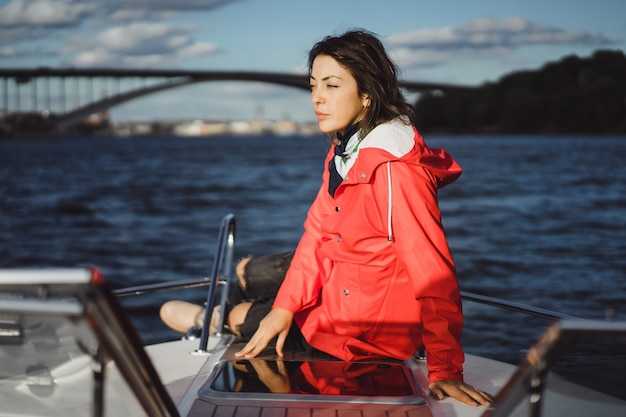 5 Practical Ways to Bring Learning Onboard a Boat This Summer">

Begin with a 15-minute education block each morning tied to the day’s sailing. The routine converts deck time into structured inquiry, turning routine passages into precise opportunities for observation and analysis, and it makes curiosity actionable and sustainable across courses.
These exploring activities are anchored by maps and hands-on tasks, guiding participants to connect coastal processes with real results, from tides to wind shifts. When you frame topics with these questions, curiosity becomes a navigational tool rather than a distraction.
Make it child-friendly by inviting a young crewmate to lead a mini-project tied to local culture and their passions. The focus on experiential 和 educational moments helps finding solutions and helps take notes as the crew sails onward toward a perfect synthesis of knowledge and action.
Look for funded curricula or micro-grants to expand scope–biogeography field sheets, water-sampling tools, or star maps. Fresh gear keeps sessions engaging, while a simple data log built around maps reinforces educational goals and hands-on taking notes.
Close each day with a quick recap that ties new ideas to the route and the next leg. Use non-technical communication devices to share clips, sketches, and questions, and maintain a light maintenance plan to prevent wear on gear and lines.
Boat School Onboard: A Practical Summer Plan
Grab a 90-minute morning block for focused lessons and hands-on tasks, often coupled with a dockside review to adjust the plan.
Split learners into three cohorts: basics, build-up, and project-ready. First, focus on fundamentals; track progress through levels and fill gaps; often use a shared journal.
Topics span navigation basics, weather interpretation, energy management with batteries, and clear communication protocols during a cruise.
Rotating shore stops at hotels expose cohorts to various routines; this variety often supports careers across years of experience, being yourself as confidence grows.
Use the table below to track progress, adjust pacing, and highlight where gaps closed and where new goals emerge often.
| Week | Focus | Activities | Output |
|---|---|---|---|
| 1 | Basics & safety | Navigation basics, weather reading, batteries check | Found gaps closed; basics established |
| 2 | Systems & energy | Electrical checks, energy ledger, drills | Proficiency levels raised |
| 3 | Planning & comms | Route planning, weather analysis, comms drills | Competence strengthened; communication routines solid |
| 4 | Project finish | Team project, shore share, final adjustments | Capstone delivered; destination understood |
1 Take Lessons Outside: Schedule Outdoor Sessions at Calm Moments

Grab a 20-minute window at first light and schedule outdoor sessions between routine checks, keeping activities concise and hands-on for quick retention.
On a vessel, life on deck serves as a natural lab for stem topics like weather, buoyancy, and navigation signals; use a hand-held tool to capture data and trigger questions.
Between chores, pick a useful lesson and grant learners a small project; the task covers a skill in one piece and fits between two jobs on deck.
Prepare a mini-kit with items: a compass, a notebook, a ruler, and a hand-held magnifier; these tools grab observations and filter data.
Schedule a five-task plan for a much-needed set of micro-lessons; each piece focuses on tricks that link reading, measurement, and reporting.
Together with school and homeschool routines, avoid long talks; mix field notes, quick sketches, and short questions. Ever-curious minds grow faster.
Whether the wind allows, switch topics when surfaces become calm; a mentor says such a switch keeps learners engaged.
Notes left on deck pair with a lifetime log; store outcomes in a simple hand-held checklist.
Regularly review with crew and guests to tighten communication; covers progress and flags next steps.
The cadence strengthens practical know-how and keeps sail-side learning compact and ready for the next session.
2 Learn On the Go: Turn Travel Time into Short, Focused Micro-Lessons
Set a mission for each leg: two 6–8 minute blocks using a pocket workbook, slim maps, and quick prompts to verify key ideas. Capture results during movement and log a little takeaway in the writing space to build a ready-to-share record here.
- 地图提示:展开地图,识别两个沿海特征,估算距离,验证方位,并将数字记录在工作簿中;这能提高方向感,并为日后复习提供实际数据。.
- 科学提示:选择一个与浮力、风向变化或潮汐效应相关的国家科学事实;用2-3句话总结并在书写区域绘制一个简单的示意图;每天切换主题以保持趣味性和多样性。.
- 音频提示:加载3–5分钟的无线电提示,暂停大声释义,然后记录下关键要点以及在练习册中进行探索的问题。.
- 实地检查:计时帆的调整,测量风角,并与预测值进行比较;记录观察结果并记录任何偏差,以便将来进行调整。.
- 维护微任务:审查冬季封存解除项目清单,并根据船舶日志核实状态;写一份简短的笔记并将其归档在旅行笔记本中。.
3 尽情发挥创意:在甲板上做实验、讲故事和完成动手任务
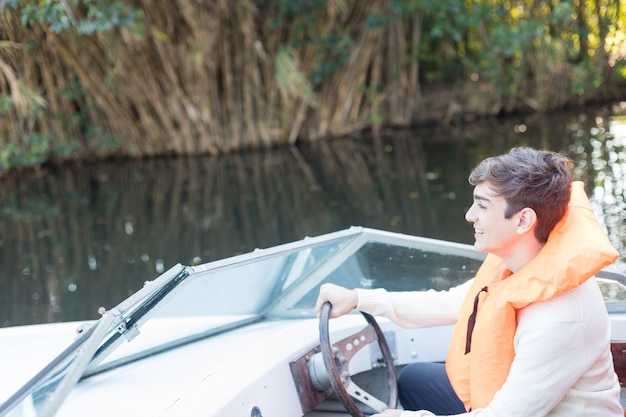
先从15–20分钟的试播开始:一项安全、简单的任务,可以产生切实的笔记和可读的段落,供船员审查。目的是将日常观察转化为令人难忘的交流,供教育工作者在未来的航行和探险中重复使用。.
-
甲板实验
-
浮力与密度测试:准备三个瓶子,装入不同盐度的水。在每个瓶子中滴入一个软木塞或小标记物,并记录其漂浮高度。记录密度值和时间推移;用书面形式快速制作一张图表,以便日后与船员分享。这个练习揭示了密度如何随盐度变化,这一原理有助于更安全地在船只上装卸和处理货物与压载物。.
-
风向标和帆适应性检查:在舷边附近用线悬挂一个轻物体,以读取阵风;与船只的罗盘读数进行比较;讨论风如何影响速度和舵的输入。记录观察结果以供简短报告,确保团队之间的沟通清晰,行动及时,从而降低损坏风险。.
-
-
叙事与文档
-
从资深船员和旧航海日志中捕捉历史;起草一段 120–150 字的段落,将过去的航行与现在的日常联系起来。利用书籍或存档笔记中的想法,创作一个引人入胜且易于理解的叙述;这篇书面作品将成为探险的难忘锚点,也是年轻学习者的资源。.
-
两人一组,分享和交换写作:一人叙述解决问题至关重要的时刻,另一人写一份简短的总结;轮换角色,从而使思维和记忆形成强大的沟通回路。.
-
-
技能与安全实操任务
-
绳结教学门诊:教授称人结、丁香结和8字结;让学习者拿绳子并固定在防磨垫上。检查每个结果,注意当绳长或角度改变时,抓地力和张力如何变化;强调正确操作以防止损坏设备和船只,并在日志中记录进度,以跟踪随时间推移的工作。.
-
简单索具和工艺:裁剪一小块布料或用备用材料制作一个基本的导线器;用轻重量测试张力;讨论探险队如何依靠可靠的、经验性的技能来保障船员的安全,然后快速反思一下哪些方面得到了改进,哪些方面还需要练习。.
-
4 不要过度教育:在学习与玩耍、家务和放松之间取得平衡
从一个25分钟的每日模块开始,命名为教学和教育,其中融合了提问、快速阅读和动手任务。分配10分钟时间来讨论关于天气预报和航行计划的实际问题,10分钟时间做一个练习,例如检查舷侧活门或测试电池状态,以及5分钟时间来记录结果。在冬季,在冬季维护结束后,我们发现固定的节奏可以保持船员的投入,减少无聊的时刻,并建立一个共同的旅程。.
将活动与航行和海岸联系起来,让玩耍与探索相结合。在甲板上,进行海图阅读小测验,简单的绳结比赛,或兼作游戏的通海阀检查日志。这些活动可以培养凝聚力,减少无聊,并展示有用的技能,从而促进教育和未来的航海事业。通过对天气、水流或地球深部探测科学问题的提问来激发学术好奇心,参与者在旅行期间保持参与,同时学习和享受乐趣。运行每周检查清单可以培养纪律性。来自船员的提示有助于每个人保持积极性。.
一位经验丰富的船长说,轮流做杂务可以减少摩擦并培养责任感。分配一位助手负责冲洗甲板,另一位检查通海阀和舱底泵,第三位跟踪燃油和水位,第四位整理船舱。将结果记录在一份简单的清单中,并用于未来的航程。实时指导强化了教育,而不会使职责变成负担,从而支持船员不断发展的航海事业。参与者会获得自信,并通过榜样教导他人。.
安排安静的休息时间以防止疲劳:20分钟的午睡、阅读或无地图思考。靠岸停靠时,选择酒店或拥有平静锚地的港口,以便休息和轻松探索。利用舒适建议、日记或船上简短的电影之夜,使中途停留富有成效。任务与休息之间的对比可以减轻压力,并使每个人都精力充沛地迎接下一段航程。每天几次深呼吸和短暂的岸上散步可以提高注意力,并防止长途航行中的倦怠。.
5 善待自己:设定实际目标并追踪小成就
为即将到来的阶段设定一个切实可行的目标,例如完成一个15分钟的模块,或起草一份简明扼要的计划,以保持有用的势头并防止船上人员超负荷工作。.
利用一个简洁的日志来追踪小的成功:记录任务完成情况、时长以及你保持的专注程度。.
微目标的例子:探索一个新想法、阅读一页书,或起草一份职业规划。.
如果感到厌倦,切换到较短的任务以恢复动力并防止疲劳。.
每日记录:保存的条目会显示您如何处理任务以及您学到了什么。.
与在船上的学生或教职员工分享想法;同伴反馈可以建立责任感,并让你朝着目标前进。.
前往工作坊时,考虑任务之间转换的交通方式;短暂的自然休息有助于恢复和保持精力。.
在每个周期结束时,回顾有效的方法,肯定取得的成果,并为下一个周期设定一个适度的目标,以保持方向并取得稳步进展。.